Source Entrance Door for homes, offices, and commercial buildings
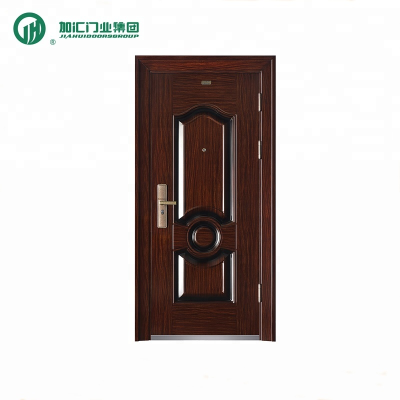
Compare 30 Entrance Door options featuring varied materials like solid wood and aluminum alloy. Buyers can evaluate specifications including fire resistance, security ratings, and customization availability for interior or exterior applications.
Key considerations
Products List


Front Doors for Homesinterior Doorinterior Doorsinterior Exterior Doors
$44.00 - $50.00
MOQ: 100 Pieces


Comprehensive Sourcing Guide
Strategic Sourcing Guide for Entrance Door Procurement
Navigating the global market for entrance doors requires a disciplined approach that balances aesthetic requirements with rigorous technical performance. For B2B procurement professionals, the decision to source entrance doors is not merely about selecting a product but about securing a supply chain capable of delivering consistent quality, compliance, and cost efficiency. The Entrance Door category encompasses a diverse range of materials, from solid wood and WPC to aluminum alloys, each serving distinct functional needs ranging from residential security to commercial fire safety. This guide synthesizes observed market data and technical attributes to provide a framework for evaluating potential suppliers and defining product specifications without relying on unverified claims.
Technical Specifications and Material Composition
The foundation of a successful Entrance Door procurement lies in a precise understanding of material composition and structural integrity. The market presents a wide array of core materials and frame constructions that directly influence durability and performance. Observed product data indicates that inner frame materials vary significantly, with options including aluminum plates, wood, and mixed configurations. For instance, specific models feature an aluminum plate and wood mixed inner frame, while others utilize a solid wooden inner frame or a fir-based wooden structure. The choice of inner frame material often dictates the door's resistance to warping and its ability to support heavy hardware.
The door core material is another critical specification. Buyers must distinguish between doors with honey paper cores, which are often lighter and suitable for interior applications, and those utilizing wood cement boards or semi-hollow strips with honeycomb infillings. The latter configuration is frequently observed in products designed for higher security or sound insulation. Furthermore, the main material composition varies from solid wood and MDF with PVC lamination to WPC (Wood Plastic Composite) and aluminum alloys. The veneer material also plays a pivotal role in the final aesthetic; observed listings include three-ply boards, PVC veneers, and premium options like black walnut.
When evaluating technical specifications, procurement teams should verify the exact dimensions and standard limits. While some suppliers offer customized dimensions, standard market observations suggest maximum sizes around 2300mm in height and 1100mm in width, with thicknesses up to 40mm. Specific models may adhere to standard panel sizes such as 1220x2440mm. The weight of the door panel is also a vital metric for logistics and hardware compatibility; observed data points to panel weights reaching 44kg, which necessitates robust hinges and frames. Buyers should also note the glass type if applicable, with tempered glass being a common requirement for safety and security in entrance applications.
Compliance, Certification, and Safety Standards
In the realm of entrance doors, compliance with international standards is non-negotiable, particularly for commercial and high-security residential projects. The primary certifications observed in the market include ISO and CE, which serve as indicators of adherence to quality management systems and European safety directives. However, the presence of these certifications on a product listing does not automatically guarantee that every unit in a shipment meets the same rigorous criteria. Procurement professionals must verify the validity of these certifications for the specific batch being ordered and ensure they align with local building codes in the destination market.
Safety functions are a paramount consideration for entrance doors. The observed market data highlights specific functional attributes such as fire resistance and water tightness. Doors designated as "Fire Door" or "Water Tight Door" require specialized construction, often involving specific core materials and sealing mechanisms that prevent the passage of smoke, flame, or water. Additionally, security ratings are a critical metric; observed listings mention a security rating of "A," suggesting a high level of resistance to forced entry. Buyers must confirm that the security rating corresponds to recognized testing standards and that the door's locking mechanisms and frame reinforcement meet the required security level for the intended application.
Beyond certifications and functional ratings, the surface finishing process is a key compliance factor. The observed attribute of "Finished" surface treatment implies that the door has undergone necessary processing to ensure durability and resistance to environmental factors. However, the specific type of finish, such as the PVC lamination mentioned in some product descriptions, must be verified for its resistance to UV degradation, moisture, and wear. Procurement teams should request detailed test reports regarding fire ratings, water tightness, and security performance rather than relying solely on marketing claims.
Cost Drivers and Pricing Dynamics
Understanding the cost drivers for entrance doors is essential for accurate budgeting and supplier negotiation. The price of an Entrance Door is influenced by a complex interplay of material costs, manufacturing complexity, and customization requirements. The observed price range in the market spans from $1 to $200, a wide variance that reflects differences in material quality, size, and functional capabilities. Lower-priced units often correspond to simpler designs with standard materials like honey paper cores or basic wood constructions, while higher-priced units typically feature solid wood, aluminum alloys, or specialized security and fire-resistant features.
Material selection is a primary cost driver. Solid wood and aluminum alloy doors generally command a premium over WPC or MDF-based options due to the raw material costs and the labor-intensive processing required. The inclusion of specialized features, such as tempered glass, specific veneer types like black walnut, or advanced infillings like honeycomb structures, further increases the unit cost. Additionally, the scope of customization significantly impacts pricing. While customization is widely available, bespoke dimensions, unique color finishes, or special hardware integrations will incur additional charges compared to standard stock items.
Packaging and logistics also contribute to the total cost of ownership. Observed packaging methods range from loose packages to single shrink film with pallets, or carton packaging. The choice of packaging affects shipping costs and the risk of damage during transit. For heavy doors, such as those weighing 44kg, robust packaging on pallets is often necessary, which adds to the overall expense. Buyers should also consider the Minimum Order Quantity (MOQ) and lead times, which range from 1 to 200 units and approximately 25 days for 500 sets, respectively. These factors influence the economic viability of small-batch orders versus bulk procurement strategies.
Typical Applications and Functional Requirements
Entrance doors serve diverse applications, and selecting the right product requires aligning the door's attributes with the specific environment in which it will be installed. The market data distinguishes between doors intended for interior positions and those designed for exterior use. Exterior entrance doors must withstand harsh environmental conditions, requiring materials with high resistance to moisture, temperature fluctuations, and UV exposure. WPC and aluminum alloy doors are frequently observed in exterior applications due to their durability and low maintenance requirements.
In contrast, interior entrance doors, such as those for rooms or offices, prioritize aesthetics and sound insulation. The observed "Sound Insulation" attribute, often paired with modern styles, indicates that these doors are designed to reduce noise transmission between spaces. Fire doors and water-tight doors represent specialized applications where safety and protection are the primary concerns. Fire doors are essential in commercial buildings, hospitals, and multi-unit residential complexes to compartmentalize fire and smoke. Water-tight doors are critical in areas prone to flooding or high humidity, such as basements or coastal properties.
Security is another critical application driver. Doors with a security rating of "A" and specialized locking mechanisms are ideal for high-traffic commercial entrances or residential properties in areas with higher crime rates. The combination of solid wood, aluminum frames, and reinforced cores provides the necessary structural integrity to resist forced entry. Buyers must carefully assess the specific functional requirements of their project, ensuring that the selected door meets the necessary standards for fire, water, security, and weather resistance.
Supplier Evaluation and Quality Control
Evaluating potential suppliers requires a systematic approach that goes beyond surface-level marketing claims. The first step is to verify the supplier's ability to meet the specific technical and compliance requirements outlined in the procurement brief. Buyers should request detailed product specifications, including material certifications, test reports for fire and security ratings, and evidence of ISO and CE compliance. It is crucial to treat product attributes as observations rather than universal guarantees; therefore, independent verification of these claims is necessary before placing an order.
Quality control processes are equally important. Suppliers should demonstrate a robust quality assurance system that covers the entire production lifecycle, from raw material sourcing to final packaging. The observed "Finished" surface treatment and specific inner frame layouts, such as high-density grids or honeycombed structures, should be inspected for consistency and adherence to the specified standards. Buyers should inquire about the supplier's inspection protocols, including random sampling, dimensional checks, and functional testing of hinges and locking mechanisms.
Packaging and logistics capabilities are also key indicators of supplier reliability. The observed packaging options, ranging from loose packages to customized pallets, suggest that suppliers have varying levels of logistical sophistication. For heavy or high-value doors, suppliers with experience in secure packaging and international shipping are preferred. Additionally, the lead time of approximately 25 days for 500 sets indicates a production capacity that should be matched with the buyer's project timeline. Buyers should assess the supplier's ability to meet deadlines and handle potential delays without compromising quality.
Long-Term Procurement Considerations
Sourcing entrance doors is a long-term investment that requires consideration of maintenance, lifecycle costs, and supply chain resilience. The durability of the chosen material and finish will significantly impact the long-term maintenance requirements. Doors with PVC lamination or high-quality veneers may offer better resistance to wear and tear, reducing the need for frequent repairs or replacements. Buyers should also consider the availability of spare parts, such as hinges, locks, and glass panels, to ensure that the doors can be maintained over their lifespan.
Supply chain resilience is another critical factor. The observed lead times and MOQs suggest that buyers should plan for potential fluctuations in production capacity and material availability. Diversifying the supplier base and maintaining clear communication channels can help mitigate risks associated with supply chain disruptions. Furthermore, the customization options available in the market allow buyers to tailor products to specific project needs, but this flexibility must be balanced against the potential for longer lead times and higher costs.
Finally, buyers should consider the environmental impact of their procurement decisions. Materials such as WPC and sustainably sourced wood offer eco-friendly alternatives to traditional materials. Certifications like ISO can also indicate a supplier's commitment to environmental management systems. By prioritizing sustainable and durable products, buyers can reduce their carbon footprint and ensure that their entrance doors meet the evolving standards of green building and responsible sourcing.
FAQs
What materials are used for Entrance Door inner frames?
Inner frames vary by model, utilizing aluminum plates, wood, or mixed configurations like aluminum and wood. Some specific designs feature a fir wooden inner frame, while others use a high-density grid layout for structural support.
Which certifications are available for these entrance doors?
Available certifications include ISO and CE, indicating adherence to quality management and safety directives. Buyers should verify these certifications for specific batches to ensure compliance with local building codes.
How long is the lead time for large orders?
The lead time is approximately 25 days for orders of 500 sets. This duration reflects the production capacity required to manufacture doors with customized finishes and specific structural requirements.
Can entrance doors be customized for specific dimensions?
Customization is available for dimensions, with standard maximum sizes around 2300mm by 1100mm. Buyers can request bespoke sizes, though this may impact the final unit price and production timeline.
What security ratings do these entrance doors offer?
Some models carry a security rating of A, suitable for high-security applications. These doors often feature solid wood or aluminum alloy construction with reinforced cores to resist forced entry.
What is the price range for Entrance Door units?
The observed price range spans from 1 to 200 USD per unit. Costs vary significantly based on material quality, such as solid wood versus WPC, and the inclusion of specialized features like fire resistance.