Source ERW Galvanized Pipe for Construction, Oil, and Machinery
Compare 30 listings of ERW Galvanized Pipe from verified Chinese manufacturers. Buyers can evaluate specifications, surface treatments, and pricing for pipeline transport, oil and gas drilling, and construction applications.
Key considerations
Products List


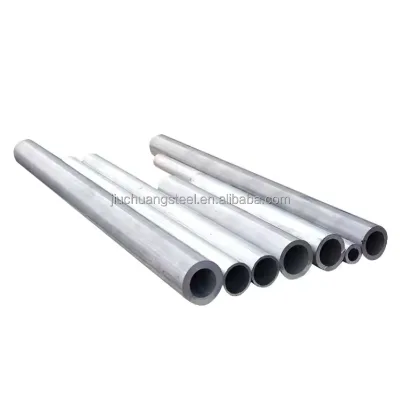
Steel Pipe / Galvanized Carbon Steel Pipe Galvanized Pipe Steel Tube ERW
$400.00 - $660.00
MOQ: 20 Tons


Pre-Galvanized ERW Steel Pipe Supplier Pre Galvanized Square Tubing Pipes
$620.00 - $650.00
MOQ: 25 Tons




Comprehensive Sourcing Guide
ERW Galvanized Pipe Sourcing Guide
Sourcing ERW (Electric Resistance Welded) galvanized pipe requires a disciplined approach to balancing technical performance with commercial viability. This guide provides evidence-based procurement strategies for buyers evaluating welded steel pipes with zinc coatings. The focus is on verifying manufacturing techniques, surface treatments, and application suitability to ensure the final product meets operational demands. By adhering to structured verification steps, procurement teams can mitigate risks associated with material inconsistencies, coating failures, and non-compliant supply chains.
The following sections outline critical evaluation criteria, from technical specifications to long-term supplier management. Each section is designed to help buyers make informed decisions based on observed market signals and established industry standards. The guidance avoids speculative claims and focuses on actionable verification steps that align with typical B2B procurement workflows for industrial steel products.
Product Scope and Observed Listing Signals
The market for ERW galvanized pipes presents a diverse range of options, primarily characterized by carbon steel construction and cold-drawn or hot-rolled manufacturing techniques. Observed listings indicate a strong presence of products originating from major industrial hubs in China, particularly Tianjin and Shandong, which are known for their steel production capacity. Buyers should note that while the core material is often carbon steel, some suppliers also offer stainless steel or galvanized steel variants, requiring careful distinction during the selection process. The section shapes available are predominantly round, though square, rectangular, oval, and perforated options exist for specialized applications.
Listing signals reveal a wide variability in packaging and standardization, reflecting the fragmented nature of the supply chain. Products are commonly packed in bundles with steel belts, bulk configurations, or standard seaworthy export packages, which directly impacts logistics and handling costs. The observed price range of $300 to $1,200 USD suggests significant variation based on dimensions, wall thickness, and coating quality. Buyers must scrutinize these listings to distinguish between basic construction-grade pipes and higher-specification products intended for hydraulic, automotive, or oil and gas drilling applications, as the latter often command premium pricing due to stricter tolerance requirements.
Technical Specifications to Verify
Verifying the technical specifications of ERW galvanized pipes is essential to ensure compatibility with the intended application. Key parameters include the outer diameter, which typically ranges from 21.3mm to 325mm, and wall thickness, which can vary from 0.3mm to 60mm depending on the product model. The manufacturing technique, whether cold drawn, cold rolled, or hot rolled, significantly influences the mechanical properties and surface finish of the pipe. Buyers should confirm the specific technique used, as cold-drawn pipes generally offer tighter tolerances and smoother surfaces, while hot-rolled pipes may be more suitable for structural applications where extreme precision is less critical.
Surface treatment and coating integrity are critical factors for galvanized pipes, especially in corrosive environments. The standard surface treatment is galvanized, but buyers must verify the coating weight and uniformity to prevent premature corrosion. Additionally, the type of weld, whether ERW or seamless, affects the pipe's pressure rating and structural integrity. Although ERW pipes are cost-effective for many applications, seamless pipes may be required for high-pressure systems. Tolerance levels, often cited around 1%, should be explicitly defined in the purchase order to avoid discrepancies in fit and assembly during installation.
Compliance and Safety Documentation
Compliance with international and regional standards is non-negotiable for industrial steel products. Buyers should request documentation confirming adherence to standards such as API-5L, ASTM-A53, BS1387-1985, and GB/T3091-2001, which govern the chemical composition, mechanical properties, and testing procedures for steel pipes. These standards ensure that the pipes meet specific performance criteria for pipeline transport, machinery industry, and construction applications. Verification of these standards helps mitigate the risk of receiving substandard materials that could fail under operational stress or environmental exposure.
Safety and quality management systems also play a crucial role in supplier evaluation. While specific certification statuses may vary, buyers should inquire about the supplier's adherence to ISO 9001 or similar quality management frameworks. This ensures that the manufacturing process is consistently controlled and that quality checks are integrated at every stage of production. Additionally, buyers should request material test reports (MTRs) that detail the chemical analysis and mechanical test results for each batch of pipes. These documents provide traceability and assurance that the product meets the specified technical requirements.
Cost Drivers and Commercial Terms
Understanding the cost drivers for ERW galvanized pipes allows buyers to negotiate more effectively and budget accurately. The primary cost factors include the price of raw steel, the cost of zinc for galvanization, and the energy consumption associated with the manufacturing process. Variations in wall thickness and diameter also significantly impact the final price, as thicker and larger pipes require more material and processing time. Buyers should analyze the price range of $300 to $1,200 USD in the context of these variables to determine if the quoted price aligns with the specified dimensions and quality level.
Commercial terms, including minimum order quantities (MOQ) and delivery times, are critical components of the procurement strategy. Observed MOQs range from 1 to 100 units, with some suppliers specifying a minimum of 1 ton, which can influence inventory management and cash flow. Delivery times typically range from 7 to 15 days, but this can vary based on production capacity and order volume. Buyers should clarify these terms early in the negotiation process to avoid delays and ensure that the supply chain aligns with project timelines. Additionally, payment terms and incoterms should be clearly defined to manage financial risk and logistics responsibilities.
Supplier Qualification and Quality Control
Supplier qualification is a vital step in ensuring the reliability of the supply chain. Buyers should conduct thorough due diligence on potential suppliers, verifying their manufacturing capabilities, production history, and financial stability. Suppliers located in major industrial regions like Tianjin and Shandong often have established infrastructure and expertise in steel pipe production. However, buyers should also assess the supplier's ability to customize products, as many listings indicate that customization is available for specific dimensions, coatings, or packaging requirements.
Quality control measures implemented by the supplier directly impact the consistency and reliability of the product. Buyers should inquire about the supplier's internal quality control processes, including inspection protocols for raw materials, in-process checks during manufacturing, and final product testing. Requesting samples, which are often provided free of charge, allows buyers to physically assess the quality of the pipe, including the weld integrity, surface finish, and coating uniformity. Establishing a clear quality assurance agreement with the supplier helps ensure that any deviations from the specified standards are identified and addressed before shipment.
Long-Term Procurement Checks
Long-term procurement success depends on continuous monitoring and evaluation of supplier performance. Buyers should establish key performance indicators (KPIs) to track metrics such as on-time delivery, product quality, and responsiveness to issues. Regular audits of the supplier's facilities and quality management systems can help identify potential risks and ensure ongoing compliance with agreed-upon standards. Building a strong relationship with the supplier through open communication and collaborative problem-solving can lead to better pricing, priority production, and improved service levels over time.
Additionally, buyers should stay informed about market trends and regulatory changes that may impact the supply of ERW galvanized pipes. Fluctuations in steel and zinc prices, as well as changes in environmental regulations, can affect production costs and availability. By maintaining a diversified supplier base and regularly reviewing procurement strategies, buyers can mitigate risks and ensure a stable supply of high-quality pipes for their operations. Continuous improvement in the procurement process, including the adoption of digital tools for supply chain visibility, can further enhance efficiency and reduce costs in the long run.
FAQs
What techniques are used to manufacture these pipes?
The pipes are manufactured using Cold Drawn, ERW, Cold Rolled, and Hot Rolled techniques. These methods ensure the steel meets specific structural requirements for various industrial applications like pipeline transport and machinery.
Which surface treatments are available for the steel pipes?
Available surface treatments include Galvanized and Black finishes. These treatments protect the carbon steel and stainless steel options from corrosion, making them suitable for outdoor construction and chemical industry environments.
Can I order custom sizes for these welded pipes?
Yes, customization is available for these welded pipes. Buyers can specify dimensions ranging from 21.3mm to 325mm in diameter or 25*25*2.1mm for square sections, depending on the specific project requirements.
What are the standard packaging options for bulk orders?
Packaging options include bundles, bulk shipments, and export packages. Some suppliers offer packing in bundles with steel belts to ensure safe transport, while others provide standard seaworthy packages for international delivery.
How long is the delivery time for these steel pipes?
The typical delivery time ranges from 7 to 15 days. This lead time applies to orders originating from suppliers in Tianjin or Shandong, China, subject to the specific quantity and customization requested.
What materials are used to produce these pipes?
The pipes are produced from Carbon Steel, Stainless Steel, and Galvanized Steel. These materials are selected to meet diverse usage needs such as oil and gas drilling, food processing, and general construction decoration.