Source ESD Antistatic Eyelash Extensions Tweezers for Beauty, SMT, and Labs
Compare 30 listings of ESD Antistatic Eyelash Extensions Tweezers from verified suppliers. Buyers can evaluate specifications like material, length, and weight to find tools suitable for eyelash application, SMT production lines, and electronic component maintenance; compare the available evidence and request quotations based on your requirements.
Key considerations
Products List
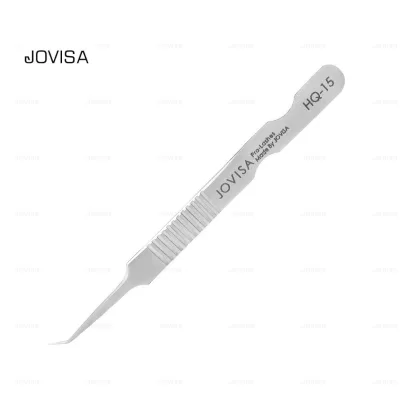
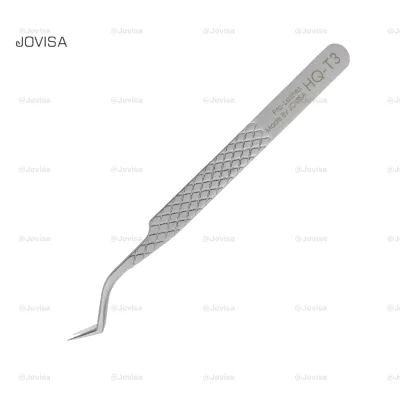


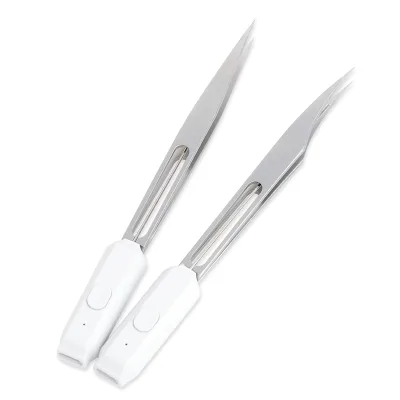
Pointed Tip Stainless Steel Multipurpose Eyelash Extension Tweezers Set
$1.20 - $4.50
MOQ: 1000 Pieces





Comprehensive Sourcing Guide
ESD Antistatic Eyelash Extensions Tweezers Sourcing Guide
Sourcing specialized tweezers for eyelash extensions requires a nuanced understanding of both cosmetic precision and electrostatic discharge (ESD) management. While the core keyword suggests a focus on ESD properties, the observed product landscape reveals a diverse mix of tools ranging from standard stainless steel to titanium variants. Buyers must carefully distinguish between tweezers designed for general lash application and those specifically engineered for sensitive electronic environments or static-prone settings. The presence of items labeled for "SMT Production Line" or "Electronic Component Maintenance" alongside "Eyelash Extension" tools indicates a broad market segment where functionality overlaps. Procurement teams should verify whether the antistatic feature is intrinsic to the material or a surface treatment, as this distinction impacts long-term durability and cleaning protocols.
The observed inventory includes products with varying material compositions, such as 410 Type Stainless Steel and Titanium, each offering different benefits regarding corrosion resistance and weight. Some listings highlight features like oxidation resistance and anti-static properties, which are critical for maintaining hygiene and precision in high-volume lash studios. However, not all products labeled with similar keywords share identical technical specifications. For instance, while some tweezers are explicitly marked for volume and classic lash application, others are categorized under general beauty tools or even industrial applications. This variability necessitates a rigorous vetting process to ensure that the selected tweezers meet the specific ergonomic and functional requirements of your lash technicians. Misalignment between product claims and actual use cases can lead to inefficiencies and increased waste.
Product Scope and Observed Listing Signals
The current market signals indicate a wide range of product types under the umbrella of eyelash extension tools. Observed listings include curved tweezers with model numbers such as HQ-15 and HQ-T3, suggesting a variety of tip geometries designed for different lash techniques. The color options range from silver and black to clear and colorful finishes, which may serve aesthetic purposes or help technicians differentiate between tools for volume versus classic applications. The weight of individual units varies significantly, from lightweight options around 0.020 kg to heavier tools at 18.5g, impacting user fatigue during extended sessions. Buyers should note that some products are described as non-disposable, emphasizing their reusability and need for proper sterilization, while others may be marketed as single-use items depending on the supplier's policy.
Packaging and origin details provide additional context for sourcing decisions. Many products originate from Taiwan or China, with single package sizes varying from compact individual boxes to larger cartons measuring 30x20x10 cm. The presence of certifications like RoHS and CE on some items suggests adherence to specific safety and environmental standards, which is crucial for brands prioritizing regulatory compliance. However, the coexistence of industrial-grade ESD tools with cosmetic tweezers in the same search results highlights the importance of precise keyword filtering. Procurement specialists must scrutinize product descriptions to ensure that the antistatic properties are relevant to the cosmetic application and not merely a residual feature from industrial manufacturing. Clear differentiation between these categories prevents costly procurement errors.
Technical Specifications to Verify
Verifying technical specifications is paramount when selecting tweezers for professional use. Key attributes to confirm include the material composition, such as 410 Stainless Steel or Titanium, which directly influences durability and resistance to corrosion from cleaning agents. The length of the tweezers, observed in listings ranging from 116mm to 13.4cm, affects precision and control during application. Buyers should also pay close attention to the tip shape and curvature, as these determine the tool's suitability for specific lash techniques like volume fan creation or classic isolation. The weight of the tool is another critical factor, as lighter tweezers reduce hand strain for technicians working long hours. Ensuring that the product specifications match the ergonomic needs of your team is essential for maintaining productivity and reducing the risk of repetitive strain injuries.
Electrostatic properties and surface treatments are particularly relevant for the "ESD" aspect of the keyword. While some products explicitly mention anti-static features, others may rely on material properties to minimize static buildup. Buyers should inquire about the specific mechanism by which the tweezers mitigate static electricity, whether through conductive materials or specialized coatings. Additionally, the model number and design type, such as curved or straight tips, should be cross-referenced with supplier catalogs to ensure consistency across orders. It is also important to verify the single gross weight and packaging dimensions to calculate accurate shipping costs and storage requirements. Clear communication with suppliers regarding these technical details helps avoid discrepancies between ordered and received goods, ensuring that the tools perform as expected in daily operations.
Compliance and Safety Documentation
Compliance with safety and environmental standards is a critical component of responsible sourcing. Products bearing certifications such as RoHS and CE indicate that they meet specific regulatory requirements regarding hazardous substances and electrical safety, although the latter may be more relevant for electronic tools than cosmetic tweezers. Buyers should request valid certification documents from suppliers to verify that the materials used in the tweezers are free from harmful substances like lead or mercury. This is particularly important for products that come into direct contact with the eye area, as safety standards ensure that the tools do not pose a health risk to clients or technicians. Understanding the scope of these certifications helps procurement teams assess the overall quality and safety profile of the products they intend to purchase.
In addition to certifications, documentation regarding material safety data sheets (MSDS) and sterilization guidelines should be reviewed. Since many eyelash extension tweezers are non-disposable, they require regular cleaning and sterilization to prevent cross-contamination. Suppliers should provide clear instructions on compatible cleaning agents and sterilization methods to maintain the integrity of the tool's surface and antistatic properties. For products marketed for use in combustible or explosive areas, additional safety documentation may be necessary to ensure compliance with local workplace safety regulations. Procurement teams should also verify that the products are labeled correctly regarding their intended use, ensuring that cosmetic tools are not mistakenly used in industrial settings where different safety protocols apply.
Cost Drivers and Commercial Terms
Cost drivers for eyelash extension tweezers include material quality, manufacturing complexity, and order volume. Stainless steel and titanium materials offer different price points based on their durability and resistance to corrosion. The complexity of the tip design, such as curved or specialized shapes, can also influence production costs. Minimum order quantities (MOQ) observed in the market range from 1 to 1000 units, allowing for flexibility in initial testing versus bulk procurement. Buyers should negotiate terms that align with their inventory management strategies, considering whether lower MOQs with higher unit prices or higher MOQs with discounted rates better suit their cash flow and storage capabilities. Understanding these commercial terms helps in planning budgets and avoiding unexpected costs associated with small batch orders.
Shipping and packaging costs are additional factors that impact the total cost of ownership. The single package size and gross weight of the products directly affect shipping fees, especially for international orders. Buyers should compare the total landed cost, including duties and taxes, rather than focusing solely on the unit price. Some suppliers may offer customized packaging options, which can enhance brand presentation but may incur additional fees. It is also important to clarify payment terms and lead times to ensure timely delivery and avoid production delays. Establishing clear commercial agreements with suppliers helps in maintaining a stable supply chain and predictable costs, which are essential for long-term business planning and profitability.
Supplier Qualification and Quality Control
Supplier qualification involves assessing the reliability and consistency of the manufacturing partner. Buyers should verify the supplier's production capabilities, quality control processes, and track record in the eyelash extension tool market. Requesting samples before placing large orders allows for a thorough evaluation of the product's build quality, tip precision, and antistatic performance. It is also important to check for any customer reviews or testimonials that highlight the supplier's responsiveness and after-sales support. Suppliers who provide detailed product specifications and are transparent about their manufacturing processes are generally more reliable partners. Establishing a strong relationship with a qualified supplier ensures consistent product quality and reduces the risk of supply chain disruptions.
Quality control measures should be integrated into the procurement process to maintain high standards. Implementing incoming inspection protocols helps identify any defects or deviations from specifications before the tools are distributed to technicians. Buyers should define clear acceptance criteria for parameters such as tip alignment, surface finish, and material integrity. Regular audits of the supplier's quality management system can further ensure that production standards are consistently met. Additionally, establishing a feedback loop with end-users, such as lash technicians, can provide valuable insights into the practical performance of the tools. This continuous improvement approach helps in refining product selections and addressing any issues promptly, ultimately enhancing the overall quality of the lash extension services provided.
Long-Term Procurement Checks
Long-term procurement success depends on regular review and adaptation of sourcing strategies. Market trends in eyelash extension tools evolve, with new materials and designs emerging to meet changing technician preferences. Buyers should stay informed about these developments to ensure that their product offerings remain competitive and relevant. Periodic re-evaluation of supplier performance is essential to maintain high standards of quality and service. This includes assessing delivery times, product consistency, and responsiveness to issues. Suppliers who demonstrate a commitment to innovation and continuous improvement are valuable partners in a dynamic market. By staying proactive, procurement teams can anticipate changes and adjust their strategies accordingly, ensuring sustained success.
Sustainability and ethical sourcing practices are increasingly important considerations for long-term procurement. Buyers should evaluate suppliers' environmental policies and their efforts to reduce waste and energy consumption in production. Products with certifications like RoHS contribute to safer and more sustainable practices. Additionally, considering the lifecycle of the products, including their durability and recyclability, can align procurement goals with broader corporate sustainability objectives. Engaging in dialogue with suppliers about these issues fosters a collaborative approach to responsible sourcing. By integrating sustainability into their procurement strategy, buyers can enhance their brand reputation and meet the growing demand for ethically produced beauty tools, securing a competitive advantage in the long run.
FAQs
What material is used for these tweezers?
The tweezers are constructed from 410 Type Stainless Steel or Titanium to ensure durability. This material choice provides essential corrosion and oxidation resistance for professional use in eyelash extension applications.
Can I find customized options for these tools?
Yes, customized options are available for these eyelash extension tweezers. Buyers can request specific modifications to meet unique requirements while maintaining the high standards of the original product design.
Which certifications do these products hold?
These products hold RoHS and CE certifications to ensure safety and compliance. These standards verify that the manufacturing process meets international requirements for electronic and beauty tools used in professional settings.
How long is the single package size?
The single package size measures 30 by 20 by 10 centimeters for shipping efficiency. This dimension accommodates the tweezers securely while allowing for standard logistics handling during international distribution and delivery.
What is the minimum order quantity for these items?
The minimum order quantity varies between 1 and 1000 units depending on the specific supplier. Buyers should verify the exact MOQ with vendors to ensure it aligns with their initial procurement needs.
Where are these tweezers manufactured?
These tweezers are manufactured in Taiwan, China, or mainland China. This origin ensures access to established supply chains and quality control measures typical for precision beauty tools produced in these regions.