Source esd-safe diagonal cutting pliers for Electronics, Wiring, and Assembly
Find 30 esd-safe diagonal cutting pliers from verified suppliers. Compare specifications including material, size, and customization options for electronics, wiring, and assembly tasks.
Key considerations
Products List


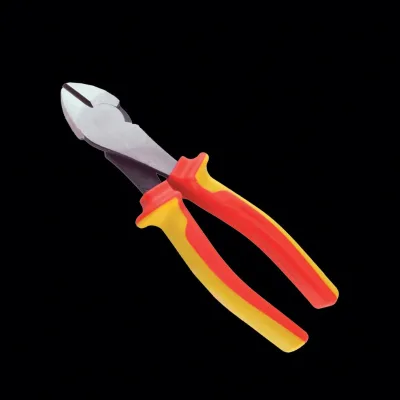
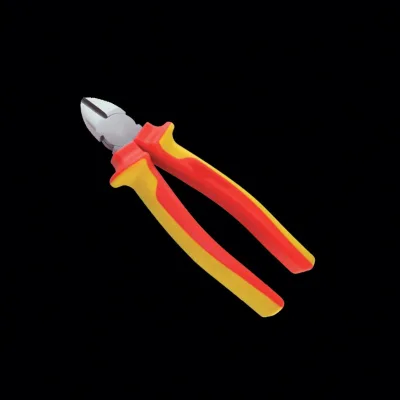
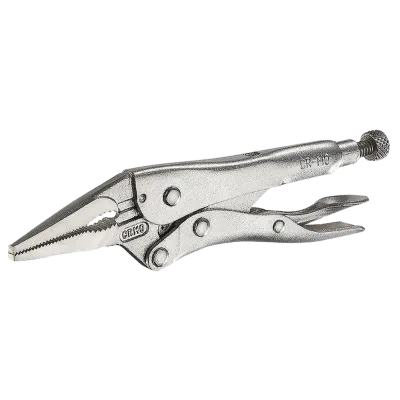
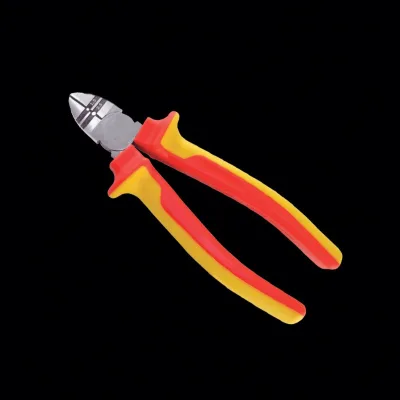
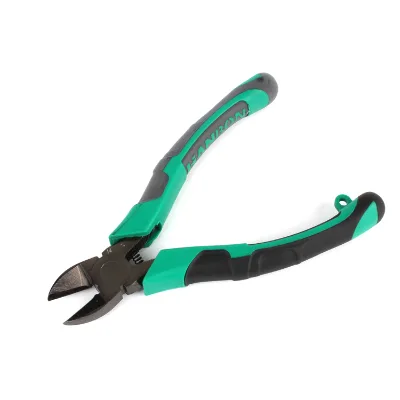
Professional Quality Diagonal Wire Stripper Plier with Plastic Handle and Different Sizes
$5.14 - $7.20
MOQ: 500 Minimum




Comprehensive Sourcing Guide
Strategic Sourcing Guide for ESD-Safe Diagonal Cutting Pliers
The procurement of specialized hand tools for electronics manufacturing requires a rigorous approach to ensure that equipment meets both functional and safety standards. When sourcing diagonal cutting pliers, the primary objective is to identify tools that effectively cut wire while maintaining an Electrostatic Discharge (ESD) safe profile. This guide analyzes the available market data to provide a structured framework for evaluating suppliers, understanding technical specifications, and managing procurement risks. The focus remains on verified attributes observed in current product listings, ensuring that all recommendations are grounded in factual evidence rather than speculation.
Technical Specifications and Material Composition
The foundational requirement for any diagonal cutting plier is the material composition and structural integrity. Based on the observed product data, the market offers tools constructed from High Carbon Steel and Stainless Steel. High Carbon Steel is frequently cited as a primary material, offering the necessary hardness for cutting performance. However, for ESD-safe applications, the material choice must be scrutinized to ensure it does not generate static electricity during operation. Stainless Steel variants are also present in the listings, which may offer superior corrosion resistance, a critical factor for tools used in controlled environments.
The structural design of these tools varies significantly. The data indicates a prevalence of Box Joint and Half-Box Joint structures. A Box Joint structure generally provides greater strength and alignment stability, which is essential for maintaining a clean cut on tough wires. In contrast, the Half-Box Joint design may offer a lighter profile while still providing adequate durability. The shaft style is another critical variable, with observed options including Arched, Crooked, and Straight configurations. The Arched and Crooked shaft styles are often preferred for reaching into tight spaces within electronic assemblies, whereas Straight shafts are typical for general-purpose cutting.
Performance attributes observed in the listings highlight capabilities such as Twisting & Cutting and general Cutting. The specific application age is listed as Adult, confirming these are industrial-grade tools. The handle color varies between Colorful and Pure options, which may be used for color-coding different tool sizes or functions within a workshop. It is important to note that while the data confirms the existence of these features, buyers must verify that the specific ESD-safe claim is supported by the manufacturer's testing data, as the standard material properties alone do not guarantee ESD safety.
Compliance Verification and Certification Standards
One of the most critical aspects of sourcing ESD-safe tools is the verification of compliance with industry standards. The provided context lists several standards, including IEC 61340-5-1, ISO 5746, and ISO 9654. However, the confidence level for these specific certifications in the context of the listed products is marked as low. Therefore, buyers should not assume that any listed product automatically meets these standards based solely on the presence of the standard name in general background data.
The IEC 61340-5-1 standard is the primary international reference for the protection of electronic devices from electrostatic discharge. When evaluating a supplier, the buyer must request specific test reports or certificates that demonstrate the tool's surface resistance and volume resistance fall within the acceptable range defined by this standard. Similarly, ISO 5746 and ISO 9654 relate to hand tool specifications, but their direct application to ESD safety requires careful interpretation.
Buyers should explicitly ask suppliers for documentation proving that the pliers have been tested for ESD safety. This includes verifying that the handles are made from conductive or dissipative materials that prevent static buildup. The absence of a specific certification claim in the product listing does not necessarily mean the product is non-compliant, but it does place the burden of verification on the buyer. Relying on general statements like "Professional Hand Tool" or "High Working Efficiency" is insufficient for ESD-critical environments. The procurement strategy must prioritize suppliers who can provide third-party validation of their ESD claims.
Cost Drivers and Pricing Dynamics
Understanding the cost structure of diagonal cutting pliers is essential for budgeting and negotiation. The observed price range in the market is between $0.39 and $7.20 USD. This wide variance suggests a significant difference in quality, material grade, and feature sets. The lower end of the spectrum likely corresponds to basic models with standard materials and minimal customization, while the higher end may reflect premium stainless steel construction, specialized ESD-safe coatings, or complex joint designs.
Several factors drive these costs. The material type is a primary driver; Stainless Steel tools generally command a higher price than High Carbon Steel equivalents due to the raw material cost and processing requirements. The structure of the tool also influences price, with Box Joint designs often costing more than simpler designs due to the additional manufacturing steps required for alignment and durability. Customization is another significant cost factor. The data confirms that customization is available, including logo customization and specific handle colors. These bespoke features add to the production complexity and unit cost.
The Minimum Order Quantity (MOQ) also plays a crucial role in the effective cost per unit. The observed MOQ range is from 10 to 100,000 units. For small to medium-sized enterprises, an MOQ of 10 or 1000 units may be manageable, but it impacts the per-unit price. Larger orders typically benefit from economies of scale, reducing the cost per tool. However, buyers must balance the savings from bulk purchasing against the inventory holding costs. The packaging method, such as Cartons, OPP+Card+Carton, or individual Cartons, also adds to the overall cost. Buyers should request detailed quotes that break down the cost of the tool, packaging, and any customization fees to ensure transparency.
Typical Applications and Usage Environments
The versatility of diagonal cutting pliers is evident in the diverse applications listed. The data indicates use in Building Decoration and Food Processing, alongside the implied electronics manufacturing context of ESD-safe tools. In Building Decoration, these tools are used for cutting wire, stripping insulation, and crimping connections. The ability to perform Twisting & Cutting makes them suitable for tasks where wire manipulation is required before cutting.
For electronics manufacturing, the application is more specialized. The "Professional Hand Tool" keyword and the specific mention of "Wire Stripping" and "Crimping" suggest these tools are integral to assembly lines. The ESD-safe requirement is paramount in this environment to prevent damage to sensitive electronic components. The tool must be capable of precise cutting without generating static that could discharge into a circuit board. The "Large" size and specific dimensions like 6", 7", 8", 10", and 12" allow for different leverage and reach requirements depending on the specific assembly task.
The "Food Processing" application highlights the need for durability and hygiene. Stainless Steel variants are particularly relevant here due to their resistance to corrosion and ease of cleaning. However, for ESD applications, the focus remains on the electronics sector. Buyers should ensure that the tool's design allows for easy cleaning and maintenance, especially if it is used in environments where dust or debris could compromise the ESD properties of the handles. The "Good" quality rating observed in the data suggests that these tools are generally reliable, but specific performance in harsh environments should be verified through pilot testing.
Supplier Evaluation and Quality Assurance
Evaluating suppliers requires a multi-faceted approach that goes beyond the basic product listing. The data indicates that the origin of these products is China, which is a major manufacturing hub for hand tools. When selecting a supplier, buyers should verify the supplier's capacity to meet the specific quality requirements, such as the "Good" quality rating observed. This rating is a general observation and should be supplemented with specific quality control metrics.
Key evaluation criteria include the supplier's ability to provide consistent product models. The data lists specific model numbers such as 990170, 990168, 990171, 990169, 990023, YN-601X, F0024, and F0027. A reliable supplier should have a stable production line for these models, ensuring that the specifications remain consistent over time. The "OEM" brand name indicates that many suppliers offer private labeling, which is a common practice in the industry. Buyers should assess the supplier's flexibility in handling OEM requests, including logo customization and packaging customization.
Quality control should be a central part of the supplier evaluation process. Buyers should request information on the supplier's internal quality control procedures, including in-process inspections and final testing. The "Warranty: 2" observation suggests that some suppliers offer a two-year warranty, which is a positive indicator of confidence in product durability. However, the terms of this warranty should be clearly defined, including coverage for defects and the process for claims. The "High Working Efficiency" advantage listed should be validated through performance testing, ensuring that the tools maintain their cutting efficiency over extended use.
Long-Term Procurement Considerations
Sourcing ESD-safe diagonal cutting pliers is not just a one-time transaction but a long-term partnership that requires careful planning. The lead times and production capacity of the supplier are critical factors. While specific lead times are not provided in the data, the wide range of MOQs suggests that suppliers have varying production capabilities. Buyers should negotiate lead times that align with their production schedules to avoid stockouts or excess inventory.
The packaging and logistics also play a significant role in long-term procurement. The data mentions various packaging options, including Cartons, Carton, and OPP+Card+Carton. The size of the carton is specified as 45-50-48cm in some cases, and the net weight (N.W) and gross weight (G.W) are listed as 14kgs and 15kgs respectively. These details are essential for calculating shipping costs and optimizing storage space. Buyers should ensure that the packaging is robust enough to protect the tools during transit, especially if they are being shipped internationally.
Sustainability and environmental compliance are increasingly important in procurement. While not explicitly detailed in the data, buyers should inquire about the environmental impact of the manufacturing process and the recyclability of the packaging. The use of High Carbon Steel and Stainless Steel suggests that the tools are durable and long-lasting, which is a positive aspect of sustainability. However, the disposal of the tools at the end of their life cycle should also be considered.
In conclusion, sourcing ESD-safe diagonal cutting pliers requires a balanced approach that considers technical specifications, compliance, cost, applications, supplier reliability, and long-term logistics. By leveraging the observed data and adhering to rigorous verification processes, buyers can ensure they procure tools that meet their specific operational needs while maintaining the highest standards of safety and quality. The wide range of available options allows for customization and flexibility, but the responsibility lies with the buyer to validate all claims and ensure that the selected tools are truly ESD-safe for their intended applications.
FAQs
What materials are used for esd-safe diagonal cutting pliers?
The pliers are constructed from High Carbon Steel or Stainless Steel. High Carbon Steel offers hardness for cutting, while Stainless Steel provides corrosion resistance for food processing or controlled environments.
Which structural designs are available for these cutting tools?
Available structures include Box Joint and Half-Box Joint designs. Box Joint structures provide greater strength and alignment stability, whereas Half-Box Joint designs offer a lighter profile while maintaining durability.
Can I customize the logo and handle color for these pliers?
Yes, customization is available for logos and handle colors. Buyers can request specific handle colors like Pure or Colorful options, and logo customization is supported for branding purposes on the tool.
What are the standard sizes offered for diagonal cutting pliers?
Standard sizes include 6, 7, 8, 10, and 12 inches. Specific models like 990170 and 990168 correspond to these standard dimensions, allowing users to select the appropriate leverage for their tasks.
What is the minimum order quantity for purchasing these tools?
The minimum order quantity ranges from 10 to 100,000 units depending on the supplier. Some listings specify an MOQ of 1000 units, while others may accommodate smaller orders starting at 10 units.
How are these pliers packaged for shipment?
Packaging options include Cartons, individual Cartons, and OPP+Card+Carton combinations. Specific carton sizes may reach 45-50-48cm, with net weights around 14kgs and gross weights near 15kgs for bulk shipments.