Source Ethylene Oxide Sterilized Orthopaedic Padding for casts, splints, and bandages
Compare 30 listings for Ethylene Oxide Sterilized Orthopaedic Padding from Chinese manufacturers. Buyers can review specifications like width, length, and material to find suitable options for medical applications.
Key considerations
Products List
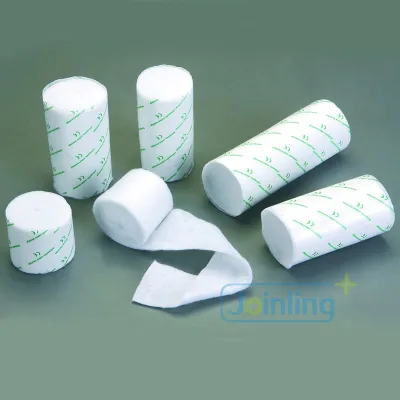


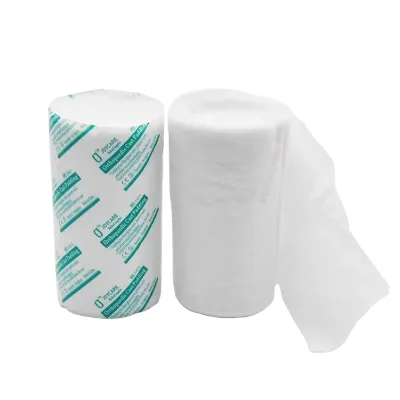


Comprehensive Sourcing Guide
Ethylene Oxide Sterilized Orthopaedic Padding Sourcing Guide
Sourcing Ethylene Oxide Sterilized Orthopaedic Padding requires a careful balance between clinical safety standards and commercial viability. These products serve as critical components in fracture management and post-operative care, providing cushioning and protection for patients while supporting the structural integrity of plaster or fiberglass casts. Buyers must navigate a market where product attributes vary significantly across suppliers, particularly regarding sterilization methods, material composition, and regulatory classifications. The core keyword, Ethylene Oxide Sterilized Orthopaedic Padding, points to a specific subset of medical supplies where sterility is paramount for direct patient contact or use in sterile fields.
This guide focuses on evidence-based procurement strategies for Class I and Class II medical devices that fall under the category of surgical supplies and materials. By examining observed listing signals, technical specifications, and compliance documentation, procurement professionals can mitigate risks associated with inconsistent quality or regulatory non-compliance. The following sections provide a structured approach to evaluating suppliers, verifying product attributes, and establishing long-term supply chain reliability for these essential medical consumables.
Product Scope and Observed Listing Signals
The market for orthopaedic padding presents a diverse range of product configurations, primarily defined by material composition and physical dimensions. Observed listings indicate that materials commonly include polyester, viscose, cotton, and blends such as cotton with spandex. These materials are selected for their absorbency, breathability, and ability to conform to limb contours. The padding is typically available in various widths, ranging from 5cm to 20cm, and lengths that often include 2.7m, 300cm, or 4m rolls. Buyers should note that while some products are labeled as "cast padding," others may be classified more broadly under general medical supplies or bandages, which can impact regulatory oversight and intended use claims.
Sterilization status is a critical differentiator in this product category. While ethylene oxide (EO) sterilization is a key requirement for certain clinical applications, observed data reveals a significant portion of listings explicitly state "Without Ethylene Oxide Sterilization" or "Without Disinfection." This discrepancy highlights the importance of verifying the sterilization method before placing orders. Some suppliers offer EO sterilization, while others provide non-sterile versions, which may be suitable for pre-casting application but not for direct wound contact or sterile procedures. Procurement teams must clearly distinguish between sterile and non-sterile inventory to ensure alignment with clinical protocols and regulatory requirements.
Technical Specifications to Verify
Technical verification begins with confirming the physical dimensions and weight of the padding, as these factors directly influence inventory management and clinical usability. Standard widths observed in the market include 5cm, 7.5cm, 10cm, 12.5cm, 15cm, and 20cm, with corresponding lengths often standardized at 2.7m or 300cm. The weight of the material, measured in grams per square meter (gsm), varies, with common values including 70g, 75g, 80g, and 90gsm. These specifications affect the padding’s thickness, durability, and absorption capacity. Buyers should request detailed specification sheets that confirm these dimensions and weights, as variations can impact the fit and comfort of the final cast or bandage application.
Model numbers and packaging details provide additional layers of verification for product identity and handling. Common model identifiers include JL01208, AC08062000, Asn301, and generic descriptors like "Cast Padding" or "padding." Packaging formats also vary, with options ranging from individual OPP bags and paper poly bags to carton packaging. The single package size is often cited as 20x10x15 cm, with a gross weight of approximately 0.500 kg per unit. Understanding these logistical details is essential for calculating shipping costs, storage requirements, and shelf-life management. Buyers should ensure that the packaging maintains the integrity of the product, especially if sterility is required, and confirm that the packaging materials are compatible with the chosen sterilization method.
Compliance and Safety Documentation
Regulatory classification is a primary compliance indicator, with orthopaedic padding listed as both Class I and Class II medical devices depending on the specific product and jurisdiction. Class I devices generally pose a lower risk and are subject to less stringent controls, while Class II devices require more rigorous oversight, including premarket notification or clearance in some markets. Buyers must verify the instrument classification for each product SKU, as misclassification can lead to regulatory penalties or clinical liability. The product type is often categorized under "Surgical Supplies Materials" or "General Medical Supplies," which further defines the regulatory pathway and documentation requirements.
Certification status provides evidence of quality management systems and product safety. Observed certifications include CE, FDA, ISO, ISO13485, and SGS. The presence of ISO13485 certification indicates that the manufacturer adheres to international standards for medical device quality management systems, which is crucial for ensuring consistent product quality. FDA and CE markings suggest compliance with specific regional regulatory requirements, although buyers should verify the scope of these certifications to ensure they cover the specific product being purchased. It is essential to request valid certificates and confirm their current status, as expired or invalid certifications can compromise the legal and safety standing of the procurement.
Cost Drivers and Commercial Terms
Pricing for orthopaedic padding is influenced by material costs, sterilization processes, and order volume. Observed price ranges in the market span from $0.02 to $1.65 per unit, reflecting the diversity in product specifications and quality levels. The minimum order quantity (MOQ) varies widely, from as low as 1 unit to 100,000 units, allowing for flexibility in procurement strategies. Buyers should consider the trade-off between unit price and MOQ, as larger orders typically yield lower per-unit costs but require greater storage capacity and capital investment. Additionally, the availability of customization options, such as logo printing or specific packaging, may incur additional costs and should be factored into the total cost of ownership.
Commercial terms also include shelf life and stock availability, which impact inventory planning and product freshness. The shelf life for these products is typically three years, providing a reasonable window for distribution and use. However, some listings indicate that stock is not currently available, which may lead to lead time delays. Buyers should establish clear agreements regarding lead times, payment terms, and return policies for defective or expired goods. Understanding these commercial dynamics helps in negotiating favorable terms and ensuring a steady supply of high-quality orthopaedic padding to meet clinical demand.
Supplier Qualification and Quality Control
Supplier qualification involves assessing the manufacturer’s location, production capabilities, and quality control processes. Observed places of origin include Zhejiang, Jiangsu, and Suzhou in China, regions known for their manufacturing expertise in medical supplies. Buyers should verify the supplier’s production capacity and quality control measures, including in-process inspections and final product testing. The use of ethylene oxide sterilization requires specific validation processes to ensure that residual EO levels are within safe limits, which should be documented and reviewed during the qualification phase. Suppliers with robust quality management systems, as indicated by ISO13485 certification, are generally more reliable in maintaining consistent product quality.
Quality control also extends to packaging and labeling accuracy. Buyers should inspect samples for correct labeling, including model numbers, dimensions, material composition, and sterilization status. Mislabeling can lead to clinical errors and regulatory issues, so it is crucial to ensure that all products meet the specified requirements. Additionally, buyers should assess the supplier’s ability to handle customization requests, such as logo printing or specific packaging configurations, without compromising product integrity. Establishing a strong relationship with qualified suppliers through regular audits and performance reviews helps mitigate risks and ensures a consistent supply of high-quality orthopaedic padding.
Long-Term Procurement Checks
Long-term procurement success depends on continuous monitoring of supplier performance and product quality. Buyers should establish key performance indicators (KPIs) related to delivery times, product defect rates, and compliance with regulatory requirements. Regular audits of the supplier’s quality management system and sterilization processes help ensure ongoing compliance and product safety. Additionally, buyers should stay informed about changes in regulatory standards and market trends that may impact the procurement of orthopaedic padding. This proactive approach allows for timely adjustments to sourcing strategies and helps maintain a resilient supply chain.
Feedback from clinical users is another critical component of long-term procurement checks. Clinicians can provide valuable insights into the usability, comfort, and performance of the padding in real-world settings. Incorporating this feedback into supplier evaluations helps identify areas for improvement and ensures that the products meet clinical needs. By maintaining open communication with suppliers and clinical teams, buyers can foster a collaborative environment that prioritizes patient safety and product quality. This holistic approach to procurement management supports sustainable sourcing practices and enhances the overall value of the orthopaedic padding supply chain.
FAQs
What certifications do Ethylene Oxide Sterilized Orthopaedic Padding products hold?
These products typically hold CE, FDA, and ISO certifications. Specific listings confirm CE, FDA, and ISO13485 compliance for medical device regulatory types, ensuring they meet international safety standards for surgical supplies materials.
Which materials are used to manufacture this orthopaedic padding?
Manufacturers use polyester, viscose, cotton, or blends of cotton and spandex. These materials provide the necessary flexibility and absorption required for general medical supplies and bandage applications in orthopaedic treatments.
How is the product size and width specified for this padding?
Standard widths include 5cm, 7.5cm, 10cm, 12.5cm, 15cm, and 20cm. Lengths are commonly available as 2.7m, 300cm, or 4m, allowing customization to fit various patient needs and application scenarios.
Can buyers request customization for the orthopaedic padding?
Yes, customization is available for these medical polymer materials. Buyers can often specify dimensions or packaging requirements, though some items may come without logo printing or specific sterilization depending on the supplier.
What is the shelf life of Ethylene Oxide Sterilized Orthopaedic Padding?
The shelf life is typically three years from the date of manufacture. This duration applies to products stored under recommended conditions, ensuring the material remains effective for its intended medical use.
Which sterilization methods are applied to these orthopaedic padding items?
Some products undergo Ethylene Oxide sterilization while others are without disinfection. Buyers must verify the specific listing, as options range from EO sterilized to non-sterile versions depending on the intended surgical or general use.
What is the typical weight per square meter for this padding?
Weights vary by specification, with common values including 70g, 75g, 80g, and 90gsm. These weights indicate the density of the cotton or polyester blend used in the single package size.