Source Euro I Oxygen Sensor for Toyota, Rolls-Royce, and Diesel Engines
Find and compare 30 Euro I Oxygen Sensor options for diverse automotive applications. Evaluate digital output signals, stainless steel construction, and ISO 9001 certifications to identify suitable parts for Toyota Corolla, Rolls-Royce, and diesel engine systems.
Key considerations
Products List


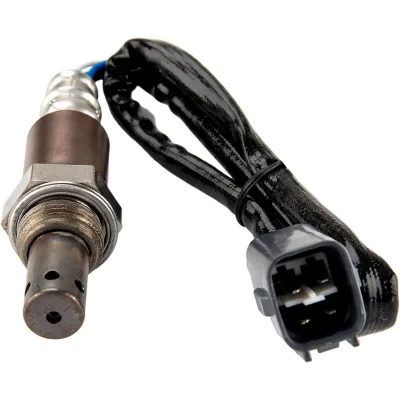


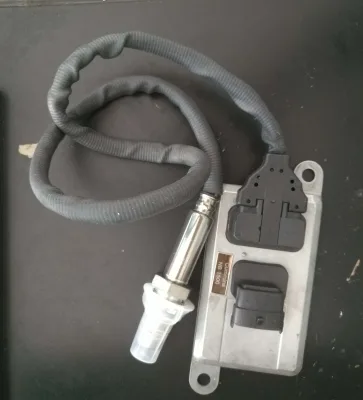


Oxygen Sensor 10097559 O2 Sensor for Pb760 Pb840 Pb980 Ventilator Machine Accessories
$100.00 - $1000.00
MOQ: 1 Pieces


Comprehensive Sourcing Guide
Euro I Oxygen Sensor Sourcing Guide
Procuring an oxygen sensor designed for Euro I emission standards requires a disciplined approach to distinguishing between legacy specifications and modern aftermarket replacements. The core keyword "Euro I Oxygen Sensor" points to a specific regulatory era where emission control systems relied heavily on narrow-band sensing technology to manage fuel-air ratios in older diesel and gasoline engines. Buyers must recognize that while the term "Euro I" defines the emission compliance tier, the physical sensor itself often adheres to specific OE part numbers and connector configurations that vary significantly by vehicle make and model.
The market for these components is characterized by a mix of original equipment manufacturer (OEM) legacy parts and high-quality aftermarket alternatives that claim to meet or exceed original performance. Sourcing decisions should prioritize the compatibility of the sensor's output signal type and terminal quantity with the vehicle's engine control unit (ECU). Since the observed product data includes specific part numbers like 89465-12450 and 0258003330, buyers must verify that the listed item matches the exact electrical interface required by their specific vehicle application, rather than assuming universal fitment based solely on the emission standard.
Product Scope and Observed Listing Signals
When evaluating product listings, buyers should look for explicit references to the sensor's application, such as "For Toyota Corolla" or specific vehicle makes like "Rolls-Royce," to ensure the item is intended for the correct engine management system. The observed data indicates a wide range of product attributes, including "Brand New" condition and "High Quality" aftermarket designations, which serve as initial signals of product integrity. However, the presence of diverse applications in a single listing suggests that buyers must carefully cross-reference the part number and vehicle compatibility before proceeding with a purchase.
The observed listing signals also reveal variations in packaging and origin, with some items noted as having "Standard Packing" or "Carton" packaging and originating from regions like "China" or "Anhui." These logistical details are critical for supply chain planning, as they influence shipping costs and lead times. Buyers should verify that the "Sample" availability is explicitly stated if testing is required before bulk ordering, as the ability to obtain a test unit can significantly reduce the risk of acquiring incompatible or defective sensors for Euro I compliant vehicles.
Technical Specifications to Verify
Technical verification begins with confirming the output signal type, as the observed data specifies "Digital Type" outputs for certain models, which must align with the vehicle's ECU requirements. The terminal quantity is another critical specification, with "4" terminals observed in the data, a configuration that must match the vehicle's wiring harness to ensure proper signal transmission and power delivery. Buyers should also inspect the "Conductivity Type" and "IP Rating," noting that some listings describe "Surface Type" conductivity and "IPMaterial:Metal," which indicates the sensor's resistance to environmental factors and its suitability for harsh under-hood conditions.
Further technical due diligence involves checking the sensor's construction materials and production processes, as the data highlights "Stainless Steel" and "Steel" body materials alongside "SemiConductor Integrated" production methods. These attributes directly impact the sensor's durability and response time, which are essential for maintaining the precise air-fuel ratios required by Euro I standards. Additionally, the "Measurement Range" of "0-100 Vol.% O2" and the "Type" described as "Infrared Gas Sensor" in some listings must be reconciled with the specific sensing technology required for the target engine, as infrared and electrochemical sensors operate on different principles.
Compliance and Safety Documentation
Compliance verification is paramount when sourcing sensors for Euro I vehicles, as these components are integral to meeting emission regulations. The observed data lists multiple certifications, including "ISO9001:2015," "SGS," "CE," "CCC," and "TS16949," which serve as evidence of the manufacturer's adherence to quality management systems and safety standards. Buyers should request copies of these certificates to confirm that the specific batch of sensors being purchased has been tested and certified under the relevant standards, rather than relying on generic claims found in product descriptions.
Safety documentation also extends to the "Discharge Standard," with "Euro IV" noted in some listings, which may indicate a sensor capable of handling stricter emission profiles than the Euro I baseline. While a sensor meeting Euro IV standards might be compatible with a Euro I vehicle, buyers must ensure that the sensor's calibration and response characteristics do not conflict with the older ECU logic. The presence of "E-Mark" certification further validates the component's suitability for use in vehicles intended for the European market, providing an additional layer of assurance regarding regulatory compliance.
Cost Drivers and Commercial Terms
Cost drivers for oxygen sensors are heavily influenced by the complexity of the sensing technology, the materials used in the housing, and the level of customization offered. The observed data indicates a price range of "0.2-1000" USD, reflecting the disparity between basic replacement units and specialized, high-performance sensors with advanced features like "High Sensitivity." Buyers should analyze whether the higher price points correlate with specific value-adds such as "Customization" availability, extended "Warranty" periods, or superior "Aftermarket" quality ratings.
Commercial terms and payment methods are equally critical in the procurement process, with observed options including "T/T," "Western Union," "Paypal," and "Credit Card." The Minimum Order Quantity (MOQ) varies significantly, ranging from "1" to "10000," with a specific observation of "50" units for certain listings. Buyers must negotiate terms that align with their inventory needs, considering that a lower MOQ might be preferable for testing or small fleet maintenance, while higher volumes could unlock better pricing tiers. The "Warranty" period, observed as "1 Year" or "6 months," should also be factored into the total cost of ownership to mitigate the risk of premature failure.
Supplier Qualification and Quality Control
Supplier qualification requires a rigorous assessment of the manufacturer's production capabilities and quality control systems, as evidenced by the "ISO 9001:2000" and "ISO/TS 16949" standards mentioned in the product data. These standards indicate that the supplier has implemented processes to ensure consistent product quality and traceability, which are essential for automotive components that must perform reliably under varying engine conditions. Buyers should verify that the supplier's "Production Process" involves "SemiConductor Integrated" techniques, which suggest a high level of precision in sensor manufacturing.
Quality control checks should also focus on the "Item Condition," ensuring that all delivered units are "Brand New" and free from defects. The "Standard Packing" and "Carton" packaging options observed in the data should be evaluated for their ability to protect the sensors during transit, as physical damage can compromise the sensor's performance. Additionally, the "Sample" availability mentioned in the listings provides a practical method for buyers to conduct their own quality control tests before committing to a larger order, ensuring that the sensor meets the specific performance requirements of the Euro I application.
Long-Term Procurement Checks
Long-term procurement success depends on establishing a reliable supply chain that can consistently deliver sensors meeting the required technical and compliance specifications. Buyers should monitor the "Warranty" terms and the supplier's responsiveness to claims, as a "1 Year" or "6 months" warranty period indicates the manufacturer's confidence in their product's longevity. Regular audits of the supplier's certification status, such as "ISO9001:2015" and "CE," are necessary to ensure that the quality management systems remain active and compliant with evolving industry standards.
Finally, buyers must maintain a proactive approach to inventory management and performance tracking, as the "Aftermarket" quality of the sensors can vary over time. By keeping detailed records of part numbers, such as "89465-12450" and "0258003330," and correlating them with vehicle performance data, buyers can identify any trends in sensor failure or compatibility issues. This data-driven approach allows for continuous improvement in the sourcing strategy, ensuring that the Euro I oxygen sensors remain a reliable component in the vehicle's emission control system over the long term.
FAQs
What is the part number for the oxygen sensor?
The part number for this oxygen sensor is 89465-12450. It is designed specifically for Toyota Corolla vehicles and features a digital output signal type with four terminals for reliable connection.
Can I get a customized version of this sensor?
Yes, customization is available for this oxygen sensor. The product supports custom specifications and is offered as a brand new item with a one-year warranty for your specific application needs.
Which certifications does the manufacturer hold?
The manufacturer holds ISO9001:2015, SGS, and CE certifications. Additional standards include CCC, E-Mark, and TS16949, ensuring the product meets rigorous quality and safety requirements for automotive use.
How much is the minimum order quantity?
The minimum order quantity is 50 units for this oxygen sensor. Buyers can negotiate payment via T/T, Western Union, Paypal, or Credit Card, and samples are available for testing purposes.
What material is the sensor housing made of?
The sensor housing is constructed from stainless steel and white ABS materials. This durable construction ensures high sensitivity and protection against environmental factors while maintaining standard packing for safe transport.
Where is the product manufactured?
The product originates from China, with specific production facilities located in Anhui. It follows standard production processes and meets ISO 9001:2000 and ISO/TS 16949 standards for quality assurance.