Source Euro V Steel Exhaust Catback for BMW M3, M4, and M8
Find and compare 30 Euro V Steel Exhaust Catback options for BMW M3, M4, and M8 models. Buyers can review specifications like material, thickness, and fitment types from verified suppliers in China.
Key considerations
Products List


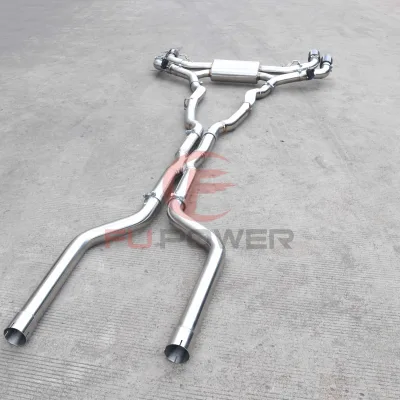
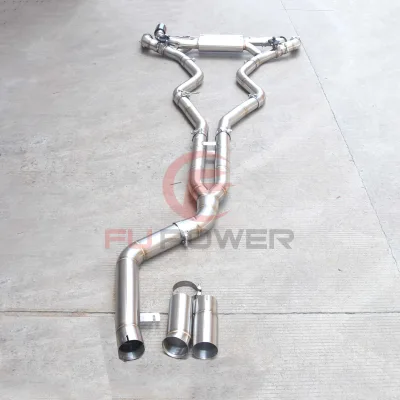
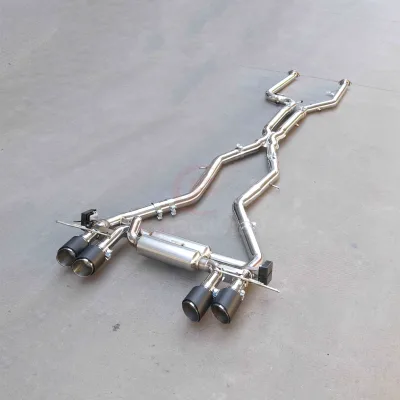
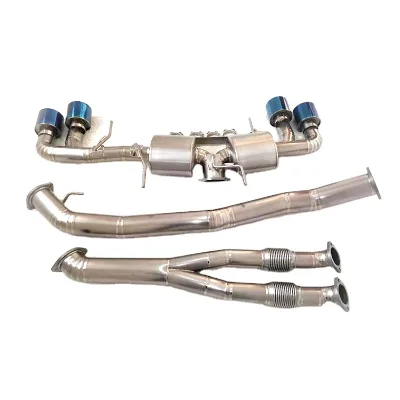
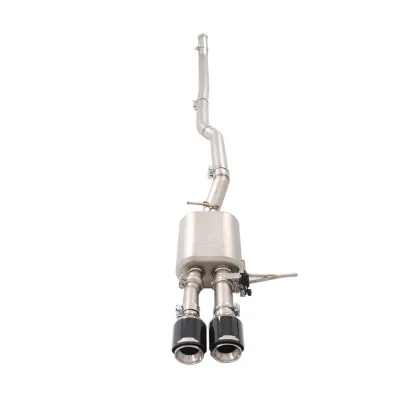
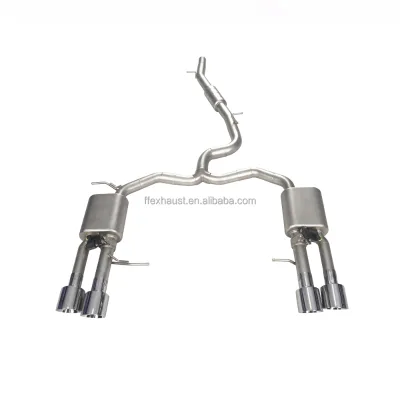
304 Stainless Steel Exhaust Catback for BMW M3 M4 G80 G82 S58 Axleback
$450.00 - $515.00
MOQ: 5 Pieces

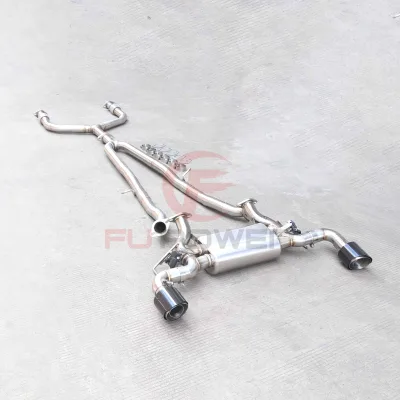
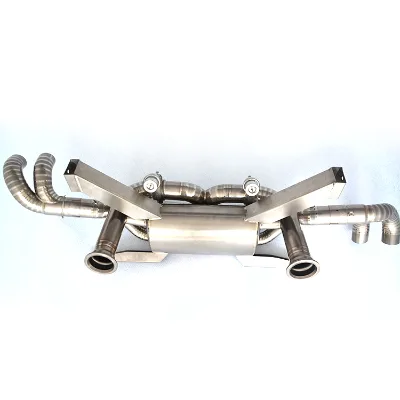
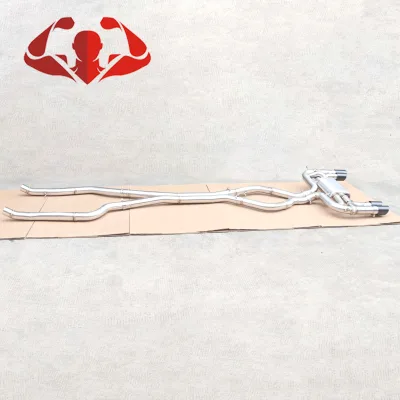
Jagrow Performance 304 Stainless Steel Exhaust Catback for Ferrari F12
$950.00 - $1200.00
MOQ: 1 Pieces






Comprehensive Sourcing Guide
Strategic Sourcing Guide for Euro V Steel Exhaust Catback Systems
The global automotive aftermarket continues to demand high-performance exhaust solutions that balance acoustic optimization with strict environmental compliance. For procurement professionals targeting the specific niche of Euro V Steel Exhaust Catback systems, the sourcing landscape requires a nuanced understanding of material science, regulatory frameworks, and supply chain reliability. The core keyword "Euro V Steel Exhaust Catback" points to a specialized component designed to replace the stock exhaust system from the catalytic converter back to the tailpipe, adhering to the Euro V emission standards while utilizing steel as the primary construction material. This guide synthesizes available market data to provide a disciplined approach for evaluating potential suppliers and products, ensuring that procurement decisions are grounded in verified facts rather than speculative marketing claims.
Technical Specifications and Material Composition
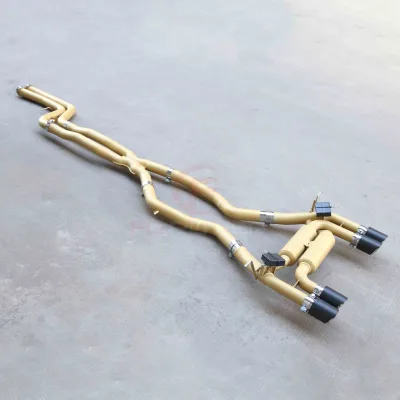
When sourcing a steel exhaust catback, the primary technical differentiator lies in the specific alloy composition and manufacturing tolerances. The supplied product data indicates a prevalence of 304 Stainless Steel and, in some high-performance variants, a combination of 304 Stainless Steel with Titanium Alloy. This distinction is critical for buyers, as 304 Stainless Steel offers a robust balance of corrosion resistance and cost-effectiveness, making it the standard for general performance upgrades. However, the presence of Titanium Alloy in certain listings suggests a tier of products designed for extreme weight reduction and thermal resistance, which may command a different price point and serve different application profiles.
The physical dimensions and structural integrity of the exhaust system are equally vital. Observed specifications include a thickness of 1.5 mm, a metric that directly correlates to the system's durability and acoustic properties. Thinner gauges may reduce weight but can compromise longevity under high-temperature conditions, while thicker gauges offer superior sound dampening and resistance to heat warping. Furthermore, the finish quality is a key observable attribute; listings describe a "Smooth" finish, which is essential for preventing rust accumulation and ensuring a clean aesthetic for the end-user. The product models identified in the market data are highly specific, targeting platforms such as the BMW M3, M4 (F80/F82), M850i (G15), and M340i (G20/G22). This specificity implies that a "universal" fitment claim must be rigorously verified against the vehicle's chassis geometry, as the data also lists "Universal" as a fitment type alongside specific model numbers.
| Attribute | Observed Value | Procurement Implication |
|---|---|---|
| Primary Material | 304 Stainless Steel | Standard corrosion resistance; verify grade for high-heat zones. |
| Alternative Material | 304 Stainless Steel/Titanium Alloy | Premium option for weight savings; requires higher budget verification. |
| Wall Thickness | 1.5 mm | Indicates a mid-range durability profile; confirm consistency across batches. |
| Surface Finish | Smooth | Ensures aesthetic quality and reduces debris adhesion; check for coating options. |
| Coating Options | Raw, Ceramic Coating | Ceramic coating adds thermal protection; verify application consistency. |
| Model Fitment | BMW M3, M4, M850i, M340i | High specificity required; avoid generic "one-size-fits-all" claims without validation. |
Compliance and Certification Verification
Navigating the regulatory landscape for exhaust systems is paramount, particularly when the core keyword includes "Euro V." The Euro V standard represents a specific set of emission limits for nitrogen oxides (NOx) and particulate matter that were mandatory in the European Union for certain vehicle categories. While the product data explicitly lists "Euro V" as a discharge standard, buyers must treat this as an observation of the product's intended compliance rather than an automatic guarantee for every unit. The verification process must extend beyond the label to include third-party certification.
The supplied facts highlight two distinct certification types: ISO9001 and ISOCE. ISO9001 is a widely recognized quality management standard that indicates the supplier has established processes for consistent manufacturing and quality control. This is a foundational requirement for any serious procurement. The mention of "ISOCE" in the context of an exhaust pipe suggests a compliance mark, potentially related to European conformity, though the exact scope should be confirmed with the supplier's documentation. Buyers should request valid, current certificates for both standards before placing an order. It is also important to note that while the "Discharge Standard" is listed as Euro V, the "Product Standard" is sometimes noted simply as "Standard" or associated with specific dimensions like 1427732. This discrepancy underscores the need for buyers to verify that the specific batch being purchased meets the Euro V emission requirements for the target market, as standards can vary by region and vehicle class.
Cost Drivers and Pricing Dynamics
The pricing for Euro V Steel Exhaust Catback systems exhibits a significant variance, with observed listed prices ranging from 20 to 1580 USD. This wide range is not indicative of a single product category but rather reflects the diversity in material composition, brand positioning, and complexity of the system. The lower end of the spectrum likely corresponds to basic 304 stainless steel units with minimal branding or simpler manufacturing processes. In contrast, the higher price points are associated with premium materials like Titanium Alloy, complex fitments for high-performance models like the BMW M850i, or systems featuring advanced finishes such as ceramic coating.
Several factors drive these costs. First, the material cost of 304 Stainless Steel versus Titanium Alloy creates a substantial baseline difference. Second, the "Customization" attribute listed in the data suggests that bespoke solutions or specific model adaptations incur additional engineering and tooling costs. Third, the packaging and logistics play a role; observed single package sizes vary from 86x42x42 cm to 120x60x60 cm, and gross weights range from 5.000 kg to 20.000 kg. Heavier and larger packages increase shipping costs, which are often factored into the final unit price. Buyers should be wary of prices that seem too low, as they may indicate inferior material grades or a lack of necessary certifications. Conversely, the highest prices should be scrutinized to ensure they align with the specific performance claims and material specifications offered.
Typical Applications and Fitment Requirements
The application of these exhaust systems is heavily tied to specific vehicle platforms, as evidenced by the detailed model numbers in the product data. The primary use case is for retrofit and upgrade purposes, allowing vehicle owners to enhance the performance and sound profile of their automobiles. The data explicitly mentions fitment types such as "Performance/Custom" and "Universal," yet the model numbers provided are highly specific to BMW chassis codes like G80, G82, F80, F82, and G15. This indicates that while the market offers "universal" options, the most reliable and high-performance solutions are engineered for specific engine families, such as the S55, B58, and B48 engines found in the M3, M4, and M340i models.
Buyers must carefully match the "Part Number" and "Model Number" to the vehicle's VIN or chassis code. For instance, a part number like "X5M-14" or "F80-12S" suggests a tailored solution for a specific vehicle variant. The "Condition" is listed as "New," and the "Purpose" is defined as "for replace/repair" or "for retrofit/upgrade." This distinction is important for procurement; a system intended for repair might have different tolerances than one designed for a performance upgrade. The "Main Market" is identified as Europe, which reinforces the necessity of Euro V compliance. However, buyers sourcing for other regions must verify if the Euro V standard is sufficient or if local regulations require different emission ratings. The "Noise Source" is noted as "Automobile Chassis Noise" and "Aerodynamic Noise," suggesting that these systems are designed to manage the acoustic environment of the vehicle, which is a key selling point for performance enthusiasts.
Supplier Evaluation and Quality Assurance
Evaluating suppliers for exhaust catback systems requires a multi-faceted approach that goes beyond the initial product listing. The data indicates that the "Product Origin" is China, which is a common manufacturing hub for automotive components. However, the country of origin does not dictate quality; rather, the supplier's adherence to standards does. The presence of "ISO9001" certification is a strong indicator of a supplier's commitment to quality management. Buyers should verify that this certification is current and covers the specific manufacturing facilities producing the exhaust systems.
Quality control is further evidenced by attributes such as "100% Tested" and "High Performance." These claims should be backed by test reports or quality assurance protocols. The "Single gross weight" varies significantly, from 5.000 kg to 20.000 kg, which can serve as a proxy for material density and build quality. A unit that is significantly lighter than expected for its dimensions might indicate the use of thinner gauge steel or hollow sections that could compromise durability. Additionally, the "Packing" method, described as "Carton" or "Netural Packing," is crucial for protecting the product during transit. Steel exhaust systems are prone to scratching and denting; proper packaging ensures the "Smooth" finish remains intact upon arrival.
Buyers should also assess the supplier's ability to handle "Customization." The data lists "Customization: Available," which implies flexibility in design or branding. This is a valuable capability for buyers looking to create private-label products or meet specific engineering requirements. However, customization introduces complexity into the supply chain, and buyers must ensure that the supplier has the capacity to maintain quality standards while accommodating these changes. The "Brand Name" Fupower is mentioned, but buyers should not rely on brand recognition alone; independent verification of the brand's track record and customer feedback is essential.
Long-Term Procurement Considerations
Sourcing exhaust systems is not merely a transactional activity but a long-term partnership that impacts the end-user's satisfaction and the buyer's reputation. The "Lead Time" and "MOQ" (Minimum Order Quantity) are critical logistical factors. While specific lead times are not provided in the data, the observed MOQ range of 1 to 50 units suggests flexibility for both small-scale retailers and larger distributors. Buyers should negotiate terms that align with their inventory turnover rates to avoid overstocking or stockouts.
The "Condition" of the product being "New" and the "Purpose" of "replace/repair" highlight the importance of warranty and after-sales support. Buyers should inquire about the supplier's policy on defective units, especially given the "100% Tested" claim. A robust quality control process should minimize defects, but a clear return or replacement policy is necessary for handling any anomalies. Furthermore, the "Main Market" being Europe implies that the supply chain must be capable of meeting European delivery timelines and regulatory requirements.
Finally, buyers must consider the lifecycle of the product. The "Material" of 304 Stainless Steel offers good longevity, but the "Finish" and "Coating" options (Raw, Ceramic Coating) will affect the product's lifespan in harsh environments. Buyers should evaluate whether the cost of ceramic coating is justified by the expected increase in durability and customer satisfaction. As the automotive industry evolves, the demand for high-performance, compliant exhaust systems is likely to grow. Establishing a relationship with a supplier who can consistently deliver high-quality, Euro V-compliant steel catback systems will position the buyer for success in this competitive market. By focusing on verified specifications, rigorous certification checks, and clear communication regarding customization and logistics, procurement professionals can mitigate risks and ensure a steady supply of premium exhaust components.
FAQs
What materials are used for Euro V Steel Exhaust Catback systems?
The primary material is 304 Stainless Steel, with some high-performance variants combining it with Titanium Alloy. This composition ensures corrosion resistance and durability while meeting Euro V emission standards for the European market.
Which certifications should I verify for these exhaust systems?
You should verify ISO9001 for quality management and ISOCE for product compliance. These certifications indicate that the manufacturer follows established processes and meets specific European conformity requirements for the exhaust components.
How thick are the walls of the steel exhaust catback pipes?
The observed wall thickness for these systems is 1.5 mm. This gauge provides a balance between weight reduction and structural integrity, ensuring the exhaust can withstand high temperatures without warping under normal operating conditions.
Can I find customization options for specific BMW models?
Yes, customization is available for specific models like the BMW M3, M4, and M850i. Buyers can request tailored solutions for chassis codes such as F80, F82, and G15 to ensure a precise fit for performance upgrades.
What is the typical price range for these exhaust systems?
The listed price range spans from 20 to 1580 USD depending on the material and complexity. Basic 304 stainless steel units are at the lower end, while premium options with titanium alloy or ceramic coating command higher prices.
Which countries manufacture these euro v steel exhaust catbacks?
The product origin is listed as China for the majority of these exhaust systems. Buyers should verify that Chinese manufacturers hold valid ISO9001 certification to ensure consistent quality and adherence to the specified Euro V discharge standards.