Source Excavator Cutting Edge End Bits for Construction Mining
Compare 30 Excavator Cutting Edge End Bits from verified suppliers. These heavy-duty parts suit bulldozers, excavators, and loaders with customizable options and various material grades like Hardox and Boron Steel; compare the available evidence and request quotations based on your requirements.
Key considerations
Products List


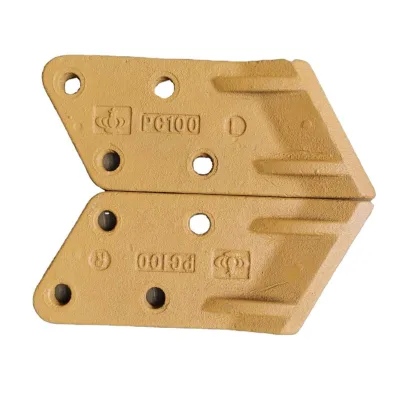
High Quality Loader Grader Dozer Excavator Cutting Edges End Bits Blades
$20.00 - $55.00
MOQ: 2 Pieces


Comprehensive Sourcing Guide
Excavator Cutting Edge End Bits Sourcing Guide
Buyers must first distinguish between the specific machine types supported by the available inventory, as the market offers solutions for dozers, excavators, loaders, and skid steers. The observed product range includes models explicitly designed for mining excavators and general construction equipment, with specific part numbers like 9F7076 and 7T6588 indicating compatibility with heavy-duty shank systems. Understanding these model distinctions is critical before initiating contact, as a mismatch between the machine tonnage and the cutting edge specification can lead to premature failure or operational downtime.
Procurement teams should also verify the physical dimensions and weight constraints of the components to ensure they fit the existing machinery without requiring structural modifications. Listings indicate standard weights ranging from 33.2 kilograms to 90 kilograms, with specific thicknesses observed at 30 millimeters and 35 millimeters for various models. Buyers need to cross-reference these physical attributes against their equipment manuals to confirm that the selected end bits will withstand the specific load and impact forces of their intended application, whether it involves light grading or aggressive mining excavation.
Product Scope and Observed Listing Signals
The market for these components demonstrates significant variability in raw material composition, ranging from specialized boron steel to high-grade alloys like Q345, Q460, and Hardox400. This diversity allows suppliers to offer products tailored to different wear conditions, but it requires buyers to explicitly request material certificates to validate the hardness and toughness claims. The presence of customization options for logos and colors suggests that many manufacturers are prepared to produce OEM-specific parts, yet the core material integrity must remain the primary focus of the initial inquiry.
Visual and packaging signals also provide insight into the supplier's operational maturity, with options ranging from standard packages to wooden boxes treated for mandatory export requirements. The observed color options, typically black or yellow, serve as visual identifiers for safety and brand recognition, but the physical shape, such as curved designs, is a more critical factor for performance. Buyers should scrutinize the packing method to ensure it protects the hardened edges during transit, as damage to the cutting surface before installation can render the component useless regardless of its intrinsic quality.
Technical Specifications to Verify
Hardness and depth of case hardening are the most critical technical parameters that determine the service life of the cutting edge in abrasive environments. Verified data indicates a surface hardness range of HRC52 to HRC58 with a hardness depth of 8 to 12 millimeters, which is essential for resisting the extreme wear associated with mining and heavy construction. Procurement professionals must insist on test reports confirming these specific ranges, as generic claims of "high quality" are insufficient to guarantee that the component will maintain its edge under the high-impact conditions typical of excavator operations.
The manufacturing process and alloy composition directly influence the structural integrity of the end bits, with casting technology and materials like 42CrMo being common in the observed listings. Buyers should verify that the production method aligns with the required toughness for their specific application, as brittle materials may shatter under shock loads while overly soft materials will wear down too quickly. Additionally, the compatibility of the shank system, such as the D22mm standard, must be confirmed to ensure a secure fit that prevents loosening during operation, which is a common cause of equipment damage.
Compliance and Safety Documentation
Certification status serves as a baseline indicator of a supplier's adherence to international management and safety standards, with ISO9001 and CE marks frequently appearing in product listings. These certifications suggest that the manufacturer has established quality control systems and meets specific safety requirements for machinery components, but buyers should request valid, current certificates rather than relying on marketing claims. Verifying the scope of these certifications ensures that the specific production facility and product line in question are covered, providing a layer of assurance regarding the consistency of the manufacturing process.
Safety documentation must also address the working conditions and the intended application environment to ensure the component is suitable for the specific job site hazards. The observed listings mention construction and heavy-duty applications, implying that the parts are designed to withstand the rigors of earthmoving and excavation. Buyers should require documentation that confirms the product is new and meets the necessary safety standards for use in active work zones, ensuring that the equipment does not pose a risk of failure that could endanger operators or damage the host machinery.
Cost Drivers and Commercial Terms
Pricing in this sector is heavily influenced by the raw material costs of high-grade steels and the complexity of the heat treatment processes required to achieve the specified hardness levels. The observed price range spans from 0.8 to 2000 USD, reflecting the vast difference between small end bits and large, heavy-duty cutting edges for massive mining excavators. Buyers must understand that the lowest price often correlates with lower material grades or thinner hardness depths, necessitating a total cost of ownership analysis that factors in replacement frequency and downtime costs rather than just the initial unit price.
Commercial terms regarding delivery and minimum order quantities are equally critical for supply chain planning, with observed MOQs ranging from one to one hundred units and delivery options including air and sea freight. The lead time and shipping method will significantly impact the overall cost and the ability to maintain continuous operations, especially for critical spare parts needed in remote locations. Procurement teams should negotiate terms that balance the cost of expedited shipping with the inventory holding costs, ensuring that the supply chain remains resilient against potential disruptions in the global logistics network.
Supplier Qualification and Quality Control
Supplier qualification should extend beyond basic certifications to include a review of their manufacturing capabilities and quality control protocols for custom orders. The availability of customization for logos and specific models indicates a flexible production environment, but buyers must verify that the supplier has the technical expertise to maintain strict tolerances and material consistency across different batches. Requesting samples or third-party inspection reports before placing large orders is a prudent step to validate that the supplier can consistently deliver parts that meet the specified hardness and dimensional requirements.
Quality control processes must also address the condition of the product upon arrival, ensuring that items are free from defects such as cracks or improper heat treatment. The observed listings emphasize "OEM Quality" and "New" conditions, but these claims require independent verification through rigorous incoming inspection protocols. Buyers should establish clear acceptance criteria based on the technical specifications provided, including visual inspections for surface defects and non-destructive testing to confirm the integrity of the welds and the hardness profile of the material.
Long-Term Procurement Checks
Establishing a long-term partnership requires regular performance reviews to ensure that the supplied components continue to meet the demanding requirements of heavy-duty applications over time. Buyers should track the service life of the cutting edges in the field, comparing actual wear rates against the expected performance based on the material specifications and hardness data. This data-driven approach allows for the identification of any degradation in supplier quality or changes in material composition that could compromise the reliability of the equipment.
Continuous communication with the supplier regarding updates in technology and material standards is essential for maintaining a competitive edge in procurement. As the industry evolves, new alloys or manufacturing techniques may offer improved durability or cost efficiency, and a proactive buyer will stay informed about these developments. Regular audits and feedback loops ensure that the supplier remains aligned with the buyer's operational needs, fostering a relationship that prioritizes reliability and performance over short-term cost savings.
FAQs
What materials are commonly used for Excavator Cutting Edge End Bits?
Common materials include boron steel, 42CrMo, and wear-resistant grades such as Q345, Q460, NM360, NM400, WH60, and Hardox400. Material choice affects wear life and impact resistance in construction and heavy duty applications. Buyers should match the steel grade to their working condition, since mining and heavy excavation demand higher hardness and toughness than lighter loading or grading tasks.
How is surface hardness specified for cutting edge end bits?
Surface hardness is typically specified in the HRC52-58 range, with a hardened depth of about 8-12mm. This combination gives a wear-resistant surface over a tougher core, reducing cracking under impact. When comparing options, ask for hardness depth as well as surface hardness, because a thin hardened layer can wear through quickly on abrasive ground such as gravel, rock, or compacted soil.
Which excavator sizes can these end bits suit?
Listed suitability covers machines from around 1 ton up to 70 ton, including 1.2ton, 2ton, 15ton, 20ton, 35ton, and 70ton classes. End bits are also offered for dozers, loaders, graders, and skid steers. Confirm the part number, mounting hole pattern, and machine model before ordering, since dimensions such as 381mmX203mmX19mm or 600mmX280mmX35mm must match your blade assembly.
Can cutting edge end bits be customized in color, logo, or packing?
Yes, customization is generally available. Colors can be supplied in black, yellow, or a customized option, and logos can carry the maker marking or a customer brand. Packing options include standard packaging, wooden boxes, or wooden packaging after mandatory treatment, and arrangements can follow customer requirements. Confirm customization scope, marking rules, and packing costs with the seller before placing an order.
How are end bits packed and shipped for export orders?
Typical packing includes standard packaging, wooden boxes, or wooden packaging after mandatory treatment, with alternatives arranged according to customer requirements. Shipping is available by air or by sea, so sea freight suits heavy batches while air freight works for urgent small quantities. Weights vary widely, from around 17kg to 90kg per piece, so confirm gross pallet weight for accurate freight costing.
What certifications and quality levels should buyers expect?
Relevant certifications on this category include CE and ISO9001, and items are commonly described as OEM quality with new condition. Certification indicates the production system is audited, but you should still request material certificates and hardness test records for the batch. For mining excavator parts and other heavy duty uses, verify that the specified steel grade and hardness depth match your operating conditions before ordering.