Source Excavator Camshaft Position Sensor for mining, construction, and agriculture
Find and compare 30 Excavator Camshaft Position Sensor options from verified suppliers in China. Buyers can review specifications, prices, and lead times for models compatible with Caterpillar and other heavy machinery applications.
Key considerations
Products List
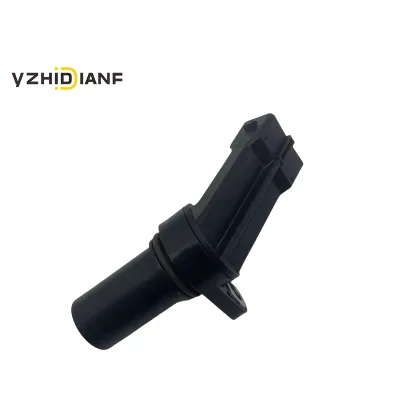
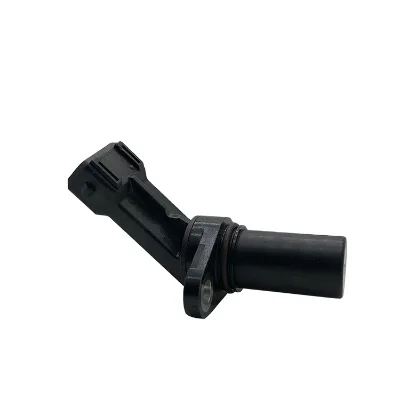
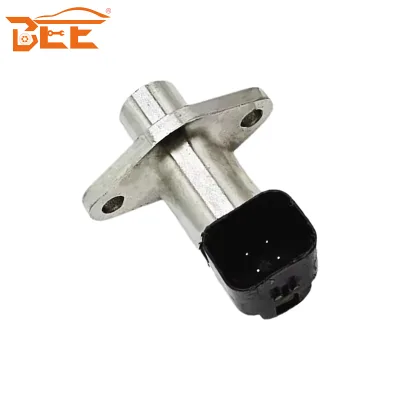


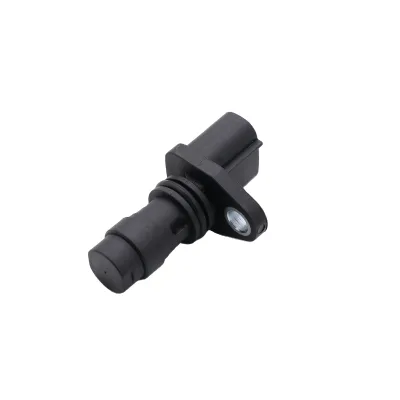
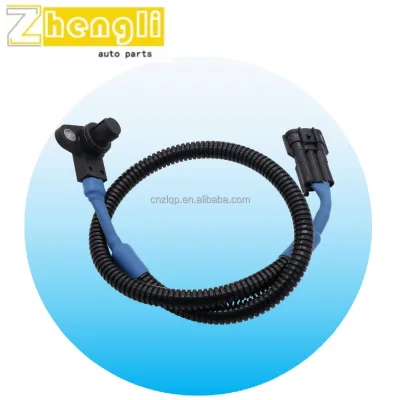
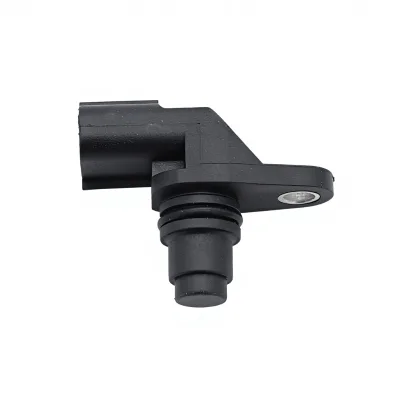

4921599 High Quality Engine Camshaft Position Sensor for Heavy Duty Truck
$15.00 - $40.00
MOQ: 1 Pieces


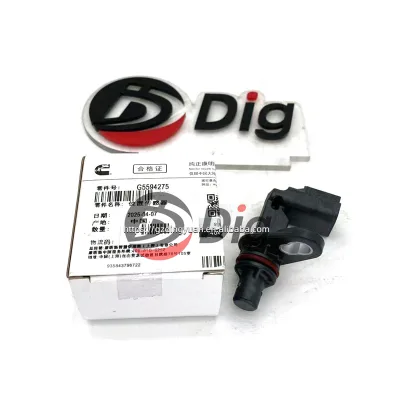


Comprehensive Sourcing Guide
Strategic Sourcing Guide for Excavator Camshaft Position Sensors
Understanding Component Variability and Technical Specifications
When sourcing an Excavator Camshaft Position Sensor, the primary challenge lies in the significant variability of technical specifications across different manufacturers and equipment models. The market does not offer a single universal part; rather, it presents a diverse array of sensors designed for specific engine architectures and control systems. Buyers must recognize that attributes such as the model number, physical dimensions, and electrical ratings are critical identifiers that dictate compatibility. For instance, observed product data indicates that specific transmission speed sensors and crankshaft position sensors exist with model numbers like 11442694, while other variants are designated by pressure ratings such as 10Bar or specific OE numbers like 358-2398. This diversity underscores the necessity for precise verification before procurement.
The physical and electrical characteristics of these sensors vary widely. Some units are packaged in compact dimensions of 5x5x10 cm with a gross weight of 0.350 kg, suitable for lighter duty applications, while others designed for heavy machinery like Caterpillar equipment may feature larger packaging of 20x20x20 cm and a weight of 1.000 kg. Electrical specifications are equally critical; some sensors operate with a rated current of 1A and a conducting power of less than 5W, whereas others may have different power requirements. The operating temperature range is another vital parameter, with some units verified to function between -25°C and 120°C. Buyers must not assume that a sensor labeled as a "camshaft sensor assembly" will fit every excavator model without cross-referencing the specific engine requirements. The material composition also plays a role, with aluminum alloy being a common choice for durability in harsh environments.
Compliance, Certification, and Quality Standards
In the heavy machinery sector, compliance with international quality standards is not merely a formality but a prerequisite for operational safety and longevity. When evaluating potential suppliers, buyers should prioritize those who can demonstrate adherence to recognized industry certifications. One notable standard observed in the supply chain is IATF 16949, which specifically addresses quality management systems for the automotive and related parts industry. Suppliers claiming strict adherence to this standard suggest a rigorous approach to defect prevention and process control. Additionally, regional certifications such as CCC (China Compulsory Certification) may be relevant for products manufactured in or destined for specific markets.
Quality assurance processes are often highlighted in product descriptions, with claims of "100% tested" or "100% test and high performance" being common. While these statements indicate a commitment to quality, buyers must verify the specific testing protocols employed. Does the testing cover electrical continuity, signal accuracy under load, and environmental resistance? The presence of a warranty period, such as 6 months or 12 months, often serves as a proxy for the manufacturer's confidence in their product's reliability. However, the warranty terms should be scrutinized to understand what is covered, including potential exclusions for improper installation or environmental damage. The "Quality Class" is sometimes listed as "High Quality," but this is a subjective term that requires objective verification through third-party testing or detailed quality reports.
Cost Drivers and Pricing Dynamics
The pricing of excavator camshaft position sensors is influenced by a complex interplay of factors, including material costs, manufacturing complexity, and supply chain logistics. The observed price range in the market spans from 1 to 100 USD, reflecting the vast difference between basic sensors and high-performance, specialized units. Several key drivers contribute to this variance. First, the complexity of the internal electronics and the precision required for signal generation can significantly impact the base cost. Second, the material used, such as aluminum alloy versus standard plastics or metals, affects the final price. Third, the level of customization available, such as specific wiring harnesses or connector types, adds to the manufacturing expense.
Minimum Order Quantity (MOQ) requirements also play a crucial role in the total cost of ownership. While some suppliers may offer low MOQs starting at 1 piece, others might require orders of 10 pieces or more. The observed MOQ range in the market extends from 1 to 200 units. For small repair shops or individual mechanics, a low MOQ is essential to avoid overstocking, whereas fleet operators may benefit from higher volume purchases that often come with discounted unit prices. Payment terms, such as T/T (Telegraphic Transfer), are standard but can influence cash flow and overall transaction costs. Buyers should also consider the "Selling Units," which are typically listed as single items, meaning that pricing is often per unit rather than per batch, requiring careful calculation of total procurement costs.
Typical Applications and Equipment Compatibility
Excavator camshaft position sensors are integral to the engine management systems of heavy machinery, ensuring precise timing for fuel injection and ignition. These sensors are primarily used for retrofit and upgrade purposes, allowing operators to replace worn-out components or upgrade older machinery with more efficient parts. The applications are diverse, ranging from general car parts to specialized heavy equipment. For example, specific sensors are designed for Caterpillar excavators, indicating a high level of specialization for major brands. The "Car Make" attribute, while sometimes listed as "Speed Sensor" or "Crankshaft Position Sensor," must be carefully interpreted to ensure it matches the specific engine type of the excavator in question.
The versatility of these sensors is evident in their varied applications. Some are marketed as "Oil Pressure Sensors" or "Oil Pressure Gauge Sensors," suggesting a dual-functionality or a close relationship with engine monitoring systems. The "Purpose" is often explicitly stated as being for retrofit or upgrade, highlighting their role in maintenance and modernization. Buyers must be aware that a sensor labeled for a specific application, such as a transmission speed sensor, may not be directly interchangeable with a camshaft position sensor without significant modification or verification. The "Type" of sensor, whether it is a camshaft sensor assembly or a standalone unit, dictates its installation requirements and compatibility with the existing engine control unit (ECU).
Supplier Evaluation and Geographic Considerations
Evaluating suppliers requires a keen eye on their geographic origins and production capabilities. The supply chain for these components is heavily concentrated in China, with specific provinces like Guangdong, Fujian, and Zhejiang emerging as key manufacturing hubs. Each region may have different specializations; for instance, Guangdong is noted for certain transmission sensors, while Fujian and Zhejiang are associated with other variants. The "Place of Origin" is a critical piece of information that can influence lead times, shipping costs, and the overall reliability of the supply chain. Buyers should verify the specific location of the manufacturer to ensure it aligns with their logistical needs and risk tolerance.
Brand reputation and product descriptions also serve as indicators of supplier reliability. Brands such as YZHIDIANF, GuangLing, and BEE are observed in the market, each potentially offering different levels of quality and support. The "Brand Name" should be cross-referenced with the specific product attributes to ensure consistency. For example, a sensor from BEE might be marketed with a 12-month warranty and IATF16949 certification, while another from GuangLing might focus on high-quality oil pressure sensing. Buyers should avoid making assumptions about brand superiority without verifying the specific product claims against their own operational requirements. The availability of "Neutral Packaging" suggests a focus on cost-efficiency and flexibility, allowing buyers to rebrand or distribute the products as needed.
Quality Control and Long-Term Procurement Strategies
Ensuring consistent quality in the procurement of excavator camshaft position sensors requires a robust quality control strategy. The "Quality" attribute is frequently listed as "100% tested," but buyers must demand evidence of these tests, such as test reports or certificates of analysis. The "Single gross weight" and "Single package size" are useful for logistics planning but also serve as indicators of the product's build quality; significant deviations from expected weights or dimensions may signal manufacturing inconsistencies. The "Delivery time" of 2-5 days suggests a responsive supply chain, but buyers should verify if this applies to stock items or requires production lead times.
For long-term procurement, establishing a relationship with suppliers who offer customization is advantageous. The "Customization: Available" attribute indicates that suppliers can tailor products to specific needs, which is crucial for maintaining a consistent fleet of excavators. The "Standard Component" status suggests that some parts are interchangeable and widely accepted, reducing the risk of obsolescence. Buyers should also consider the "Stock" status, with "In Stock" items offering immediate availability for urgent repairs. However, relying solely on stock items may not be sustainable for long-term planning. A balanced approach involves maintaining a mix of standard components and customized solutions, ensuring that the supply chain remains resilient against market fluctuations and equipment aging.
Comparative Analysis of Sensor Attributes
To facilitate informed decision-making, buyers can utilize the following comparison table to evaluate key attributes of different sensor types observed in the market. This table highlights the diversity in specifications and helps in identifying the most suitable option for specific excavator models.
| Attribute | Sensor Type A (Transmission/Crankshaft) | Sensor Type B (Oil Pressure) | Sensor Type C (Camshaft Assembly) |
|---|---|---|---|
| Model Number | 11442694 | 10Bar | Camshaft Sensor Assembly |
| OE Number | 11442694 | N/A | 358-2398, 3582398 |
| Material | Standard | Aluminum Alloy | Standard |
| Operating Temp | N/A | -25 to 120°C | N/A |
| Weight | 0.350 kg | 0.15 kg | 1.000 kg |
| Package Size | 5x5x10 cm | 10x10x10 cm | 20x20x20 cm |
| Warranty | 6 Months | N/A | 12 Months |
| Certification | N/A | N/A | IATF16949, CCC |
| Origin | Guangdong, China | Fujian, China | Zhejiang, China |
| Application | Car Part / Retrofit | Oil Pressure Gauge | Caterpillar / Heavy Duty |
This comparative view illustrates that no single sensor type dominates all categories. The choice depends heavily on the specific excavator model, the required operating conditions, and the desired warranty coverage. Buyers must carefully match these attributes to their operational needs to avoid compatibility issues and ensure optimal performance. By adhering to these evidence-based guidelines, procurement professionals can navigate the complex landscape of excavator camshaft position sensors with confidence and precision.
FAQs
What is the typical warranty period for excavator camshaft position sensors?
Warranty periods typically range from 6 to 12 months depending on the specific model and manufacturer. Some units offer a 6-month warranty while others, particularly those for heavy machinery, may provide up to 12 months of coverage.
Which certifications should I look for in Excavator Camshaft Position Sensor suppliers?
Look for suppliers with IATF16949 certification for quality management and CCC certification for regional compliance. These standards indicate adherence to strict automotive industry protocols and ensure the product meets safety and performance requirements.
How does the MOQ affect my procurement strategy for these sensors?
Minimum Order Quantities vary from 1 to 200 pieces, allowing flexibility for different business sizes. Small workshops can order single items, while fleet operators might benefit from bulk orders to reduce per-unit costs and ensure consistent supply.
Can I find excavator camshaft position sensors with specific operating temperature ranges?
Yes, specific models are designed to operate within a temperature range of -25 to 120 degrees Celsius. This ensures reliable performance in harsh environments typical for excavator operations across various climates and working conditions.
What is the standard delivery time for these sensors from Chinese factories?
Standard delivery times are typically between 2 to 5 days for in-stock items. This fast turnaround applies to suppliers located in provinces like Guangdong, Fujian, and Zhejiang who maintain ready inventory for immediate shipment.
Which material is commonly used for the housing of these sensors?
Aluminum alloy is a common material used for the housing to ensure durability in harsh environments. This material choice helps protect internal components from corrosion and physical damage during heavy machinery operation.
Are customization options available for specific excavator model requirements?
Customization is available for buyers needing specific wiring or connector configurations. Suppliers can tailor products to match unique engine architectures or retrofit needs, ensuring precise compatibility with various excavator models.