Source Excavator Crankshaft for Car, Truck, and Tractor
Find 30 Excavator Crankshaft options from Chinese manufacturers with varying specifications like diesel engines and aluminum alloy materials. Buyers can compare models such as Bf6l913 and Qsk23, review delivery times, and request quotes for standard or custom packaging needs.
Key considerations
Products List


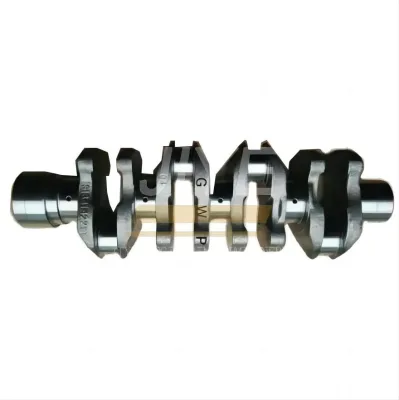
Loader Engine Spare Excavator Auto Engine Parts Crankshaft for Excavator
$80.00 - $150.00
MOQ: 10 Pieces


Diesel Engine Excavator Loader Engine Spare Parts Cast Iron Crankshaft
$80.00 - $150.00
MOQ: 10 Pieces

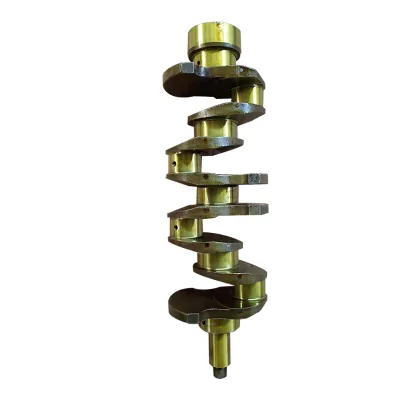
Wear-Resisting Hardware Automobile Parts Auto Accessory Excavator Parts Crankshaft
$80.00 - $150.00
MOQ: 10 Pieces

Customized Service OEM Diesel Engine Auto Accessory Excavator Parts Crankshaft
$80.00 - $150.00
MOQ: 10 Pieces

Excavator Parts Crankshaft ISO 9001 Certificates Car Parts Motorcycle Crankshaft
$80.00 - $150.00
MOQ: 10 Pieces




Comprehensive Sourcing Guide
Excavator Crankshaft Sourcing Guide
Sourcing a crankshaft for heavy machinery requires a disciplined approach that balances technical precision with commercial reliability. The crankshaft is the central component of an internal combustion engine, converting the linear motion of pistons into rotational force that drives the excavator’s hydraulic pumps and tracks. Because this part operates under extreme stress and high temperatures, even minor deviations in material integrity or dimensional accuracy can lead to catastrophic engine failure. Buyers must therefore treat the procurement process as a risk-mitigation exercise, ensuring that every sourced component meets the rigorous demands of continuous heavy-duty operation.
This guide provides a structured framework for evaluating Excavator Crankshaft suppliers based on observable market signals, technical verification steps, and long-term supply chain stability. By focusing on verifiable data points such as engine codes, material specifications, and packaging standards, procurement teams can avoid common pitfalls associated with counterfeit or substandard parts. The following sections detail the critical factors that influence sourcing decisions, offering actionable advice for securing high-quality crankshafts that support operational uptime and minimize total cost of ownership.
Product Scope and Observed Listing Signals
The current market for excavator crankshafts displays a wide range of product variations, often indicated by specific machine model numbers and engine codes. Listings frequently reference compatible engine types such as the Bf6l913, Qsk23, J08, N14, and 12V140, alongside part numbers like Crankshaft 4096111, 13411-E0100, and 3064291. These identifiers are crucial for matching the crankshaft to the specific engine architecture of the excavator. Buyers should verify that the listed machine model and engine code align precisely with their equipment’s service manual, as cross-compatibility is not guaranteed even among similar engine families. The presence of multiple part numbers in a single listing may indicate a supplier’s broad inventory, but it also necessitates careful validation to ensure the correct variant is selected.
Packaging and origin details provide additional context regarding the product’s handling and authenticity. Many suppliers indicate that products originate from China and are packed in standard packages, wooden cases, pallets, or neutral packing to prevent damage during transit. For heavy components like crankshafts, the choice of packaging is a significant indicator of supplier professionalism; robust options such as polywooden boxes or wooden cases are preferred to protect the precision-machined surfaces from impact and corrosion. Additionally, some listings mention sufficient stock and short delivery times, such as one to three working days after payment, which suggests a ready-to-ship inventory model. However, buyers should treat these claims as observations rather than guarantees, verifying actual availability and logistics capabilities before finalizing orders.
Technical Specifications to Verify
Technical verification begins with confirming the material composition and manufacturing technique of the crankshaft. Trusted category knowledge indicates that high-performance crankshafts are typically made from forged steel or cast iron, though some listings specify aluminum alloy components for other engine parts. The provided data highlights "Casting" as a technic for certain models, which implies a specific manufacturing process that affects density and strength. Buyers must distinguish between cast and forged crankshafts, as forged variants generally offer superior fatigue resistance for high-stress applications. It is essential to request material test reports or mill certificates that confirm the alloy grade, ensuring the component can withstand the cyclic loads inherent in excavator operations.
Engine performance parameters and physical dimensions are equally critical for compatibility. Listings may reference engine attributes such as water-cooling, four-stroke cycles, and naturally aspirated or turbocharged aspiration, along with power ratings like 50 kW at 1500 RPM or 60 kW at 1800 RPM. While these details often describe the engine rather than the crankshaft itself, they help contextualize the required crankshaft specifications. Buyers should verify the journal diameters, main bearing widths, and overall length against their existing engine block. Additionally, checking the ignition mode and piston movement type ensures that the crankshaft’s timing and stroke length match the engine’s design. Misalignment in these dimensions can lead to improper clearance, excessive wear, or complete engine seizure.
Compliance and Safety Documentation
Compliance with international standards is a key indicator of product quality and supplier legitimacy. Many suppliers in the observed listings claim certifications such as ISO and CE, which suggest adherence to specific quality management and safety directives. However, buyers should not accept these claims at face value; instead, they should request valid certification documents and verify their authenticity through the issuing bodies. The presence of ISO certification often correlates with consistent manufacturing processes, while CE marking indicates compliance with European health, safety, and environmental protection standards. For excavator parts used in regulated markets, these certifications are often mandatory for customs clearance and operational licensing.
Warranty and after-sales service terms provide a layer of financial protection for the buyer. Listings frequently mention a one-year warranty and one-stop service options, which can be valuable for reducing downtime in case of defects. Buyers should clarify the scope of the warranty, including whether it covers material defects, machining errors, or installation issues. Additionally, understanding the return and replacement policies is crucial, especially for international shipments where return logistics can be complex. A reliable supplier should offer clear guidelines for claiming warranty support, including required documentation such as photos of the defect or proof of installation. These terms should be explicitly stated in the purchase contract to avoid disputes later.
Cost Drivers and Commercial Terms
The cost of an Excavator Crankshaft is influenced by several factors, including material quality, manufacturing complexity, and order volume. Observed price ranges in the market can vary significantly, from low-cost options to premium-priced components, reflecting differences in quality and supplier positioning. Buyers should analyze the total cost of ownership rather than focusing solely on the unit price. This includes considering shipping costs, import duties, and potential costs associated with installation errors or premature failure. High-quality crankshafts may have a higher upfront cost but can offer better longevity and performance, reducing long-term maintenance expenses.
Commercial terms such as minimum order quantity (MOQ) and payment conditions also impact the sourcing strategy. Listings indicate MOQs ranging from one to one hundred units, suggesting flexibility for both single-unit replacements and bulk procurement. Buyers should negotiate terms that align with their inventory needs, considering whether a higher MOQ can secure a better price or faster delivery. Payment terms should be structured to mitigate risk, such as using secure payment methods or escrow services for large orders. Additionally, understanding the delivery timeframes, which may range from one to five working days, helps in planning maintenance schedules and minimizing equipment downtime. Clear communication regarding these terms is essential for a smooth transaction.
Supplier Qualification and Quality Control
Supplier qualification involves assessing the reliability and capability of the provider beyond the product listing. Buyers should verify the supplier’s business registration, manufacturing facilities, and quality control processes. A supplier that offers customization options and maintains sufficient stock demonstrates operational maturity and responsiveness. However, buyers should also look for evidence of consistent performance, such as positive feedback from previous clients or a history of successful deliveries. Engaging with suppliers who provide detailed technical support and transparent communication can help identify potential issues early in the sourcing process.
Quality control measures should be implemented both by the supplier and the buyer. Suppliers should conduct rigorous inspections, including dimensional checks, surface finish evaluations, and material testing, before shipping. Buyers can enhance this process by requesting pre-shipment inspection reports or third-party verification services. For critical components like crankshafts, implementing a sampling plan for bulk orders can help ensure consistency across the batch. Additionally, establishing a clear protocol for handling non-conforming products is essential. This includes defining acceptable tolerance levels and procedures for rejecting or reworking parts that do not meet specifications.
Long-Term Procurement Checks
Long-term procurement success depends on building a sustainable relationship with reliable suppliers. Buyers should regularly review supplier performance metrics, such as on-time delivery rates, product quality consistency, and responsiveness to issues. Maintaining a diversified supplier base can mitigate risks associated with supply chain disruptions or sudden price increases. It is also important to stay updated on industry trends and technological advancements in crankshaft manufacturing, which may offer improvements in durability or efficiency. Engaging in continuous dialogue with suppliers about feedback and improvement opportunities can foster a collaborative partnership that benefits both parties.
Finally, buyers should establish a systematic approach to tracking and analyzing procurement data. This includes monitoring inventory levels, usage rates, and failure modes of installed crankshafts. By analyzing this data, buyers can identify patterns that inform future purchasing decisions, such as preferred brands, optimal order quantities, or necessary technical specifications. Regular audits of supplier contracts and compliance documentation ensure that ongoing agreements remain aligned with current business needs and regulatory requirements. A proactive and data-driven approach to procurement helps optimize costs, enhance operational reliability, and support the long-term success of excavator fleet management.
FAQs
What certifications are available for excavator crankshafts?
Available crankshafts typically hold ISO and CE certifications to ensure quality and safety standards. These credentials verify that the components meet international manufacturing requirements. Buyers should verify specific certification documents with suppliers before purchase to confirm compliance with their operational regulations and regional safety laws.
Can I customize Excavator Crankshaft packaging?
Customization is available for packaging options to suit different shipping needs. Suppliers offer standard packages, wooden cases, pallets, or neutral packing. Heavy items may use polywooden boxes or carton boxes. Selecting the right packaging protects the crankshaft during transit and ensures it arrives in pristine condition for installation.
What is the typical delivery time for orders?
Delivery times generally range from one to five working days after payment confirmation. Some suppliers offer rapid dispatch within one to three days due to sufficient stock. Others may require three to five days for processing. Buyers should confirm exact lead times with the supplier to align with their project schedules.
Which engine models are compatible with these crankshafts?
Crankshafts are designed for various engine models including Bf6l913, Qsk23, J08, N14, and 12V140. Specific machine models like Crankshaft 4096111 or 13411-E0100 are also supported. Buyers must match the engine code and machine model number to ensure proper fitment and functionality within their specific excavator or industrial machinery.
What warranty is provided for excavator crankshafts?
A standard twelve-month warranty is typically provided for new crankshaft components. This coverage protects against manufacturing defects and ensures product reliability. Buyers should review the specific warranty terms with the supplier to understand the scope of coverage and the process for claiming support if issues arise during the warranty period.
How are excavator crankshafts shipped internationally?
International shipping is handled via methods such as DHL, UPS, and FedEx. These carriers ensure secure and tracked delivery to global destinations. The shipping method depends on the package weight and destination. Buyers should coordinate with suppliers to select the most cost-effective and reliable shipping option for their specific location.