Source Excavator Thrust Bearing for CNC, Drilling, and Steering
Find and compare 30 excavator thrust bearing options from Chinese manufacturers. These components support high-pressure downhole environments and rotary steering applications, featuring CNC milling precision and ISO certifications for reliable industrial performance; compare the available evidence and request quotations based on your requirements.
Key considerations
Products List


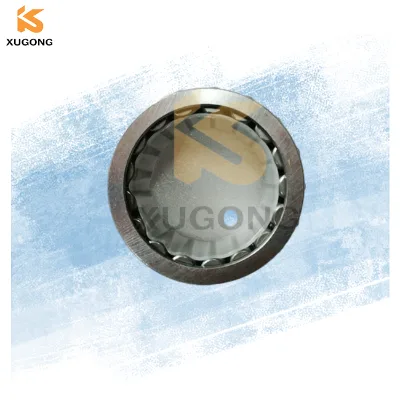


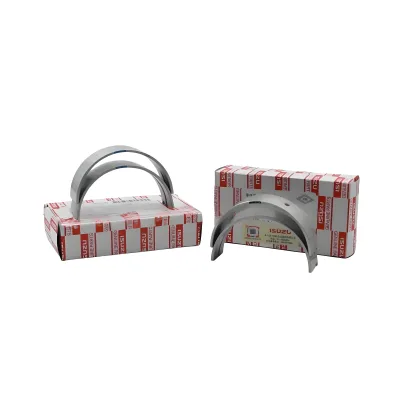


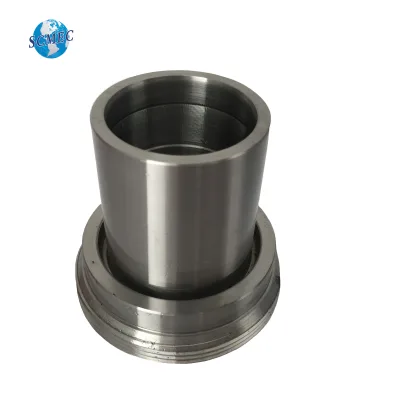
Comprehensive Sourcing Guide
Excavator Thrust Bearing Sourcing Guide
Procuring thrust bearings for heavy machinery requires a precise understanding of operational demands and supply chain reliability. Buyers must distinguish between general industrial components and specialized parts designed for high-load, high-vibration environments typical of excavator applications. The core keyword "excavator thrust bearing" signals a need for robust components that can withstand axial forces while maintaining precision under harsh conditions. This guide focuses on verifying technical specifications, ensuring compliance, and managing commercial risks associated with sourcing these critical mechanical elements from global suppliers.
Product Scope and Observed Listing Signals
The observed market listings reveal a diverse range of products, including CNC machine tools and specific bearing types like the HS-247 and 246-3150 models. Listings indicate a price range from $0.1 to $1200 USD, with minimum order quantities (MOQ) varying between 1 and 100 units. This wide variance suggests that buyers may encounter both generic replacement parts and highly customized, high-end components. It is crucial to verify whether the listed item is a standard thrust bearing or a specialized unit, such as those compatible with specific engine types like the 336D/C9, to avoid procurement errors.
Suppliers often highlight attributes such as "Made in China," "New Condition," and "Sufficient Stock" to attract buyers seeking quick delivery. Some listings mention delivery times of 1-3 working days after payment, which is advantageous for urgent maintenance needs. However, buyers should cross-reference these claims with actual supplier capabilities. The presence of various packing methods, from cartons to neutral packing, indicates flexibility in logistics but requires clear communication to ensure product protection during transit, especially for precision components sensitive to shock and vibration.
Technical Specifications to Verify
Technical verification is paramount when sourcing thrust bearings, particularly those intended for dynamic or high-pressure applications. Buyers should confirm the bearing direction, such as thrust or split plain bearing structures, and ensure compatibility with the specific machinery model. For instance, some listings specify models like INDRON UNIV or 3000139, which may have unique dimensional or load-bearing requirements. It is essential to validate the hardness ratings, such as HRC 85-90 for certain PDC-layered components, and verify the lubrication type, whether water-lubricated or maintenance-free, to match the operational environment.
Additionally, performance metrics like rotary speed (e.g., 1800~2300 RPM) and abrasion ratios (≥ 400,000) provide insight into the component's durability. Buyers must ensure that the specified processing precision, such as ±0.05mm for CNC-milled parts, aligns with their equipment's tolerance levels. Customization options, including OEM & ODM services and adjustable friction ratios, offer flexibility but require detailed engineering drawings and clear specifications to prevent mismatches. Verifying these technical details prevents costly downtime and ensures the bearing can withstand the intended working pressure and harsh drilling conditions.
Compliance and Safety Documentation
Compliance with international standards is a critical factor in sourcing thrust bearings, ensuring both safety and interoperability. Listings frequently mention certifications such as ISO 9001, GS, CE, RoHS, and SGS, which indicate adherence to quality management and environmental regulations. Buyers should request valid certification documents to verify that the supplier maintains these standards consistently. While ISO 9001 is commonly cited, it is important to confirm that the certification covers the specific manufacturing processes used for the thrust bearings, such as CNC milling or vacuum brazing.
Safety documentation should also include material safety data sheets (MSDS) and operational manuals, especially for bearings involving specialized lubricants or high-pressure applications. Buyers must ensure that the components meet the relevant industry standards for their specific region and application. For example, if the bearing is used in an excavator, it should comply with machinery directives that govern mechanical safety. Verifying these documents not only mitigates legal risks but also ensures that the components are suitable for the intended industrial environment, reducing the likelihood of premature failure or safety incidents.
Cost Drivers and Commercial Terms
Cost drivers for thrust bearings include material quality, manufacturing complexity, and customization requirements. High-end CNC machine tools and precision-milled components often command higher prices due to the advanced technology and tighter tolerances involved. Buyers should analyze the price range of $0.1 to $1200 USD to understand the value proposition of different suppliers. It is essential to consider the total cost of ownership, including shipping, customs duties, and potential replacement costs, rather than focusing solely on the unit price.
Commercial terms such as MOQ, payment methods, and delivery times significantly impact procurement strategy. Suppliers offering MOQs as low as 1 unit provide flexibility for small-scale projects, while higher MOQs may offer economies of scale. Delivery times of 1-3 working days are attractive for urgent needs, but buyers should verify the reliability of these claims. Shipping methods like DHL, UPS, and FedEx should be evaluated for cost and speed. Clear communication regarding warranty periods, such as the mentioned 1-year quality guarantee, is crucial to protect against defects and ensure long-term value.
Supplier Qualification and Quality Control
Supplier qualification involves assessing the manufacturer's capability to produce consistent, high-quality thrust bearings. Buyers should verify the supplier's production facilities, particularly if they utilize CNC milling or vacuum brazing processes. The mention of "One-Stop Service" and "After Service" support indicates a commitment to customer satisfaction, but buyers should seek references or case studies to validate these claims. It is also important to check the supplier's history of exports and their ability to handle international logistics effectively.
Quality control measures should be rigorously evaluated, including in-process inspections and final testing protocols. Suppliers claiming ISO 9001 certification should have documented quality management systems in place. Buyers should request sample units for testing before placing large orders, especially for customized components. Verifying the supplier's ability to provide detailed inspection reports and traceability records ensures that the thrust bearings meet the specified technical requirements. This due diligence minimizes the risk of receiving substandard products and ensures a reliable supply chain for critical machinery components.
Long-Term Procurement Checks
Long-term procurement success depends on establishing a robust relationship with suppliers and implementing continuous monitoring. Buyers should conduct periodic audits of supplier performance, focusing on delivery reliability, product quality, and responsiveness to issues. Tracking key performance indicators (KPIs) such as defect rates and lead time adherence helps identify potential problems early. It is also advisable to diversify the supplier base to mitigate risks associated with single-source dependencies, especially for critical components like thrust bearings.
Regular communication and feedback loops with suppliers foster continuous improvement and innovation. Buyers should stay informed about advancements in bearing technology, such as new materials or lubrication methods, to ensure their procurement strategy remains competitive. Additionally, maintaining a comprehensive inventory of technical specifications and compliance documents facilitates easier reordering and troubleshooting. By prioritizing long-term partnerships and proactive management, buyers can secure a stable supply of high-quality thrust bearings, supporting the efficient operation of their excavator fleets and other heavy machinery.
FAQs
What is the quality guarantee for these bearings?
The product comes with a one-year quality guarantee to ensure reliability during operation. This assurance covers manufacturing defects and performance issues under normal usage conditions for excavator applications.
Can I get custom specifications for this thrust bearing?
Yes, OEM and ODM customization is available to meet specific engineering requirements. You can request tailored dimensions and performance features while maintaining the high-end classification of the machine tools.
Which certifications do these products hold?
The bearings hold ISO 9001, GS, CE, RoHS, and SGS certifications for quality and safety. These standards verify compliance with international regulations and ensure the product meets rigorous manufacturing criteria.
How fast is the delivery time after payment?
Delivery occurs within one to three working days after receiving your payment. Sufficient stock is maintained to ensure rapid fulfillment without significant delays for urgent procurement needs.
What is the hardness rating of the bearing material?
The hardness rating is HRC 85-90, providing excellent resistance to wear and abrasion. This high hardness ensures a long service life even under harsh drilling conditions and high-pressure environments.
Which shipping methods are available for this product?
Shipping is available via DHL, UPS, FedEx, and other logistics providers. These methods ensure secure and timely delivery of the packaged goods to your specified location from the origin in China.