Source Front Wheel Bearing for Bicycles, Excavators, and Machinery
Find 30 Front Wheel Bearing options for bicycles, excavators, and metal processing machinery. Compare specifications like material, tolerance, and packing to select the right radial or aligning bearings for your industrial needs; compare the available evidence and request quotations based on your requirements.
Key considerations
Products List


Comprehensive Sourcing Guide
Front Wheel Bearing Sourcing Guide
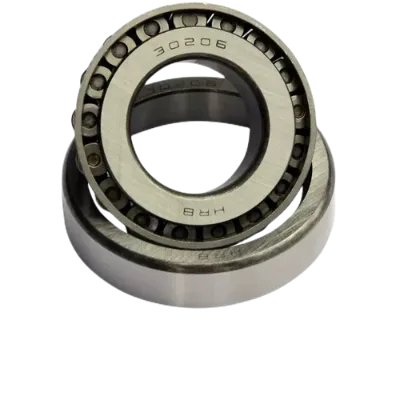
Procuring front wheel bearings requires distinguishing between components designed for specific vehicle architectures, such as mountain bikes or heavy industrial machinery. The market data indicates a diverse range of offerings, including units with steel forks and aluminum rims intended for men's mountain bikes, alongside specialized radial bearings for excavators and metal processing equipment. Buyers must first identify whether their application demands a single-item unit or a multi-column assembly, as the structural requirements for a 26-inch bicycle wheel differ significantly from those of a large industrial hub.
Verification of the product's physical state is equally critical before finalizing any order. Listings show variations between folded and unfolded configurations, as well as distinct packing methods ranging from neutral cartons to wooden cases and plywood pallets. These logistical details directly impact shipping costs and handling procedures. A buyer must confirm if the bearing arrives in a separated state or as a pre-assembled unit, ensuring the packaging aligns with the specific storage and installation protocols required by their facility or distribution network.
Product Scope and Observed Listing Signals
The observed product scope reveals a wide spectrum of materials and configurations, primarily utilizing bearing steel and metal alloys for durability. Specific listings highlight the use of GCr15 steel standards and aligning bearing types, which are essential for maintaining radial load capacity in high-stress environments. Buyers should note that while some items are marketed for mountain bike applications with imitation leather saddles, others are explicitly designated for metal casting, forging, and cutting machinery. This divergence necessitates a clear definition of the end-use environment to avoid selecting a component with insufficient load ratings or incorrect thermal properties.
Listing signals also indicate significant variability in customization options and delivery readiness. Some suppliers offer fully customized standards and packing requirements, while others maintain sufficient stock for immediate dispatch within one to three working days. The presence of multi-column rolling bodies and specific tolerance types like PType for wheel hubs suggests that precision engineering is a key differentiator in this category. Procurement teams must scrutinize whether the "customized" attribute refers to dimensional adjustments or material treatments, as this distinction affects the lead time and the complexity of the quality assurance process.
Technical Specifications to Verify
Technical verification must begin with the fundamental dimensions and load directions of the bearing. The supplied data confirms the existence of radial bearings with multi-column rolling bodies, which are critical for supporting the weight and dynamic forces of a front wheel assembly. Buyers should explicitly verify the wheel diameter, as observed listings include 26-inch specifications, and ensure the outer dimensions fall within the large range of 200-430mm if the application requires substantial clearance. Confirming the number of rows and the specific alignment capabilities of the spherical bearings is essential to prevent premature failure due to misalignment or excessive radial stress.
Material composition and heat treatment processes are the next critical verification points for long-term reliability. The market offers bearings made from bearing steel with standards such as GCr15, often subjected to annealing, quenching, tempering, or nitriding to enhance hardness and wear resistance. It is imperative to confirm that the heat treatment matches the operational temperature and load cycles of the intended machinery, whether it is a light-duty bicycle or a heavy excavator. Additionally, verifying the fork material, such as steel, and the rim material, like aluminum alloy, ensures compatibility with the bearing housing and prevents galvanic corrosion or mechanical interference during operation.
Compliance and Safety Documentation
Compliance documentation serves as the primary evidence of a supplier's adherence to international manufacturing and safety protocols. The available data lists certifications such as ISO, GS, RoHS, and CE, which indicate that the products meet specific environmental and safety thresholds. Buyers must request valid certificates for each batch to ensure that the materials used, particularly the metal alloys and coatings, do not contain restricted substances. This verification is crucial for exporting goods to regions with strict regulatory frameworks, as non-compliant components can lead to customs seizures or legal liabilities in the destination market.
Safety standards also encompass the mechanical integrity and performance consistency of the bearings under various operating conditions. The listings reference multiple international standards including BS, ANSI, JIS, GB, GOST, ASTM, and DIN, suggesting that the products are designed to meet diverse global engineering requirements. Procurement teams should verify which specific standard applies to the ordered unit, as a bearing compliant with one standard may not satisfy the safety factors required by another. Ensuring that the documentation explicitly states the applicable standard for the specific model number prevents ambiguity during safety audits and operational inspections.
Cost Drivers and Commercial Terms
Cost drivers in the Front Wheel Bearing market are heavily influenced by material quality, customization levels, and packaging requirements. The use of high-grade bearing steel and complex heat treatment processes like nitriding increases the base cost compared to standard metal components. Furthermore, the choice of packaging, ranging from simple cartons to custom wooden cases or plywood pallets, adds a variable layer to the total landed cost. Buyers must evaluate whether the premium for specialized packaging is justified by the need to protect the bearings during long-distance transit or if standard neutral packing suffices for their logistics chain.
Commercial terms regarding delivery and payment are equally significant in shaping the total cost of ownership. The observed data indicates a delivery window of one to three working days after payment confirmation, which suggests a high level of inventory readiness for certain suppliers. However, the minimum order quantity (MOQ) can vary widely, ranging from single items to thousands of units, directly impacting the unit price through economies of scale. Buyers should negotiate terms that balance the urgency of their production schedule with the financial benefits of larger order volumes, ensuring that the shipping method, such as DHL, UPS, or FedEx, is factored into the final budget.
Supplier Qualification and Quality Control
Supplier qualification relies on verifying the consistency of their manufacturing processes and their ability to maintain quality across different product lines. The data indicates that suppliers operate in regions like Hebei, Shandong, and Zhejiang, each with distinct industrial capabilities. Buyers should assess whether the supplier has a dedicated facility for metal casting, forging, or machining, as these processes are integral to producing high-quality bearings. Confirming the "Made in China" quality assertion requires more than a label; it demands evidence of a robust quality control system that monitors every stage from raw material intake to final packing.
Quality control protocols must include rigorous testing of the bearing's tolerance and load direction capabilities. The specific mention of PType tolerances and radial load directions implies that precision is a key performance metric. Buyers should request test reports that validate the bearing's ability to handle the specified load direction without deformation. Additionally, verifying the condition of the product as "New" and ensuring that the after-service support includes one-stop service capabilities provides a safety net for any potential defects. A supplier's willingness to provide detailed quality documentation is a strong indicator of their reliability and commitment to long-term partnership.
Long-Term Procurement Checks
Long-term procurement success depends on establishing a framework for continuous performance monitoring and supplier relationship management. Buyers should implement a system to track the performance of bearings over time, noting any deviations in load capacity or wear rates that might indicate a shift in material quality. The availability of customization and the range of applications, from metal processing to excavators, suggest that the supplier must be adaptable to changing operational needs. Regular audits of the supplier's production capacity and their adherence to the agreed-upon standards ensure that the supply chain remains resilient against market fluctuations.
Finally, maintaining a clear record of all technical specifications and compliance documents is essential for future troubleshooting and warranty claims. The 12-month warranty period observed in the listings provides a baseline for expected product longevity, but buyers must ensure that the warranty terms are clearly defined in the contract. This includes specifying the conditions under which the warranty applies and the process for claiming replacements or repairs. By maintaining detailed records of the product model, such as 9391 or 532066DB, and the specific packing and origin details, buyers can streamline the resolution of any future issues and ensure consistent quality across all procurement cycles.
FAQs
What is the warranty period for front wheel bearings?
The warranty period is 12 months for new items. This coverage applies to manufacturing defects and material integrity. Buyers should retain proof of purchase to validate claims. The warranty ensures reliability during initial operation. It does not cover damage from improper installation or misuse. Always verify specific terms with the supplier before finalizing the order.
Can front wheel bearings be customized for specific applications?
Yes, customization is available for various industrial needs. Manufacturers offer tailored solutions for unique machinery requirements. Buyers can specify dimensions, materials, or load capacities. This flexibility ensures optimal performance in specialized environments. Custom orders may require additional lead time for production. Contact suppliers directly to discuss specific technical parameters and feasibility.
Which certifications are standard for these bearings?
Common certifications include ISO, GS, RoHS, and CE. These standards ensure compliance with international quality and safety regulations. Buyers should request valid certificates to verify product authenticity. Certified bearings meet rigorous testing protocols for durability. Non-compliant products may pose risks in regulated industries. Always confirm certification status with the supplier prior to purchase.
How are front wheel bearings typically packed for shipping?
Packaging options include cartons, wooden cases, and plywood pallets. Neutral packing is also available for discreet delivery. Suppliers may customize packaging according to client requirements. Proper packaging protects bearings from damage during transit. The choice depends on order volume and shipping method. Confirm packing details with the supplier to ensure safe arrival.
What is the typical delivery time for orders?
Delivery time is usually 1-3 working days after payment. This rapid turnaround applies to items with sufficient stock. Expedited shipping methods like DHL, UPS, or FedEx are available. International shipping times may vary based on destination. Buyers should confirm lead times for custom or large orders. Prompt delivery ensures minimal downtime for operational requirements.
What materials are used in manufacturing these bearings?
Materials include bearing steel, metal, and alloy components. Specific grades like GCr15 are used for high durability. The choice of material affects load capacity and lifespan. Steel variants offer strength for heavy-duty applications. Alloy components may be used for specific performance needs. Verify material specifications with the supplier to match application demands.