Source Toyota Hilux Wheel Hub for Land Cruiser, Hilux, and 4WD Trucks
Compare 30 verified listings for the Toyota Hilux Wheel Hub, featuring steel construction, chrome finishing, and compatibility with original parts. Buyers can evaluate models like LY-VG12-192 and B002 with varying spline counts and packaging options from Guangzhou suppliers; compare the available evidence and request quotations based on your requirements.
Key considerations
Products List


New 4X4 Free Wheel Hub 43530-39045 Used for Toyota Hilux Ln167 Ln107 Sur5
$16.00 - $18.00
MOQ: 50 Pieces
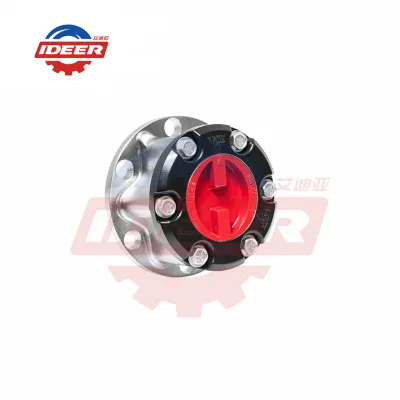


$25.00 - $30.00
MOQ: 100 Pieces

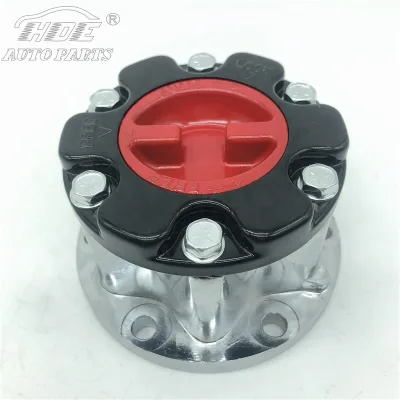
$25.00 - $30.00
MOQ: 100 Pieces




Comprehensive Sourcing Guide
Toyota Hilux Wheel Hub Sourcing Guide
Sourcing replacement wheel hubs for the Toyota Hilux requires a disciplined approach to part identification and supplier verification. The market offers a variety of options, ranging from neutral-packaged units to those explicitly styled as OEM accessories. Buyers must navigate a landscape where product names and model numbers vary significantly, such as the LY-VG12-191 or B002 designations, which may correspond to different spline counts or fitment specifications. Understanding these variations is critical to avoiding procurement errors that could lead to vehicle incompatibility or premature failure.
The procurement process also involves evaluating the condition and packaging of the components. Most available units are listed as new, with origins primarily traced to Guangzhou, China. Packaging ranges from standard export cartons to natural packing, which can impact logistics costs and product protection during transit. Buyers should prioritize suppliers who provide clear compatibility data, ensuring that the selected hub matches the specific generation of the Hilux, whether it is a 76-85 model or a later variant, to ensure seamless integration with existing drivetrain components.
Product Scope and Observed Listing Signals
The current market for Toyota Hilux wheel hubs presents a diverse array of listings with varying attributes. Observed price points range from $1 to $190 USD, reflecting differences in material quality, certification status, and included accessories. Minimum order quantities (MOQ) typically span from 10 to 1000 units, allowing for flexibility in procurement volume. Some listings highlight specific features such as chrome finishing or compatibility with original parts, while others emphasize high-quality steel construction. These signals help buyers gauge the tier of product being offered, though they should be treated as observations rather than guaranteed performance metrics.
Compatibility is a central theme in the observed listings, with many products claiming alignment with original parts. Specific model numbers like LY-VG08-011 and B007 appear frequently, often associated with distinct spline counts such as 26 or 30 splines. Additionally, some listings include wheel accessories like spacers or covers, which may add value for certain applications. Buyers should carefully cross-reference these model numbers and accessory inclusions with their vehicle’s technical requirements to ensure that the purchased hubs will function correctly within the vehicle’s suspension and braking systems.
Technical Specifications to Verify
Verifying technical specifications is paramount when sourcing wheel hubs for the Toyota Hilux. Key parameters include the spline count, which is critical for proper engagement with the axle shaft. Listings indicate spline counts of 26 and 30, among others, and buyers must confirm the exact requirement for their specific vehicle model. The wheel hub diameter is also a crucial specification, with observed ranges spanning from 16 to 20 inches. Ensuring that the selected hub matches the vehicle’s wheel size and drive configuration, such as 4WD systems, is essential for maintaining optimal performance and safety.
Material composition and finishing processes further influence the durability and lifespan of the wheel hub. Steel is a common material, often treated with chrome finishing to enhance corrosion resistance. Buyers should verify the material grade and finishing quality to ensure long-term reliability. Additionally, the condition of the product should be confirmed as new, and any references to OEM standards or styles should be validated against the vehicle’s original specifications. Accurate verification of these technical details prevents mismatches and ensures that the installed hubs meet the necessary engineering standards for safe operation.
Compliance and Safety Documentation
Compliance with international standards is a key consideration for procurement teams. Many suppliers claim ISO certification, which serves as a baseline for quality management systems. However, buyers should request and verify actual certification documents to ensure that the manufacturing processes adhere to recognized safety and quality protocols. The absence of specific safety certifications or test results in the listing does not imply non-compliance, but it does necessitate further due diligence to confirm that the products meet regional regulatory requirements.
Documentation regarding product origin and packing standards also plays a role in compliance and logistics. Products originating from Guangzhou, China, often come with standard export packing or carton box packaging, which should be inspected for integrity. Buyers should ensure that the packaging protects the hubs from damage during transit and that all necessary documentation, such as material safety data sheets or origin certificates, is provided. This documentation is essential for customs clearance and for maintaining traceability in the supply chain, ensuring that any quality issues can be traced back to the source.
Cost Drivers and Commercial Terms
Cost drivers for Toyota Hilux wheel hubs include material costs, manufacturing processes, and packaging requirements. Steel hubs with chrome finishing may command higher prices due to the additional processing steps involved. Customization options, such as specific packaging or branding, can also influence the final cost. Buyers should analyze the total cost of ownership, including shipping and handling, rather than focusing solely on the unit price. Understanding these cost drivers helps in negotiating better terms and selecting suppliers that offer the best value for money.
Commercial terms, including MOQ and payment conditions, vary among suppliers. Some suppliers offer low MOQs, which are beneficial for small-scale procurement, while others require larger volumes for better pricing. Buyers should negotiate terms that align with their inventory management strategies and cash flow requirements. Additionally, lead times and delivery schedules should be clarified to ensure timely receipt of goods. Clear communication regarding these commercial terms helps in avoiding unexpected costs and delays, ensuring a smooth procurement process.
Supplier Qualification and Quality Control
Supplier qualification is a critical step in ensuring the reliability of the sourced wheel hubs. Buyers should assess suppliers based on their production capabilities, quality control processes, and customer feedback. Suppliers with ISO certification and a history of producing high-quality products are generally more reliable. However, buyers should also conduct their own quality checks, such as requesting samples or conducting factory audits, to verify the supplier’s claims. This due diligence helps in identifying potential risks and ensuring that the supplier can consistently meet the required quality standards.
Quality control measures should be implemented throughout the procurement process, from order placement to delivery. Buyers should specify quality requirements in the purchase agreement and conduct inspections upon receipt of the goods. Any discrepancies or defects should be reported immediately, and suppliers should be held accountable for resolving these issues. Establishing a robust quality control framework helps in maintaining the integrity of the supply chain and ensures that the installed wheel hubs meet the necessary performance and safety standards.
Long-Term Procurement Checks
Long-term procurement checks involve monitoring supplier performance and product quality over time. Buyers should establish key performance indicators (KPIs) to track metrics such as delivery times, defect rates, and customer satisfaction. Regular reviews of these metrics help in identifying trends and addressing potential issues before they escalate. Additionally, buyers should stay informed about industry developments and technological advancements that may impact the performance or availability of wheel hubs. This proactive approach ensures that the procurement strategy remains effective and aligned with business objectives.
Building strong relationships with suppliers is also essential for long-term success. Open communication and collaboration can lead to better pricing, improved quality, and more flexible terms. Buyers should engage in regular dialogues with suppliers to discuss performance, address concerns, and explore opportunities for improvement. By fostering a collaborative partnership, buyers can enhance the reliability and efficiency of their supply chain, ensuring a steady supply of high-quality wheel hubs for the Toyota Hilux.
FAQs
What is the product material for these wheel hubs?
The wheel hubs are constructed from high-quality steel to ensure durability and strength under heavy loads. This material choice supports reliable performance for Toyota Hilux applications. The steel construction provides a robust foundation for the chrome finishing and standard export packing, ensuring the parts remain protected during transit and installation.
Can these wheel hubs be customized for specific needs?
Yes, customization is available for these wheel hubs to meet specific buyer requirements. The supplier offers flexible options to adapt the product to particular specifications. This service allows buyers to tailor the hubs for their exact vehicle models or operational needs, ensuring a precise fit and optimal performance for their specific Toyota Hilux or Landcruiser fleet applications.
What certifications do these wheel hubs hold?
These wheel hubs hold ISO certification, indicating adherence to recognized quality management standards. This certification ensures consistent manufacturing processes and product reliability. Buyers can trust that the steel components meet international quality benchmarks, providing confidence in the durability and safety of the hubs for use in various Toyota Hilux and Landcruiser vehicle configurations.
What is the minimum order quantity for these hubs?
The minimum order quantity ranges from 10 to 1000 units depending on the specific model and configuration. Some items, like the B002 model, have a specific MOQ of 20 sets. This flexible range allows buyers to order small batches for testing or large volumes for fleet replacement, accommodating diverse procurement needs for Toyota Hilux Wheel Hub components.
Where are these wheel hubs manufactured?
These wheel hubs are manufactured in Guangzhou, China. The production facility is located in this major industrial hub, ensuring efficient logistics and supply chain management. The Guangzhou origin supports reliable production capacity and timely delivery for global buyers seeking high-quality steel wheel hubs compatible with Toyota Hilux and Landcruiser vehicle models.
How are these wheel hubs packaged for shipping?
The wheel hubs are packaged in standard export packing or carton boxes to ensure safe transit. Some models use natural packing or neutral packaging to protect the chrome finish. This careful packaging prevents damage during shipping and storage, maintaining the high quality of the steel hubs until they reach the buyer for installation on Toyota Hilux or Landcruiver vehicles.