Source Excavator Undercarriage Track Roller for Construction, Mining, and Road Works
Find 30 available options for the Excavator Undercarriage Track Roller from suppliers in Fujian and Quanzhou, China. Buyers can compare specifications, certifications, and delivery times for models compatible with Hitachi, Volvo, and Hyundai machinery.
Key considerations
Products List


Durable Excavator Track Roller for Fast Shipping Undercarriage Solutions
$25.00 - $36.00
MOQ: 1 Pieces


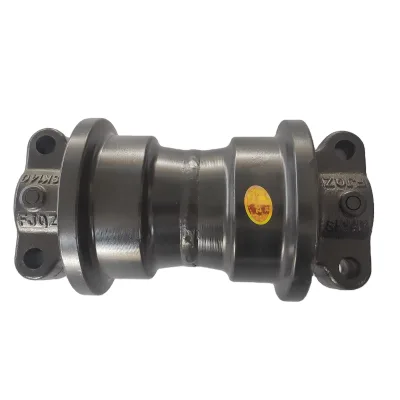


Replacement Excavator Bulldozer Undercarriage Track Roller for Mining Equipment
$150.00 - $300.00
MOQ: 1 Pieces

Durable Excavator Undercarriage Parts Bottom Roller Single Flange Track Roller
$86.00 - $265.00
MOQ: 1 Pieces

Comprehensive Sourcing Guide
Strategic Sourcing Guide for Excavator Undercarriage Track Rollers
Understanding Component Specifications and Compatibility
The Excavator Undercarriage Track Roller is a critical load-bearing component designed to support the weight of the machine and guide the track chain along the undercarriage frame. When sourcing these parts, the primary technical observation is the diversity of model compatibility. Available data indicates that specific track rollers are engineered to fit a wide array of major excavator brands and models, including Hitachi, Kobelco, Volvo, Hyundai, and various PC series units such as the PC90, PC100, PC120, PC130, PC150, and PC200. Furthermore, specific model numbers like R210-7 and ZX350 are explicitly referenced as compatible configurations, alongside a broad range of EC series models including EC100, EC200, EC210, EC360, EC400, and EC460.
Buyers must recognize that the "prod_model" field often requires negotiation or specific verification rather than a single universal standard. The technical design of these rollers frequently involves a combination of forging and casting techniques, which influences the structural integrity and weight distribution of the part. The surface finish is typically described as smooth, and the material composition is often cited as 40mn steel. A critical technical attribute to verify is the surface hardness, which is noted as HRC in available specifications. However, the exact numerical hardness value is not universally fixed across all listings and should be confirmed against the specific equipment manual. The color of the finished product varies, with grey, yellow, and other custom options available, which may be relevant for fleet standardization or identification purposes.
Compliance Standards and Certification Verification
Ensuring that purchased track rollers meet international safety and quality standards is a fundamental step in the procurement process. The supply market for these components frequently lists CE certification as a standard requirement, often appearing in conjunction with ISO 9001 standards. Specific listings indicate compliance with ISO 9001 and ISO 9001:2000, suggesting that manufacturers adhere to established quality management systems. However, buyers should treat these certifications as observations of the supplier's current status rather than a guarantee that every single unit in a batch is certified without verification.
The distinction between "High-Quality" and "High Guarantee" in product attributes suggests varying levels of assurance provided by different suppliers. While some listings mention a "High Guarantee" regarding quality, the specific terms of this guarantee are not defined in the general data. It is essential for buyers to request physical certification documents or digital proof of compliance before finalizing orders. The presence of CE and ISO certifications indicates that the manufacturing process likely adheres to specific European and international norms, but the buyer must verify that these certifications are current and applicable to the specific batch of track rollers being purchased. Additionally, the origin of the products is noted as Fujian and Quanzhou, China, regions known for heavy machinery manufacturing, but the specific factory audits should be conducted to validate the claimed standards.
Cost Drivers and Pricing Dynamics
The pricing structure for excavator undercarriage track rollers is influenced by several variable factors, including the specific model compatibility, material quality, and the level of customization required. The observed price range in the market spans from 2.1 USD to 500 USD, reflecting a significant disparity based on the scale of the order, the specific excavator model, and the supplier's pricing strategy. This wide range suggests that basic components or smaller quantities may be available at the lower end, while specialized, high-load capacity rollers for large excavators or those with custom specifications command higher prices.
Minimum Order Quantity (MOQ) is another critical cost driver. The data indicates an MOQ range from 1 piece to 100 pieces. For buyers requiring a single replacement part, the flexibility of an MOQ of 1 piece allows for cost-effective procurement without the need to stockpile inventory. Conversely, buyers purchasing for fleet-wide overhauls may benefit from negotiating bulk rates, potentially leveraging the higher MOQ thresholds to secure better unit economics. Payment terms also play a role in the overall cost structure, with options including T/T, Money Gram, Western Union, and Paypal. The availability of multiple payment methods suggests a mature market, but buyers should consider the transaction fees associated with different methods when calculating the total landed cost.
Typical Applications and Industry Suitability
Excavator undercarriage track rollers are primarily designed for use in construction works, where heavy machinery operates under demanding conditions. The "Applicable Industries" field explicitly identifies construction as the primary sector, highlighting the component's role in maintaining operational efficiency on job sites. The "Marketing Type" attribute, which alternates between "Hot Product 2024" and "Ordinary Product," indicates that demand for these parts fluctuates based on market trends and seasonal construction activity.
The application of these rollers extends beyond general construction to specific heavy equipment operations involving brands like Hitachi, Volvo, and Hyundai. The versatility of the parts allows them to be used in various excavator models, from smaller units like the PC90 to larger machines such as the ZX350. The "Condition" of the parts is consistently listed as "New," ensuring that buyers receive components ready for immediate installation without the need for refurbishment. The "Warranty Time" of 1 year provides a baseline for performance expectations, though the specific terms of the warranty should be clarified in the purchase agreement. The "Quality" attribute, described as "High-Quality" or "High Guarantee," reinforces the expectation that these parts are suitable for rigorous industrial applications.
Supplier Evaluation and Service Capabilities
Evaluating potential suppliers requires a focus on their service capabilities and logistical support. A key differentiator in the market is the availability of customization services. The "Customization" attribute is listed as "Available," and "OEM Services Provided" is confirmed, indicating that suppliers can produce parts tailored to specific client requirements or rebrand existing components. This flexibility is crucial for buyers with unique operational needs or those looking to replace original equipment manufacturer (OEM) parts with cost-effective alternatives.
Logistical capabilities are also vital. The "Delivery" time is generally cited as 3-30 days, with some specific listings noting a delivery window of 15-25 days after the contract is established. The "Port of Shipment" is identified as Xiamen, a major port in China, which facilitates international shipping. Buyers should verify the actual lead time for their specific order, as the range of 3-30 days may vary based on inventory levels and production schedules. Furthermore, the "Video Outgoing-Inspection" service is available for some products but not others. This feature allows buyers to visually verify the quality and condition of the parts before shipment, adding a layer of transparency to the procurement process. The "Machinery Test Report" is noted as "Not Available" in some cases, which means buyers may need to rely on the video inspection or request specific test data directly from the supplier.
Quality Control and Long-Term Procurement Considerations
Maintaining high standards of quality control is essential for ensuring the longevity and reliability of excavator undercarriage track rollers. The "Product Packing" varies, with options including standard pallets, wooden cases, and custom requests. Proper packaging is critical to prevent damage during transit, especially for heavy components like track rollers. Buyers should specify their packaging requirements to ensure the parts arrive in optimal condition.
Long-term procurement considerations involve the relationship between the buyer and the supplier regarding after-sales support and warranty claims. The "Warranty Time" of 1 year is a standard offering, but buyers should clarify the scope of this warranty, including coverage for manufacturing defects versus wear and tear. The "Part Name" consistency, such as "Track Roller," "Idler," or "Track Link Assy," ensures that the correct components are ordered, reducing the risk of errors. Additionally, the "Finish" of the parts, described as "Smooth," contributes to the overall performance and reduces friction within the undercarriage system.
Buyers should also consider the "Marketing Type" of the product. While "Hot Product 2024" suggests high demand and potentially higher prices, "Ordinary Product" listings may offer more stable pricing and availability. The decision to purchase based on marketing trends should be balanced with technical requirements and budget constraints. Finally, the "Standard" of the product, often linked to specific model numbers like ZX350 or EC series, should be strictly adhered to to ensure compatibility and performance. By carefully evaluating these factors, buyers can secure high-quality track rollers that meet their operational needs while managing costs and risks effectively.
| Feature | Observation | Verification Requirement |
|---|---|---|
| Certification | CE, ISO 9001, ISO 9001:2000 | Request physical certificates |
| Material | 40mn Steel | Confirm material test reports |
| Surface Hardness | HRC (Value unspecified) | Request specific hardness values |
| Delivery Time | 3-30 Days | Confirm specific lead time |
| Warranty | 1 Year | Clarify warranty terms |
| Packaging | Pallet, Wooden Case, Custom | Specify packaging needs |
| Inspection | Video Outgoing (Varies) | Request video if not standard |
| Origin | Fujian, Quanzhou, China | Verify factory location |
In conclusion, sourcing excavator undercarriage track rollers requires a meticulous approach that balances technical specifications, certification verification, cost management, and supplier evaluation. By focusing on the specific model compatibility, material quality, and service capabilities, buyers can ensure they acquire components that enhance the performance and reliability of their heavy machinery operations. The flexibility in customization, payment terms, and packaging options provided by the market allows for tailored solutions that meet diverse procurement needs.
FAQs
What certifications do excavator undercarriage track rollers have?
Many products carry CE and ISO 9001 certifications, though specific batches require verification. Buyers should request physical certificates to confirm current compliance status before ordering.
Which excavator models are compatible with these track rollers?
Rollers fit major brands like Hitachi, Volvo, and Hyundai, including models such as PC200 and ZX350. Specific compatibility requires negotiation or manual verification against equipment specifications.
Can I customize the track roller specifications for my order?
Yes, customization services and OEM options are available for tailored requirements. Buyers should discuss specific needs with the supplier to ensure the final product meets operational standards.
How long is the delivery time for excavator undercarriage track rollers?
Delivery typically ranges from 3 to 30 days after the contract is established. Some specific orders may require 15 to 25 days, depending on inventory and production schedules.
What is the minimum order quantity for purchasing these parts?
The minimum order quantity can be as low as one piece for single replacements. Bulk orders may have different thresholds, so buyers should confirm the specific MOQ with the supplier.
Which payment methods are accepted for these excavator parts?
Accepted payment methods include T/T, Money Gram, Western Union, and PayPal. Buyers should select the method that best suits their transaction security and fee preferences.