Source Excavator Undercarriage Carrier Roller for Construction, Mining, Agriculture
Compare 30 listings for Excavator Undercarriage Carrier Roller from verified Chinese suppliers. Options include models for PC200, EX120, and E320 with CE certification and customizable colors.
Key considerations
Products List


OEM EX3600 Excavator Undercarriage Carrier Roller Upper Roller For Heavy Equipment
$50.00 - $500.00
MOQ: 1 Pieces


EX1900 Top Roller Carrier Roller For Excavator Undercarriage Parts 4349519
$50.00 - $500.00
MOQ: 1 Pieces


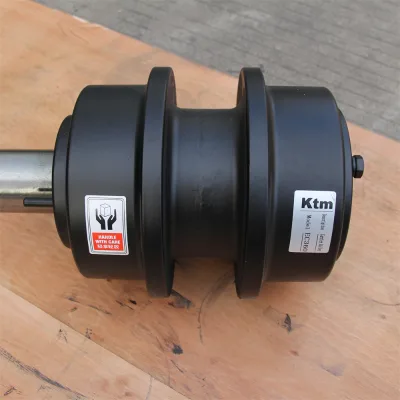


Excavator Bulldozer Undercarriage Parts Track Roller Bottom Roller Lower Roller
$150.00 - $300.00
MOQ: 1 Pieces


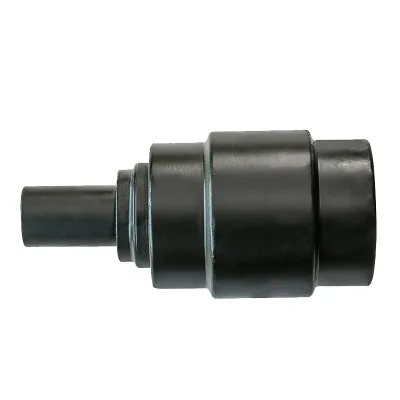
Comprehensive Sourcing Guide
Strategic Sourcing Guide for Excavator Undercarriage Carrier Rollers
Understanding Technical Specifications and Component Variability
The Excavator Undercarriage Carrier Roller is a critical load-bearing component designed to support the weight of the upper structure and guide the track chain during operation. When sourcing this specific part, buyers must recognize that the component is not a monolithic item but a highly variable product defined by the specific machinery model and operational environment. The supplied data indicates that carrier rollers are available for a diverse range of excavator models, including the PC200, EX120, E320, SK115, SK130, SK120, Ex210, PC400-5, PC40, and R35z. This wide spectrum of compatibility necessitates that procurement teams verify the exact model number of their equipment before initiating an order, as dimensions and mounting interfaces differ significantly between manufacturers and series.
Material composition is a primary technical differentiator. The observed supply chain data points to 35MnBH as a standard material for these components. This alloy steel is selected for its high strength and durability, which are essential for withstanding the immense compressive forces exerted by the track chain. The manufacturing process often involves forging or casting, with high-frequency quenching applied as a heat treatment method to enhance surface hardness and wear resistance. Buyers should verify that the specific unit they are purchasing has undergone this heat treatment process, as it directly correlates to the component's lifespan. The finish of the roller is typically described as smooth, which reduces friction and wear on the track chain. Additionally, the pitch of the crawler undercarriage is a critical dimension, with observed ranges spanning from 90 to 592. This variation underscores the importance of precise measurement when matching a replacement part to an existing machine, as an incorrect pitch will prevent proper chain engagement and lead to immediate operational failure.
Compliance, Certification, and Quality Assurance Protocols
In the B2B industrial sector, compliance with international standards is a non-negotiable aspect of procurement. The available product data highlights CE and ISO9001 certifications as common attributes for these carrier rollers. The CE marking indicates conformity with health, safety, and environmental protection standards for products sold within the European Economic Area, while ISO9001 signifies that the manufacturer adheres to a quality management system. However, buyers must exercise caution when interpreting these certifications. The data notes that some listings combine certification status with condition descriptions, such as "ISO9001: Condition:New," which suggests that the certification applies to the manufacturing process rather than the specific batch of goods. Therefore, procurement officers should request valid, up-to-date certification documents from the supplier rather than relying solely on product page assertions.
Quality assurance extends beyond paper certifications to the actual condition of the goods. The supply chain observations confirm that the standard condition for these parts is "100% new" or "New." This distinction is vital, as the market sometimes contains refurbished or used components that may not meet the performance expectations of heavy machinery operations. Furthermore, the data indicates that marketing types are often classified as "Ordinary Product," implying that these are standard replacement parts rather than proprietary or high-tech innovations. Buyers should verify the "High Guarantee" quality claim by requesting detailed quality control reports. It is important to note that the observed data explicitly states that Machinery Test Reports are "Not Available" for many listings. This absence means that buyers cannot rely on third-party test data provided by the supplier and must instead implement their own incoming quality inspection protocols or rely on the supplier's internal quality control processes.
Cost Drivers and Pricing Structure Analysis
The pricing for excavator undercarriage carrier rollers is influenced by several dynamic factors, including material costs, manufacturing complexity, and logistical expenses. The observed price range in the market spans from 10 to 5,000 USD. This wide variance is not indicative of a single product tier but rather reflects the diversity of models, sizes, and material specifications. A carrier roller for a small mini-excavator like the PC40 will naturally cost significantly less than a heavy-duty unit for a large model like the PC400-5 or E320. The cost is also driven by the customization level; while standard models are available, "Customized" options and specific requests for packing or color (such as Black or Yellow) may incur additional charges.
Payment terms are another critical component of the total cost of ownership. The data lists several accepted payment methods, including T/T (Telegraphic Transfer), Money Gram, Western Union, and Paypal. While these options offer flexibility, T/T is generally the standard for high-value B2B transactions due to its security and traceability. Buyers should be aware that the Minimum Order Quantity (MOQ) is observed to be as low as 1 piece, which allows for single-unit procurement for emergency repairs. However, the MOQ can extend up to 100 pieces for bulk orders. Understanding the relationship between volume and price is essential; while a single unit is accessible, purchasing in larger quantities often yields better unit economics, though the data does not specify exact volume discounts. The "High Guarantee" quality claim suggests that higher-priced items may offer better longevity, but this must be balanced against the immediate budget constraints of the project.
Typical Applications and Operational Environments
Excavator carrier rollers are primarily designed for use in construction works, as indicated by the "Applicable Industries" data. These components are integral to the undercarriage systems of various earth-moving machines, including excavators and bulldozers. The specific models listed, such as the PC200, EX120, and SK series, are commonly deployed in civil engineering, mining, road construction, and demolition projects. The operational environment for these parts is often harsh, involving exposure to dust, mud, rocks, and extreme temperatures. The 35MnBH material and high-frequency quenching process are specifically chosen to withstand these abrasive conditions.
The versatility of the carrier roller is further demonstrated by its availability for different machinery types. The data mentions both "Excavator" and "Bulldozer" applications, suggesting that the component design may be adaptable across different track-type machinery. The color of the roller is often customizable, with options including Black or Yellow, or "as customerize." This customization is not merely aesthetic; in some industrial settings, specific colors are required for safety visibility or to match the original equipment manufacturer (OEM) branding. The "Standard Pallet" and "Wooden Case" packing options indicate that these parts are designed for long-distance shipping and storage, ensuring they remain protected until installation. Buyers should consider the specific demands of their application site when selecting a roller, as the pitch range of 90–592 suggests that different track widths and tension requirements must be met for optimal performance.
Supplier Evaluation and Geographic Considerations
When evaluating potential suppliers, geographic origin plays a significant role in logistics and communication. The data reveals that products originate from multiple locations within China, including Ningbo, Fujian, and Quanzhou. Ningbo is a major port city known for its logistics capabilities, which can facilitate efficient shipping. Fujian and Quanzhou are also significant manufacturing hubs, particularly for machinery parts. The presence of suppliers in these regions suggests a mature supply chain for undercarriage components. However, buyers should verify the specific factory location rather than relying on general regional data, as the quality of manufacturing can vary between facilities even within the same province.
Supplier reliability is further assessed through their delivery capabilities and communication channels. The data indicates a delivery time range of 3 to 30 days, with some listings specifying "within 3 days" for specific orders. This variability highlights the importance of confirming lead times before placing an order, as rush orders may incur higher costs or require expedited shipping arrangements. The availability of OEM (Original Equipment Manufacturer) services is a key indicator of a supplier's capability to produce parts that meet exact specifications. The data confirms that OEM is "Avaliable," allowing buyers to source parts that are indistinguishable from the original manufacturer's output. Additionally, the "Customization" attribute suggests that suppliers are willing to adapt products to specific client needs, which is valuable for specialized machinery applications. Buyers should prioritize suppliers who demonstrate transparency in their production processes and offer clear communication regarding order status.
Quality Control and Long-Term Procurement Strategies
Effective quality control is paramount when sourcing critical undercarriage components. Since Machinery Test Reports are not universally available, buyers must establish their own verification methods. This includes inspecting the physical condition of the product upon receipt, verifying the "100% new" status, and checking for the specified material properties. The "High Guarantee" claim should be backed by a clear warranty policy; the data mentions a "6 month" warranty period, which provides a baseline for recourse in case of premature failure. Buyers should ensure that the warranty terms are clearly defined in the purchase agreement, covering defects in material and workmanship.
Long-term procurement strategies should focus on building relationships with reliable suppliers who can consistently deliver high-quality parts. The availability of "Video Outgoing-Inspection" is noted as "Not Available" in the data, meaning buyers cannot rely on remote visual verification of the product before shipment. Instead, buyers should consider requesting third-party inspection services or detailed photographic evidence of the production batch. The "Standard Pallet" and "Plywood Case/Pallet" packing options suggest that the suppliers are aware of the need for secure packaging, but buyers should verify that the packing meets their specific shipping requirements to prevent damage during transit.
Finally, the procurement process should account for the total cost of ownership, not just the initial purchase price. A carrier roller with a lower upfront cost but a shorter lifespan may result in higher downtime and replacement costs over time. By prioritizing suppliers who offer ISO9001 certification, use high-quality materials like 35MnBH, and provide clear warranty terms, buyers can mitigate these risks. The ability to customize the product, including color and packing, adds value by ensuring the parts fit seamlessly into existing operational workflows. Ultimately, a disciplined approach to verification, combined with a focus on long-term supplier partnerships, will ensure a steady supply of reliable carrier rollers for excavator operations.
FAQs
What material is used for excavator undercarriage carrier rollers?
The standard material used is 35MnBH alloy steel. This composition is selected for its high strength and durability to withstand compressive forces. Some listings also mention high-frequency quenching as a heat treatment process to enhance surface hardness.
Which certifications are available for these carrier rollers?
Common certifications include CE and ISO9001. These indicate conformity with safety standards and adherence to quality management systems. Buyers should verify that these certifications apply to the manufacturing process rather than just the specific batch of goods.
Can I customize the color and packing of the roller?
Yes, customization is available for color and packing. Colors can be black, yellow, or as requested by the customer. Packing options include standard pallets, wooden cases, or plywood cases based on specific client requirements.
What is the delivery time for excavator undercarriage carrier rollers?
Delivery times typically range from 3 to 30 days. Some specific orders may be fulfilled within 3 days. Buyers should confirm the exact lead time with the supplier before placing an order to ensure it meets project schedules.
Which excavator models are compatible with these carrier rollers?
These rollers are compatible with models like PC200, EX120, E320, SK115, and PC40. They also fit bulldozers and other machinery with crawler undercarriages. Buyers must verify the exact model number and pitch range before purchasing.
What is the minimum order quantity for carrier rollers?
The minimum order quantity can be as low as 1 piece. Bulk orders may require up to 100 pieces depending on the supplier. This flexibility allows for single-unit procurement for emergency repairs or small-scale projects.