Source Expandable Modern Mobile Space Capsule for Villa, Apartment, and Office
Explore 30 listings for the Expandable Modern Mobile Space Capsule, featuring steel structures, smart home systems, and thermal insulation. Compare dimensions, weights, and customization options to find the ideal modular unit for residential or commercial deployment.
Key considerations
Products List

Mobile Space Capsule Space Capsule House Prefabricated Space Capsule
$30000.00 - $36000.00
MOQ: 1 Pieces

Space Capsule House Portable Mobile Capsule House Comfortable Cabin Space Capsule
$30000.00 - $36000.00
MOQ: 1 Pieces

Luxury Mobile Home Space Capsule Small House Space Capsule Prefabricated Space Capsule
$30000.00 - $36000.00
MOQ: 1 Pieces

Luxury Prefab House Modern Space Capsule Home Space Capsule Mobile House
$30000.00 - $36000.00
MOQ: 1 Pieces

Capsule House Capsule Cabin Modern Space Capsule Mobile House Vessel House
$30000.00 - $36000.00
MOQ: 1 Pieces

Modern Space Capsule House Movable House Mobile Prefab Space Capsule House Vessel House
$30000.00 - $36000.00
MOQ: 1 Pieces

Space Capsule Prefabricated Prefabricated Modern Container Mobile Home Space Capsule
$13400.00 - $35000.00
MOQ: 1 Sets


High Quality Low Price Customizable Luxury Prefabricated Modern Mobile Space Capsule
$18000.00 - $18300.00
MOQ: 1 Pieces

House Mobile Home Prefabricated House Hotel Prefabricated Building Factory Space Capsule
$18000.00 - $18300.00
MOQ: 1 Pieces

Space Capsule Small Mobile House Modern Modular Home for Tourist Vacation
$12700.00 - $13000.00
MOQ: 1 Pieces

Relaxation Space Capsule Compact Mobile Residence and Prefabricated Structure Space Capsule
$15190.00 - $36090.00
MOQ: 1 Pieces

Portable Mobile Residence Space Capsule Modular House Detachable Space Capsule
$15190.00 - $36090.00
MOQ: 1 Pieces

Luxury High - Quality Space Capsule Modular Mobile Homes Can Be Prefabricated Space Capsule
$11000.00 - $34000.00
MOQ: 1 Pieces


Prefabricated House Modern Container Monolayer Mobile Space Capsule House
$22000.00 - $23000.00
MOQ: 1 Pieces


Comprehensive Sourcing Guide
Expandable Modern Mobile Space Capsule Sourcing Guide
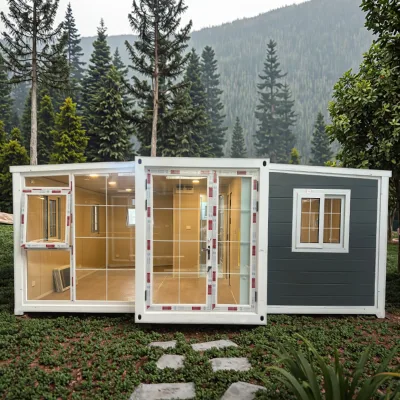
Sourcing expandable modern mobile space capsules requires a disciplined approach to distinguishing between marketing terminology and verifiable engineering specifications. These structures, often marketed under names like "space capsule houses," represent a niche segment of prefabricated modular housing that prioritizes rapid deployment, aesthetic distinctiveness, and compact logistics. Buyers must navigate a landscape where product attributes vary significantly between suppliers, ranging from simple steel frames to complex smart-home-integrated units. The core value proposition lies in the balance between the structural integrity of a permanent dwelling and the mobility of a transportable unit, making it essential to verify how the "expandable" or "capsule" design impacts both the initial footprint and the final usable area.
This guide provides a structured framework for evaluating these products based on observed market signals and technical realities. It focuses on critical decision points such as material composition, thermal performance, and compliance documentation, ensuring that procurement teams can mitigate risks associated with non-standard housing solutions. By adhering to evidence-based verification steps, buyers can align their procurement strategies with actual product capabilities rather than promotional claims. The following sections detail the specific technical, commercial, and operational factors that define a successful sourcing strategy for this specialized category of mobile architecture.
Product Scope and Observed Listing Signals
The current market for expandable modern mobile space capsules exhibits a wide variance in design philosophy and structural configuration. Observed listings indicate that products are frequently categorized under terms such as "Space Capsule House," "Triangular Shape," or specific model codes like "V6" or "BIOGREEN-LUCAS." These identifiers often correspond to distinct architectural forms, with some units featuring a triangular or capsule-like exterior that maximizes visual appeal while potentially constraining internal volume. Buyers should recognize that the term "space capsule" is largely a stylistic descriptor rather than a standardized engineering classification, meaning that internal layouts, floor counts, and structural reinforcements can differ drastically between suppliers offering similarly named products.
Application scenarios for these units range from residential villas and apartments to temporary commercial installations, reflecting their versatility. The observed data suggests that these structures are designed for fast installation and easy mobility, often utilizing a steel structure framework that provides the necessary durability for long-term use. However, the specific dimensions and layer configurations vary; for instance, some models are described as having a first floor of approximately 5550mm in length with a width of 4050mm, while others may feature a second floor with reduced width to accommodate the capsule shape. Procurement teams must carefully map these dimensional variations to their specific site constraints and functional requirements, as the "expandable" nature of some units may imply a change in footprint during deployment that differs from the static transport dimensions.
Technical Specifications to Verify
Technical verification must begin with the structural framework and material composition, which are critical for the longevity and safety of the unit. The primary structural element is typically a steel frame, with some suppliers specifying T88 hot-dip galvanized steel to ensure anti-corrosion properties, a vital feature for mobile units exposed to varying environmental conditions. Buyers should verify the thickness and grade of the steel, as well as the quality of the galvanization process, to prevent premature degradation. Additionally, the thermal insulation system is a key differentiator; observed specifications mention the use of 50mm or 100mm polyurethane thermal insulation foam, which directly impacts the unit's energy efficiency and habitability in extreme climates. Confirming the exact R-value or thermal conductivity of the insulation material is essential for meeting local building energy codes.
The internal configuration and smart home integration represent another layer of technical complexity that requires detailed scrutiny. Many modern space capsules are equipped with integrated smart home systems, allowing for remote control of lighting, climate, and security features. Buyers must verify the compatibility of these systems with existing infrastructure and the reliability of the electronic components used. Furthermore, the separation of wet and dry areas, often achieved through glass partitions, affects both the aesthetic and functional layout of the unit. The weight of the unit is also a critical technical parameter, with observed weights ranging from 4.0 tons to 8.0 tons depending on the size and configuration. This weight directly influences transportation logistics, requiring the use of specific container types, such as 40HQ containers, and potentially specialized lifting equipment for installation.
Compliance and Safety Documentation
Compliance with international and local standards is a non-negotiable aspect of sourcing expandable modern mobile space capsules. The most commonly observed certification in the market is CE, which indicates conformity with health, safety, and environmental protection standards for products sold within the European Economic Area. However, buyers should not assume that CE certification alone guarantees compliance with all local building codes in their target market. It is crucial to verify whether the supplier holds additional certifications, such as ISO for quality management or UL for electrical safety, particularly if the unit includes complex electrical systems or smart home integrations. These certifications provide evidence that the manufacturing processes and final products have undergone rigorous testing and quality control.
Safety features are another critical area for documentation review. The observed product attributes highlight features such as wind resistance, earthquake resistance, and leak-proof construction, which are essential for the structural integrity of mobile units. Buyers should request detailed engineering calculations or test reports that substantiate these claims, particularly regarding the unit's ability to withstand specific wind loads and seismic activities. The use of fire-resistant materials in the thermal insulation and interior finishes should also be verified, as this is a key safety requirement for residential and commercial applications. Ensuring that all safety documentation is up-to-date and recognized by local authorities will prevent legal complications and ensure the safe occupancy of the unit.
Cost Drivers and Commercial Terms
The cost of expandable modern mobile space capsules is influenced by several key drivers, including the size of the unit, the complexity of the smart home integration, and the quality of the materials used. Observed price ranges in the market vary significantly, reflecting differences in specifications and customization options. Buyers should be aware that the base price often excludes transportation, installation, and any site preparation costs, which can add substantial expenses to the total project budget. The weight and dimensions of the unit also impact logistics costs, as larger or heavier units may require specialized shipping arrangements and handling equipment.
Commercial terms such as minimum order quantity (MOQ) and customization options play a significant role in the procurement process. While some suppliers may offer MOQs as low as one set, allowing for single-unit purchases, others may require larger orders to achieve economies of scale. Customization is a common feature, with options for customized colors, logos, and interior layouts. Buyers should clearly define their customization requirements early in the sourcing process to avoid additional costs or delays. Payment terms, warranty periods, and after-sales support services, such as online technical support, should also be negotiated and documented in the contract to ensure long-term satisfaction and operational continuity.
Supplier Qualification and Quality Control
Supplier qualification is a critical step in mitigating procurement risks, particularly in a market where product standards can vary widely. Buyers should conduct thorough due diligence on potential suppliers, verifying their manufacturing capabilities, quality control processes, and track record in the industry. This includes assessing the supplier's ability to produce consistent quality across multiple units, especially if customization is involved. Requesting references from previous clients and visiting the manufacturing facility, if possible, can provide valuable insights into the supplier's operational efficiency and commitment to quality.
Quality control measures should be established throughout the production process, from raw material inspection to final product testing. Buyers should specify clear quality acceptance criteria in the purchase agreement, including tolerances for dimensions, material specifications, and functional performance of integrated systems. Third-party inspection services can be employed to verify that the delivered units meet the agreed-upon standards before shipment. Additionally, establishing a clear communication channel for addressing any defects or issues during the installation and initial use phase is essential for maintaining a productive supplier relationship and ensuring the long-term performance of the space capsule.
Long-Term Procurement Checks
Long-term procurement success depends on the durability and maintainability of the expandable modern mobile space capsules. Buyers should evaluate the expected lifespan of the unit, with observed specifications suggesting a lifespan of up to 30 years for well-maintained structures. This longevity is contingent upon the quality of the materials, particularly the steel frame and insulation, and the regular maintenance of the unit's exterior and interior components. Procurement teams should develop a maintenance plan that includes routine inspections of the structural integrity, thermal insulation, and smart home systems to prevent costly repairs and extend the unit's service life.
Sustainability and environmental impact are increasingly important factors in long-term procurement strategies. The observed product attributes highlight features such as eco-friendliness, recyclability, and low-cost environmental protection, which align with growing corporate sustainability goals. Buyers should verify the recyclability of the materials used in the construction of the unit and the energy efficiency of the integrated systems. By prioritizing sustainable procurement practices, organizations can reduce their environmental footprint and enhance their brand reputation. Additionally, staying informed about advancements in modular construction technology and smart home integration will enable buyers to make informed decisions about future upgrades or replacements, ensuring that their investment remains relevant and efficient over time.
FAQs
What is the life span of the V6 Space Capsule House?
The V6 Space Capsule House has a life span of 30 years. This durability is supported by its steel structure and anti-corrosion T88 hot-dip galvanized frame, ensuring long-term stability for villa or apartment applications.
Can the product be customized with specific colors or logos?
Yes, the product supports customization for colors and logos. Buyers can select customized colors, and the manufacturer offers logo customization services to meet specific branding or design requirements for the space capsule units.
What certifications does the Expandable Modern Mobile Space Capsule hold?
The product holds CE certification, and some models also include UL and ISO certifications. These standards ensure safety and quality compliance for the steel structure and thermal insulation components used in the capsule design.
How is the thermal insulation achieved in the space capsule structure?
Thermal insulation is achieved using 100mm or 50mm polyurethane foam depending on the model. This material provides effective thermal insulation, moisture proofing, and leak proofing for the triangular or rectangular capsule shapes.
What is the minimum order quantity for purchasing a space capsule?
The minimum order quantity is one set. Buyers can order a single unit, such as the V6 model, which is shipped via 40HQ containers and includes fast installation features for immediate deployment.
Which dimensions are available for the first and second floors?
Dimensions vary by model, with the first floor measuring 5550mm by 4050mm and the second floor measuring 5550mm by 2900mm. Other models offer areas ranging from 18 to 38 square meters with specific height configurations.