Source Expandable Waterproof Prefab Capsule House for Villa Hotel Office
Explore 30 Expandable Waterproof Prefab Capsule House options suitable for villas, hotels, and offices. Buyers can compare features like wind resistance, earthquake safety, and fast installation across various models and specifications.
Key considerations
Products List


High Quality Prefab Modular Space Capsule Efficient Portable Capsule House
$8000.00 - $20000.00
MOQ: 1 Pieces


Prefab Prefabricated Mobile Space Durable Weather Resistant Capsule House
$8000.00 - $20000.00
MOQ: 1 Pieces


Expandable Container Homes Prefab Expandable Houseexpandable Prefab House
$9999.00 - $10000.00
MOQ: 1 Sets

Fireproof Luxury Capsule Expandable Container House Mobile House Prefab Homes
$3900.00 - $4399.00
MOQ: 1 Sets


Prefab Capsule House for Eco Resort Projects with Expandable Space Layout
$410.00 - $485.00
MOQ: 1 Square Meters
Youran Mushe (Shandong) Cultural and Creative Technology Co., Ltd

Stylish Eco-Capsule Modern Capsule House Prefab House
$600.00 - $767.00
MOQ: 1 Square Meters
Youran Mushe (Shandong) Cultural and Creative Technology Co., Ltd


Eco-Tourism Development Modular Space Capsule Prefab House
$600.00 - $767.00
MOQ: 1 Square Meters
Youran Mushe (Shandong) Cultural and Creative Technology Co., Ltd

Sustainable Resort Space Capsule Modular House Prefab House
$600.00 - $767.00
MOQ: 1 Square Meters
Youran Mushe (Shandong) Cultural and Creative Technology Co., Ltd
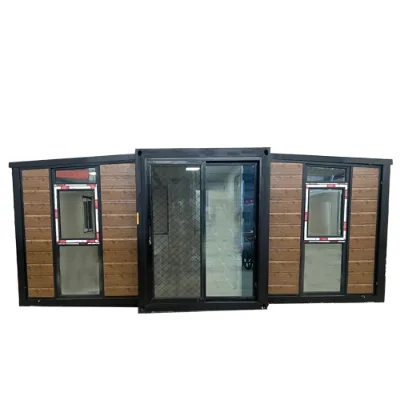


Expandable Quick Assembly Capsule House Prefab for Temporary Site Accommodation
$4100.00 - $7200.00
MOQ: 1 Sets


Comprehensive Sourcing Guide
Strategic Sourcing Guide for Expandable Waterproof Prefab Capsule Houses
The global demand for rapid-deployment, durable, and sustainable housing solutions has elevated the Expandable Waterproof Prefab Capsule House to a critical asset for modern procurement strategies. These modular units combine the structural integrity of steel or wood frameworks with advanced waterproofing and insulation technologies to deliver immediate occupancy. For procurement professionals, navigating the market requires a disciplined approach that distinguishes between marketing claims and verifiable technical specifications. This guide outlines the essential factors for sourcing these units, focusing on technical capabilities, compliance verification, cost structures, and long-term operational viability based on observed market data.
Technical Specifications and Structural Integrity
When evaluating expandable capsule houses, the primary technical differentiator lies in the structural framework and the specific engineering standards applied to the expandable mechanism. The observed market data indicates a divergence in material composition, with suppliers offering both steel structure and wood-based options. Steel structures, often cited as meeting standards for aluminum and steel frameworks, provide the necessary rigidity for multi-story configurations and high-wind environments. Conversely, wood-based units may offer specific thermal properties but require rigorous verification regarding moisture resistance.
A critical specification to verify is the wind resistance rating. Market observations list capabilities ranging from 12-grade typhoon resistance to Level 16 windproofing. Buyers must request specific engineering certificates or test reports that validate these claims, as the difference between a 12-grade and a 16-grade rating represents a significant variance in structural load capacity. Similarly, earthquake resistance is a non-negotiable safety feature for many applications. Data points suggest a Level 8 earthquake resistance capability, which should be cross-referenced with local building codes in the intended deployment region.
The thermal and waterproof performance is equally vital. The product attributes highlight a lifespan of up to 50 years, contingent on the maintenance of the sealing systems. The units are described as featuring double or triple tempered glass windows, which contribute to thermal insulation and safety. Furthermore, the "Bubble or Special Request" attribute indicates that some units are engineered to withstand extreme temperatures, with specific mentions of -40° capability. This suggests the inclusion of specialized insulation materials or heating systems suitable for arctic or high-altitude deployments. Buyers should explicitly confirm the R-value of the insulation and the specific waterproofing standards applied to the seams and joints, as these are the most common failure points in expandable structures.
Compliance, Certification, and Regulatory Standards
Navigating the regulatory landscape for prefab housing requires a meticulous review of certifications and standards. The supply chain for these units often originates from China, with specific manufacturing hubs in Guangzhou and Taiyuan. While the market data references ISO and CE certifications, buyers must treat these as baseline requirements rather than guarantees of universal compliance. The presence of an ISO certification generally implies adherence to quality management systems, while CE marking indicates conformity with health, safety, and environmental protection standards for products sold within the European Economic Area.
However, procurement teams must verify the specific scope of these certifications. A general ISO label does not automatically certify the structural safety of the specific model being purchased. Similarly, the HS code 940690 identifies the product as a prefabricated building, which is essential for customs classification but does not dictate performance metrics. Buyers should also investigate local building code compliance for the destination country, as standards for fire resistance, wind loads, and seismic activity vary significantly. For instance, while some listings mention a refractory time of 90 minutes, this specific metric must be validated against the fire safety regulations of the project site.
Additionally, the "Solution Capability" for CAD/3D design is a crucial compliance tool. Suppliers offering these services can generate detailed drawings that align with local engineering requirements, ensuring that the final product meets zoning laws and structural codes. This capability is particularly important for projects requiring custom modifications or integration with existing infrastructure. Buyers should ensure that the supplier's design team is capable of adapting the standard models to meet specific regulatory hurdles, rather than relying solely on off-the-shelf compliance.
Cost Drivers and Pricing Dynamics
The pricing for expandable waterproof prefab capsule houses exhibits a wide range, observed between $410 and $150,000 USD. This vast disparity is driven by several key variables, including the complexity of the expandable mechanism, the quality of materials, and the level of customization. The lower end of the price spectrum typically corresponds to basic, single-unit configurations with standard finishes and minimal insulation. In contrast, the higher price points reflect multi-story expandable units, premium steel structures, advanced thermal systems, and extensive customization features.
The Minimum Order Quantity (MOQ) is another significant cost driver. The data indicates an MOQ of 1 set, which allows for flexibility in procurement but may result in higher per-unit costs for single purchases compared to bulk orders. Buyers should negotiate based on volume, as the logistics of shipping a single unit can be disproportionately expensive. The shipping method, such as "Load Inside 40FT Hq Container Shipping" or "Naked" shipping, also impacts the final cost. Enclosed shipping protects the unit during transit but adds to the freight charges, while naked shipping requires the buyer to manage protective packaging and potential damage risks.
Furthermore, the "Fast Installation" and "Quick Installation" attributes suggest that labor costs and time-to-occupancy are critical components of the total cost of ownership. Units that can be deployed rapidly reduce on-site labor expenses and allow for earlier revenue generation in commercial applications like hotels or temporary offices. Buyers should calculate the total cost of ownership, factoring in not just the purchase price, but also installation labor, foundation requirements, and utility connections. The 50-year lifespan claim, if verified, significantly lowers the long-term cost per year, making higher initial investments in quality units more economically viable over time.
Typical Applications and Usage Scenarios
The versatility of expandable waterproof prefab capsule houses makes them suitable for a diverse array of applications. The observed usage data includes villas, dormitories, temporary offices, Airbnb rentals, medical facilities, and workshops. This breadth of application underscores the adaptability of the design to both residential and commercial needs. For the hospitality sector, the "Fast Installation" and "Eco-Friendliness" features are particularly attractive for resort developments or emergency accommodation, where rapid deployment is essential.
In the context of medical facilities, the "Waterproof" and "Safe" attributes are paramount. The ability to create sterile, easily cleanable environments with high thermal insulation is critical for temporary clinics or field hospitals. Similarly, for dormitories and temporary offices, the "Easily Movable" and "Earthquake Resistant" features provide the necessary flexibility for temporary workforce housing in remote or unstable regions. The "Villa" application highlights the potential for these units to serve as permanent or semi-permanent luxury housing, provided the customization options meet the aesthetic and functional expectations of high-end residential buyers.
The "Solution Capability" for CAD/3D design further expands the potential use cases, allowing for the creation of unique architectural forms that blend into specific environments. Whether for a remote mining camp, a disaster relief center, or a high-end eco-resort, the expandable nature of the capsule house allows for scalable solutions that can grow or shrink based on demand. Buyers should assess the specific requirements of their intended application, such as the need for medical-grade air filtration or the aesthetic demands of a luxury villa, to ensure the selected unit meets the functional criteria.
Supplier Evaluation and Quality Control
Selecting the right supplier is a critical step in the procurement process. The market data reveals that suppliers are located in various regions of China, including Guangzhou and Taiyuan. While the origin is a known factor, the quality of manufacturing varies significantly. Buyers should prioritize suppliers who demonstrate a robust "Solution Capability" and offer OEM (Original Equipment Manufacturer) services. The ability to customize colors, sizes, and internal layouts indicates a supplier's capacity to meet specific project requirements.
Quality control measures must be rigorous, particularly regarding the waterproofing and structural integrity of the units. The "Bubble or Special Request" packing method suggests that some suppliers prioritize protection during transit, but buyers should also request pre-shipment inspection reports. These reports should verify the integrity of the expandable joints, the quality of the tempered glass, and the effectiveness of the thermal insulation. Additionally, the "Customized" attribute implies that the supplier can tailor the product, but this also increases the risk of deviation from standard quality benchmarks.
Buyers should establish a clear quality assurance protocol that includes third-party inspections at the manufacturing site. This process should verify that the materials used, such as steel or wood, meet the specified standards and that the finished product adheres to the claimed lifespan and performance metrics. The "Fast Installation" feature should be tested to ensure that the assembly process is as efficient as advertised, minimizing on-site delays. By maintaining strict quality control standards, buyers can mitigate the risks associated with the wide price range and varying supplier capabilities in the market.
Long-Term Procurement and Lifecycle Management
The long-term viability of expandable waterproof prefab capsule houses depends on the durability of the materials and the ease of maintenance. The observed lifespan of 50 years is a significant selling point, but it requires consistent maintenance to achieve. Buyers should inquire about the availability of replacement parts, particularly for the expandable mechanisms and sealing systems. The "Eco-Friendliness" attribute suggests that the units are designed with sustainability in mind, but the end-of-life disposal or recycling options should also be considered.
The "Flexibly Combinable" feature allows for the expansion of the living or working space over time, which is a valuable asset for growing organizations. However, this flexibility must be managed through a clear maintenance schedule to ensure that the joints and connections remain secure. The "Waterproof" and "Moisture Proof" attributes are critical for preventing long-term degradation, especially in humid or coastal environments. Buyers should verify the warranty terms and the supplier's commitment to after-sales support, as these factors will influence the total cost of ownership over the 50-year lifespan.
Furthermore, the "Customized" nature of the units means that future modifications may be required. Suppliers who offer ongoing design support and the ability to upgrade the units with new technologies will provide better long-term value. The "OEM" capability ensures that the units can be branded or modified to suit specific corporate or institutional identities, adding to their long-term utility. By planning for the entire lifecycle of the product, from initial procurement to eventual decommissioning, buyers can maximize the return on investment and ensure that the expandable capsule houses remain a viable solution for decades.
FAQs
What certifications do expandable waterproof prefab capsule houses have?
These units typically carry ISO and CE certifications. Buyers must verify the specific scope of these labels to ensure they cover structural safety and local building code compliance for the intended deployment region.
How long is the expected lifespan of these prefab houses?
The observed lifespan for these units is up to 50 years. This duration depends on maintaining the sealing systems and insulation quality, which are critical for preventing moisture damage over time.
Can these houses withstand extreme weather conditions?
Yes, they offer wind resistance rated up to 12-grade typhoon or Level 16 windproofing. Some models also include specialized insulation to withstand temperatures as low as -40 degrees Celsius.
What is the minimum order quantity for purchasing these units?
The minimum order quantity is 1 set. This low threshold allows for flexible procurement, though single-unit purchases may incur higher per-unit logistics costs compared to bulk orders.
Which materials are used to construct these capsule houses?
Construction materials include steel structures, aluminum, and wood. Steel frames provide rigidity for high-wind environments, while wood options may offer specific thermal properties requiring moisture resistance verification.
How quickly can these expandable houses be installed?
They feature fast and quick installation capabilities. This reduces on-site labor expenses and allows for earlier occupancy, which is vital for commercial applications like hotels or temporary offices.