Source Matte High Pigmented Lip and Cheek Stick for Daily, Event, and Travel Use
Find and compare 30 Matte High Pigmented Lip and Cheek Stick options from verified Chinese manufacturers. Evaluate specifications such as GMPC and FDA certifications, waterproof formulas, and OEM/ODM customization services to find the right supplier for your brand.
Key considerations
Products List


Lip Gloss Starry Light Shining Velvet Matte Lipstick Matte Satin Lipstick
$0.63 - $0.65
MOQ: 500 Pieces


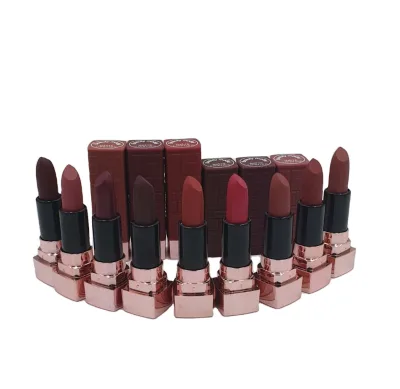


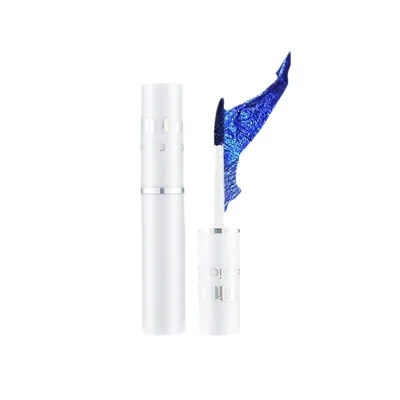


Comprehensive Sourcing Guide
Matte High Pigmented Lip and Cheek Stick Sourcing Guide
Sourcing matte high pigmented lip and cheek sticks requires a strategic approach to balancing intense color payoff with the specific formulation challenges of a dry, non-glossy finish. The observed market data indicates a diverse range of product models, such as the RH458, RH460, and various LS-series sticks, which often feature single-color or multi-colored options to suit different aesthetic preferences. Buyers must recognize that while the core keyword implies a specific finish, the actual product attributes observed include variations in main ingredients ranging from purely chemical to blends of mineral, herbal, and vegan components. This variability means that a "matte" claim must be verified against the specific ingredient list and texture profile of each supplier's offering, as the finish is heavily dependent on the ratio of waxes, oils, and pigments used in the stick formulation.
Commercial viability for this category is heavily influenced by the availability of customization and the flexibility of packaging options. The supply chain data confirms that customization is available across multiple models, allowing buyers to request private logos and tailored packaging formats like brown boxes, color boxes with shrink film, or standard cartons. However, the observed lead times for mass production consistently range between 25 to 35 days, a critical factor for procurement planning that must be integrated into inventory strategies. Buyers should also note that while some products are marketed with features like hydration and sun protection, the primary focus for a high-pigment matte stick often involves ensuring the formula remains stable and does not crack or fade, which requires rigorous testing of the specific model's performance claims against the intended usage for women's daily life or professional applications.
Product Scope and Observed Listing Signals
The product scope for matte high pigmented sticks in the current market encompasses a wide array of specifications, from 3.6g to 5g standard weights, with models like LS-022 and LS-021 representing regular size options. Listings frequently highlight the form factor as a solid stick, which is ideal for precise application on the lips and cheeks, yet the "matte" descriptor must be cross-referenced with the actual ingredient profile, as some products listed as "matte" may contain moisturizing agents like Vitamin E or herbal extracts that alter the final texture. The observed color options include both single-color and multi-colored variants, suggesting that suppliers can cater to both minimalist branding needs and complex, multi-shade product lines. Buyers should be aware that the "matte" finish is not a universal standard but a specific formulation outcome that varies by model, requiring sample verification to ensure the desired level of pigment density and dryness.
Listing signals also reveal significant diversity in the intended use and shelf life of these products, with some items explicitly designed for long-lasting maintenance and others offering a 2-3 year shelf life. The presence of certifications like GMPC, ISO, and FDA in the listings indicates a baseline of manufacturing quality, but the specific application—whether for daily life or professional use—must be confirmed against the product's feature set, such as waterproof capabilities or sun protection. While some models are described with keywords like "vegan lip balm," others focus on mineral or chemical ingredients, meaning the buyer must clearly define their target demographic's ethical and safety requirements before selecting a specific model. The observed price range of 0.23 to 2.6 USD suggests a highly competitive market where volume and customization level are the primary drivers of cost, rather than the base formulation complexity alone.
Technical Specifications to Verify
When evaluating technical specifications, the first priority is verifying the exact weight and volume of the stick, as observed standards vary from 4g to 5g and 4ml to 3.6g depending on the model. A matte high-pigment stick must maintain structural integrity without crumbling, which is directly related to the specific wax-to-oil ratio and the inclusion of binding agents like mineral or herbal ingredients. Buyers should request detailed formulation sheets for models such as HS-378 or LS-03 to confirm that the pigment load is sufficient to achieve the desired opacity without compromising the stick's ability to glide smoothly on the skin. The "Standard" field in supplier data often lists weight or volume, but this should be treated as a baseline; the actual fill level and the density of the pigment suspension must be physically tested to ensure consistency across batches.
Another critical technical verification involves the packaging and preservation of the product, as the observed packing methods range from simple brown boxes to color boxes with shrink film and full cartons. The choice of packaging can impact the product's longevity and the user's experience, particularly for a matte finish that may be prone to drying out if not sealed correctly. Buyers must verify that the packaging material is compatible with the specific formulation, especially if the product contains volatile solvents or sensitive herbal extracts. Additionally, the "Used for" attribute, which often specifies "Women" or "Lip," should be cross-checked with the product's physical dimensions and applicator design to ensure it meets the ergonomic expectations of the target market. The lead time of 25-35 days is a fixed constraint that must be factored into the timeline for any technical validation or sample approval process.
Compliance and Safety Documentation
Compliance and safety documentation are non-negotiable for importing cosmetic sticks, and the observed certifications provide a strong starting point for vetting suppliers. The listings frequently mention GMPC, ISO, MSDS, GMP, and FDA certifications, which indicate that the manufacturing facilities adhere to Good Manufacturing Practices and have established safety protocols. However, buyers must verify that these certifications are current and specifically cover the production of the model they intend to purchase, as a facility may hold a general ISO certification but lack specific FDA clearance for certain chemical ingredients. The presence of ISO22716:2007(E) certification is particularly relevant for cosmetic safety, as it outlines the specific guidelines for the production, control, storage, and shipment of cosmetic products, ensuring that the matte stick is produced in a hygienic and controlled environment.
Beyond facility certifications, the safety data sheet (MSDS) and ingredient disclosure are essential for regulatory compliance in the destination market. The observed main ingredients include chemical, herbal, and mineral components, some of which may require specific labeling or restrictions depending on local regulations. Buyers should ensure that the supplier provides a complete MSDS for every batch, detailing the concentration of each ingredient, including any potential allergens or restricted substances. The "Main Ingredient" field in the data often lists broad categories like "Chemical" or "Herbal," but the actual product must be accompanied by a precise INCI (International Nomenclature of Cosmetic Ingredients) list. This level of detail is crucial for avoiding customs delays and ensuring that the product can be legally marketed as a "vegan" or "mineral" product without making unsubstantiated claims that could lead to regulatory penalties.
Cost Drivers and Commercial Terms
The cost structure for matte high pigmented lip and cheek sticks is driven by a combination of raw material quality, customization complexity, and order volume. The observed price range of 0.23 to 2.6 USD reflects the significant variance between basic chemical formulations and premium blends containing herbal, vegan, or mineral ingredients. Buyers should anticipate that higher pigmentation levels and specialized matte finishes often command a premium, as they require more precise manufacturing processes and higher-quality raw materials to prevent issues like cracking or uneven color distribution. The MOQ range of 2 to 50,000 units offers flexibility, but the unit price will likely decrease as the order volume increases, making it essential to calculate the total landed cost rather than focusing solely on the per-unit price.
Commercial terms are heavily influenced by the customization requirements and the lead time constraints observed in the market. With a standard lead time of 25-35 days for mass production, buyers must plan their orders well in advance to avoid stockouts, especially if they require private labeling or custom packaging like color boxes with shrink film. The "OEM/ODM" attribute being "Warmly Welcomed" suggests that suppliers are open to tailored solutions, but this often comes with additional costs for mold development, logo printing, and packaging design. Buyers should negotiate clear terms regarding payment schedules, shipping responsibilities, and penalties for delays, as the 25-35 day window is a fixed operational constraint that can be impacted by raw material shortages or production bottlenecks. Understanding these commercial dynamics is key to maintaining a healthy profit margin while delivering a high-quality product to the end consumer.
Supplier Qualification and Quality Control
Supplier qualification for this category requires a rigorous assessment of their manufacturing capabilities and quality control systems, particularly given the diverse range of models and certifications observed. Buyers should prioritize suppliers who can demonstrate a consistent track record of producing matte sticks with high pigment density and stable formulations, as evidenced by their ability to meet the 25-35 day lead time without compromising quality. The presence of multiple certifications like GMPC, ISO, and FDA is a positive indicator, but it is essential to verify that these certifications are active and that the supplier has a dedicated quality assurance team to monitor the production of each batch. The "Customization" attribute being available is a strong sign of a flexible supplier, but it also implies a need for robust communication channels to ensure that the specific matte finish and color requirements are met accurately.
Quality control measures must extend beyond the final product inspection to include raw material verification and in-process testing. Since the main ingredients can vary from purely chemical to herbal and mineral blends, suppliers should have a system in place to test each batch for consistency in texture, color, and performance. Buyers should request sample batches for independent testing to verify claims such as "waterproof," "long-lasting," and "hydrating," as these attributes are not guaranteed by the supplier's internal standards alone. The "Shelf Life" of 2-3 years observed in some listings should be validated through stability testing to ensure the product remains safe and effective throughout its intended lifespan. Establishing a clear quality control protocol with the supplier, including regular audits and sample retention, is essential for maintaining brand reputation and consumer trust in the matte high pigmented stick category.
Long-Term Procurement Checks
Long-term procurement success for matte high pigmented lip and cheek sticks depends on establishing a sustainable relationship with suppliers who can adapt to changing market demands and regulatory landscapes. Buyers should regularly review the supplier's certification status and ensure that their manufacturing processes remain compliant with evolving international standards, such as updates to ISO22716 or new FDA guidelines. The "OEM/ODM" flexibility observed in the market is a valuable asset, but it requires ongoing collaboration to ensure that new product developments, such as new matte shades or vegan formulations, are executed with the same level of quality and consistency as the initial orders. Maintaining open communication regarding lead times and production capacity is crucial, as the 25-35 day window can be affected by external factors like raw material availability or logistical disruptions.
Finally, buyers must implement a system for continuous performance monitoring of the products they source, tracking metrics such as customer feedback, return rates, and market trends. The "Feature" set of the products, including attributes like "sunscreen" and "moisturizing," should be periodically re-evaluated against consumer expectations to ensure the product remains competitive. As the market for vegan and mineral-based cosmetics grows, suppliers who can pivot their formulations to meet these demands will be more valuable partners. Regular audits of the supplier's quality control processes and a review of their supply chain transparency will help mitigate risks and ensure that the matte high pigmented
FAQs
Can I customize the logo on matte high pigmented lip and cheek sticks?
Yes, customized private logos are warmly welcomed for these products. Buyers can request specific branding to align with their market identity. This customization service supports OEM and ODM requirements, allowing for distinct packaging and labeling solutions that meet specific business needs and brand guidelines.
What certifications are available for these lip and cheek sticks?
Products typically hold GMPC, FDA, ISO, MSDS, and GMP certifications. Some listings also reference ISO22716:2007(E) standards. These credentials ensure compliance with international safety and quality regulations, providing assurance for global distribution and regulatory approval in various markets requiring strict cosmetic manufacturing standards.
What is the typical lead time for mass production?
The lead time for mass production is generally 25-35 days. This timeframe allows for efficient manufacturing and quality control processes. Buyers should plan their inventory accordingly to account for this production window, ensuring timely delivery for seasonal launches or regular restocking requirements in their respective markets.
What are the main ingredients used in these sticks?
Main ingredients include chemical, herbal, and mineral components. Some formulations also feature Vitamin E and vegan-friendly elements. These diverse ingredient profiles cater to various consumer preferences, offering options for hydrating, moisturizing, and long-lasting effects while maintaining the desired matte and high-pigmented finish for lip and cheek application.
What packaging options are available for bulk orders?
Packaging options include brown boxes, color boxes with shrink film, cartons, and box packs. Specific models may use carton packs for efficient shipping. These varied packaging solutions support different branding strategies and logistical needs, ensuring product protection during transit while presenting an attractive appearance for retail display and consumer appeal.
What is the MOQ for these lip and cheek sticks?
The observed MOQ range is 2 to 50,000 units. This wide range accommodates both small trial orders and large-scale industrial purchases. Buyers can select quantities that fit their budget and storage capacity, with flexibility to start small and scale up production as market demand and sales performance justify increased volumes.