Source Explosion Proof Inductive Proximity Sensor for Industrial Automation
Find reliable Explosion Proof Inductive Proximity Sensor options for harsh environments. Compare 30 listings featuring DC voltage, IP67 protection, and metal construction. Evaluate specifications like switching output and infrared principles to select the right component for your automation needs; compare the available evidence and request quotations based on your requirements.
Key considerations
Products List


High Temperature Proximity Inductive Sensor with High Temperature 180º C
$20.00 - $25.00
MOQ: 5 Pieces


High Precision Inductive Proximity Sensor for Industrial Automation Equipment
$20.00 - $5000.00
MOQ: 1 Pieces


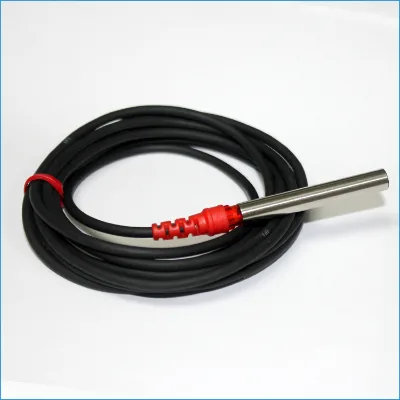


Comprehensive Sourcing Guide
Explosion Proof Inductive Proximity Sensor Sourcing Guide
Procuring explosion-proof inductive proximity sensors requires a rigorous understanding of the specific hazardous environments where these devices operate, such as chemical processing or mining sectors. Buyers must prioritize sensors designed to contain internal sparks and prevent external ignition sources from triggering an explosion in flammable atmospheres. The supplied data indicates a diverse range of industrial applications, including vehicle speed sensors and ABS systems, which often demand high reliability in vibration-prone settings.
When evaluating listings, procurement teams should verify that the sensor's construction materials, such as nickel-copper alloys or stainless steel, align with the corrosive or abrasive conditions of the target site. The observed product attributes highlight a focus on automation and industrial applications, suggesting that the sensors must withstand continuous operation without failure. It is critical to distinguish between standard industrial sensors and those specifically rated for explosive zones, ensuring the selected unit meets the rigorous safety protocols required for the intended deployment.
Product Scope and Observed Listing Signals
The market for these sensors presents a wide spectrum of specifications, with observed price ranges extending from $0.10 to $9,999, reflecting significant variations in build quality and safety ratings. Buyers should note that while some listings feature standard packaging, others specify sea or air shipping methods, indicating the need for careful logistics planning to prevent damage during transit. The presence of models like the KJT-JEX30-ZPK and NM-CYJ12S suggests a variety of form factors, including diffuse reflection types and infrared switches, which serve different detection needs.
Observations of material compositions, ranging from PTFE to metal and stainless steel, reveal that the physical durability of the sensor is a primary differentiator in this category. Some products explicitly state a protection degree of IP67, which is essential for environments exposed to dust and water, while others may lack such specific ingress protection ratings. Procurement teams must scrutinize the "Condition" and "Package" attributes to ensure they receive 100% original, new units rather than refurbished or generic components that may not meet explosion-proof standards.
Technical Specifications to Verify
Technical due diligence must focus on the sensor's operating principles, such as the eddy current or infrared methods observed in the data, to ensure compatibility with the target material. For instance, sensors designed to measure magnetic metals like iron and copper require specific proximity distances, often observed in the range of 0-2mm, which must be validated against the actual gap in the machinery. The working power requirements, noted as DC6-36V or AC90-250V, must match the facility's electrical infrastructure to prevent operational failures or safety hazards.
Buyers should also verify the physical dimensions and output signal types, as the data shows models with specific dimensions like 50mm(H)x20mm(W)*40mm(D) and switching output signals. The working temperature range, typically cited as -20 to +70 Centigrade, is a critical parameter for sensors deployed in extreme thermal environments. Additionally, the length of the output wire, which can be selected by the user, must be sufficient for the installation layout to avoid strain on the connections and potential signal degradation.
Compliance and Safety Documentation
Safety compliance is the paramount concern when sourcing explosion-proof equipment, and buyers must demand clear documentation of certifications such as CE, ISO, and RoHS. The observed listings frequently mention CE certification, but for hazardous locations, additional specific certifications like ATEX or IECEx are often required to legally operate in explosive atmospheres. Procurement teams should not assume that a standard CE mark is sufficient for explosion-proof applications and must request the specific test reports that validate the device's ability to contain internal explosions.
Documentation regarding the production process and material standards is equally vital to ensure the sensor's integrity under stress. The data indicates a "Normal Wirewound" production process for some components, but the specific manufacturing controls for explosion-proof housings must be verified. Buyers should insist on certificates of conformity that detail the testing procedures used to validate the IP rating and the material's resistance to ignition, ensuring that the product meets the rigorous safety standards of the industry.
Cost Drivers and Commercial Terms
The cost of explosion-proof inductive proximity sensors is heavily influenced by the complexity of the safety certification and the durability of the materials used. While the observed price range is broad, the lower end often corresponds to standard industrial sensors, whereas the higher end reflects units with specialized explosion-proof ratings and robust construction. Buyers must understand that the price difference is not merely a markup but a reflection of the rigorous testing and quality control processes required to ensure safety in hazardous environments.
Commercial terms such as Minimum Order Quantity (MOQ) and lead times vary significantly, with observed MOQs ranging from 1 to 100 units. The packaging methods, including standard export cartons or bubble bags, can impact the final cost and the risk of damage during shipping. Procurement teams should negotiate terms that account for the potential need for custom packaging or expedited shipping, especially when the sensor is critical to maintaining continuous production in a high-risk facility.
Supplier Qualification and Quality Control
Supplier qualification requires a deep dive into the manufacturer's location and their track record in producing safety-critical components. The data shows origins in Nanjing, Jiangsu, Shanghai, and Zhejiang, indicating a concentration of manufacturing capabilities in China. Buyers should verify that the supplier has a dedicated quality control department that performs rigorous testing on every batch, ensuring that the "New" condition and "100% Original Package" claims are accurate and verifiable.
Quality control processes must extend beyond the final inspection to include the verification of raw materials and the production environment. The observed attributes, such as "Customization Available" and "SemiConductor" features, suggest that suppliers may offer tailored solutions, but these customizations must undergo the same rigorous safety testing as standard models. Procurement teams should request evidence of the supplier's adherence to international standards and their ability to provide traceability for every component used in the sensor's construction.
Long-Term Procurement Checks
Establishing a long-term procurement strategy involves regular audits of the sensor's performance and the supplier's ability to maintain consistent quality over time. Buyers should implement a schedule for periodic re-verification of the sensor's specifications, including the IP rating and working temperature range, to ensure they have not degraded due to environmental exposure. The "Backlash" and "Proximity Distance" parameters must be monitored to detect any drift in performance that could compromise the safety of the system.
Continuous engagement with the supplier is essential to stay updated on any changes in safety standards or material availability. The observed "Standard Package" and "Sea or Air" shipping options should be reviewed annually to ensure they remain cost-effective and reliable. Procurement teams should also maintain a stock of spare sensors to mitigate the risk of downtime, ensuring that replacement units are sourced from the same qualified supplier to maintain consistency in safety and performance.
FAQs
What certifications are available for these sensors?
CE certification is available for these sensors. Some models also hold ISO and RoHS certifications. These standards ensure compliance with international safety and environmental regulations. Buyers should verify specific model requirements before procurement to ensure alignment with local industrial standards and operational safety protocols.
Can these sensors be customized for specific applications?
Yes, customization is available for these sensors. Buyers can request specific modifications to meet unique industrial automation needs. This flexibility allows for tailored solutions in various environments. Custom options may include specific dimensions or wiring configurations to integrate seamlessly into existing machinery and control systems.
What materials are used in these proximity sensors?
These sensors utilize materials such as Nickel-Copper Alloy, PTFE, and Stainless Steel. Metal housings provide durability in harsh industrial settings. The choice of material depends on the specific model and application requirements. Buyers should select materials that offer optimal resistance to corrosion and mechanical stress for their specific use case.
What is the IP rating for these devices?
The IP rating for these devices is IP67. This rating ensures protection against dust ingress and temporary water immersion. It makes the sensors suitable for demanding industrial environments. Buyers can rely on this protection level for applications where exposure to moisture or particulates is a common operational challenge.
Where are these sensors manufactured?
These sensors are manufactured in China, specifically in regions like Nanjing, Jiangsu, Zhejiang, and Shanghai. This origin indicates a strong supply chain presence in major industrial hubs. Buyers can expect efficient logistics and established manufacturing capabilities. The geographic location supports consistent production quality and reliable delivery schedules for global procurement needs.
What is the typical packaging for these products?
Products are packaged in standard export cartons, bubble bags, or original packages. Some shipments may include 1000 pieces per carton. Packaging options like sea or air freight are available. This ensures safe transit and protection against damage. Buyers should specify preferred packaging methods to align with their storage and handling requirements.