Source explosion-proof submersible sewage water pump for industrial, municipal, and marine uses
Compare 30 explosion-proof submersible sewage water pump options from verified Chinese manufacturers. These centrifugal pumps feature cast iron construction, electric motors, and CE/ISO certifications for diverse applications including sewage, sea water, and chemical transfer.
Key considerations
Products List


$199.00 - $2999.00
MOQ: 1 Pieces


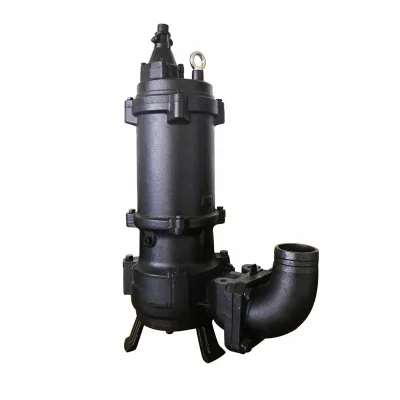
Customizable Material Explosion-Proof Underground Submersible Sewage Pump
$189.00 - $19999.00
MOQ: 1 Pieces


1.5kw-315kw Explosion-Proof High Head Underground Submersible Sewage Pump
$239.00 - $19999.00
MOQ: 1 Pieces


1.5kw-315kw Explosion-Proof Durable Underground Submersible Sewage Pump
$249.00 - $19999.00
MOQ: 1 Pieces

1.5kw-315kw Explosion-Proof Underground Submersible Sewage Pump Customized
$259.00 - $19999.00
MOQ: 1 Pieces


High-Performance Submersible Sewage Pump for Effective Drainage Solutions
$75.00 - $91.00
MOQ: 1 Pieces


Comprehensive Sourcing Guide
Strategic Sourcing Guide for Explosion-Proof Submersible Sewage Water Pumps
Understanding the Technical Architecture and Operational Scope
When sourcing explosion-proof submersible sewage water pumps, buyers must first distinguish between standard industrial pumps and those engineered for hazardous environments. The core keyword implies a device capable of operating in atmospheres where flammable gases, vapors, or dusts may be present, requiring specific containment and ignition prevention features. Based on available product data, the foundational architecture often relies on the centrifugal pump theory, specifically utilizing a single-stage structure to manage flow and head efficiently. The assembly type is frequently categorized as a liquid pump or submersible pump, designed to operate fully immersed in the media being handled.
The physical configuration of these units varies significantly based on the intended application. While some models are designed as horizontal pumps with a horizontal split casing, others may utilize a suction centrifugal mounting height. The impeller type is a critical technical differentiator; data indicates the availability of closed impellers and single-suction configurations. These design choices directly influence the pump's ability to handle solids, which is paramount for sewage applications. The media handled ranges from general sewage to specific industrial fluids like clarified water, slurry, chemical fluids, and oil transfer liquids. In terms of performance metrics, observed flow rates can span from 7 to 3000 cubic meters per hour, while head capabilities typically range between 8 and 45 meters, with specific high-performance models capable of exceeding 150 meters.
The driving mechanism is predominantly electric, utilizing an electrical motor as the primary driver. The speed of operation is variable, with observed ranges from 970 to 2900 RPM, allowing buyers to select units that match specific torque and speed requirements for their facility. Connection types are flexible, offering either belt or direct coupling options depending on the motor-pump alignment strategy. The material composition is a vital consideration for longevity; cast iron is a standard material observed in these listings, providing the necessary structural integrity for heavy-duty sewage handling. The color of the units is typically standardized in green, black, or grey, though this is a cosmetic attribute rather than a functional one.
Compliance Verification and Certification Standards
In the realm of explosion-proof equipment, certification is not merely a formality but a legal and safety imperative. Buyers must rigorously verify that the supplier possesses valid documentation proving compliance with international safety standards. The provided data confirms the presence of several key certifications, including CE, ISO, and SGS. Additional verification may reveal BV and TUV certifications, which are often required for specific regional markets or high-risk industrial zones. The product standards cited include ISO, SGS, and CE, with some manufacturers claiming adherence to "Class One" standards, which typically refers to the classification of hazardous areas where the equipment is permitted to operate.
When evaluating a potential supplier, the buyer must demand to see the actual certificate numbers and the specific scope of the explosion-proof rating. The term "explosion-proof" is a specific engineering classification (such as Ex d, Ex e, or Ex i) that must be explicitly stated on the nameplate and in the technical datasheet. Relying solely on a general "CE" mark is insufficient for hazardous environments, as CE covers a broad range of safety directives. The buyer should verify that the certification covers the specific motor and pump assembly combination, as the explosion-proof rating often applies to the entire unit, including the cable entry points and the motor housing.
Furthermore, the origin of the product plays a role in the certification process. Many of the listed products originate from Hebei, China, a region known for manufacturing industrial machinery. While this location is a hub for production, it necessitates a deeper audit of the supplier's quality management system. The presence of ISO certification suggests a commitment to standardized processes, but the buyer must ensure that the specific batch of pumps being ordered was manufactured under the same quality controls that earned the certification. The standard of "Class One" mentioned in the data suggests a high level of adherence to safety protocols, but this must be cross-referenced with the specific hazardous area classification of the buyer's facility.
Cost Drivers and Pricing Structure Analysis
The pricing for explosion-proof submersible sewage pumps is highly variable, influenced by a complex matrix of technical specifications, material costs, and certification overheads. The observed price range in the market spans from 40 to 30,000 USD. This vast disparity indicates that the base price is not a reliable indicator of value without a detailed breakdown of the unit's capabilities. The lower end of the spectrum likely corresponds to standard submersible sewage pumps with basic features, while the upper end reflects units with high head capabilities, specialized explosion-proof motors, and extensive customization.
Several specific factors drive the cost upward. First, the material of construction is a primary cost driver; while cast iron is common, the use of stainless steel or specialized alloys for the casing and impeller to resist corrosion in chemical or slurry applications will significantly increase the price. Second, the motor type and its explosion-proof rating are major cost components. A motor rated for a specific hazardous zone requires specialized winding, housing, and sealing, which adds substantial manufacturing costs compared to a standard electric motor. Third, the flow and head requirements dictate the size and power of the pump. Models capable of flows up to 3000 m³/h or heads exceeding 150 meters require larger, more robust components and more powerful motors, pushing the price toward the higher end of the observed range.
Customization is another significant cost factor. The data indicates that customization is available, which allows buyers to tailor the pump to specific site conditions. However, custom orders typically incur higher unit costs and may affect the minimum order quantity (MOQ). The observed MOQ range is between 1 and 5 units, suggesting that suppliers are flexible enough to accommodate small pilot projects or single-unit replacements, though bulk orders may yield better per-unit pricing. The packaging method, described as a standard wooden case or fumigated wooden case, also adds to the logistics cost, particularly for international shipping where fumigation certificates are required for export.
Typical Applications and Operational Environments
The versatility of submersible sewage pumps allows them to be deployed in a wide array of industrial and municipal settings. The primary application is in sewage treatment, where the pump must handle raw sewage containing solids without clogging. The "QW Series Non Clog Dewatering Submersible Sewage Pump" mentioned in the data is a prime example of a unit designed for this specific purpose. However, the applications extend far beyond simple sewage handling. The data lists applications including oil transfer, chemical pumping, slurry handling, and the pumping of clarified water. This versatility makes these pumps suitable for oil refineries, chemical processing plants, mining operations, and municipal water treatment facilities.
In the context of explosion-proof requirements, the application environment is critical. These pumps are essential in facilities where flammable vapors are present, such as petrochemical plants, gas processing stations, or areas with high concentrations of organic solvents. The ability to operate as a booster pump or a submersible pump in these environments ensures continuous fluid movement without the risk of ignition. The media handling capabilities, including sea water pumps and wear pumps, suggest that these units are also suitable for coastal desalination plants or abrasive slurry transport in mining.
The working pressure is another indicator of the application scope. The data notes that these pumps can function as high-pressure pumps, which is necessary for applications requiring long-distance fluid transport or high-lift scenarios. The maximum capacity of over 400 liters per minute indicates suitability for medium to large-scale operations. Whether the pump is used for dewatering a construction site, managing wastewater in a chemical plant, or transferring oil in a refinery, the selection must align with the specific media properties, including viscosity, temperature, and the presence of abrasive solids.
Supplier Evaluation and Quality Assurance Protocols
Selecting a reliable supplier for explosion-proof submersible pumps requires a rigorous evaluation process that goes beyond checking a product listing. Buyers should prioritize suppliers who can demonstrate a proven track record in manufacturing hazardous area equipment. The presence of certifications like CE, ISO, and SGS is a good starting point, but the buyer must verify the authenticity and scope of these certifications. It is advisable to request a copy of the quality management system certificate and the specific explosion-proof test reports for the model in question.
The supplier's location, such as Hebei, China, should be considered in the context of their logistics and after-sales support capabilities. The data mentions that engineers are available to service machinery overseas, which is a critical feature for international buyers. This service capability ensures that if a pump fails or requires maintenance, expert assistance is accessible, minimizing downtime. The supplier should also provide clear documentation regarding the assembly process, including details on the motor-pump coupling and the sealing mechanisms that ensure the explosion-proof integrity.
Quality control should be a collaborative effort between the buyer and the supplier. Buyers should insist on factory acceptance tests (FAT) where the pump is tested under simulated operating conditions before shipment. This includes verifying the flow rate, head, and power consumption against the stated specifications. For explosion-proof units, a pressure test and a spark test may be required to ensure the housing can contain an internal explosion without igniting the external atmosphere. The supplier's ability to provide a detailed inspection report and a certificate of conformity is essential for compliance with local safety regulations.
Long-Term Procurement and Lifecycle Management
Procuring an explosion-proof submersible sewage pump is a long-term investment that requires careful consideration of the total cost of ownership, not just the initial purchase price. The durability of the pump, determined by the material quality and the robustness of the design, will dictate the frequency of maintenance and replacement. Cast iron construction offers good durability, but the specific coating or treatment applied to the surface can significantly enhance resistance to corrosion and wear, especially in aggressive media environments.
The availability of spare parts is another critical factor for long-term procurement. Buyers should verify that the supplier maintains an inventory of common spare parts, such as impellers, mechanical seals, and bearings. The standard wooden case packaging suggests that the pump is designed for safe transport, but the buyer should also consider the ease of disassembly and reassembly for maintenance. The "New" condition of the submersible sewage pumps listed indicates that buyers should expect brand-new units, but the supplier should also offer refurbished or remanufactured options if the budget is constrained, provided they meet the same safety standards.
After-sales service is a key differentiator in the long term. The data highlights that engineers are available to service machinery overseas, which is a significant advantage for international buyers. This service network ensures that technical support is available for troubleshooting, installation guidance, and emergency repairs. Buyers should also consider the lead time for spare parts and the supplier's ability to handle urgent requests. A reliable supplier will have a clear policy for warranty claims and a structured approach to handling product failures, ensuring that the pump remains operational for its intended lifespan.
Summary of Key Technical and Commercial Parameters
To facilitate a streamlined comparison during the sourcing process, the following table summarizes the key technical and commercial parameters observed in the market for submersible sewage pumps. This data serves as a reference for buyers to benchmark potential suppliers and ensure that the selected product meets their specific operational requirements.
| Parameter | Observed Range / Specification | Notes for Verification |
|---|---|---|
| Product Type | Submersible Sewage Pump, Jet Pump, Booster Pump | Verify explosion-proof rating (e.g., Ex d, Ex e). |
| Theory | Centrifugal Pump | Confirm single-stage vs. multi-stage design. |
| Material | Cast Iron | Check for corrosion-resistant coatings or alloys. |
| Flow Rate | 7 - 3000 m³/H | Ensure flow matches system demand curve. |
| Head | 8 - 45m (Max >150m) | Verify max head capability for lift requirements. |
| Speed | 970 - 2900 RPM | Match motor speed to pump efficiency curve. |
| Power Source | Electric (Motor) | Confirm voltage and frequency compatibility. |
| Certifications | CE, ISO, SGS, BV, TUV | Request specific certificate numbers and scope. |
| Origin | Hebei, China | Verify factory audit and quality control processes. |
| Packaging | Standard/Fumigated Wooden Case | Check for export compliance and damage protection. |
| MOQ | 1 - 5 Units | Negotiate pricing for bulk orders. |
| Price Range | 40 - 30,000 USD | Correlate price with specific technical specs. |
| Service | Engineers Available Overseas | Confirm response time and service coverage area. |
By adhering to these guidelines and leveraging the provided data, buyers can make informed decisions that balance technical performance, safety compliance, and economic efficiency when sourcing explosion-proof submersible sewage water pumps.
FAQs
What certifications do explosion-proof submersible sewage pumps have?
These pumps typically hold CE, ISO, and SGS certifications, with some models also featuring BV and TUV marks. Buyers must verify that the specific explosion-proof rating applies to the entire motor and pump assembly for hazardous environments.
How is the material of these pumps constructed?
The primary material observed is cast iron, providing structural integrity for heavy-duty sewage handling. This material choice ensures durability against abrasion and corrosion in applications involving slurry, chemical fluids, and oil transfer.
Which flow rates and head heights are available?
Available flow rates range from 7 to 3000 cubic meters per hour with heads between 8 and 45 meters. Specific high-performance models can exceed a maximum head of 150 meters to meet demanding lift requirements.
Can these pumps be customized for specific needs?
Yes, customization is available to tailor units to specific site conditions and operational requirements. Buyers should note that custom orders may affect the minimum order quantity and unit pricing compared to standard configurations.
What is the origin and packaging for these pumps?
Most units originate from Hebei, China, and are shipped in standard or fumigated wooden cases. This packaging ensures protection during transit and meets international export requirements for machinery of this type.
How are the pumps driven and connected?
The pumps are driven by electrical motors and can be connected via belt or direct coupling. The impeller type is typically closed with a single-suction design to efficiently handle solids in sewage and slurry media.