Source Explosion Proof Submersible Motor Pump for Mining, Oil, and Wastewater
Explore 30 verified listings for the Explosion Proof Submersible Motor Pump designed for industrial safety. Buyers can compare specifications like voltage, capacity, and impeller types to find the right unit for hazardous environments.
Key considerations
Products List


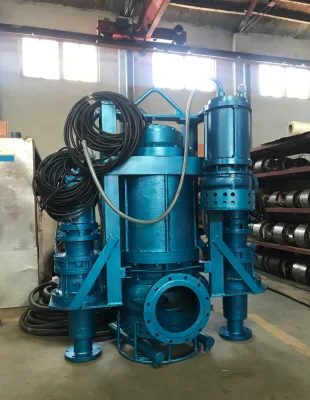
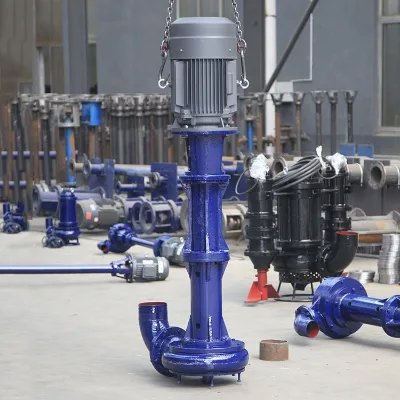


Submersible Pump Manufacturer Explosion-Proof High Pressure Electric Pump
$177.00 - $19999.00
MOQ: 1 Pieces


Comprehensive Sourcing Guide
Strategic Sourcing Guide for Explosion-Proof Submersible Motor Pumps
Procuring explosion-proof submersible motor pumps requires a rigorous approach that balances technical performance with stringent safety compliance. These specialized units are designed to operate in hazardous environments where flammable gases, vapors, or dusts may be present, necessitating construction that prevents internal ignition from propagating to the surrounding atmosphere. The following guide outlines the critical factors buyers must evaluate when sourcing these high-risk industrial assets, drawing upon observed market data and established engineering principles to ensure operational safety and procurement efficiency.
Technical Specifications and Operational Parameters
The core of any successful procurement strategy lies in matching the pump's technical specifications to the specific demands of the application. In the current market, explosion-proof submersible pumps exhibit a diverse range of configurations. Observed data indicates that these units often feature a Motor driving type, which is standard for electric submersible applications. The physical orientation of the pump shaft is a critical design choice; market listings show both Horizontal Pump and Vertical Pump configurations available. The selection between these depends heavily on the installation site's geometry and the fluid dynamics required. For instance, horizontal split pumps are often preferred for maintenance accessibility, while vertical joint surface pumps are common in deep well or sump applications.
Performance metrics vary significantly across different models. Buyers should verify the Max. Head capabilities, which in observed listings range from 110m to 150m, indicating suitability for high-lift applications. The Working Pressure classification is equally vital; the market presents options ranging from Middle Pressure Pump to High Pressure Pump units. Specific pressure ratings, such as 0.6MPa, may be observed in certain models, but these should be treated as examples rather than universal standards. The Impeller design is another key differentiator. Listings reveal a mix of Single Suction Pump and Double-Suction Pump types, as well as Closed impeller designs. The number of stages also varies, with Single-Stage Pump and Multistage Pump options available to achieve the desired head and flow characteristics.
Flow capacity is a primary constraint in system design. Observed data suggests a capacity range of 300-400 L/min for certain models, while others exceed 400 L/min. This variance underscores the necessity of calculating the exact hydraulic requirements before placing an order. Furthermore, the Medium Temperature tolerance is a safety-critical parameter; specific units are rated for media not exceeding 40°C, while others may have different thermal limits. The pH range of the fluid being pumped, often cited as 5-9 in standard listings, must align with the pump's wetted materials to prevent corrosion. Electrical specifications are equally complex, with voltage options including 380V, 660V, and 1140V, and power ratings spanning from 2.2kW to 315kW.
Compliance and Certification Verification
In the context of explosion-proof equipment, certification is not merely a formality but a legal and safety imperative. Buyers must demand verifiable proof of compliance with recognized international standards. The market data indicates that ISO certification is a common baseline, with some suppliers also holding SGS certification. However, for explosion-proof applications, ISO alone is insufficient. Buyers must verify specific explosion-proof certifications such as ATEX (Europe), IECEx (International), or UL (North America), depending on the jurisdiction of operation. The absence of these specific ratings in general product descriptions should trigger a request for detailed documentation.
The construction of the pump casing and motor housing must be designed to contain any internal explosion. The Pump Casing Combined type, whether Horizontal Split or Vertical Joint Surface, must be engineered to withstand internal pressure spikes without rupturing. The Influent Type of Impeller and the Impeller Number (Single or Multistage) also influence the internal pressure dynamics. Buyers should ensure that the Product Standard (e.g., 3'' or ss304 material specifications) aligns with the hazardous area classification. Material selection, such as ss304 stainless steel, is crucial for corrosion resistance, which indirectly affects long-term explosion-proof integrity by preventing wall thinning.
Cost Drivers and Pricing Structures
Understanding the cost drivers for explosion-proof submersible pumps is essential for budgeting and supplier negotiation. The observed price range in the market is exceptionally wide, spanning from 5 USD to 63,999 USD. This vast disparity is not indicative of quality variance alone but reflects differences in power rating, material composition, certification depth, and customization levels. A unit priced at the lower end of the spectrum likely represents a basic model with standard materials and lower power output, whereas the upper end includes high-power, high-head units with specialized explosion-proof motors and premium certifications.
Customization is a significant factor influencing cost. The market confirms that Customization is Available, allowing buyers to tailor specifications to their exact needs. However, this flexibility comes at a premium. OEM services are Acceptable, meaning buyers can request branding and specific design modifications, which adds to the unit cost. The Package type also affects the final price; options range from standard Wooden Package or Wooden Case Packaging to as Customer Requirement solutions. Larger or more complex packaging requirements for hazardous goods will increase shipping and handling costs.
The MOQ (Minimum Order Quantity) is another variable, with observed ranges from 1 to 100 units. Single-unit purchases often incur higher per-unit costs due to setup and logistics, while bulk orders may benefit from economies of scale. Buyers should also consider the Lead Time, which is not explicitly listed in the provided data but is a critical cost driver in procurement planning. Delays in production or shipping can impact project timelines and overall operational costs.
Typical Applications and Usage Scenarios
Explosion-proof submersible pumps are engineered for specific, high-risk environments where standard pumps would pose a severe safety hazard. The Usage category in the market data includes general Pump, Pumps, and Circulating Pump applications, but the explosion-proof variant is specifically targeted at industries dealing with flammable substances. Common applications include oil and gas extraction, chemical processing plants, wastewater treatment facilities handling volatile organic compounds, and mining operations where methane or coal dust is present.
The Item Name and Key Words observed in the market, such as "Hot Sell Submersible Pump Submersible Oil Pump" and "Hottest Fuel Dispenser," highlight the strong association with the oil and fuel sectors. These pumps are designed to handle Electric Oil Pump duties, moving hydrocarbons in submerged conditions. The Medium Temperature limit of 40°C suggests they are suitable for ambient or slightly heated fluids, but not for high-temperature industrial processes unless specifically rated. The Color options, typically Blue, Black, or as Per Your Request, are often chosen for visibility and safety coding in industrial settings.
Supplier Evaluation and Origin Analysis
Evaluating suppliers requires a focus on geographic origin and manufacturing capability. The Location data points to several key manufacturing hubs, including Xuzhou, Zhejiang. Wenzhou, and Shijiazhuang, China. These regions are known for their industrial manufacturing bases, but buyers must verify that the specific factory has the expertise to produce explosion-proof certified equipment. The Place of Origin being Zhejiang China (Mainland) or Shijiazhuang, China provides a starting point for due diligence.
Buyers should scrutinize the Condition of the product, which is listed as New. However, "New" does not guarantee quality; it merely indicates the item is not refurbished. The prod_model numbers, such as 10048-773, WQ50-15-5.5, and Qyb, serve as unique identifiers. Buyers should cross-reference these model numbers with the supplier's technical documentation to ensure they match the required specifications. The Size of the pump, often 3inch, and the prod_standard of 800500400 (likely referring to dimensions or a specific standard code) should be verified against the physical constraints of the installation site.
Quality Control and Inspection Protocols
Quality control for explosion-proof pumps must be rigorous and documented. The Certification status, including ISO and SGS, should be verified through third-party audits. Buyers should request test reports that specifically address the explosion-proof integrity of the motor and pump assembly. The Voltage ratings of 380V/660V/1140V must be tested to ensure they meet the specified tolerances without overheating. The Power range of 2.2-315kw indicates a wide spectrum of capabilities, and each unit must be tested at its rated load.
Inspection protocols should include a visual check of the prod_packing to ensure the Wooden Box or Wooden Case is robust enough to protect the unit during transit. The Package being as Customer Requirement implies that packaging standards can be negotiated, but the buyer must define these requirements clearly to prevent damage. The Condition of the pump upon arrival should be verified against the New status claim, checking for any signs of manufacturing defects or shipping damage.
Long-Term Procurement Considerations
Long-term procurement involves more than just the initial purchase price; it encompasses maintenance, spare parts availability, and lifecycle costs. The Customization and OEM options allow for future scalability, but buyers must ensure that the supplier can support the product over its entire lifespan. The Working Pressure and Max. Head ratings should be maintained with regular inspections to ensure the pump does not degrade over time. The Impeller type, whether Single Suction or Double Suction, affects wear rates and maintenance intervals.
Buyers should also consider the Original location and prod_origin when planning for spare parts logistics. Sourcing parts from the same region as the original manufacturing can reduce lead times and ensure compatibility. The Standard specifications, such as 3'' or ss304, should be maintained for replacement parts to ensure seamless integration. Finally, the Usage context should be re-evaluated periodically to ensure the pump continues to meet the evolving needs of the facility, particularly regarding fluid properties like pH and Medium Temperature.
Conclusion
Sourcing explosion-proof submersible motor pumps is a complex process that demands a deep understanding of technical specifications, safety certifications, and supplier capabilities. By carefully analyzing the observed market data and applying rigorous evaluation criteria, buyers can secure units that meet their operational needs while ensuring the highest standards of safety. The wide range of available options, from 300-400 L/min to >400 L/min capacities, and from Middle Pressure to High Pressure ratings, offers flexibility but requires precise selection. Ultimately, the success of the procurement lies in the buyer's ability to verify every claim, from the ISO certification to the Wooden Package integrity, ensuring a safe and efficient operation in hazardous environments.
FAQs
What certifications are available for these pumps?
ISO and SGS certifications are available for these pumps. Buyers should verify specific explosion-proof ratings like ATEX or IECEx for hazardous environments, as standard ISO alone is insufficient for safety compliance in flammable areas.
Which pump shaft positions are available for selection?
Both horizontal and vertical pump shaft positions are available for selection. Horizontal split pumps offer easier maintenance access, while vertical joint surface pumps are common for deep well or sump applications depending on site geometry.
Can I customize the packaging for these pumps?
Yes, customization is available for the packaging of these pumps. Options include wooden packages, wooden cases, or specific requirements per customer request, which may affect shipping costs and handling for hazardous goods.
What is the maximum head capacity for these units?
The maximum head capacity ranges from 110 meters to 150 meters for these units. This high-lift capability makes them suitable for demanding applications, though specific models may vary in their exact hydraulic performance limits.
Which voltage options are supported by these pumps?
These pumps support voltage options of 380V, 660V, and 1140V. Buyers must match these electrical specifications to their site power infrastructure to ensure safe and efficient operation without overheating or performance issues.
What is the minimum order quantity for these pumps?
The minimum order quantity ranges from 1 to 100 units for these pumps. Single-unit purchases may incur higher per-unit costs, while bulk orders often benefit from economies of scale in production and logistics.
Which impeller types are offered in this product line?
Single suction and double suction impeller types are offered in this product line. The choice depends on the required flow characteristics and head pressure, with closed impeller designs also available for specific fluid handling needs.