Source Waterproof Windproof Warm Windbreaker Jacket for Hiking Skiing Cycling
Find 30 verified options for a Waterproof Windproof Warm Windbreaker Jacket suitable for outdoor activities. Compare features like breathability, material composition, and customization availability from suppliers in China.
Key considerations
Products List


Waterproof Windbreaker Long Black Waterproof Rain Jacket for Outdoor Wear
$24.80 - $27.70
MOQ: 1000 piece

Custom Lightweight Waterproof Jacket Dry Coats Windbreakers Outdoor Jacket
$18.00 - $20.00
MOQ: 1000 piece


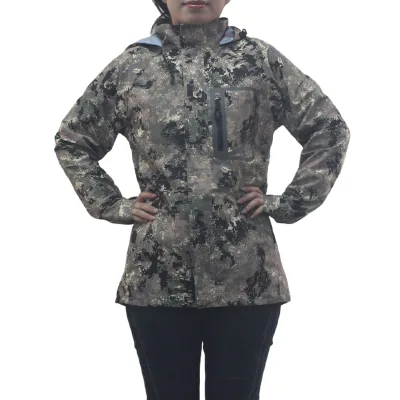
Custom High Quality Outdoor Camping Waterproof Windbreaker Jacket for Women
$31.54 - $37.76
MOQ: 2 pieces


Wholesales Hiking Jacket Outdoor High Quality Outdoor Windbreaker Jacket
$2.00 - $20.00
MOQ: 200 Pieces


Winter Wears Windproof Jacket Heated Waterproof Warm Jacket Men's Windbreaker
$21.00 - $37.00
MOQ: 100 Pieces


Unisex Lightweight Outdoor Windproof Waterproof Comfortable Windbreaker Jacket
$15.20 - $18.80
MOQ: 200 Pieces

Fashionable Waterproof Windbreaker Jacket with Hood for All Weather Protection
$13.60 - $15.30
MOQ: 500 Pieces


Women's Outdoor Windbreaker Breathable and Quick Dry Waterproof Jacket
$15.99 - $17.56
MOQ: 500 Pieces

Comprehensive Sourcing Guide
Strategic Sourcing Guide for Waterproof Windproof Warm Windbreaker Jackets
Understanding Technical Specifications and Material Composition
When sourcing a Waterproof Windproof Warm Windbreaker Jacket, the primary focus must be on the specific material composition and construction methods that define performance. The market offers a diverse range of options, from simple coated fabrics to complex multi-layer laminates. Based on current product data, the most common base material is polyester, often appearing as 300T Pongee or 240T Pongee. These variations in denier and weave density directly influence the fabric's durability and water resistance.
A critical distinction in technical specifications is the presence of a membrane or coating. Some listings indicate a "2 Layer" construction utilizing Polyester Pongee combined with a TPU (Thermoplastic Polyurethane) White Membrane. This configuration is designed to provide a balance between waterproofing and breathability. In contrast, other specifications list Nylon Talson with PU (Polyurethane) White Coating or PU Transparent Coating. The choice between TPU and PU coatings often dictates the jacket's longevity and its ability to withstand repeated washing cycles without degrading the waterproof layer.
The "warm" aspect of the core keyword implies specific lining or insulation requirements. While some jackets are marketed as lightweight or suitable for spring and autumn, others are explicitly categorized for winter use. Technical data suggests that lining materials can include polyester and acrylic blends, which contribute to thermal retention. For tactical or heavy-duty applications, the fabric may be described as a "Hard Shell," indicating a robust outer layer designed to withstand abrasion while maintaining the waterproof barrier. Buyers must verify if the listed material is a single layer with a coating or a multi-layer system, as this significantly impacts the jacket's ability to trap heat while allowing moisture vapor to escape.
Compliance, Certification, and Standard Verification
In the B2B procurement of functional outerwear, verifying compliance with industry standards is essential to mitigate risk. The provided data indicates that product standards can be "Customized" or specific to the material composition, such as "100% polyester." However, relying solely on material composition is insufficient for high-performance claims. Buyers should not assume that a jacket labeled "waterproof" meets international testing standards without explicit verification.
The origin of the product plays a significant role in the regulatory landscape. Manufacturing locations such as Guangzhou, China (Mainland), and Fujian & Xiamen, China, are prominent hubs for textile production. While these regions have robust supply chains, the specific factory's adherence to international safety and environmental standards must be independently confirmed. For instance, while some listings mention "Anti-Static" features, this is an attribute that requires specific testing protocols to validate. Similarly, claims regarding "Windproof" and "Waterproof" capabilities must be backed by test results from recognized laboratories, such as those adhering to ISO or ASTM standards, rather than just marketing descriptions.
Buyers should explicitly request documentation regarding the "prod_standard" field. If the standard is listed as "Customized," it implies that the manufacturer is willing to tailor the product to meet specific buyer requirements, but this also places the burden of specification definition on the buyer. It is crucial to define the required performance thresholds for water column pressure (e.g., mm of water) and breathability rates (e.g., g/m²/24h) before production begins. Without these defined numerical benchmarks, the term "waterproof" remains subjective and may lead to disputes regarding product quality upon delivery.
Cost Drivers and Pricing Dynamics
The pricing of waterproof windproof warm windbreaker jackets is influenced by a complex interplay of material costs, labor, and order volume. The observed price range in the market spans from $0.50 to $37.76 USD, a variance that reflects the difference between basic coated jackets and advanced multi-layer technical shells. The lower end of this spectrum typically corresponds to single-layer polyester or nylon jackets with basic PU coatings, often intended for casual or promotional use. The higher price points are associated with complex constructions involving TPU membranes, reinforced stitching, and specialized linings like acrylic blends for warmth.
Minimum Order Quantity (MOQ) is another significant cost driver. The observed MOQ range varies from 1 to 1000 units. Suppliers with lower MOQs often charge a premium per unit to cover setup costs and smaller production runs. Conversely, buyers committing to higher volumes, such as the 100-piece carton standard or larger bulk orders, can negotiate more favorable unit prices. The packaging method also impacts costs; options range from individual polybag packaging to bulk cartons containing 100 pieces. Custom packaging solutions, while offering branding opportunities, may incur additional fees that affect the final landed cost.
Furthermore, the customization level is a primary determinant of price. Products with "Customized" standards and specific color requirements, such as the "Any Color Are Available" option, allow for flexibility but may require minimum runs to be economically viable. Buyers must balance the desire for customization against the budget constraints. It is important to note that the "Winter" season classification often correlates with higher material costs due to the need for thicker linings or additional insulation layers, which are not present in "Spring/Autumn" or "Lightweight" variants.
Typical Applications and Usage Scenarios
The versatility of waterproof windproof warm windbreaker jackets makes them suitable for a wide array of applications, ranging from recreational sports to professional tactical operations. The observed usage categories include hiking, mountaineering, skiing, running, and cycling. For outdoor enthusiasts, the combination of windproof and waterproof features is essential for protection against unpredictable weather conditions in mountainous or coastal environments. The "Hoody" style is particularly prevalent in these categories, offering additional head protection during high-wind or heavy rain scenarios.
In the professional sector, the "Tactical Hard Shell Jacket" designation points to specific use cases in law enforcement, security, or military operations. These applications demand high durability and specific features such as anti-static properties, which are critical in environments where static electricity could pose a hazard. The "Working Clothes" classification further broadens the scope to include industrial workers who require protection from wind and rain while maintaining mobility. The "Leisure Jacket" pattern suggests a design that balances functionality with a casual aesthetic, suitable for everyday wear in urban or semi-rural settings.
The seasonal applicability is a key factor in matching the product to the intended use. Jackets designed for "Winter" are optimized for thermal retention and are likely to feature thicker linings or double-layer constructions. In contrast, "Spring/Autumn" jackets prioritize breathability and lightweight portability, making them ideal for active users who generate significant body heat. Buyers must align the product's seasonal rating with the climatic conditions of the end-user's location to ensure the jacket performs as expected.
Supplier Evaluation and Geographic Considerations
Evaluating suppliers requires a thorough understanding of the geographic distribution of manufacturing capabilities. The data highlights two primary production hubs: Guangzhou, China (Mainland), and Fujian & Xiamen, China. Guangzhou is historically known for its extensive textile and garment manufacturing infrastructure, often associated with a wide variety of styles and rapid turnaround times. Fujian and Xiamen, on the other hand, are renowned for their expertise in technical fabrics and outdoor apparel, particularly in the production of waterproof and windproof materials.
When assessing a supplier, buyers should verify the specific factory's capabilities regarding the materials they specialize in. For instance, a supplier in Fujian may have more experience with Nylon Talson and TPU membrane laminates, while a Guangzhou-based manufacturer might excel in polyester-based casual wear. The "Customized" nature of many product standards suggests that these suppliers are flexible, but buyers must confirm their ability to meet specific technical requirements before placing an order.
Supplier reliability is also indicated by their packaging and shipping standards. The observed packing methods, such as "1PC/ Polybag, 10PCS/ Big Bag, 100PCS/ CTN," provide insight into the supplier's logistical efficiency. A supplier that offers standardized, high-quality packaging is more likely to have robust quality control processes in place. Additionally, the "Customi" option for packing indicates a willingness to adapt to buyer needs, which is a positive sign for long-term partnerships. Buyers should request samples to verify the actual quality of the materials and the consistency of the manufacturing process before committing to large orders.
Quality Control and Long-Term Procurement Strategies
Implementing a rigorous quality control (QC) protocol is essential for ensuring that the sourced jackets meet the promised specifications. Given the variance in materials and construction methods, a one-size-fits-all QC approach is ineffective. Buyers should establish clear acceptance criteria based on the specific product model and material composition. For example, jackets with TPU membranes require testing for membrane adhesion and seam sealing, while those with PU coatings need verification of coating uniformity and durability.
Long-term procurement strategies should focus on building relationships with suppliers who demonstrate consistency in quality and flexibility in customization. The ability to produce "Customized" standards and offer various color options is a valuable asset for buyers looking to differentiate their product lines. However, this flexibility must be balanced with strict adherence to quality benchmarks. Regular audits and on-site inspections can help maintain these standards over time.
Buyers should also consider the lifecycle of the product. Jackets intended for "Winter" or "Tactical" use will undergo more rigorous wear and tear than "Lightweight" or "Leisure" variants. Ensuring that the selected materials and construction methods can withstand the intended usage environment is crucial for customer satisfaction and brand reputation. By focusing on technical specifications, verifying compliance, and maintaining open communication with suppliers, buyers can secure a reliable supply of high-performance waterproof windproof warm windbreaker jackets that meet the demands of the modern market.
FAQs
What materials are used for waterproof windproof warm windbreaker jackets?
Most jackets use polyester, often as 300T or 240T Pongee, sometimes combined with TPU or PU coatings. Some models feature Nylon Talson with PU transparent coating or acrylic blends for added warmth and durability in winter conditions.
Which features define a high-performance waterproof windproof jacket?
Key features include windproof, waterproof, and breathable properties, often with anti-static capabilities. Many designs incorporate a hoody style and are built with multi-layer constructions like 2-layer TPU membranes to ensure protection during hiking or skiing.
Can buyers customize the packaging for these jackets?
Yes, customization is available for packaging options such as polybags, big bags, or cartons containing 100 pieces. Suppliers often allow custom packing configurations to meet specific branding or logistical requirements for bulk orders.
What is the typical MOQ range for sourcing these jackets?
The minimum order quantity ranges from 1 to 1000 units depending on the supplier and customization level. Lower MOQs may incur higher per-unit costs, while larger orders often benefit from standardized packaging and better pricing tiers.
Where are these jackets typically manufactured?
Production is primarily located in Guangzhou, China, and Fujian or Xiamen, China. These regions are known for their textile infrastructure and expertise in producing technical fabrics like polyester pongee and nylon talson for outdoor apparel.
What seasonal applications are suitable for these jackets?
Jackets are designed for various seasons including winter, spring, and autumn. Winter models often feature thicker linings for warmth, while lightweight versions are ideal for spring and autumn activities like running or cycling in mild weather.