Source Fabric Bow Tie Hair Clip for Parties, Weddings, and Daily Wear
Explore 30 listings for the Fabric Bow Tie Hair Clip, featuring varied materials like satin, fur, and metal. Buyers can compare specifications, pricing, and customization options from suppliers in Zhejiang to find the perfect accessory for women and girls.
Key considerations
Products List
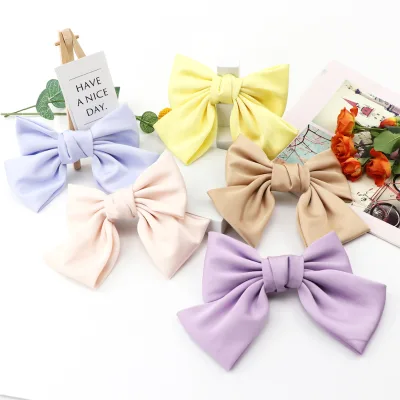


Bowknot Hair Clip for Women Fabric Pearl Headwear Simple Hair Jewelry Gift
$1.29 - $1.49
MOQ: 12 Pieces
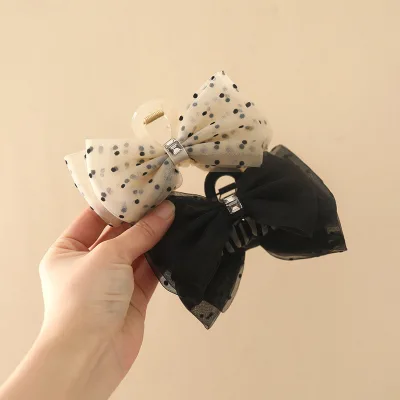


Comprehensive Sourcing Guide
Strategic Sourcing Guide for Fabric Bow Tie Hair Clips
The global market for hair accessories has seen a sustained surge in demand for items that blend traditional craftsmanship with modern aesthetic trends. Among these, the Fabric Bow Tie Hair Clip stands out as a versatile product capable of serving diverse consumer segments, from casual daily wear to formal wedding attire. For B2B procurement professionals, sourcing this specific item requires a nuanced understanding of material composition, manufacturing capabilities, and supply chain logistics. This guide provides a structured approach to evaluating suppliers and products, ensuring that procurement decisions are grounded in verified facts and industry best practices rather than speculative marketing claims.
Technical Specifications and Material Composition
When evaluating fabric bow tie hair clips, the primary technical differentiator lies in the material composition and structural design. The product specifications indicate a common construction involving a blend of Metal, Fabric, and often additional elements such as Leather, Crystal, Pearl, or Plastic to enhance visual appeal. The core structure typically utilizes metal for the clip mechanism to ensure durability and a secure hold, while the decorative bow is crafted from satin, fur fabric, or other textile materials to achieve the desired "sweet" or "fashionable" aesthetic.
Buyers must verify the specific material ratios and quality grades. For instance, some listings specify "Metal+Fabric" as the primary composition, while others include "Crystal" or "Pearl" as decorative accents. The fabric component is critical; satin offers a glossy, formal look suitable for weddings, whereas fur fabric provides a textured, cozy appearance ideal for casual or winter occasions. The clip mechanism itself should be inspected for elasticity and tension, as the "Elastic" and "Ribbon" features noted in product attributes suggest a need for flexibility to accommodate various hair types.
Furthermore, the physical dimensions are a key specification. Standardized sizes, such as a single package size of 20x25x4 cm or a product standard length of 10.5 cm, are common benchmarks. However, these dimensions can vary based on the model number, such as EGA80659, HL033, or HL001. Procurement teams should request detailed dimension sheets for each SKU to ensure compatibility with their target market's preferences. The weight is another technical factor; a single gross weight of 0.070 kg indicates a lightweight product, which is advantageous for shipping costs and user comfort.
Compliance, Certification, and Safety Standards
In the realm of hair accessories, compliance with safety and quality standards is paramount, particularly when targeting markets with strict regulations regarding children's products or general consumer goods. While specific certification statuses like ISO 9001:2015 or BSCI are often mentioned in broader industry contexts, buyers must treat these as verification targets rather than guaranteed attributes of every listing. The presence of a "Factory: Yes" designation suggests direct manufacturing, which can facilitate better quality control, but it does not automatically confer certification status.
Buyers should explicitly request proof of compliance for the specific materials used. For products containing metal, fabric, and potential decorative elements like plastic or crystal, testing for heavy metals, phthalates, and flammability is essential. The "Condition: 100 Brand New" attribute is a baseline expectation, but it must be backed by quality assurance protocols. Suppliers should be able to provide test reports or certificates of analysis for the raw materials, particularly if the product is marketed for "Youth" or "Girls," as these demographics often trigger stricter safety requirements.
Additionally, the "OEM/ODM: Acceptable" and "Customization: Available" attributes indicate that the supplier can adapt the product to meet specific regulatory needs. This includes customizing packaging to meet local labeling laws or altering material compositions to comply with regional chemical restrictions. Procurement teams must verify that the supplier has the capacity to generate the necessary documentation for the destination market, ensuring that the "Logo: Customerized" option does not compromise the integrity of the product's compliance markings.
Cost Drivers and Pricing Dynamics
The pricing of fabric bow tie hair clips is influenced by a complex interplay of factors, including material costs, labor intensity, and order volume. The observed price range of 0.1 to 5.5 USD reflects the variability in product complexity and customization levels. Basic models with simple metal clips and standard fabric bows will likely sit at the lower end of this spectrum, while premium versions featuring crystals, pearls, or intricate fur designs will command higher prices.
Minimum Order Quantity (MOQ) is a significant cost driver. The observed MOQ range of 10 to 3200 pieces indicates a flexible supply chain, but it also highlights the importance of volume in determining unit cost. Suppliers with an MOQ of 100 pieces, as noted in high-confidence facts, may offer better economies of scale compared to those requiring 3200 pieces. However, for buyers with smaller budgets or those testing new markets, suppliers accepting "Small Orders" or having an MOQ of 10 can be advantageous, albeit potentially at a higher per-unit cost.
The "Supply Ability" of 10000 pieces per month is another critical metric. Suppliers with high production capacity can offer more competitive pricing due to efficient resource utilization, but they may also have longer lead times if the order volume approaches their maximum capacity. Conversely, suppliers with lower capacity might offer faster turnaround for small orders but could struggle with large-scale procurement needs. Buyers should analyze the trade-off between unit price and lead time, ensuring that the "Sample Time" of 3-5 days aligns with their product development timeline.
Typical Applications and Market Segmentation
Fabric bow tie hair clips are highly versatile, finding applications across a wide range of occasions and demographics. The product attributes list "Party, Festival, Casual, Gift" and "Daily Use" as primary occasions, indicating that these items are not limited to a single niche. The "Style" attributes, such as "Japan and Korean Style," "Cute," "Sweet," and "Wedding," suggest that the product appeals to fashion-conscious consumers looking for trendy, aesthetic accessories.
The target gender is predominantly "Women, Ladies, Girls," with a specific mention of suitability for "Youth." This demographic segmentation is crucial for marketing and product selection. For example, "Wedding" applications require a more refined aesthetic, possibly utilizing satin and pearl accents, while "Casual" or "Daily Use" items might focus on durability and comfort with simpler fabric designs. The "Season: Whole Year" attribute confirms that these products are not seasonal in nature, allowing for year-round procurement and inventory planning.
Buyers should consider the "Feature" attributes like "Fashionable" and "Sweet" when curating their product lines. These descriptors align with current fashion trends that favor playful, romantic, and elegant accessories. The "Keyword" data, including "Bow Hair Clip," "Satin," and "Fur Fabric," further reinforces the product's identity as a style-focused item. Understanding these applications helps buyers tailor their sourcing strategy to specific market segments, whether they are targeting bridal boutiques, casual fashion retailers, or gift shops.
Supplier Evaluation and Production Capabilities
Evaluating suppliers for fabric bow tie hair clips requires a thorough assessment of their production capabilities, customization options, and logistical readiness. The "Brand Name: OEM" and "Holly" designations suggest that many suppliers operate as original equipment manufacturers, offering white-label or custom-branded solutions. The "Factory: Yes" attribute is a strong indicator of direct manufacturing control, which can lead to better quality consistency and cost efficiency.
Buyers should prioritize suppliers who demonstrate flexibility in "OEM/ODM" services. The ability to customize packaging, such as the "1 pcs per OPP bag" standard or specific custom packaging requests, is a valuable service that can enhance brand presentation. Additionally, the "Logo: Customerized" option allows for brand differentiation, which is essential for retailers looking to build a unique identity.
Logistical factors, such as the "Port of dispatch" (Ningbo, Shanghai) and "Place of Origin" (Zhejiang, China), are also critical. These locations are major manufacturing hubs in China, known for their textile and accessory industries. Buyers should verify the supplier's proximity to these ports to ensure efficient shipping and reduced transit times. The "Single package size" and "Single gross weight" data are essential for calculating freight costs and optimizing container loading.
Quality Control and Long-Term Procurement Considerations
Maintaining consistent quality is the cornerstone of successful long-term procurement. The "Condition: 100 Brand New" attribute is a baseline, but buyers must implement rigorous quality control measures to ensure that every unit meets their standards. This includes inspecting the metal clips for rust or sharp edges, verifying the fabric stitching for durability, and checking the adhesion of decorative elements like crystals or pearls.
The "Sample Time" of 3-5 days provides an opportunity for buyers to evaluate product quality before committing to a large order. Buyers should use this phase to test the product under real-world conditions, assessing its performance in various hair types and environments. The "Packing Details" and "Packaging" specifications, such as "1PC/OPP Bag," should be reviewed to ensure they protect the product during transit and meet retail presentation standards.
For long-term procurement, buyers should consider the "Supply Ability" and "Lead Time" to ensure a stable supply chain. A supplier with a capacity of 10000 pieces per month can support growth, but buyers must also plan for potential disruptions. Establishing a relationship with a supplier that offers "Small Orders: Accepted" can provide flexibility for reordering or testing new designs without the pressure of high inventory costs.
Comparative Analysis of Product Attributes
To facilitate decision-making, the following table summarizes key product attributes observed in the market, highlighting the variations that buyers should consider during the sourcing process.
| Attribute Category | Specific Observation | Procurement Implication |
|---|---|---|
| Material Composition | Metal+Fabric, Crystal, Pearl, Plastic, Leather | Verify material safety and durability; select based on target occasion (e.g., Wedding vs. Casual). |
| Model Numbers | EGA80659, HL033, HL035, HL001, JMBAMBOO | Use specific models to track inventory and ensure consistency across orders. |
| MOQ Range | 10 to 3200 pieces | Align order volume with budget and storage capacity; negotiate for lower MOQs if testing. |
| Packaging | 1 pcs/OPP Bag, Customizable | Assess packaging costs and branding opportunities; ensure protection during shipping. |
| Origin & Port | Zhejiang, China; Ningbo/Shanghai | Calculate freight costs and lead times based on port proximity and shipping routes. |
| Customization | OEM/ODM Acceptable, Logo Customized | Leverage customization for brand differentiation; verify capability for small runs. |
| Style & Occasion | Japan/Korean Style, Wedding, Party, Daily Use | Match product style to target demographic and seasonal trends. |
Conclusion
Sourcing fabric bow tie hair clips requires a strategic approach that balances technical specifications, cost efficiency, and quality assurance. By focusing on verified attributes such as material composition, model numbers, and supply capabilities, buyers can navigate the market with confidence. The flexibility offered by OEM/ODM services and the wide range of occasions for which these products are suitable make them a valuable addition to any accessory portfolio. However, success depends on rigorous supplier evaluation, clear communication of requirements, and a commitment to maintaining high quality standards throughout the supply chain. Buyers who adhere to these principles will be well-positioned to capitalize on the enduring appeal of this versatile and fashionable accessory.
FAQs
What materials are used to make these hair clips?
These clips are constructed from metal, fabric, and often include leather, crystal, or pearl accents. The specific combination varies by model, with some using satin or fur fabric for the decorative bow while the clip mechanism remains metal for durability.
Can I customize the packaging for this product?
Yes, customization is available for packaging details beyond the standard single piece per OPP bag. Buyers can request specific custom packaging designs, though they must communicate these requirements directly to the supplier to ensure the logo and branding are applied correctly.
What is the minimum order quantity for this item?
The minimum order quantity is typically 100 pieces, though some suppliers may accept smaller orders starting from 10 pieces. The exact MOQ depends on the specific supplier and whether they offer small order acceptance or require larger volumes for better pricing.
How long does it take to receive a sample?
Sample preparation time is generally between 3 to 5 days for the supplier to produce and ship the item. This timeline allows buyers to verify product quality and design details before committing to a larger bulk order for their business needs.
Which styles are available for these hair accessories?
Available styles include Japan and Korean fashion trends, as well as cute, sweet, and wedding designs. The product features a bowknot shape and is suitable for various occasions like parties, festivals, and daily use, catering to women, ladies, and girls.
Where are these products manufactured and shipped from?
The products originate from Zhejiang, China, and are dispatched from major ports like Ningbo or Shanghai. This location is a key manufacturing hub, ensuring efficient logistics and access to a wide range of textile and accessory production capabilities.
What is the monthly supply capacity of the factory?
The factory has a supply ability of 10,000 pieces per month to meet ongoing demand. This capacity supports both small and large orders, provided the buyer plans ahead to align with the production schedule and any potential lead time variations.