Source Faceted Pink Crystal Quartz Beads for jewelry, crafts, and decor
Compare 30 listings of Faceted Pink Crystal Quartz Beads from verified suppliers in China. Buyers can evaluate prices, MOQs, and customization options for jewelry making, craft projects, and home decor applications.
Key considerations
Products List










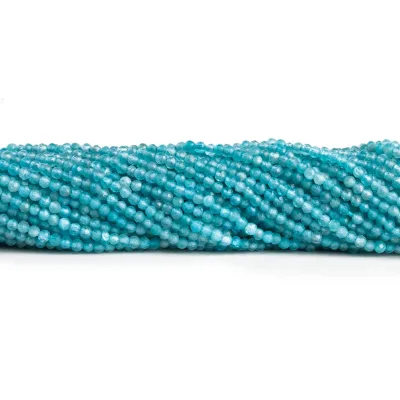

Comprehensive Sourcing Guide
Faceted Pink Crystal Quartz Beads Sourcing Guide
Sourcing Faceted Pink Crystal Quartz Beads requires a nuanced understanding of the distinction between natural mineralogy and laboratory-created alternatives, as the market is heavily populated by synthetic glass and lab-grown stones that mimic the aesthetic of genuine rose quartz. Buyers must first clarify whether the procurement goal is for high-end jewelry requiring certified natural stone or for fashion accessories where cost-efficiency and color consistency are paramount. The observed market signals indicate a significant presence of synthetic glass products labeled with terms that may confuse less experienced purchasers, making it essential to verify the actual gemstone material before committing to large orders. This guide provides a structured approach to navigating these complexities, ensuring that procurement teams can identify suppliers who accurately represent their inventory and meet specific quality standards.
The following sections detail the technical specifications, compliance requirements, and commercial terms associated with this product category. By focusing on verifiable attributes such as cut precision, color consistency, and origin transparency, buyers can mitigate the risks associated with mislabeled goods. The guidance herein is derived from observed listing data and general industry knowledge, providing a framework for due diligence rather than a recommendation for specific vendors. This disciplined approach ensures that sourcing decisions are based on factual evidence and clear contractual terms, protecting the buyer from potential disputes regarding product authenticity and quality.
Product Scope and Observed Listing Signals
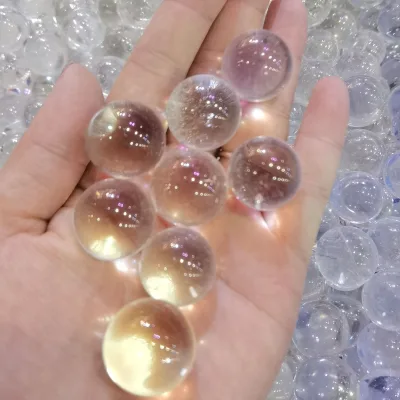
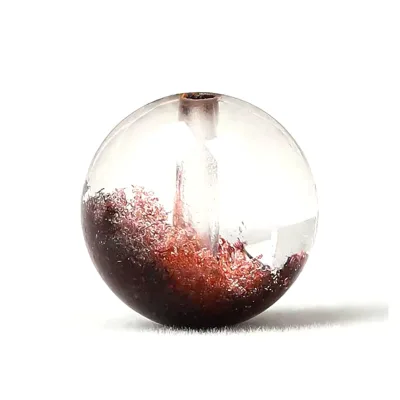
The current market landscape for Faceted Pink Crystal Quartz Beads is characterized by a wide variance in material composition, with many listings offering synthetic glass or lab-created stones rather than natural quartz. Observed data reveals that a significant portion of available inventory consists of glass-based products, often polished to achieve a high-gloss finish that mimics the refractive properties of natural stone. Buyers should be aware that terms such as "crystal" or "quartz" in product titles do not always guarantee natural origin, and many suppliers explicitly list "Glass Stone" or "Synthetic" as the material type. This distinction is critical for pricing and end-use, as natural quartz commands a premium price and requires different handling and certification compared to mass-produced synthetic alternatives.
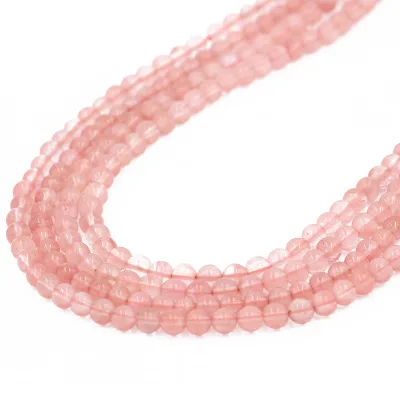
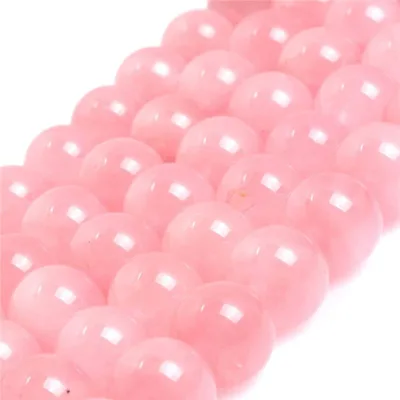
Color variations in these beads range from standard pink to specific shades like red, blue, and green, with some suppliers offering customization options to meet specific design requirements. The observed listings indicate that faceted round beads are a dominant format, with sizes ranging from small diameters like 6mm to larger dimensions up to 20mm, and even mixed shapes such as pear cuts. This variety allows for flexible design applications, but it also introduces complexity in quality control, as maintaining consistent color and facet alignment across different sizes and shapes can be challenging for suppliers. Buyers must carefully review product descriptions to ensure that the specific color and shape requirements align with the supplier’s actual capabilities, rather than relying on generic category tags.
Technical Specifications to Verify
When evaluating technical specifications, the precision of the faceting and the consistency of the bead shape are paramount for ensuring high-quality finished jewelry. The observed data highlights that faceted round beads are commonly available, with specific models indicating a "Round Faceted Cut" and polished surface treatments. Buyers should verify that the facets are evenly spaced and symmetrical, as poor cutting can lead to light leakage and a dull appearance, reducing the perceived value of the final product. Additionally, the size tolerance should be clearly defined, as beads listed as 6mm may vary in actual diameter, affecting the fit and drape of the finished piece. Requesting physical samples is essential to assess the quality of the polish and the accuracy of the dimensions before placing bulk orders.
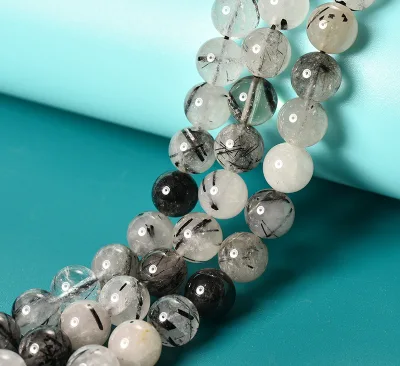
Quality grading systems vary significantly across suppliers, with terms like "AAA" and "AA" being used to denote different levels of clarity and color saturation. In the context of synthetic and glass beads, these grades often refer to the absence of visible bubbles, scratches, or color inconsistencies, rather than natural inclusions found in gemstones. Buyers must clarify with suppliers what specific criteria define their quality grades, as there is no universal standard for synthetic materials. Furthermore, the origin of the beads, whether from Wuzhou, China, or other regions, can provide insights into the manufacturing capabilities and supply chain reliability. Understanding these technical nuances helps buyers set realistic expectations and establish clear quality benchmarks in their purchase agreements.
Compliance and Safety Documentation
Compliance with international safety standards is a critical consideration when sourcing beads for jewelry, particularly if the end products are intended for markets with strict regulatory requirements such as the European Union or the United States. Buyers must ensure that the beads do not contain harmful substances such as lead, cadmium, or other heavy metals that could leach out during wear. While the supplied facts do not specify certification status, it is standard practice for reputable suppliers to provide test reports from accredited laboratories to verify compliance with regulations like REACH or CPSIA. Buyers should request these documents proactively, especially when dealing with synthetic materials that may involve chemical processes during manufacturing.
In addition to chemical safety, buyers should verify that the suppliers adhere to ethical labor practices and environmental regulations, particularly given the concentration of suppliers in specific manufacturing hubs. Although the observed data does not detail specific certifications, many buyers require proof of compliance with social responsibility standards to mitigate reputational risks. This may include audits of the supplier’s facilities to ensure safe working conditions and proper waste management. By prioritizing suppliers who can provide comprehensive compliance documentation, buyers can protect their brands from potential legal issues and maintain consumer trust in the safety and integrity of their products.
Cost Drivers and Commercial Terms
The cost of Faceted Pink Crystal Quartz Beads is influenced by several factors, including the material type, size, and the complexity of the faceting process. Synthetic glass beads are generally more affordable than natural quartz, allowing for higher volume purchases at lower price points. The observed price range of 0-500 USD likely reflects variations in order quantity and product specifications, with smaller orders or custom colors commanding higher per-unit costs. Buyers should negotiate based on volume tiers, as larger orders often result in significant discounts. Additionally, the availability of customization options, such as specific colors or packaging, may incur additional fees that should be factored into the total cost analysis.
Minimum Order Quantities (MOQs) vary widely, with some suppliers requiring as few as 5 pieces while others demand up to 3000 pieces. This flexibility allows buyers to test the market with small orders before scaling up, but it also requires careful planning to manage inventory and cash flow. Lead times are another critical commercial term, with observed delivery times ranging from 3-7 days for standard items to longer periods for custom orders. Buyers should clarify these timelines in writing and include penalties for delays to ensure timely delivery. Understanding these commercial terms helps buyers optimize their procurement strategy and maintain a steady supply of materials for production.
Supplier Qualification and Quality Control
Qualifying suppliers for Faceted Pink Crystal Quartz Beads involves a thorough assessment of their manufacturing capabilities, quality control processes, and track record. Buyers should verify the supplier’s experience in producing faceted beads, as this requires specialized equipment and skilled labor to achieve consistent results. Requesting references or case studies from previous clients can provide insights into the supplier’s reliability and product quality. Additionally, buyers should inquire about the supplier’s quality control procedures, including how they inspect beads for defects such as chips, cracks, or uneven faceting. A robust quality control system is essential for minimizing defects and ensuring that the delivered goods meet the agreed-upon standards.
Brand reputation and customer service are also important factors in supplier selection, as they can impact the overall sourcing experience. Suppliers with established brands, such as those observed in the data, may offer more consistent product quality and better support for post-sale issues. Buyers should evaluate the supplier’s responsiveness to inquiries and their willingness to accommodate custom requests. Building a strong relationship with a reliable supplier can lead to better pricing, priority production, and improved collaboration on future projects. By conducting comprehensive due diligence, buyers can identify suppliers who are capable of meeting their specific needs and delivering high-quality products consistently.
Long-Term Procurement Checks
Establishing long-term procurement checks is essential for maintaining product quality and supplier performance over time. Buyers should implement regular quality audits and periodic sample testing to ensure that the supplier continues to meet the agreed-upon standards. This includes verifying that the color consistency and faceting precision remain stable across different production batches. Additionally, buyers should monitor market trends and price fluctuations to adjust their sourcing strategy accordingly. Staying informed about new materials or technologies can help buyers identify opportunities for cost savings or product improvements.
Continuous communication with suppliers is also vital for addressing any emerging issues and fostering a collaborative partnership. Buyers should schedule regular reviews to discuss performance metrics, feedback, and future requirements. This proactive approach helps to identify potential problems early and allows for timely corrective actions. By maintaining a structured and transparent relationship with suppliers, buyers can ensure a stable supply chain and achieve their business objectives effectively. Long-term procurement checks ultimately contribute to the sustainability and success of the sourcing program, ensuring that the buyer remains competitive in the market.
FAQs
How are Faceted Pink Crystal Quartz Beads cut and polished?
Faceted Pink Crystal Quartz Beads are machine cut with a round faceted cut and then polished to a smooth, glossy finish. Cutting quality affects brilliance, so grade levels like AA, 2A, or AAA indicate differences in facet symmetry and clarity. Beads are typically drilled through the center for stranding in jewelry production.
What sizes are available for Faceted Pink Crystal Quartz Beads?
Common sizes range from 1mm to 20mm, with 6mm round beads being a popular standard option for bracelets and necklaces. Pear-shaped beads in 6 by 8mm are also offered for pendant and earring designs. Confirm exact drill hole diameter and tolerance with the supplier before ordering.
Can I order Faceted Pink Crystal Quartz Beads in small quantities?
Yes, minimum order quantities vary by listing and can be as low as 1 to 5 pieces for certain bead styles, while bulk strands may require 50, 100, or up to 3000 pieces. Lower MOQs usually apply to pendants or sample orders. Larger volumes typically qualify for better per-piece pricing.
What is the difference between glass and natural crystal beads?
Some faceted pink beads are made from lab-created or synthetic glass stone, while others use natural crystal stone material. Synthetic glass offers consistent color and affordability, whereas natural crystal has organic inclusions and variations. Check the listed gemstone material and grade such as AA or AAA before selecting a product.
Can Faceted Pink Crystal Quartz Beads be customized for my brand?
Customization is available for many listings, including size, color, packaging, and branding options. Packaging can often be arranged according to customer request, which is useful for retail-ready shipments. Discuss customization scope, tooling cost, and lead time directly with the supplier before placing the order.
How long does delivery of Faceted Pink Crystal Quartz Beads take?
Delivery time for some crystal pendant products is 3 to 7 days after order confirmation, though this depends on quantity and customization requirements. Bulk bead orders generally need more production time than small parcels. Always confirm the estimated production and shipping schedule with the supplier for your specific order size.
Which quality grades should I choose for Faceted Pink Crystal Quartz Beads?
Grades such as AA, 2A, and AAA indicate increasing levels of cut precision, clarity, and color consistency. AAA beads suit high-end jewelry, while AA or 2A grades work well for fashion pieces and volume production. Request photos or samples of the exact grade before committing to bulk quantities.
Where are Faceted Pink Crystal Quartz Beads typically produced?
Listed products originate from Wuzhou in mainland China, a well-known center for synthetic gemstone cutting, with some items also sourced from Jiangsu and Guangdong. Wuzhou suppliers specialize in glass and lab-created stones in many shapes and grades. Origin can affect pricing, craftsmanship style, and available customization options.