Source Facial Cleansing Brush for Home Care, Acne Control, and Skin Cleansing
Compare 30 Facial Cleansing Brush options from verified suppliers in China. Buyers can evaluate models with silicone or ABS materials, USB or AAA power, and customization features for combination skin and acne control.
Key considerations
Products List


Lush, Skin-Protecting, Antibacterial and Deep-Cleansing Facial Cleansing Brush
$0.22 - $0.24
MOQ: 4200 Pieces

Gentle, Hypoallergenic, Antibacterial and Thorough-Cleansing Facial Cleansing Brush
$0.60 - $0.65
MOQ: 1530 Pieces

Smooth, Skin-Loving, Antibacterial and Deep-Cleansing Facial Cleansing Brush
$0.05 - $0.07
MOQ: 15310 Pieces

Plush, Skin-Nourishing, Antibacterial and Intensive-Cleansing Facial Cleansing Brush
$0.35 - $0.38
MOQ: 2625 Pieces

Flexible, Skin-Nurturing, Antibacterial and Deep-Pore Cleansing Facial Cleansing Brush
$3.11 - $3.40
MOQ: 295 Pieces

Velvety, Skin-Soothing, Antibacterial and in-Depth Cleansing Facial Brush
$4.84 - $5.31
MOQ: 190 Pieces

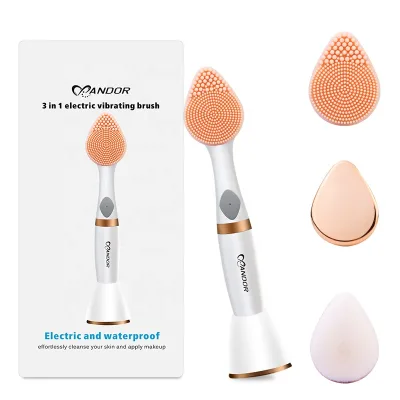



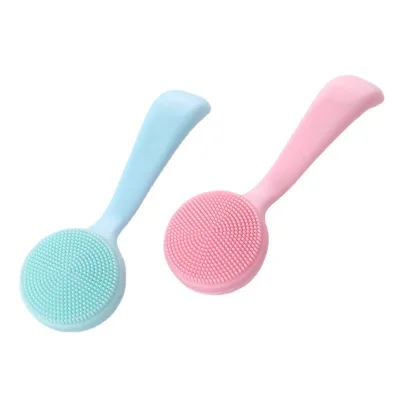


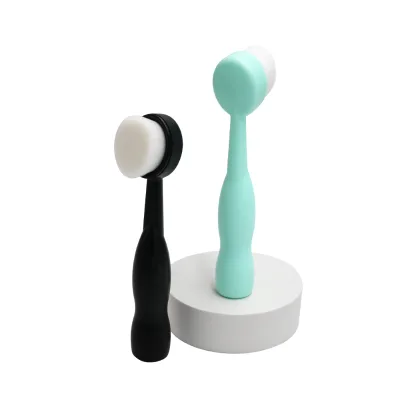
Soft Hair and Silicone Body Wash Facial Instrument Double-Sided Facial Cleansing Brush
$0.20 - $0.22
MOQ: 50000 Pieces
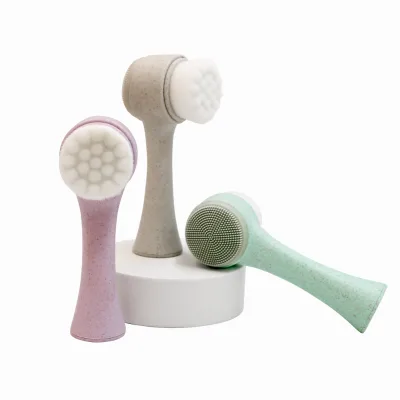
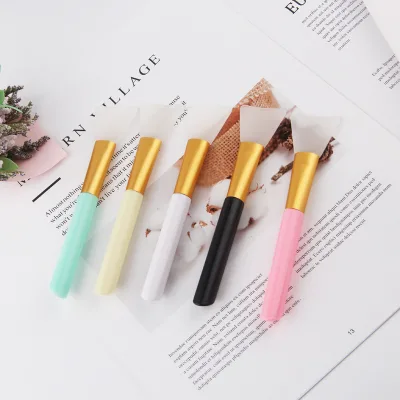


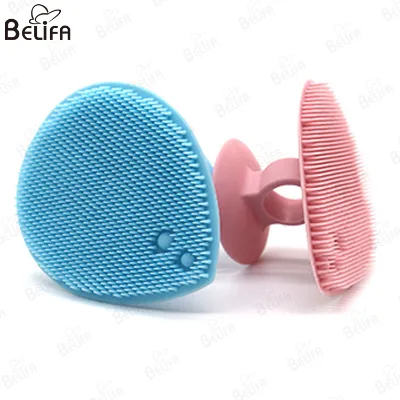
Deeply Cleansing and Exfoliating Spin Silicone Facial Cleansing Soft Brush
$0.45 - $0.55
MOQ: 1000 Pieces


Comprehensive Sourcing Guide
Strategic Sourcing Guide for Facial Cleansing Brushes
Understanding Product Categories and Technical Specifications
The global market for facial cleansing brushes encompasses a diverse range of devices designed to enhance skin hygiene through mechanical exfoliation and deep cleaning. When sourcing these products, buyers must first distinguish between the various technical configurations available. The observed product landscape includes devices with interchangeable heads, specifically noted as having four distinct attachments, which allows for versatile cleaning routines targeting different skin concerns. These units are often categorized by their power supply modes, with a clear bifurcation between battery-operated models utilizing AAA batteries and rechargeable units powered via USB connections.
Material composition is a critical differentiator in this category. High-quality units frequently utilize a combination of silicone and ABS plastic for the brush head and body, offering a balance between durability and skin safety. Some specifications explicitly list materials as silicone alone, while others indicate an ABS+ Brush construction. The choice of material directly impacts the product's flexibility, resistance to water damage, and overall tactile experience for the user. Furthermore, the manufacturing technique for these items often involves processes capable of withstanding temperature ranges from -40°C to 200°C, ensuring the structural integrity of the plastic components during both production and potential sterilization or storage conditions.
The physical form factor also varies significantly. While many units are designed as handheld devices, some specifications indicate a folded or unfolded state, suggesting portability features for travel. The packaging standards observed include standard packages, boxes, or OPP bags, depending on the supplier's configuration. Buyers should verify the specific model numbers associated with these attributes, such as BOMR139, BOMR066, LD1010, and various YCT series models, as these identifiers often correlate with specific material mixes and functional capabilities. Understanding these technical baselines is essential before engaging with suppliers, as it prevents mismatches between procurement requirements and available inventory.
Compliance, Certification, and Safety Standards
Navigating the regulatory landscape for facial cleansing brushes requires a rigorous approach to compliance and certification verification. While the product category is generally considered safe for household use, the electrical components and materials used must meet specific international standards. In the observed market data, certifications such as CE and FCC are explicitly mentioned for certain models. The CE marking indicates conformity with health, safety, and environmental protection standards for products sold within the European Economic Area, while FCC certification relates to electromagnetic interference compliance for electronic devices in the United States.
Buyers must treat these certifications as critical due diligence points rather than optional features. The presence of CE and FCC marks suggests that the supplier has undergone testing for electrical safety and radio frequency emissions. However, it is important to note that not all listed products in the market may carry these specific certifications. Some items may rely on other safety assurances or local standards. Therefore, procurement teams should request valid test reports and certificates of conformity from potential suppliers to verify the current status of these claims. Relying on the presence of a certification label without documentary proof can lead to compliance risks, especially when importing into regulated markets.
Beyond electrical safety, material safety is paramount. The products are often marketed as eco-friendly and safe for various skin types, including combination skin. The use of silicone and ABS materials generally aligns with safety expectations, but buyers should verify that these materials are free from harmful substances like BPA or phthalates, even if not explicitly stated in the initial product listing. The "Safe" attribute observed in the data should be cross-referenced with specific material safety data sheets (MSDS) provided by the manufacturer. Additionally, the "Import or Not" status indicates that some products are domestically produced within the target market, which can simplify compliance by bypassing certain international import regulations, while others require full customs clearance and adherence to destination country standards.
Cost Drivers and Pricing Dynamics
The pricing structure for facial cleansing brushes is influenced by a complex interplay of factors, including material costs, manufacturing complexity, and order volume. The observed price range in the market spans from $0.05 to $9.90 USD, a wide variance that reflects differences in product sophistication, brand positioning, and component quality. The lower end of this spectrum typically corresponds to basic models with simple ABS construction and standard packaging, often sold in bulk with minimal customization. In contrast, the higher price points are associated with advanced features such as interchangeable heads, USB rechargeability, and premium packaging like branded boxes.
Order volume plays a decisive role in determining the final unit cost. The Minimum Order Quantity (MOQ) observed ranges from as low as 1 set to as high as 50,000 units. Suppliers often structure their pricing tiers to incentivize larger orders, meaning that the effective cost per unit can drop significantly as the order size increases. For instance, an MOQ of 3 sets suggests a flexibility for small buyers or sample testing, while an MOQ of 50,000 indicates a focus on large-scale retail distribution or private labeling. Buyers must align their order quantities with their inventory turnover rates to optimize cash flow and avoid overstocking.
Customization is another significant cost driver. The availability of customization options, including logo printing and specific color matching via Pantone standards, adds value but also increases the unit price and potentially the lead time. The "Pantone Color" attribute indicates that color customization is a standard offering, allowing brands to match their corporate identity. However, achieving specific color matches may require additional tooling or production runs, which can impact the overall budget. Buyers should request detailed cost breakdowns that separate the base product cost from customization fees to ensure transparency in their procurement negotiations.
Typical Applications and User Demographics
Facial cleansing brushes are designed for a broad spectrum of users and applications, making them a versatile category for B2B buyers targeting diverse market segments. The primary application is for home use, as indicated by the "Applicable Scenarios" and "Usage" attributes. These devices are intended for daily skincare routines to manage acne and blemishes, providing a deeper clean than manual washing. The "Function" attribute explicitly highlights "Acne/Blemish Control," positioning these products as solutions for specific skin concerns rather than just general hygiene tools.
The target demographic is equally diverse. While some products are specified for "Adults," others are marketed for "All Ages" and "All People," suggesting a universal appeal that can be leveraged in mass-market retail strategies. The "Gender" attribute is listed as "Unisex," further expanding the potential customer base. This inclusivity allows buyers to position these products in general household sections rather than niche beauty aisles. However, the "Skin Type" attribute notes "Combination" skin, indicating that the product design is optimized for this specific condition, which is common among many consumers. Buyers should verify if the product is suitable for other skin types, such as sensitive or oily skin, to ensure broad market acceptance.
The "Disposable" attribute is listed as "Non-Disposable," which is a crucial selling point for eco-conscious consumers and long-term value propositions. These reusable devices, often featuring interchangeable heads, reduce waste compared to single-use cleansing tools. The "Folded" attribute, noting "Unfolded" as the state, suggests portability features that cater to travelers or those with limited storage space. Understanding these application nuances helps buyers tailor their marketing messages and select the right product models for their specific customer base. Whether targeting health-conscious individuals, beauty enthusiasts, or general household shoppers, the versatility of these brushes supports a wide range of business models.
Supplier Evaluation and Quality Control Protocols
Selecting the right supplier for facial cleansing brushes requires a systematic evaluation of their capabilities, reliability, and quality control measures. The origin of these products is predominantly listed as Zhejiang, China, a region known for its manufacturing prowess in consumer electronics and beauty devices. Buyers should verify the specific factory location and production capacity to ensure the supplier can meet their volume requirements and delivery timelines. The "Import or Not" status provides insight into the supply chain complexity; domestically produced items may offer faster lead times and lower shipping costs, while imported goods might offer more variety or specialized features.
Quality control is paramount in this category, given the direct contact with the skin and the electrical nature of many units. Buyers should implement a robust inspection regime that covers material integrity, electrical safety, and functional performance. The "Shelf Life" attribute varies, with some products rated for 5 years and others for 2 years, indicating differences in component durability and battery longevity. Inspections should verify that the materials, such as silicone and ABS, meet the specified standards and that the "Eco-Friendly" claims are substantiated by actual material composition. Additionally, the "Certification" status, particularly CE and FCC, must be validated through third-party testing reports to ensure compliance with destination market regulations.
The "Standard Package" and "Box" or "OPP Bag" options indicate that packaging quality is a variable that can affect product presentation and protection during transit. Buyers should assess the supplier's ability to maintain packaging integrity, especially for products with delicate components like interchangeable heads. The "Logo" customization capability also serves as a quality indicator; a supplier that can accurately apply logos and Pantone colors demonstrates attention to detail and process control. Establishing clear quality benchmarks and conducting pre-shipment inspections are essential steps to mitigate the risk of receiving substandard goods.
Long-Term Procurement and Strategic Considerations
Sourcing facial cleansing brushes is not merely a transactional activity but a strategic initiative that requires long-term planning and relationship management. The "Customization" availability and "Interchangeable Heads" feature suggest that buyers should consider the lifecycle of the product. As consumer trends shift towards sustainability and personalization, the ability to offer eco-friendly, reusable, and customizable products will be a key differentiator. Buyers should evaluate their suppliers' capacity to adapt to these trends, such as introducing new head types or using more sustainable materials.
The "Shelf Life" of 2 to 5 years is a critical factor for inventory management. Products with longer shelf lives offer more flexibility in stock rotation and reduce the risk of obsolescence. However, buyers must also consider the battery technology; units powered by AAA batteries may require periodic replacement, while USB-rechargeable models offer a more modern, sustainable solution. The choice between these power modes can influence customer satisfaction and repeat purchase rates.
Finally, the "MOQ" range of 1 to 50,000 units allows for flexible procurement strategies. Buyers can start with small orders to test the market and scale up as demand grows. However, maintaining a consistent supply chain is vital for brand stability. Building strong relationships with suppliers who can offer competitive pricing, reliable lead times, and high-quality customization will be essential for long-term success. By focusing on these strategic elements, buyers can ensure a sustainable and profitable sourcing strategy for facial cleansing brushes in a competitive global market.
FAQs
What materials are used for facial cleansing brushes?
Materials include silicone, ABS plastic, and combinations of both. Some models specify silicone alone while others use ABS with brush components. Buyers should verify material safety data sheets for each specific model to ensure compliance with skin safety standards.
Which power supply modes are available for these devices?
Devices operate via AAA batteries or USB rechargeable power supply modes. The specific power source depends on the model, such as the BOMR series or YCT series. Buyers must check the product specification sheet to confirm the power requirement before placing an order.
Can I customize the logo and color of the brush?
Yes, customization is available for logos and Pantone colors. Suppliers offer standard packages or boxes with these options. However, specific color matching may require additional tooling, so buyers should confirm lead times and costs associated with these customizations.
What certifications do facial cleansing brushes typically hold?
Some models carry CE and FCC certifications for electrical safety and electromagnetic compliance. These marks indicate conformity with European and US standards respectively. Buyers must request valid test reports to verify the current status of these certifications for specific products.
How long is the shelf life of the product?
Shelf life varies between 2 years and 5 years depending on the model. This duration reflects the durability of components and battery longevity. Procurement teams should verify the specific shelf life for each item to ensure it meets inventory turnover requirements.
What is the minimum order quantity for these brushes?
Minimum order quantities range from 1 set to 50,000 units based on supplier policies. Some vendors offer low MOQs like 3 sets for sample testing. Buyers should align their order size with inventory needs to optimize costs and avoid overstocking.
Where are these products manufactured?
Products originate from Zhejiang, China, and other domestic locations within China. The origin affects import regulations and shipping costs. Buyers should verify the specific factory location to ensure supply chain reliability and compliance with destination market requirements.