Source Farm Parts Steering Handle Lever for tractors, tillers, and plows
Find reliable Farm Parts Steering Handle Lever options from verified suppliers. Compare 30 listings featuring cast iron, steel, and rubber materials with ISO9001 certification for agricultural machinery applications.
Key considerations
Products List
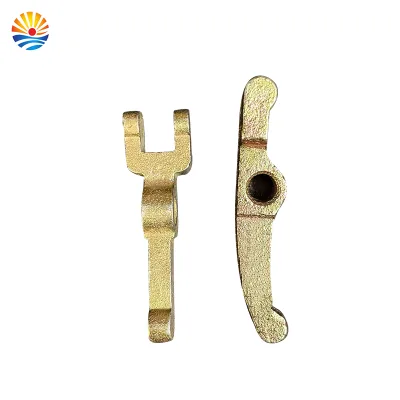
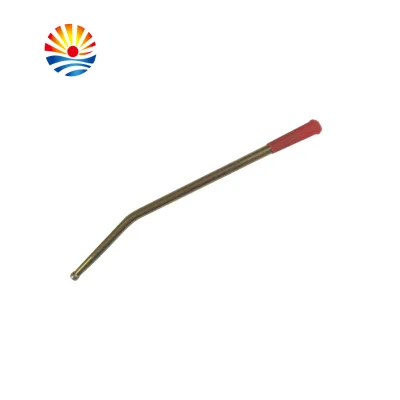
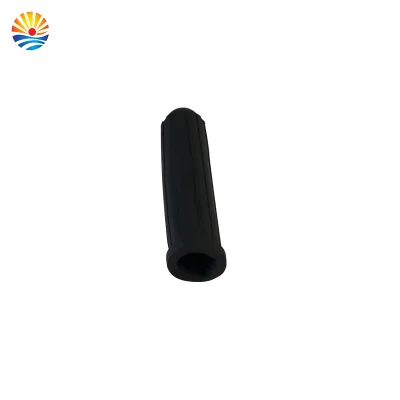


Comprehensive Sourcing Guide
Strategic Sourcing Guide for Farm Parts Steering Handle Lever
Understanding the Product Category and Technical Variants
The core keyword "Farm Parts Steering Handle Lever" encompasses a diverse range of mechanical components essential for the operation of agricultural machinery, particularly hand walking tractors and rotary tillers. In the current market, these parts are not monolithic; they exist in several distinct functional forms, each serving a specific mechanical purpose within the vehicle's control system. Buyers must first distinguish between the "releasing lever," the "rotary lever," and the "joystick lever cover," as these terms often appear interchangeably in broad search results but represent different physical assemblies. The releasing lever is typically designed to disengage the drive mechanism, allowing the operator to maneuver the machine without power transmission. Conversely, the rotary lever controls the direction and engagement of the tiller blades, while the joystick lever cover serves as a protective housing or interface point for steering inputs.
Material composition is a primary differentiator in this category. The supplied data indicates that components are frequently manufactured from cast iron and rubber, or alternatively from steel and iron. The choice of material directly influences the durability, weight, and cost of the part. For instance, a lever constructed from cast iron and rubber may offer superior vibration damping and a softer grip, which is beneficial for prolonged manual operation. In contrast, steel or iron components, often subjected to forging and heat treatment processes like quenching and tempering, provide higher tensile strength and resistance to wear in high-stress environments. The weight of these units varies significantly, with observed specifications ranging from 0.5 kg to 1 kg, suggesting that buyers should verify the exact weight requirements for their specific machinery to ensure balance and ease of handling.
Technical Specifications and Manufacturing Standards
When evaluating the technical specifications of a steering handle lever, precision and dimensional accuracy are paramount. The supplied context highlights that certain models adhere to specific tolerances, such as +/-0.05mm, which is critical for ensuring a proper fit within the tractor's linkage system. A deviation beyond this tolerance can lead to mechanical binding, premature wear, or complete failure of the control mechanism. Furthermore, the processing object for these parts is consistently listed as metal, with specific mentions of steel and iron. The manufacturing process often involves forging, a method that aligns the grain structure of the metal to enhance strength, followed by heat treatment to achieve the desired hardness and toughness.
Standardization is another key technical aspect. While many products are described as "Standard Size," the existence of specific model numbers such as 12-40021, 195-10111A, and 12-0360 indicates that compatibility is highly model-dependent. A buyer cannot assume that a lever labeled "Standard" will fit every tractor; instead, they must cross-reference the model number of their machinery with the specific part number of the supplier. The application of these parts extends beyond simple steering; they are integral to the "Agricultural Products Processing" workflow, acting as the primary interface between the operator and the machine's power source, which is typically diesel-powered. Understanding the specific application, whether it is for a "Governor Fork," "Accelerator Lever," or "Shifting Lever Cover," is essential for selecting the correct component.
Compliance, Certification, and Quality Verification
Navigating the compliance landscape for agricultural parts requires a careful examination of available certifications and quality assurances. The market data indicates that some suppliers offer products certified under ISO9001, a globally recognized standard for quality management systems. Additionally, specific certifications such as DIN and AISI are mentioned, which relate to material standards and dimensional tolerances. However, it is crucial to note that not all listed products carry these certifications. For example, machinery test reports are explicitly noted as "Not Available" for certain items, meaning that buyers cannot rely on third-party testing documentation for every unit they purchase.
Buyers must therefore adopt a verification-first approach. When a supplier claims ISO9001 certification, the buyer should request a valid certificate number and verify its authenticity with the issuing body. Similarly, claims regarding "High Level" quality should be substantiated by the supplier's ability to provide material test reports or mill certificates, especially for parts made of steel or iron that undergo heat treatment. The absence of a machinery test report does not necessarily indicate a low-quality product, but it does shift the burden of proof to the buyer to conduct their own due diligence. This includes verifying the "Customization" capabilities of the supplier, as many manufacturers offer tailored solutions to meet specific agricultural needs, which can be a strong indicator of a robust quality control process.
Cost Drivers and Procurement Economics
The cost of sourcing farm parts steering handle levers is influenced by a complex interplay of material costs, manufacturing complexity, and order volume. The observed price range in the market is substantial, spanning from $0.22 to $40.00 USD. This wide variance is not arbitrary; it reflects differences in material grade, the complexity of the forging and heat treatment processes, and the level of customization required. A basic iron lever with minimal finishing will sit at the lower end of the spectrum, while a precision-forged steel component with rubberized grips and specific model compatibility will command a higher price.
Minimum Order Quantity (MOQ) is another significant economic factor. The market data shows an MOQ range from 1 to 5,000 pieces. For small-scale farmers or repair shops, an MOQ of 1 piece is highly advantageous, allowing for the replacement of single failed parts without the need for bulk inventory. Conversely, large agricultural machinery dealerships or fleet operators may benefit from the economies of scale offered by higher MOQs, which often correlate with lower unit prices. However, buyers must be cautious of suppliers who demand high MOQs without offering competitive pricing or flexible payment terms. The "Selling Units" are typically listed as "Single item," which supports the flexibility of purchasing individual components, but the "Packing" requirements, often listed as "Request" or "Customized," can add hidden costs related to logistics and storage.
Supplier Evaluation and Market Positioning
Evaluating potential suppliers for agricultural steering levers requires a focus on their geographic origin, industry focus, and after-sales support capabilities. The majority of the supply originates from Hebei, China, a region known for its manufacturing base in metalworking and agricultural machinery parts. While this location offers competitive pricing, buyers should verify the supplier's specific capabilities beyond just the "place of origin." The "Industry Focus" is consistently listed as "Agricultural," which suggests that these suppliers have specialized knowledge in this sector, but this should be confirmed through direct communication.
After-sales service is a critical differentiator in the B2B agricultural market. The data indicates that "Online support" is a common offering for warranty-related issues. Given that the standard warranty period is typically 6 months, buyers should clarify the scope of this support. Does it cover replacement parts, technical troubleshooting, or both? Furthermore, the "Customization" availability is a strong positive signal. Suppliers who can adapt their standard models to specific tractor requirements demonstrate a higher level of engineering capability and customer service. Buyers should prioritize suppliers who are transparent about their production processes, such as the "Molding Style" and "Heat Treatment" methods, as these details are often indicators of a supplier's commitment to quality.
Long-Term Procurement and Quality Control Strategies
Sourcing steering handle levers is not merely a transactional activity but a strategic decision that impacts the long-term reliability of agricultural operations. The "After Warranty Service" period of 6 months is relatively short, suggesting that buyers should plan for a proactive replacement strategy rather than relying solely on warranty claims. To mitigate the risk of premature failure, buyers should implement a rigorous quality control protocol. This includes inspecting incoming goods for surface defects, verifying the material composition (e.g., ensuring the steel is not merely cast iron), and checking the dimensional tolerances against the specified +/-0.05mm standard.
The "Standard" classification of the products implies that they are designed for general use, but the specific "Item No." and "Model Number" must be matched precisely to the machinery. A mismatch in model numbers, such as confusing a "Governor Fork" with a "Steering Lever," can lead to operational failures. Buyers should maintain a detailed inventory of their machinery's specific part numbers and cross-reference them with supplier catalogs before placing orders. Additionally, the "Packing" method, often customized, should be evaluated to ensure that the parts are protected during transit, as agricultural parts are often shipped in bulk and can be susceptible to damage.
Conclusion and Strategic Recommendations
In conclusion, sourcing farm parts steering handle levers requires a balanced approach that considers technical specifications, material quality, certification status, and supplier reliability. The market offers a wide range of options, from basic iron components to precision-forged steel levers with rubber grips. Buyers must navigate the variability in price, MOQ, and warranty terms by conducting thorough due diligence. Key recommendations include verifying the authenticity of certifications like ISO9001, confirming the specific model numbers against machinery requirements, and establishing clear communication channels for after-sales support. By focusing on these critical factors, buyers can secure high-quality components that ensure the efficient and safe operation of their agricultural machinery, minimizing downtime and maximizing productivity in the field. The diversity of the product range, from releasing levers to joystick covers, underscores the need for a nuanced understanding of each component's specific function and application within the broader context of farm equipment maintenance.
FAQs
What materials are used for farm parts steering handle levers?
These levers are commonly made from cast iron, rubber, steel, or iron. The specific material depends on the model, with some units weighing 0.5 kg and others 1 kg to suit different tractor requirements.
Which certifications do suppliers typically offer for these parts?
Some products carry ISO9001, DIN, or AISI certifications. However, machinery test reports are often not available, so buyers must verify specific quality claims directly with the manufacturer before purchasing.
How does the MOQ vary for Farm Parts Steering Handle Lever orders?
Minimum order quantities range from 1 piece up to 5000 pieces depending on the supplier. Many vendors allow single item purchases, while bulk buyers may access lower unit prices with higher volume commitments.
Can I find customized packaging for these agricultural steering levers?
Yes, customized packing is available for many models. Standard options exist, but buyers can request specific packaging solutions to protect parts like the releasing lever or governor fork during shipping.
What warranty period is standard for these tractor components?
The standard warranty period is typically 6 months. After warranty service usually includes online support for troubleshooting, though specific coverage details should be confirmed with the supplier prior to order.
Which model numbers are available for farm parts steering handle levers?
Available model numbers include 12-40021, 195-10111A, 12-0360, and 12-37122. Buyers must match these specific numbers to their machinery to ensure compatibility with the correct steering or shifting mechanism.
Where are these agricultural steering levers typically manufactured?
Most products originate from Hebei, China. This region is a known hub for agricultural machinery parts, offering a range of options from basic iron components to precision-forged steel levers.