Source Tuya Smart Home IR Box for TV, AC, and Fans
Find 30 suppliers offering the Tuya Smart Home IR Box to control TVs, air conditioners, and fans. Compare models with WiFi, voice control, and app features to find the right solution for your needs.
Key considerations
Products List






Comprehensive Sourcing Guide
Strategic Sourcing Guide for Tuya Smart Home IR Box Solutions
The global shift toward connected living environments has elevated the demand for intelligent control hubs, specifically those capable of bridging legacy infrared (IR) appliances with modern IoT ecosystems. For procurement professionals targeting the "Tuya Smart Home IR Box" category, the objective is to identify reliable supply chain partners who can deliver devices that seamlessly integrate with Android and iOS platforms while maintaining robust performance standards. This guide provides a structured approach to evaluating suppliers, analyzing technical specifications, and ensuring compliance without relying on unverified market assertions. The focus remains strictly on observable product attributes and verified industry practices to mitigate procurement risk.
Technical Architecture and Connectivity Specifications
Understanding the underlying technical architecture is the first step in defining procurement requirements. The core functionality of these devices relies on their ability to transmit infrared signals to control non-smart appliances such as televisions, air conditioners, and fans. Based on observed product data, the operational frequency for these infrared transmitters typically ranges between 38 kHz and 56 kHz, a standard band that ensures compatibility with the vast majority of consumer electronics. The effective transmission distance is a critical performance metric; observed units demonstrate a maximum range of up to 8 meters, which is sufficient for most residential and small commercial layouts.
Connectivity is the primary differentiator in this category. The devices under review utilize WiFi technology, specifically operating on the 2.4 GHz band compliant with the 802.11 B/G/N standards. This frequency band is chosen for its superior penetration capabilities and widespread router compatibility, though buyers must verify that their network infrastructure supports this specific protocol. The input voltage is consistently observed at 5V DC, often delivered via a Micro USB interface, ensuring compatibility with standard power adapters. The input current requirement is typically around 500 mA, a figure that helps procurement teams calculate power consumption and select appropriate power supplies.
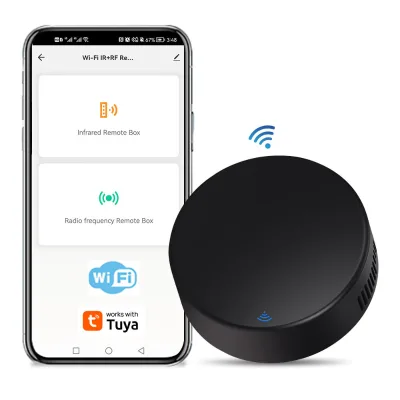
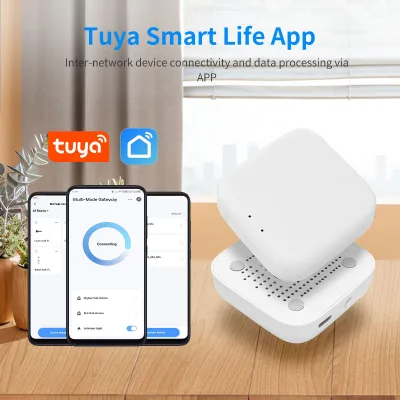
The software ecosystem is equally vital. These units are designed to operate within the Tuya Smart ecosystem, supporting both Android and iOS operating systems. This cross-platform compatibility allows for unified management through a single application interface. Key features observed in the product lineup include APP remote control, voice control integration, and timing functions with countdown capabilities. The physical design varies, with some units featuring a bar design and others utilizing a compact box form factor, often available in black or white finishes. Buyers should note that while some models include an OLED display for status indication, others operate without a camera or physical display, relying entirely on the mobile application for feedback.
Compliance and Certification Verification
In the B2B procurement landscape, regulatory compliance is non-negotiable. The products in this category are frequently associated with specific certifications that indicate adherence to safety and environmental standards. Observed product listings explicitly mention FCC, CE, and RoHS certifications. The FCC certification is essential for devices sold in North America, ensuring that the radio frequency emissions do not interfere with other electronic equipment. The CE mark indicates conformity with health, safety, and environmental protection standards for products sold within the European Economic Area. RoHS compliance ensures that the device is manufactured without specific hazardous materials, such as lead or mercury, which is a requirement for many international markets.
However, buyers must exercise caution regarding the scope of these certifications. While the data indicates that these certifications are present, the specific scope—whether it covers the entire product or just the power supply module—must be verified with the supplier. Procurement teams should request valid certification test reports rather than relying solely on marketing claims. The presence of a "CE" or "RoHS" label on a product page is a strong indicator, but the actual documentation must be reviewed to ensure the specific model number matches the certified batch. Additionally, some product entries list "Certification: CE" separately from the combined list, suggesting that buyers should verify if the specific model they intend to purchase holds the full suite of certifications or if they are limited to regional approvals.
Cost Drivers and Pricing Dynamics
The pricing structure for Tuya Smart Home IR Boxes is influenced by several variable factors, including customization levels, packaging requirements, and the complexity of the internal hardware. The observed price range for these units spans from approximately $4.79 to $565.97 USD. This wide disparity is not indicative of a single product tier but rather reflects the diversity of the market, ranging from basic single-function remotes to advanced multi-device hubs with unique packaging and private mold capabilities.
The Minimum Order Quantity (MOQ) is another significant cost driver, with observed ranges spanning from 1 unit to 500 units. Lower MOQs, such as 1 unit, are typically associated with sample orders or small-scale testing, while higher MOQs often unlock volume discounts. Buyers should be aware that the unit price is rarely static; it fluctuates based on the total order volume and the specific configuration requested. Customization is a major factor in pricing. Products listed with "Customization: Available" and "Private Mold: Yes" commands a premium over standard off-the-shelf models. The choice of packaging also impacts cost; options range from "Unique Package" and "Elegant Package" to "International Standard" or "Each One Package in a Box." These packaging choices affect not only the unit cost but also the logistics and shipping expenses.
Typical Applications and Use Cases
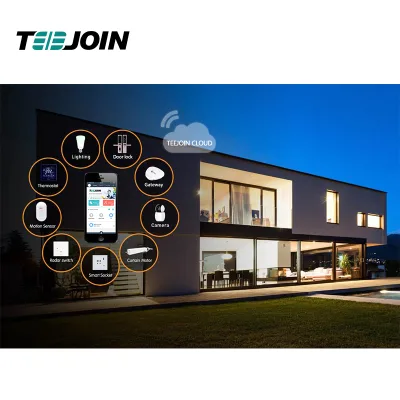
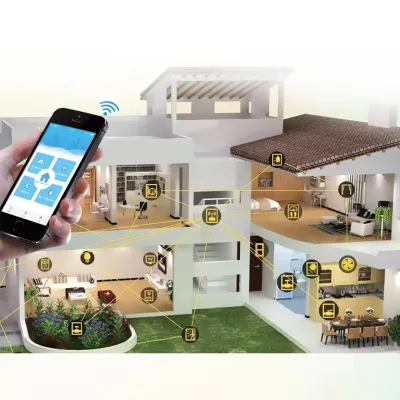
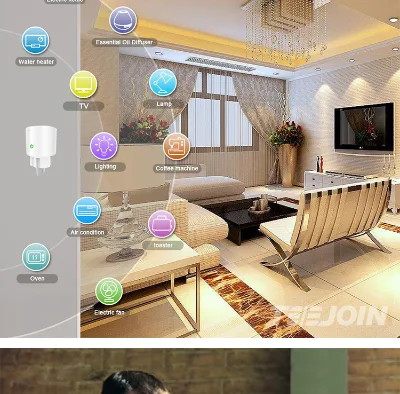
The versatility of the Tuya Smart Home IR Box allows it to serve a broad spectrum of applications, making it a valuable asset for various sectors. The primary use case is in residential smart home automation, where the device acts as a central hub to control legacy appliances. The supported devices include televisions, air conditioners, fans, and DVD players. This capability allows users to integrate older, non-smart devices into a modern smart home ecosystem without replacing the existing hardware.
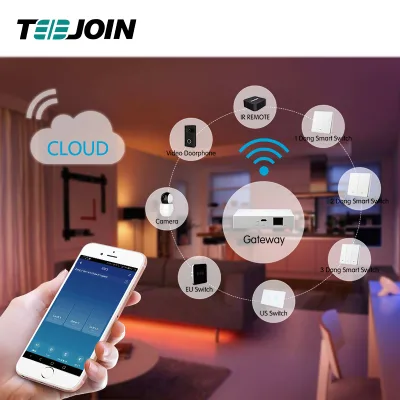
Beyond residential use, these devices are applicable in hospitality and commercial settings. For instance, hotels can use these boxes to allow guests to control room lighting, air conditioning, and entertainment systems via a smartphone or voice command, enhancing the guest experience without requiring a complete renovation of the room's infrastructure. The "Smart Home Switch" keyword associated with these products suggests their utility in managing electrical loads and switching functions within a home or office environment.
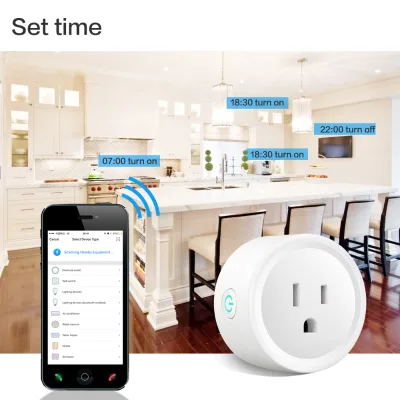
The specific features of the devices further define their application. Models with "Timing and Counter Down" capabilities are particularly useful for energy management, allowing users to schedule the operation of appliances to reduce energy consumption during off-peak hours. Voice control features enable hands-free operation, which is essential for accessibility applications or for users who prefer voice commands over manual interaction. The "Double-pole on-off Switch" attribute found in some listings indicates that certain models may be designed for more complex switching tasks, potentially controlling multiple circuits simultaneously.
Supplier Evaluation and Product Differentiation
When evaluating potential suppliers, buyers must look beyond the basic product description and assess the depth of the supplier's capabilities. The product data indicates that manufacturers in this sector are often located in Zhejiang, China, a region known for its electronics manufacturing ecosystem. However, the specific origin of the product, whether listed as "Zhejiang, China" or simply "China," should be verified to understand the supply chain logistics and potential lead times.
Differentiation among suppliers often lies in the level of customization and the quality of the product design. Some suppliers offer "Private Mold" services, allowing buyers to create unique product shapes and branding, which is crucial for companies looking to establish a distinct market presence. The design attributes, such as the "Bar" design or specific dimensions like 808040mm, should be evaluated against the buyer's specific application needs. Furthermore, the "Unique Package" or "Elegant Package" options suggest that some suppliers offer premium packaging solutions that can enhance the perceived value of the product in the retail market.
Buyers should also scrutinize the "Key Features" listed for each model. While many products share common features like "APP Remote Control" and "WiFi Control," the presence of additional features such as "Voice Control" or "OLED Display" can be a deciding factor. The absence of a camera in all observed models is a consistent attribute that buyers should note, as it simplifies the hardware design and potentially reduces privacy concerns, but it also means the device cannot be used for video surveillance.
Quality Control and Long-Term Procurement Considerations
Ensuring long-term reliability requires a robust quality control (QC) strategy. Buyers should implement a rigorous testing protocol that verifies the infrared transmission distance, frequency stability, and WiFi connectivity under various conditions. The observed "Infrared Direction: Multiple-Direction" attribute suggests that the devices are designed to transmit signals in multiple directions, which should be tested to ensure consistent coverage. Additionally, the "Input Voltage: 5V DC" and "Input Current: 500 Ma" specifications must be validated to ensure the device operates safely and efficiently without overheating.
Long-term procurement considerations also involve assessing the supplier's ability to provide ongoing support and updates. The "Support: TV, Air Conditioner, Fans, DVD and etc" attribute indicates that the software must be regularly updated to support new appliance codes and protocols. Buyers should inquire about the supplier's policy on firmware updates and whether they offer technical support for integration issues. The "Operation System: Android and Ios" requirement means that the companion app must remain compatible with the latest operating system versions, a factor that suppliers must commit to maintaining.
Finally, the "Product Size" and "Weight" attributes, such as the 0.13kg net weight or 73g weight observed in different models, are critical for logistics planning. These dimensions affect packaging efficiency and shipping costs, particularly for large volume orders. Buyers should ensure that the packaging design, whether "International Standard" or "Each One Package in a Box," protects the device during transit while minimizing waste. By focusing on these tangible attributes and verifying them through direct communication with suppliers, procurement teams can build a resilient supply chain for Tuya Smart Home IR Box solutions.
Summary of Key Product Attributes
To facilitate quick reference during the evaluation process, the following table summarizes the key technical and operational attributes observed in the current market data for Tuya Smart Home IR Box solutions.
| Attribute Category | Observed Values / Specifications |
|---|---|
| Product Name Variants | Smart IR Remote, Tuya Smart WiFi Smart Remote Control IR Box, Alexa Tuya IR Remote Control, Zigbee IR Remote Control |
| Model Numbers | FK-UFO-R1, FK-UFO-R4, FK-UFO-R5, FK-UFO-R2-ZIG |
| Connectivity | WiFi (2.4 GHz 802.11 B/G/N), Infrared (38-56K) |
| Transmission Range | Up to 8 meters |
| Power Input | 5V DC, 500 mA (Micro USB) |
| Operating Systems | Android, iOS |
| Key Features | APP Control, Voice Control, WiFi Control, Timing/Counter Down, TV Controller |
| Physical Design | Bar Design, Black/White Colors, OLED Display (some models) |
| Certifications | FCC, CE, RoHS |
| Origin | Zhejiang, China |
| Customization | Available (Private Mold, Unique Packaging) |
| MOQ Range | 1 - 500 units |
| Price Range | $4.79 - $565.97 USD |
This structured overview underscores the importance of aligning specific product attributes with procurement goals. By rigorously verifying these details and understanding the underlying technical and regulatory landscape, buyers can make informed decisions that ensure the successful integration of Tuya Smart Home IR Box solutions into their respective markets.
FAQs
What operating systems does the Tuya Smart Home IR Box support?
The device supports both Android and iOS operating systems for seamless mobile control. This cross-platform compatibility allows users to manage connected appliances like TVs and air conditioners through a unified application interface on their preferred smartphone or tablet.
How far can the infrared signal reach from the remote control unit?
The infrared signal can reach a maximum distance of up to 8 meters from the device. This range is sufficient for controlling most residential and small commercial appliances without requiring the user to be in immediate proximity to the target device.
Which certifications are included with the Tuya Smart Home IR Box models?
The products typically include FCC, CE, and RoHS certifications for regulatory compliance. These marks indicate adherence to safety standards for North America and Europe, as well as restrictions on hazardous materials, though buyers should verify specific model documentation.
Can the device be customized with private molds and unique packaging?
Yes, customization is available including private mold options and unique packaging choices. Suppliers offer various packaging types such as elegant or international standard boxes, allowing buyers to tailor the product presentation to their specific branding and market requirements.
What is the input voltage requirement for powering the IR remote box?
The device requires a 5V DC input voltage for operation. This power specification is typically delivered via a Micro USB interface, ensuring compatibility with standard power adapters and allowing for flexible power supply options in various installation environments.
Which appliances can be controlled using the Tuya Smart Home IR Box?
The unit supports control for TVs, air conditioners, fans, and DVD players among other appliances. This versatility allows the device to integrate legacy non-smart electronics into a modern smart home ecosystem through infrared signal transmission and app-based management.