Source Fast Drying Nail Remover Glue for salons, repairs, and DIY
Compare 30 listings for Fast Drying Nail Remover Glue suitable for salon treatments, professional repairs, and home DIY projects. Buyers can review specifications like composition, packaging, and curing features to find the right adhesive solution.
Key considerations
Products List


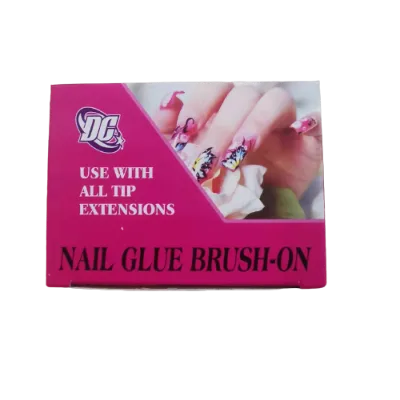
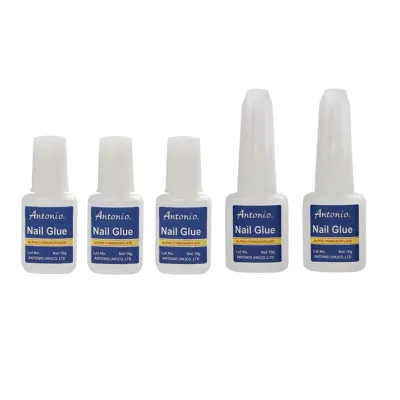
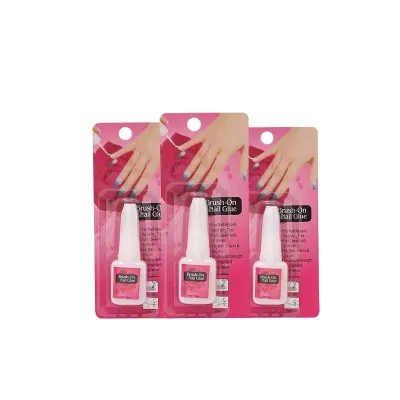
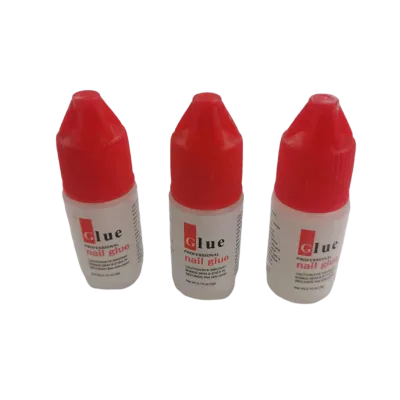
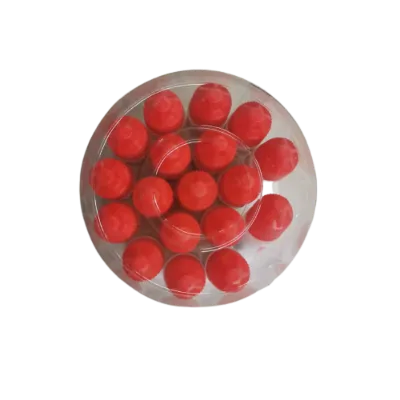
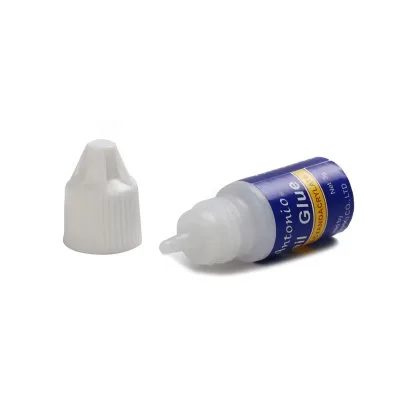


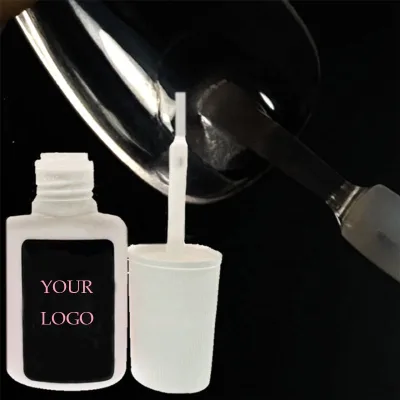


Fast Dry Liquid Nail Construction Adhesive No More Nail Liquid Glue
$0.56 - $0.62
MOQ: 4800 pieces/pieces
Comprehensive Sourcing Guide
Strategic Sourcing Guide for Fast Drying Nail Remover Glue
The global market for specialized adhesives and nail care solutions has expanded significantly, driven by the dual demands of professional efficiency and consumer safety. For procurement professionals seeking "Fast Drying Nail Remover Glue," the landscape presents a complex array of chemical formulations, application requirements, and compliance standards. Unlike standard household adhesives, these products often require precise control over drying times, bonding strength, and removal capabilities. This guide synthesizes available product data and industry standards to provide a structured approach for sourcing these materials effectively. Buyers must navigate a market where terms like "nail remover" and "nail glue" can sometimes be conflated in listings, requiring rigorous verification of the actual chemical function and intended use case before finalizing any procurement contract.
Technical Specifications and Chemical Composition
Understanding the precise technical specifications is the first step in any successful sourcing strategy. The product data indicates a diverse range of materials and morphologies available in the market. While the core keyword suggests a "remover" function, the observed product attributes reveal a significant overlap with bonding agents. For instance, specific listings describe products with a "Cyanoacrylate" material composition, which is a common base for instant adhesives used in nail art and construction. The data also notes "Epoxy" as a bonding material and "Polyester" as a composite material in other contexts. This variation underscores the necessity for buyers to clarify whether the requirement is for an adhesive that dries instantly or a chemical agent designed to dissolve existing bonds.
The physical state of the product is another critical specification. The observed data lists "Paste" and "Solvent" as possible morphologies. A solvent-based formulation typically offers faster drying times and better penetration for certain applications, whereas a paste might be preferred for structural filling or gap filling. The "Liquid Tape" classification and "Joint Filler" type further complicate the categorization, suggesting that some products may serve dual purposes in engineering or plumbing contexts. Buyers must verify the "Main Agent Composition," which is listed as "Rubber" or "Epoxy" in different product lines, and the "Promoter Composition," identified as a "Curing Agent." The "CAS No." values, such as 63148-60-7 and 9009-54-5, serve as unique identifiers for chemical substances and are essential for verifying the exact formulation against safety data sheets.
Compliance, Certification, and Safety Standards
In the B2B sector, compliance is not merely a formality but a prerequisite for market access and liability protection. The observed product attributes highlight several key certifications that buyers should prioritize during the supplier evaluation process. The data explicitly mentions "ISO9001" and "ISO14001" as standard certifications for the manufacturers. These standards indicate a commitment to quality management systems and environmental management, respectively. Furthermore, the listings reference "ISO 50001," which relates to energy management, and third-party verification bodies such as "SGS" and "TUV."
Safety is paramount, especially for products intended for use in nail care or construction. The "Feature 2" attribute explicitly states "No Toxic," and "Feature 4" notes "Free of Impurities." These claims must be substantiated by the supplier through valid test reports. While the background information mentions "ROHS" and "REACH" as low-confidence background items, buyers should treat these as verification targets rather than assumed facts. It is crucial to confirm that the product complies with the specific regulatory frameworks of the destination market. For instance, if the product is intended for export to the European Union, REACH compliance is mandatory. Similarly, if the product is used in food-adjacent environments or specific industrial settings, additional chemical safety data must be reviewed. The "Mildew Proof" attribute is also a relevant specification for products used in humid environments, such as plumbing or fire-fighting pipelines, where fungal growth could compromise the integrity of the seal.
Cost Drivers and Pricing Dynamics
The pricing structure for specialized adhesives and nail care products is influenced by several factors, including raw material costs, packaging requirements, and order volume. The observed price range in the market spans from 0.1 to 5.5 USD per unit. This wide variance suggests that the cost is heavily dependent on the specific formulation, the volume of the package, and the brand positioning. The "MOQ range" observed is between 1 and 6000 units, indicating a market that accommodates both small-scale trial orders and large-scale industrial procurement.
Packaging is a significant cost driver. The data lists various packaging formats, including "Bottle," "Carton," and specific counts like "24PCS/CTN." The "Single package size" is noted as 55X43X48 cm for certain bulk items, which directly impacts shipping costs and logistics planning. Buyers should analyze the cost per unit relative to the packaging efficiency. For example, a product sold in a "Carton" with a "24PCS/CTN" count may offer better economies of scale compared to individual "Bottle" sales. Additionally, the "Customization" attribute being available suggests that branding and private labeling can add to the unit cost. The "Color" attribute, which can be "Custom Color" or "White," also implies that color matching or specific aesthetic requirements may incur additional setup fees. Understanding these variables is essential for accurate budgeting and total cost of ownership analysis.
Typical Applications and Usage Scenarios
The versatility of the observed products is evident in the diverse range of applications listed. While the core keyword focuses on "nail remover glue," the data reveals a broader utility in industrial and construction sectors. The "Seal Tape Usage" is explicitly listed for "Gas Piping," "Engineering," "Fire Fighting Pipeline," and "Plumbing." This indicates that some products classified under similar terms are actually high-performance sealants designed for critical infrastructure. The "Classification" as "Room Curing" suggests that these products do not require external heat sources to set, making them suitable for on-site applications where temperature control is limited.
For the specific nail care market, the "Function" is identified as "Nail Art Glue," and the "Bonding Function" is described as "Instant Adhesive." This aligns with the "Fast Dry" feature, which is a primary selling point for professionals in the beauty industry who require quick turnaround times. The "Application" field lists "Packing" and "Construction," further broadening the scope. Buyers must carefully distinguish between products intended for cosmetic use and those designed for heavy-duty engineering. A product with "Composite Materials" and "Organic Material" composition might be suitable for general construction, whereas a "Cyanoacrylate" based product is likely optimized for precision bonding in nail art. Misidentifying the application can lead to product failure, safety hazards, or customer dissatisfaction.
Supplier Evaluation and Quality Control
Selecting the right supplier requires a rigorous evaluation process that goes beyond price comparisons. The "Brand Name" field lists various identifiers, including "Ideabond/OEM Design," "ANTALD FENGCAI DC ANTONIO DC," and generic terms like "Product name." This variability highlights the prevalence of OEM (Original Equipment Manufacturer) and ODM (Original Design Manufacturer) models in the industry. Buyers should verify the supplier's capability to maintain consistent quality across different batches. The "Shelf Life" of 18 months is a critical metric for inventory management; products with shorter shelf lives may require more frequent reordering and careful stock rotation.
Quality control measures should be a central part of the supplier agreement. The presence of "ISO 9001" certification is a strong indicator of a supplier's commitment to quality, but buyers should also request specific test results for the "Fast Dry" and "No Toxic" claims. The "Morphology" and "Composition" must match the agreed-upon specifications exactly. For instance, if a product is ordered as a "Solvent" type, the final delivery must not deviate into a "Paste" form without prior notification. The "Extrusion Smooth" feature is another quality indicator, suggesting that the product should flow consistently without clogging or uneven application. Buyers should implement a sampling protocol before placing large orders, testing the product for adhesion strength, drying time, and removal efficacy to ensure it meets the specific needs of their end-users.
Long-Term Procurement and Supply Chain Considerations
Sourcing specialized adhesives and nail care products is a long-term commitment that requires strategic planning. The "Place of Origin" is listed as "China" and "Zhejiang, China," which are major manufacturing hubs for chemical products. Buyers should consider the geopolitical and logistical implications of sourcing from these regions. While the "Lead time" is not explicitly provided in the data, the "MOQ" range suggests that suppliers are flexible, but larger orders may require longer production schedules. The "Customization" availability is a key advantage for buyers looking to build a unique brand identity, but it also introduces complexity into the supply chain.
Sustainability is becoming an increasingly important factor in procurement decisions. The "ISO 14001" certification points to environmental management, and the "No Toxic" and "Free of Impurities" features align with growing consumer demand for eco-friendly products. Buyers should inquire about the "Formula" and "Main Raw Material" to assess the environmental impact of the product lifecycle. The "Product name" and "Model Number" fields, such as "210-898-8" and "BLD-333," serve as unique identifiers for tracking and inventory management. Establishing a robust relationship with suppliers who can provide consistent quality, adhere to certifications, and offer flexible customization options will be crucial for maintaining a competitive edge in the market. By focusing on these long-term considerations, buyers can mitigate risks and ensure a stable supply of high-quality products.
Comparative Analysis of Product Attributes
To facilitate a clearer understanding of the market offerings, the following table summarizes the key attributes observed in the product data. This comparison highlights the diversity in materials, functions, and certifications available to buyers.
| Attribute Category | Observed Value 1 | Observed Value 2 | Observed Value 3 |
|---|---|---|---|
| Material Composition | Cyanoacrylate | Epoxy | Polyester |
| Physical State | Paste | Solvent | Liquid Tape |
| Primary Function | Nail Art Glue | Joint Filler | Instant Adhesive |
| Key Certification | ISO 9001 | ISO 14001 | SGS / TUV |
| Shelf Life | 18 Months | 18 Months | 18 Months |
| Packaging Type | Bottle | Carton | 24PCS/CTN |
| Origin Location | Zhejiang, China | China | China |
| Safety Feature | No Toxic | Free of Impurities | Mildew Proof |
| Application Area | Nail Art, Packing | Engineering, Plumbing | Gas Piping, Fire Fighting |
This table illustrates that while the core keyword focuses on a specific niche, the market offers a wide spectrum of related products. Buyers must carefully align their specific requirements with the correct product attributes to avoid mismatches in performance or safety. The presence of multiple certifications and diverse material compositions suggests a mature market with options for various budget levels and technical needs. By leveraging this data, procurement professionals can make informed decisions that balance cost, quality, and compliance.
FAQs
How long is the shelf life of Fast Drying Nail Remover Glue?
The shelf life is 18 months for these products. This duration applies to items stored in their original packaging away from direct sunlight and extreme temperatures to maintain chemical stability and bonding performance.
What certifications do manufacturers typically hold for this glue?
Manufacturers commonly hold ISO 9001, ISO 14001, and ISO 50001 certifications. These standards verify quality management, environmental compliance, and energy efficiency, ensuring the product meets international safety and production requirements.
Can I request custom colors for the nail remover glue?
Yes, customization is available for product colors including white or custom shades. Buyers should note that specific color requests may require minimum order quantities and could involve additional setup fees depending on the supplier.
What is the typical price range for bulk orders of this glue?
The observed price range spans from 0.1 to 5.5 USD per unit. Final costs depend heavily on the order volume, packaging type, and specific formulation requirements such as solvent or paste morphology.
Which specifications are available for the product packaging?
Packaging options include bottles, cartons, and bulk counts like 24 pieces per carton. Some items are also listed with specific single package dimensions, which impact shipping logistics and storage requirements.
How fast does the instant adhesive feature dry on nails?
The product features a fast dry capability suitable for instant bonding applications. This speed is achieved through specific chemical compositions like cyanoacrylate or epoxy, ensuring quick setting times for professional nail art and construction uses.
What is the minimum order quantity for sourcing this glue?
The minimum order quantity ranges from 1 to 6000 units depending on the supplier. Small trial orders can be placed with low MOQs, while larger industrial contracts may require higher volumes to secure pricing tiers.
Where are the primary manufacturing locations for this product?
Products originate from China, specifically the Zhejiang region. This location is a major hub for chemical manufacturing, offering access to a wide range of suppliers with varying capacities and certification levels.