Source FDA CE E-Cigarette Case for Hookah, Lighters, and Pipes
Source FDA CE E-Cigarette Case options from 30 verified listings. Compare plastic and metal designs, including hookah glass tubes and lighter accessories. Evaluate customization, packaging, and shipping methods to find the right fit for your headshop or smokeshop inventory needs.
Key considerations
Products List




Printing Packing Smoking Packaging Tobacco Case Paper Custom Cigarette Boxes
$0.22 - $0.38
MOQ: 100 Pieces


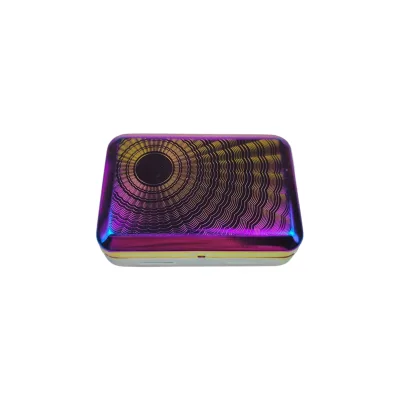
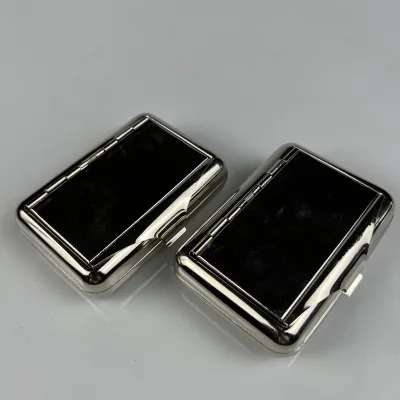
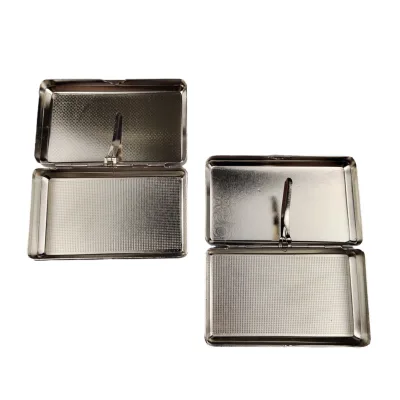



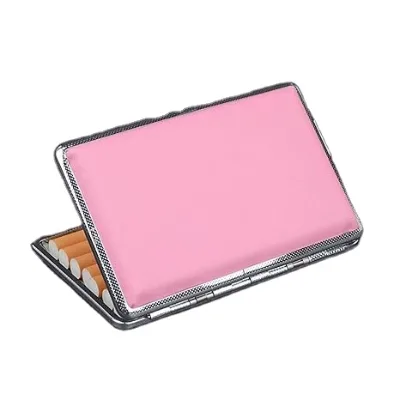


Comprehensive Sourcing Guide
FDA CE E-Cigarette Case Sourcing Guide
Procuring FDA CE e-cigarette cases requires distinguishing between actual regulatory compliance and generic marketing claims found in B2B listings. While the supplied data confirms the presence of a CE certification mention in background notes, it does not validate specific product conformity for electronic cigarette accessories. Buyers must verify that any "FDA" or "CE" assertions are backed by current, verifiable test reports from accredited laboratories, as the provided facts list these only as low-confidence background items rather than confirmed product attributes.
The observed product range includes diverse items like glass tubes, metal lighters, and paper packaging, indicating a broad supplier catalog rather than a specialized e-cigarette case line. Sourcing strategies should focus on filtering these mixed inventories to isolate relevant protective cases or storage solutions. Buyers should prioritize suppliers who explicitly define the material composition and intended usage for their specific case models, ensuring the product aligns with the safety and durability needs of e-cigarette users rather than general smoking accessories.
Product Scope and Observed Listing Signals
The current market signals reveal a wide spectrum of materials, including plastic, metal, SBS paper, and ivory board, which suggests that e-cigarette cases may be constructed from various durable substrates. Some listings highlight features like "refillable" or "bent" designs, which are more typical of smoking pipes than protective cases, requiring careful scrutiny to identify genuine storage solutions. Buyers must analyze the "Target People" attribute, noting that many items are explicitly marketed to hookah or headshop owners, which may indicate a need to filter for products specifically designed for electronic vaping devices.
Listing signals also show significant variation in packaging, ranging from simple OPP bags to display boxes and palletized shipments, which impacts the final unit cost and presentation. The observed price range of 0.01 to 5 USD suggests a highly competitive market with potential for low-cost, high-volume orders, but it also raises questions about material quality and longevity. Procurement teams should verify if the "Colorful" or "Assorted" color options apply to the specific case models they intend to purchase, as these attributes may vary significantly between different product lines within the same supplier's catalog.
Technical Specifications to Verify
Technical verification must begin with precise dimensional analysis, as the data includes specific measurements like 86mm, 121mm, and 9x5.5x2.4cm, which likely correspond to different product categories. For e-cigarette cases, buyers need to confirm that the internal dimensions accommodate standard device sizes while maintaining a secure fit to prevent damage during transport. The presence of "Small/Big" standard classifications indicates that size customization is available, but buyers should request detailed internal volume specifications to ensure compatibility with their specific inventory of vaping hardware.
Material properties are equally critical, with observed attributes including plastic, metal, and paper-based composites like SBS and FBB. A robust e-cigarette case typically requires impact-resistant materials such as high-grade plastic or metal to protect sensitive electronic components from drops and moisture. Buyers should explicitly request material safety data sheets to confirm that the chosen material does not react with battery components or e-liquids, ensuring that the "Plastic" or "Metal" designation aligns with the functional requirements of long-term device storage.
Compliance and Safety Documentation
While the background notes mention CE certification, this should be treated as a low-confidence signal requiring immediate validation through official documentation. Buyers must demand current test reports that specifically address the safety standards for electronic accessories, as a general CE mark may not cover the specific risks associated with battery storage or electronic device protection. The absence of confirmed FDA certification in the high-confidence facts necessitates a rigorous inquiry process to determine if the supplier can provide valid regulatory clearance for the specific product category.
Safety documentation should also include detailed information on fire resistance and chemical stability, particularly for cases intended to store devices with lithium-ion batteries. Procurement teams should verify that the "Printing Type" and "Ink" used on the product packaging and the case itself do not contain hazardous substances that could leach into the environment or pose health risks. Ensuring that all compliance claims are backed by third-party laboratory results is essential for mitigating liability and maintaining brand integrity in the regulated vaping market.
Cost Drivers and Commercial Terms
The observed MOQ range of 1 to 200,000 units offers significant flexibility, allowing buyers to scale orders based on demand without being locked into excessive inventory. However, the wide price variance from 0.01 to 5 USD suggests that cost is heavily influenced by material selection, customization levels, and packaging complexity. Buyers should analyze how the "Customization" and "OEM/ODM" options affect the final unit price, as personalized branding or unique structural designs often incur additional tooling and setup costs that are not immediately visible in the base listing price.
Shipping and logistics represent another major cost driver, with options including DHL, UPS, and FedEx, which vary significantly in speed and expense. The "Pallet" and "Carton" packing methods observed in the data indicate that bulk shipments may require specialized handling, potentially increasing freight costs for smaller orders. Buyers should negotiate clear Incoterms that define responsibility for shipping risks and costs, ensuring that the total landed cost reflects the specific packaging requirements and delivery timelines necessary for their supply chain operations.
Supplier Qualification and Quality Control
Supplier qualification should focus on verifying the ability to maintain consistent quality across the diverse product lines observed, which include glass, metal, and paper items. The presence of "OEM/ODM" acceptance suggests that suppliers are capable of custom manufacturing, but buyers must assess their quality control protocols to ensure that custom specifications are met without compromising structural integrity. It is crucial to request samples that match the exact material and finish requirements before committing to large orders, as the "Colorful" and "Assorted" attributes may vary in consistency across production batches.
Quality control processes must also address the specific risks associated with electronic accessories, such as ensuring that metal components do not corrode and that plastic parts do not degrade over time. Buyers should inquire about the supplier's defect rates and return policies, particularly for items with complex features like "refillable" mechanisms or specific dimensional standards. Establishing a clear communication channel for quality issues is essential, as the mixed nature of the product catalog may lead to confusion regarding which standards apply to specific case models.
Long-Term Procurement Checks
Long-term procurement success depends on the supplier's ability to maintain consistent supply chains for raw materials like plastic, metal, and paper, which are subject to market fluctuations. Buyers should monitor the supplier's production capacity and lead times, especially given the wide range of MOQs and the potential for high-volume orders up to 200,000 units. Regular audits of the supplier's facilities can help ensure that they continue to meet the quality and compliance standards required for the e-cigarette case market over time.
Continuous verification of regulatory compliance is also vital, as standards and certifications may evolve or be updated by governing bodies. Buyers should establish a schedule for re-validating CE and any potential FDA claims to ensure ongoing adherence to safety regulations. Additionally, maintaining a relationship with the supplier for potential design improvements or material upgrades can help adapt to changing consumer preferences and technological advancements in the vaping industry, ensuring the product remains competitive and safe for end-users.
FAQs
What materials are used for these smoking accessories?
The products are primarily made from plastic and metal materials. Some items also feature SBS paper and FBB ivory board for packaging. These materials ensure durability and safety for the intended use in hookah and headshop environments.
Can I request customization for these products?
Yes, customization is available for these items. Buyers can request specific designs or branding through acceptable OEM and ODM services. This allows shop owners to tailor products to their specific brand identity and customer preferences effectively.
What are the standard dimensions for the glass tubes?
Standard dimensions vary by model, with specific sizes like 86mm and 121mm observed. Other models feature dimensions such as 9x5.5x2.4cm or 10.6x6x1.8cm. These sizes cater to different user preferences and usage requirements for smoking accessories.
How are the products packaged for shipment?
Packaging options include OPP bags, display boxes, cartons, and pallets. Specific configurations like 12 pieces per display box or 48 pieces per display box are available. This ensures safe transport and convenient retail display for the end customers.
Which shipping methods are supported for delivery?
Supported shipping methods include DHL, UPS, and FedEx for efficient delivery. These carriers ensure reliable transport from the origin in China to the destination. Buyers can select the most suitable logistics partner based on their urgency and budget constraints.
What is the minimum order quantity for these items?
The minimum order quantity ranges from 1 to 200,000 units depending on the specific product. This flexibility allows both small retailers and large distributors to place orders that match their inventory needs and business scale effectively.
Are these products suitable for hookah shop owners?
Yes, the target audience includes owners of hookah shops, headshops, and smokeshops. The features like being refillable and having specific themes make them ideal for these retail environments. They are designed to meet the specific demands of this market segment.