Source FDA CE Medical Cold Patch for Headache Fever Sprain
Compare 30 verified listings for FDA CE Medical Cold Patch solutions suitable for headache, fever, and sprain relief. Buyers can evaluate specifications, certifications, and pricing from manufacturers in China.
Key considerations
Products List







Comprehensive Sourcing Guide
Strategic Sourcing Guide for FDA and CE Certified Medical Cold Patches
Understanding the Product Category and Technical Specifications
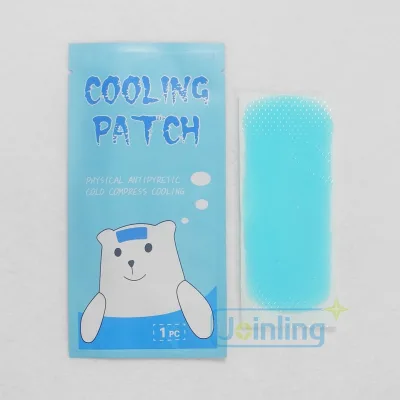
The global demand for non-invasive therapeutic solutions has elevated the profile of medical cold patches, specifically those marketed with FDA and CE compliance markers. These products, often referred to as hydrogel cooling patches or antipyretic patches, function primarily through physical hypothermia to provide relief from various conditions. Unlike chemical-based analgesics, these devices rely on the thermal properties of their materials to lower surface temperature, offering a "cool feeling" that is both immediate and sustained.
When evaluating the technical specifications of these patches, buyers must look beyond the generic term "cold patch." The core material composition is critical for both efficacy and safety. The supplied data indicates that high-quality variants utilize a multi-layer structure comprising Non-Woven Cloth, Hydrogel, and a Breathable Film. This combination ensures that the cooling agent remains contained while allowing the skin to breathe, preventing maceration or irritation. Some specific models are constructed from Nylon or Medical Non-Woven Fabric, which dictates the flexibility and adhesion properties of the product.
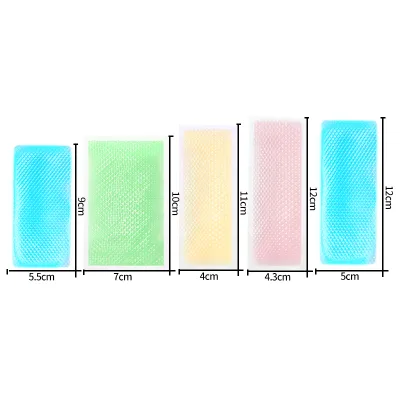
The physical dimensions of the patch are equally significant for application versatility. Market observations show a range of standardized sizes, including 6x4cm, 11x4cm, and 12x5cm, alongside options for customized shapes and sizes to fit specific anatomical areas. The packaging format varies from single patches in individual bags to bulk cartons containing multiple boxes. For instance, a common presentation involves 10 or 20 patches per box, with 26 boxes per carton. Buyers should verify the single package size and gross weight, as these factors directly influence shipping costs and inventory management. The typical single gross weight for a unit is approximately 0.012 kg, which is a crucial data point for logistics planning.
Compliance Verification and Certification Standards
In the medical device sector, the presence of FDA and CE markings is not merely a marketing advantage but a regulatory prerequisite for market access in the United States and the European Union, respectively. When sourcing "FDA CE medical cold patches," procurement teams must rigorously verify the specific scope of these certifications. The provided facts confirm that certain suppliers hold FDA, MSDS, and CE certifications, while others may list CE ISO13485 or NSF standards.
It is essential to distinguish between the product certification and the facility certification. ISO 13485 is a quality management system standard specific to medical devices, whereas CE marking indicates conformity with health, safety, and environmental protection standards for products sold within the European Economic Area. Buyers should request valid certificates that explicitly list the product model number, such as TJ-CP-001, HT-10, or CMB CGP010, to ensure the certification covers the exact item being purchased.
Furthermore, the standard of production must be scrutinized. While some listings mention standards like "By Customized," others adhere to specific dimensional standards like 12cmx5cm. Buyers should verify if the manufacturer adheres to EN 13726 or EN 455 standards, which are relevant for medical dressings, although these should be treated as verification points rather than assumed facts. The presence of Ethylene Oxide Sterilization is another critical compliance factor, ensuring the product is free from biological contaminants prior to use. Without explicit confirmation of sterilization status and valid certification documents, the risk of regulatory non-compliance increases significantly.
Cost Drivers and Pricing Structure Analysis
The pricing of medical cold patches is influenced by a complex interplay of material costs, customization levels, and order volume. The observed price range in the market spans from $0.03 to $6.00 per unit. This wide disparity is not arbitrary but reflects differences in material quality, packaging complexity, and the degree of customization required.
The base cost is heavily driven by the material composition. Patches utilizing high-grade hydrogel and breathable films generally command a higher price point compared to those using basic non-woven fabrics. Additionally, the inclusion of custom features, such as a customized logo or specific color schemes (Blue, Yellow, Green, Red, Pink, Purple), adds to the manufacturing overhead. While the supply ability of top-tier manufacturers can reach 800,000 pieces per day, the Minimum Order Quantity (MOQ) varies drastically, ranging from as low as 1 unit for samples to 100,000 units for bulk industrial orders.
Buyers must also account for packaging costs. Standard cartons with 200 boxes inside may offer better economies of scale compared to smaller, retail-ready boxes containing 10 or 20 patches. The MOQ for specific bulk orders, such as 3 cartons (equivalent to 40 patches per box and 60 boxes per carton), can significantly impact the per-unit cost. For buyers with lower volume needs, the unit price will likely be higher due to the fixed costs of setup and packaging. It is vital to negotiate based on the total landed cost, including shipping, rather than focusing solely on the unit price, as the MOQ and packaging structure can drastically alter the final budget.
Typical Applications and Usage Modes
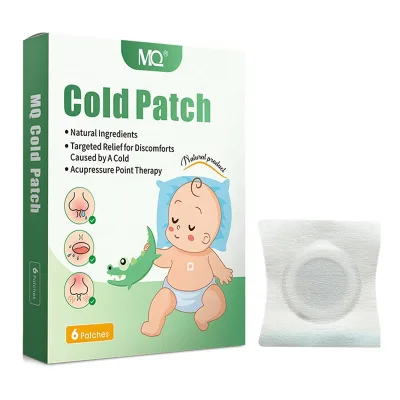
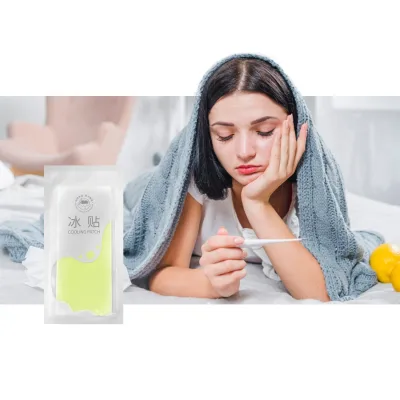
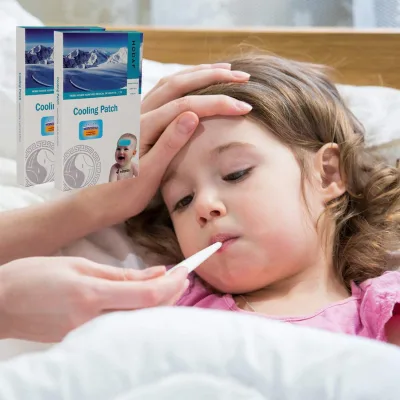
Medical cold patches are versatile therapeutic tools designed for a wide array of applications, primarily focusing on pain management and fever reduction. The primary usage mode is for external application, making them suitable for direct contact with the skin. The data highlights specific indications including headache, fever, toothache, and sprains. These applications leverage the "Physical Hypothermia" function to constrict blood vessels, reduce inflammation, and numb pain receptors.
The product attributes indicate suitability for various demographics, including adults and children, as evidenced by the application list which includes "Kids Bike" contexts, suggesting a broad safety profile. The "Cool Feeling" and "Obvious Effect" are key performance indicators for end-users. Unlike chemical patches that may cause skin irritation, these hydrogel-based patches are designed to be safe, green, and non-irritating, with no irritating odor. This makes them particularly suitable for sensitive skin types or for use in pediatric settings.
The versatility extends to the shape and size. While standard rectangular sizes are common, the availability of "Customized Shape Sizes" allows manufacturers to tailor products for specific body parts, such as the knee, elbow, or forehead. The "Rehabilitation Therapy Supplies" classification further cements their role in post-injury recovery and physical therapy regimens. Buyers should ensure that the product they source aligns with their specific target market's needs, whether it is for acute injury relief, chronic pain management, or fever reduction in children.
Supplier Evaluation and Quality Assurance Protocols
Selecting a reliable supplier for medical cold patches requires a multi-faceted evaluation strategy. The supply chain for these products is predominantly centered in China, with specific origins noted in regions like Hebei and Nanjing. While the location itself is not a quality indicator, the concentration of manufacturing hubs suggests a mature supply chain with established logistics networks.
Buyers should prioritize suppliers who demonstrate a robust quality guarantee period, with some offering up to three years of coverage. This indicates confidence in the product's shelf life and adhesive integrity. The "Condition" of the product must be verified as "New," and the "Customization" options should be clearly defined. While some products are listed as "Non-Customized," the availability of "Customized" options allows for brand differentiation.
Quality control protocols must be rigorous. The presence of Ethylene Oxide Sterilization is a non-negotiable standard for medical-grade products. Buyers should request batch testing reports to verify the sterility and chemical composition of the hydrogel. The "Advantage" of being "More Comfortable and Safe" should be backed by tangible test results rather than marketing claims. Additionally, the "Supply Ability" of 800,000 pieces per day suggests that the supplier has the capacity to handle large orders without compromising quality, but this should be validated through site audits or third-party inspections.
Long-Term Procurement Considerations and Logistics
Sourcing medical cold patches is not a one-time transaction but a long-term partnership that requires careful planning regarding logistics and inventory management. The "prod_packing" specifications, such as "by Carton" or "Box," dictate the storage requirements and handling procedures. The single package size of 8x15x1 cm is a critical dimension for warehouse optimization and shipping container utilization.
Buyers must consider the "Standard" of the product, which may vary from "By Customized" to specific dimensional standards. This affects the compatibility of the product with existing distribution channels and retail packaging. The "Logo" printing capabilities, ranging from "Without Logo Printing" to "Accept Customized Logo," offer opportunities for branding but require additional lead time and setup costs.
The "Quality Guarantee Period" of three years provides a buffer for inventory rotation, but buyers must still monitor expiration dates to ensure product efficacy. The "MOQ" of 3 cartons for specific bulk orders requires buyers to balance their inventory levels with cash flow constraints. For smaller buyers, the ability to purchase samples is a valuable feature, allowing for product testing before committing to larger orders.
In conclusion, the procurement of FDA and CE certified medical cold patches demands a strategic approach that balances technical specifications, regulatory compliance, cost efficiency, and supplier reliability. By focusing on the verified attributes of material composition, certification validity, and packaging standards, buyers can secure a supply chain that delivers high-quality therapeutic solutions while mitigating regulatory and operational risks. The wide range of applications and the potential for customization make this product category a valuable addition to any medical supply portfolio, provided that the sourcing process is grounded in rigorous due diligence and evidence-based decision-making.
FAQs
What certifications do fda ce medical cold patches typically hold?
These patches often hold FDA, CE, ISO13485, and NSF certifications. Buyers should verify that the specific model number, such as TJ-CP-001 or HT-10, is explicitly listed on the valid certificate documents to ensure regulatory compliance for their target market.
How are these medical cold patches constructed for safety?
They are constructed using multi-layer materials like Non-Woven Cloth, Hydrogel, and Breathable Film. This design ensures the cooling agent is contained while allowing skin to breathe, and they are often Ethylene Oxide Sterilized to prevent biological contamination.
Can buyers request custom logos and shapes for these patches?
Yes, customization is available for logos, colors, and specific shapes. While some models come in standard sizes like 12cmx5cm, manufacturers can produce customized shapes to fit specific anatomical areas, though this may affect the minimum order quantity requirements.
What is the typical minimum order quantity for bulk purchases?
The minimum order quantity varies significantly from 1 unit for samples to 100,000 units for bulk orders. Specific bulk configurations might require 3 cartons, which equates to a specific number of boxes and patches depending on the packaging structure chosen.
Where are these medical cold patches primarily manufactured?
These products are primarily manufactured in China, with specific origins noted in regions like Hebei and Nanjing. Buyers should verify the place of origin on the product listing to understand the supply chain logistics and potential shipping times associated with these hubs.
What are the main applications for these cooling gel patches?
They are used for external relief from headaches, fever, toothache, and sprains. The physical hypothermia function helps reduce inflammation and numb pain, making them suitable for rehabilitation therapy and general pain management across various demographics including children.
How is the pricing determined for these medical patches?
Pricing ranges from 0.03 to 6 USD per unit based on material quality and customization. Factors like hydrogel grade, packaging complexity, and order volume significantly influence the final cost, with higher customization levels generally commanding a higher price point.