Source Feng Shui Crystal Point for Home Decor, Healing, and Gifts
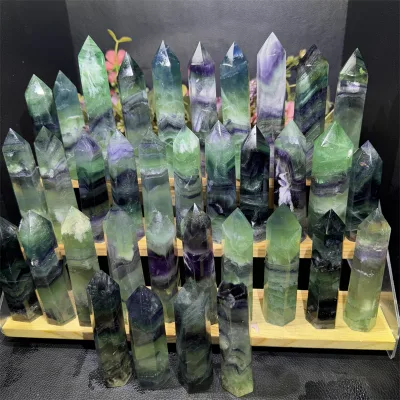
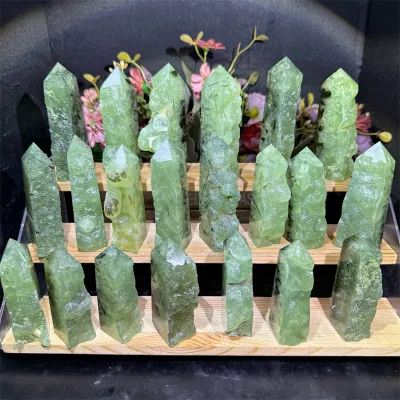
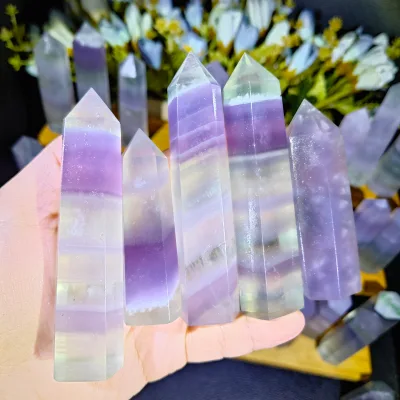
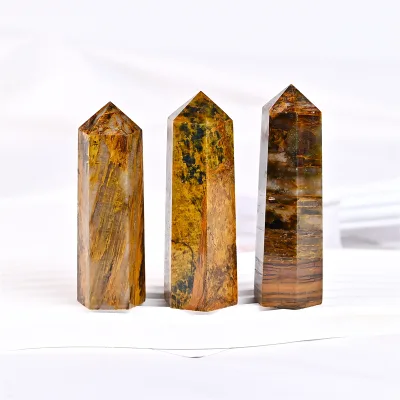
Find and compare 30 listings for Feng Shui Crystal Point products sourced from China. Evaluate options including natural crystal towers, chrysocolla points, and strawberry quartz blocks for home decoration, healing applications, and promotional gifts.
Key considerations
Products List
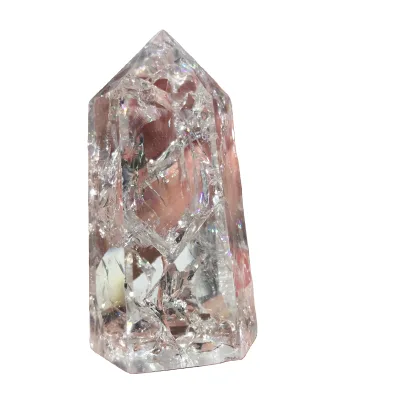
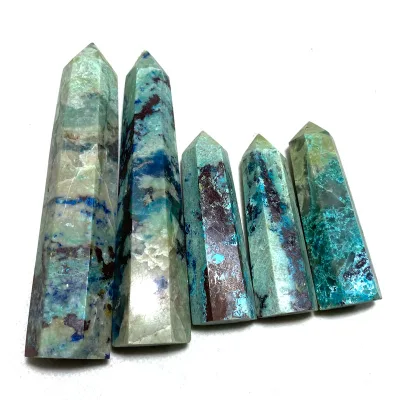
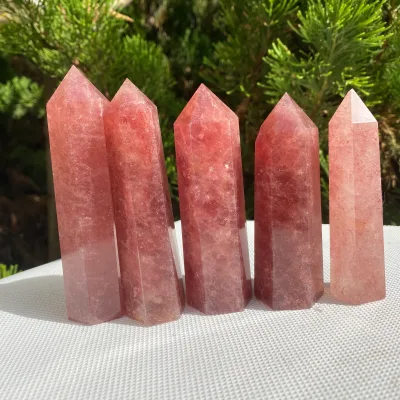
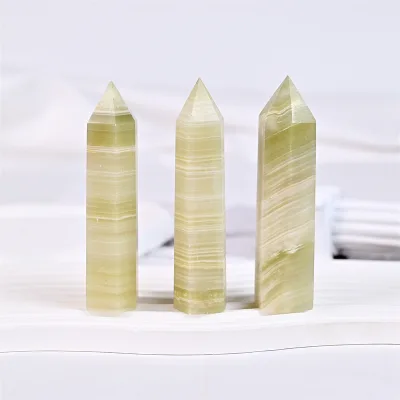
Comprehensive Sourcing Guide
Feng Shui Crystal Point Sourcing Guide
Sourcing natural crystal points for Feng Shui applications requires a disciplined approach that balances aesthetic authenticity with commercial viability. Buyers must navigate a market where product attributes vary significantly based on origin, material composition, and intended spiritual or decorative use. The following guide provides evidence-based procurement strategies for sourcing these items, focusing on verification of material integrity, compliance with safety standards, and management of commercial terms. By adhering to structured verification steps, procurement teams can mitigate risks associated with mislabeled materials, inconsistent packaging, and unreliable supplier performance.
The core of this sourcing strategy relies on distinguishing between genuine natural crystals and treated or synthetic alternatives. While the market offers a wide range of options, from clear quartz towers to chrysocolla points, the buyer’s primary objective is to ensure that the products meet the specific functional and aesthetic requirements of the end market. This involves rigorous attention to detail in product specifications, from size and shape to color and packaging. The subsequent sections outline the critical areas of focus, including product scope, technical verification, compliance, cost analysis, supplier qualification, and long-term quality management.
Product Scope and Observed Listing Signals
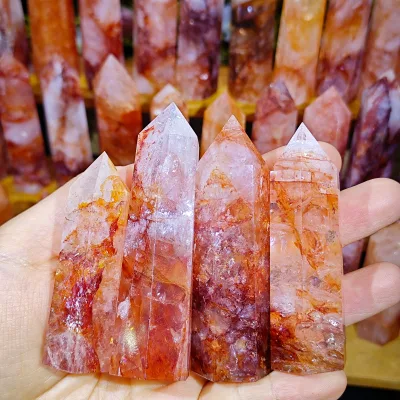
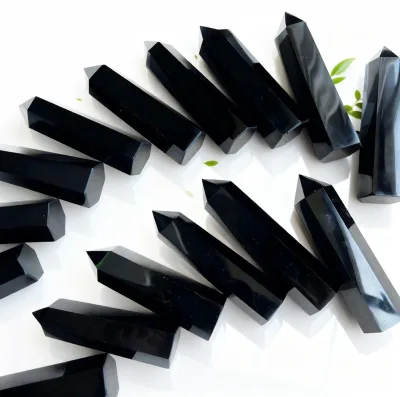
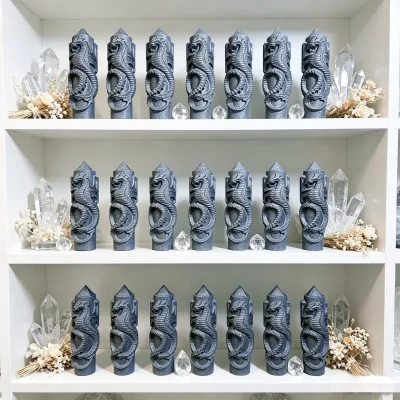
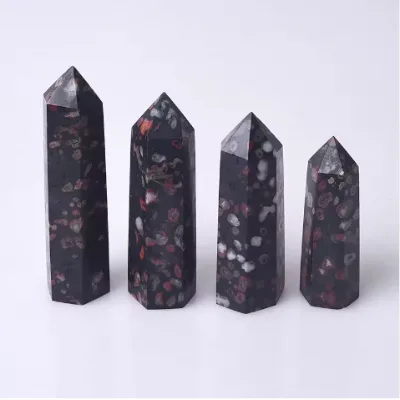
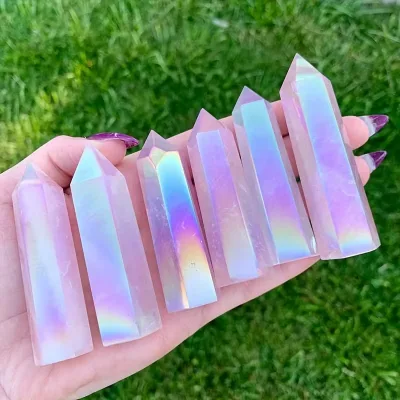
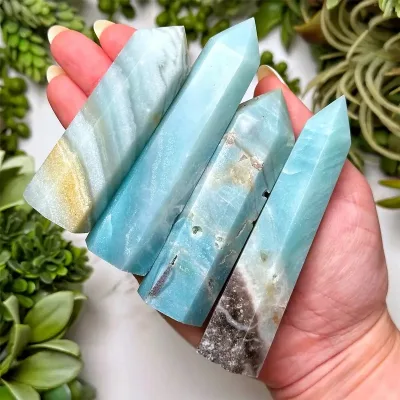
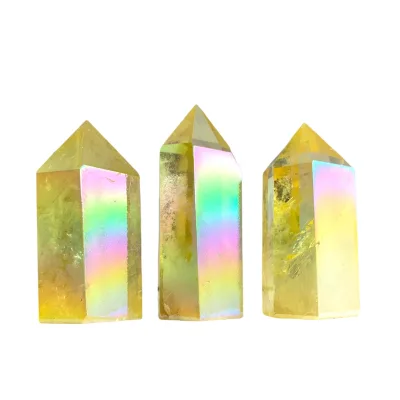
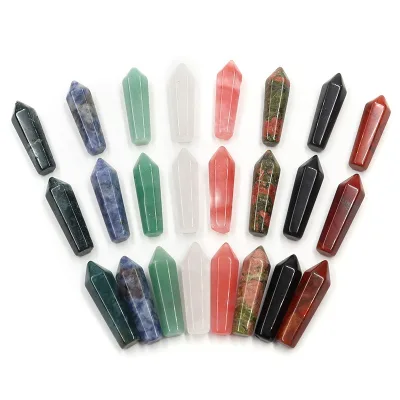
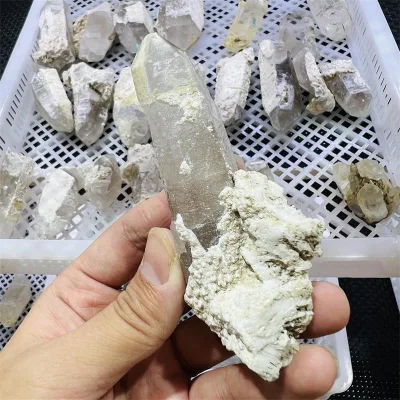
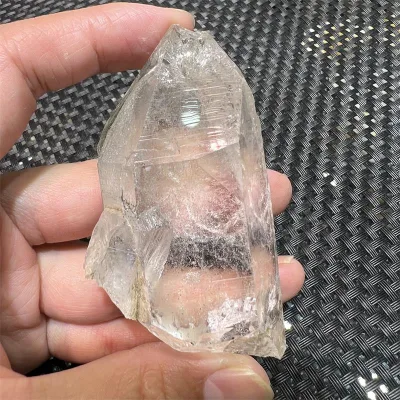
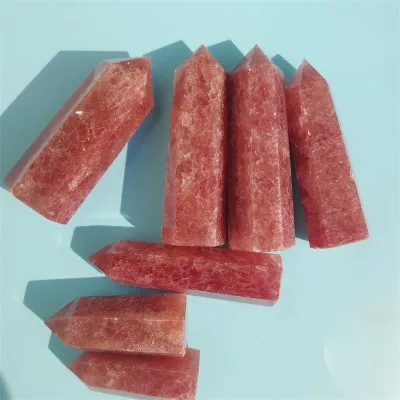
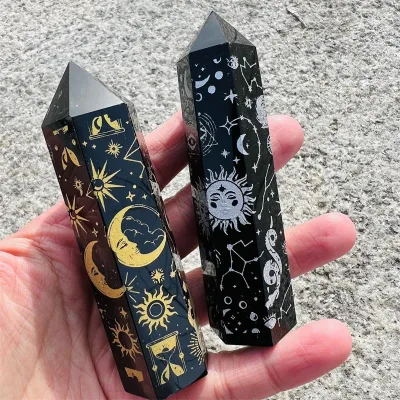
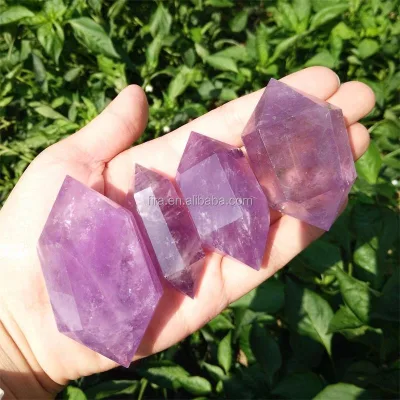
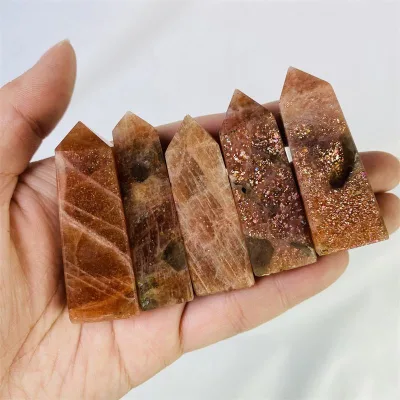
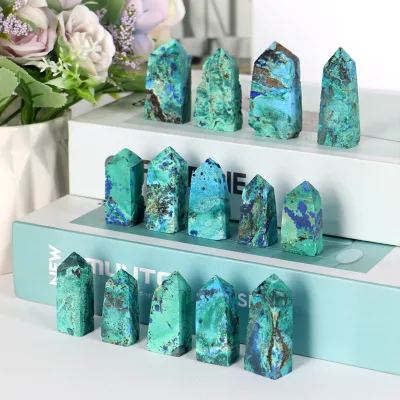
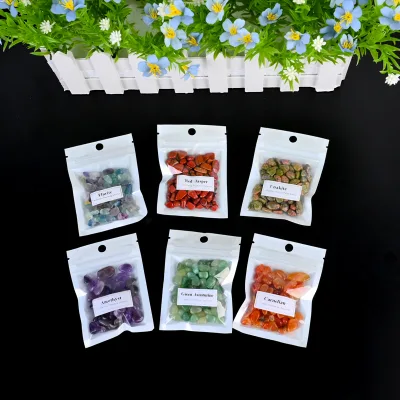
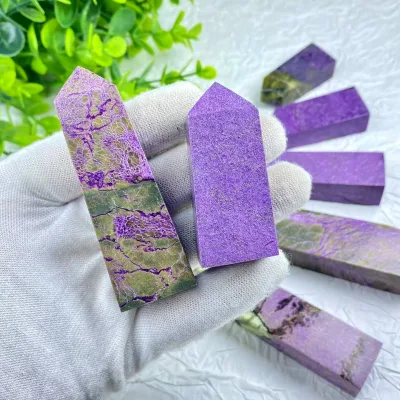
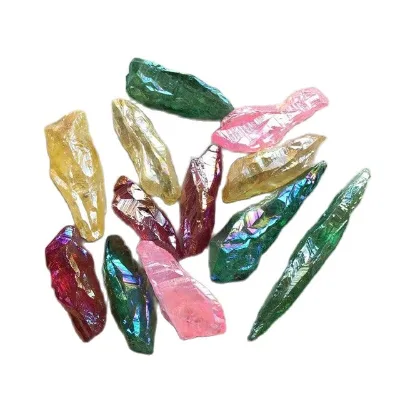
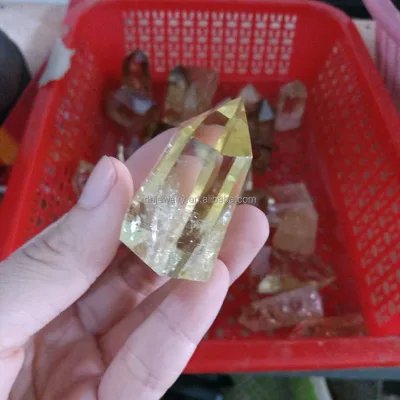
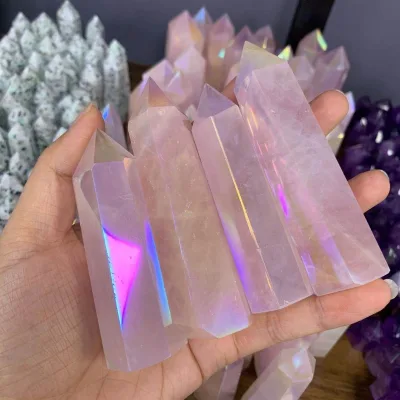
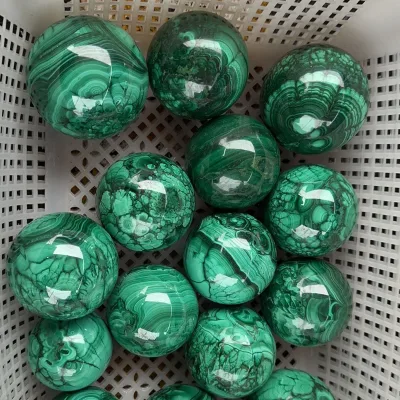
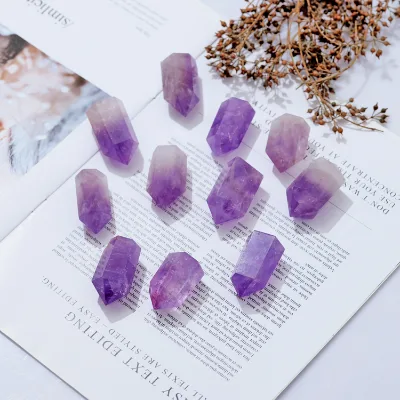
The observed product landscape for Feng Shui crystals includes a diverse array of items, ranging from natural crystal towers to specific mineral points such as chrysocolla and strawberry quartz. Listings indicate a strong emphasis on home decoration, healing applications, and gift-giving occasions, including weddings and holidays. The materials identified in the market data include natural crystal, chrysocolla, and strawberry quartz, each offering distinct visual and purported energetic properties. Buyers should note that the product types vary from single-point formations to blocks and cubes, with shapes ranging from rectangular towers to pointed formations. This variety necessitates clear definition of the target product mix to avoid confusion during the sourcing process.
Observed listing signals reveal significant variation in packaging and branding, which can impact both product protection and market positioning. Packaging details often specify safe packing methods, such as foam inside and cases outside, to protect fragile crystal structures during transit. Brands observed in the market include "fortune," "Changjiamingyu," and "Kindfull," suggesting a fragmented market with both generic and branded offerings. The presence of specific model numbers, such as "towers" and "G082802," indicates that suppliers may use internal coding systems that require clarification. Buyers must verify that the listed brand names and model numbers align with their own internal tracking systems and quality expectations.
Technical Specifications to Verify
Technical verification begins with confirming the physical dimensions and weight of the crystal points, as these factors directly influence shipping costs and retail pricing. Observed sizes range from small points measuring 60-90mm to larger towers with single package dimensions of 25x25x15 cm. The single gross weight for some items is recorded at 2.5 kg, while others may weigh up to 3.5 kg, highlighting the need for precise weight verification in supplier quotations. Buyers should request detailed dimension and weight data for each SKU to ensure accurate freight calculations and inventory planning. Discrepancies between quoted and actual weights can lead to unexpected logistics costs and margin erosion.
Material authenticity and finishing techniques are critical technical specifications that require direct verification. The observed products are described as polished natural crystals, with colors ranging from white to mint and pink, depending on the mineral type. For instance, chrysocolla points are noted for their mint color, while strawberry quartz carvings are described in pink hues. Buyers must verify that the material descriptions match the physical samples received, as treatments or synthetic substitutes may not be immediately apparent. Additionally, the technique used, such as polishing, should be assessed for quality and consistency. Inconsistent finishing can detract from the aesthetic value and perceived quality of the Feng Shui items.
Compliance and Safety Documentation
Compliance with safety standards is essential for importing crystal products, particularly those marketed for healing or home decoration. Buyers must ensure that suppliers provide relevant documentation confirming that the materials are free from harmful substances and meet the safety regulations of the destination market. While specific certification statuses are not universally listed, buyers should proactively request test reports or declarations of conformity from suppliers. This is particularly important for products that may come into direct contact with users or are intended for use in residential environments. Verifying compliance helps mitigate legal risks and ensures that the products can be legally sold in the target market.
Packaging compliance is another critical aspect of safety documentation. The observed packaging methods, such as foam inside and cases outside, are designed to protect the fragile crystal structures. However, buyers must verify that the packaging materials themselves comply with environmental and safety regulations in the destination country. This includes checking for restrictions on certain types of foam or cardboard materials. Additionally, labeling requirements must be met, including accurate product descriptions, country of origin, and any necessary warning labels. Non-compliant packaging can lead to customs delays, fines, or product rejection, making it a vital area of focus during the sourcing process.
Cost Drivers and Commercial Terms
Cost drivers for Feng Shui crystal points include material quality, size, weight, and packaging complexity. Larger and heavier items, such as 2.5 kg towers, incur higher shipping costs, which can significantly impact the total landed cost. Buyers should analyze the cost structure by breaking down material, manufacturing, packaging, and logistics expenses. Understanding these drivers allows for more accurate budgeting and negotiation with suppliers. Additionally, the observed MOQ ranges from 1 kg to 100 kg, indicating flexibility in order quantities. Buyers should leverage this flexibility to optimize inventory levels and reduce holding costs, while ensuring that the MOQ aligns with their sales forecasts.
Commercial terms, including payment methods and shipping options, also influence the overall cost and risk profile of the procurement. Observed payment terms include T/T (Telegraphic Transfer), which is common in international trade. Buyers should negotiate favorable payment terms, such as partial payments or escrow services, to mitigate financial risk. Shipping options vary, with airport and express delivery mentioned as common methods. Buyers should compare shipping costs and lead times to determine the most cost-effective and reliable option. Clear agreement on Incoterms is essential to define responsibility for shipping and insurance, ensuring that both parties understand their obligations.
Supplier Qualification and Quality Control
Supplier qualification is a critical step in ensuring the reliability and consistency of Feng Shui Crystal Point supplies. Buyers should conduct thorough due diligence on potential suppliers, including verification of their business licenses, production capabilities, and quality management systems. The observed place of origin, Jiangsu, China, suggests a concentration of suppliers in this region. Buyers should visit or request virtual tours of the supplier’s facilities to assess their production processes and quality control measures. Additionally, checking for references or past performance with other buyers can provide insights into the supplier’s reliability and professionalism.
Quality control measures must be established to ensure that the products meet the specified standards. Buyers should implement a robust inspection process, including pre-shipment inspections and random sampling of received goods. Key quality indicators include material authenticity, finishing quality, and packaging integrity. Buyers should define clear acceptance criteria for each of these indicators and communicate them to the supplier. Regular feedback and performance reviews can help identify areas for improvement and ensure continuous quality enhancement. Establishing a strong quality control framework reduces the risk of receiving substandard products and enhances customer satisfaction.
Long-Term Procurement Checks
Long-term procurement checks involve continuous monitoring of supplier performance and market trends to ensure sustained value and reliability. Buyers should establish key performance indicators (KPIs) for suppliers, including on-time delivery, product quality, and responsiveness to issues. Regular performance reviews should be conducted to assess supplier adherence to these KPIs and identify any emerging risks. Additionally, buyers should stay informed about changes in market demand, material availability, and regulatory requirements. This proactive approach allows for timely adjustments to sourcing strategies and helps maintain a competitive edge in the market.
Building a resilient supply chain requires diversification of suppliers and continuous relationship management. Buyers should avoid over-reliance on a single supplier and develop relationships with multiple qualified vendors. This diversification mitigates the risk of supply disruptions and provides leverage in negotiations. Regular communication and collaboration with suppliers can foster trust and improve overall supply chain efficiency. Additionally, buyers should invest in training and development for their procurement teams to enhance their skills in supplier management and risk mitigation. A well-managed supply chain is essential for long-term success in the Feng Shui crystal market.
FAQs
What materials are used for feng shui crystal points?
Natural crystal and Chrysocolla are common materials used for these items. Some products feature Strawberry Quartz carvings, while others are made from clear cracked quartz towers. The specific material depends on the model number and product type selected by the buyer.
How are these crystal points packaged for shipping?
Safe packing typically includes foam inside and a case outside to protect the items. Translucent natural cracked quartz towers are often shipped in this manner. The single package size varies, with common dimensions being 25x25x15 cm or 15x15x15 cm depending on the product.
Which shapes are available for feng shui crystal products?
Available shapes include Rectangle, Point, and Block & Cube configurations. Some items are described as towers or points with specific sizes like 60-90mm or 40-90mm. The shape is determined by the specific product type and model number listed in the catalog.
Can I find feng shui crystal points with low MOQ?
Yes, minimum order quantities can be as low as 1kg or 2kg for certain items. Some products allow a single item purchase, while others require a minimum of 100 units. The specific MOQ depends on the product type and the supplier's terms.
What are the primary usage applications for these crystals?
These crystals are used for home decoration, healing, and providing energy. They also serve as holiday decorations, wedding gifts, and souvenirs. Some specific applications include Christmas themes and general Feng Shui practices.
How are these products shipped from the origin?
Shipping methods include airport transport and express delivery options. The place of origin is Jiangsu, China, for the listed products. Buyers should check specific shipping terms like T/T payment and available logistics channels for their orders.