Source Fifth Wheel for Tractor for Harvesters, Tillers, and Tractors
Find and compare 30 Fifth Wheel for Tractor options from Chinese manufacturers. Evaluate specifications like 50# and 90# ratings, 8mm or 10mm thickness, and CE or ISO certifications to select suitable components for agricultural machinery and heavy-duty towing applications.
Key considerations
Products List


5th Wheel Semi Truck Trailer Fifth Wheel for Tractor Trailer for Sales
$170.00 - $200.00
MOQ: 10 Pieces

2 Inch / 3.5'' 90mm Trailer Casting Fifth Wheel /5th Wheel for Tractor
$170.00 - $200.00
MOQ: 10 Pieces


5th Wheel Forging Type Fifth Wheel for Semi Trailer Parts Truck Parts
$170.00 - $200.00
MOQ: 10 Pieces


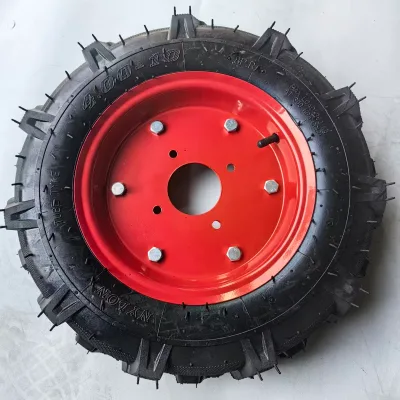
Agricultural Wheel Forestry Wheel Farm Wheel Tractor Wheel Combine Wheel
$100.00 - $400.00
MOQ: 10 Pieces




Comprehensive Sourcing Guide
Fifth Wheel for Tractor Sourcing Guide
Procuring fifth wheel assemblies for agricultural and heavy-duty tractor applications requires a precise understanding of mechanical interfaces, load-bearing capacities, and regulatory compliance. These components serve as the critical coupling point between the tractor unit and the trailer or implement, transferring both vertical weight and horizontal traction forces. Buyers must navigate a market where specifications vary significantly based on the intended duty cycle, ranging from light agricultural towing to heavy industrial hauling. The following guide outlines the essential verification steps, technical parameters, and commercial considerations necessary to secure reliable supply chains for these vital mechanical connections.
Product Scope and Observed Listing Signals
The current market landscape for fifth wheel components reveals a diverse range of product listings, with observed prices spanning from $1 to $8,000 USD. This wide variance reflects differences in material quality, manufacturing complexity, and included accessories such as mounting hardware or specialized locking mechanisms. Buyers should note that the minimum order quantities (MOQ) typically range from 1 to 1,000 units, indicating that suppliers cater to both individual replacement needs and large-scale fleet procurement. Understanding this price and volume spectrum is crucial for budgeting and negotiating terms that align with your operational scale.
Product attributes observed in listings include single-deck configurations, steel construction, and specific mounting hole patterns, such as six-hole setups. Common specifications include king pin sizes of 90mm and rim diameters ranging from 13 to 14 inches, with some variants supporting tire designs like radial tyres. The products are often described with specific model identifiers such as UT35 or 3.5-inch variants, and standards like 50# or 90# are frequently cited. These signals help buyers narrow down their search to components that match their existing tractor infrastructure, ensuring compatibility before initiating detailed technical discussions with suppliers.
Technical Specifications to Verify
Verifying the physical dimensions and material properties of the fifth wheel is the first step in ensuring mechanical compatibility. Key specifications to confirm include the king pin size, which is commonly observed at 90mm, and the mounting hole configuration, such as the six-hole pattern. The thickness of the steel plate, often listed as 8mm or 10mm, directly impacts the component's durability and load-bearing capacity. Buyers must ensure that these dimensions precisely match the tractor’s receiver and the trailer’s king pin to prevent misalignment, excessive wear, or catastrophic failure during operation.
Beyond dimensions, the type of fifth wheel and its associated standards must be validated against the intended application. Listings may reference specific standards like 50# or 90#, which denote load ratings or design specifications. The product type is often categorized as single track or single deck, and the color is typically black, indicating a protective coating. Additionally, the presence of a rear muffler or specific tire sizes, such as 13x5.00-6, may be relevant if the fifth wheel is part of a larger assembly or trailer system. Confirming these details prevents the procurement of incompatible parts that could disrupt fleet operations.
Compliance and Safety Documentation
Safety and regulatory compliance are non-negotiable aspects of sourcing fifth wheel components, particularly for equipment used in public roads or regulated industrial environments. Buyers should request documentation verifying that the products meet relevant international and regional standards. Common certifications observed in the market include CE, ISO/Ts16949, ECE, CCC, ISO, FCC, DOT, RoHS, and GS. These certifications indicate that the manufacturer has undergone rigorous testing for quality, environmental safety, and performance, providing assurance that the components meet baseline safety requirements.
In addition to certifications, buyers must verify that the documentation aligns with the specific regulatory framework of their operating region. For instance, DOT certification is critical for North American markets, while CE marking is essential for European Union compliance. The presence of multiple certifications suggests a manufacturer’s capability to serve diverse global markets, but buyers should prioritize the certifications mandated by their local laws. Ensuring that the supplier can provide valid, up-to-date certificates for each batch of goods is a vital step in mitigating legal and operational risks.
Cost Drivers and Commercial Terms
The cost of fifth wheel components is influenced by several factors, including material costs, manufacturing complexity, and order volume. Steel is the primary material, and fluctuations in steel prices can impact the final cost. The thickness of the steel, whether 8mm or 10mm, also plays a role, as thicker plates require more material and processing time. Buyers should analyze the price-to-specification ratio to ensure they are not overpaying for unnecessary features or underpaying for substandard materials that may lead to premature failure.
Commercial terms such as MOQ, lead times, and payment conditions are critical for supply chain planning. While observed MOQs range from 1 to 1,000 units, buyers should negotiate terms that align with their inventory management strategies. Packing methods, such as pallets, boxes, or standard export packages, affect shipping costs and handling efficiency. For example, a packing configuration of 154 pieces per 20-foot container can optimize logistics for bulk orders. Understanding these commercial nuances helps buyers forecast total landed costs and avoid unexpected expenses during the procurement process.
Supplier Qualification and Quality Control
Selecting a qualified supplier is essential for ensuring the long-term reliability of fifth wheel components. Buyers should verify the supplier’s manufacturing capabilities, including their production capacity and quality control processes. The presence of certifications like ISO/Ts16949 indicates a commitment to quality management systems, but buyers should also request evidence of internal testing procedures and inspection protocols. Suppliers that offer customization options may provide greater flexibility, but this should be balanced with their ability to maintain consistent quality across customized orders.
Quality control should extend beyond the initial purchase to include ongoing performance monitoring. Buyers should establish clear acceptance criteria for incoming goods, including visual inspections for defects and dimensional checks for critical components like the king pin and mounting holes. The warranty period, often listed as 12 months, provides a baseline for supplier accountability, but buyers should clarify the terms and conditions of the warranty, including coverage for manufacturing defects and response times for claims. Building a relationship with suppliers who prioritize transparency and quality assurance reduces the risk of supply chain disruptions.
Long-Term Procurement Checks
Long-term procurement success depends on continuous evaluation of supplier performance and product reliability. Buyers should track key performance indicators such as delivery times, defect rates, and customer support responsiveness. Regular audits of the supplier’s quality management systems can help identify potential issues before they impact production. Additionally, staying informed about changes in industry standards and regulations ensures that the procured components remain compliant and suitable for evolving operational requirements.
Feedback from end-users and maintenance teams is invaluable for assessing the real-world performance of fifth wheel components. Buyers should establish a feedback loop to capture insights on durability, ease of installation, and maintenance needs. This information can guide future procurement decisions, such as adjusting specifications or switching suppliers if necessary. By maintaining a proactive approach to supplier management and product evaluation, buyers can ensure a stable and efficient supply chain for their fifth wheel components, supporting the overall reliability of their tractor and trailer operations.
FAQs
What certifications do Fifth Wheel for Tractor products have?
Products typically hold CE, ISO/Ts16949, ECE, CCC, ISO, FCC, DOT, RoHS, and GS certifications. These standards ensure compliance with international safety and quality requirements for heavy-duty tractor applications.
Which specifications are available for the fifth wheel models?
Available specifications include 50#, 90#, 2 inch, 3.5 inch, and 90mm king pin sizes. Thickness options range from 8mm to 10mm to support various load capacities and tractor types.
Can I customize the Fifth Wheel for Tractor components?
Customization is available for specific buyer requirements. Buyers should contact suppliers directly to discuss modifications regarding mounting holes, dimensions, or material thickness to fit unique tractor models.
What is the warranty period for these fifth wheel units?
The standard warranty period is 12 months for new condition units. This coverage applies to manufacturing defects and ensures reliability for agricultural and transport machinery operations.
How are the fifth wheel products packed for shipping?
Products are packed using pallets, boxes, or standard export packages. Specific configurations include 154 pieces per 20-foot container or 5 pieces per bag depending on the item type.
Where are the Fifth Wheel for Tractor products manufactured?
These products originate from Shandong, China. The manufacturing location supports global export requirements and ensures consistent quality standards for international buyers seeking reliable tractor components.