Source Fighting Arcade Machine for Amusement Parks, Fitness Centers, and Prize Game Zones
Find and compare 30 Fighting Arcade Machine listings from Guangzhou suppliers. Buyers can evaluate specifications like age suitability, interaction modes, and certifications including CE and ISO for various commercial applications.
Key considerations
Products List


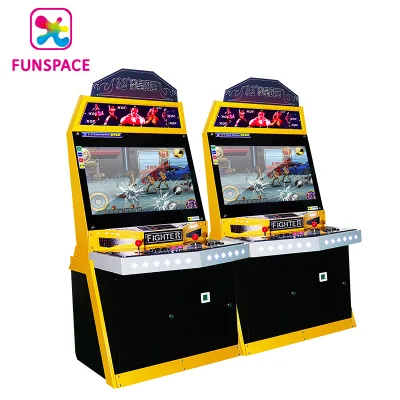


Adult Entertainment Fighting Arcade Game. Coin Game Arcade Gift Machine
$850.00 - $900.00
MOQ: 10 Pieces

Popular Arcade Machines. Coin Operated 22-Inch Fighting Gaming Machine
$380.00 - $420.00
MOQ: 1 Pieces

Arcade Boxing Machine. Coin-Operated Gaming Machine. Kick and Boxing Machine
$980.00 - $1200.00
MOQ: 1 pieces


Sports Simulator Dynamic Boxing Game Arcade Game Machine Electronic Machine
$6500.00 - $7000.00
MOQ: 1 Sets


Comprehensive Sourcing Guide
Fighting Arcade Machine Sourcing Guide
Sourcing fighting arcade machines requires a nuanced understanding of both the mechanical durability needed for high-traffic environments and the electronic complexity involved in modern cabinet design. Buyers must navigate a market where "fighting" can refer to traditional button-based beat 'em ups, motion-sensing VR combat games, or large-scale physical interaction simulators. The procurement strategy must balance aesthetic appeal with robust engineering, ensuring that the equipment can withstand the vigorous physical interactions typical of competitive gaming. This guide provides a structured approach to evaluating suppliers, verifying technical specifications, and ensuring compliance with international safety and quality standards.
The following sections detail the critical verification steps for sourcing these machines. We focus on observable product attributes, such as material composition, certification status, and customization options, to help buyers make informed decisions. By adhering to these evidence-based criteria, procurement teams can mitigate risks associated with product failure, regulatory non-compliance, and supplier unreliability. The goal is to establish a clear framework for evaluating potential vendors and selecting equipment that aligns with specific operational needs and target audience demographics.
Product Scope and Observed Listing Signals
The current market for fighting arcade machines exhibits a wide range of price points, typically observed between $100 and $49,000 USD, reflecting the diversity from simple handheld units to complex, multi-player interactive installations. Minimum Order Quantities (MOQ) generally range from 1 to 10 units, indicating that suppliers are often flexible with small-batch orders, which is beneficial for testing market response or outfitting smaller venues. Buyers should note that these figures are observed signals and may vary significantly based on the specific model, customization level, and included software licenses. Understanding this variance is crucial for budgeting and negotiating terms with potential suppliers.
Product listings frequently highlight customization capabilities, with many suppliers offering tailored solutions for color, branding, and interactive features. For instance, attributes such as "Customization: Available" and "Customized: Customized" suggest that buyers can modify aesthetic elements like the cabinet color, which is often observed in blue, red, yellow, or white finishes. Additionally, some machines support multi-language software interfaces, enhancing their appeal in international markets. These customization options allow operators to align the machine’s appearance and functionality with their brand identity, but buyers must verify the lead times and additional costs associated with these bespoke requirements.
Technical Specifications to Verify
When evaluating the technical aspects of fighting arcade machines, the material composition is a primary indicator of durability and user experience. Common materials observed in high-quality units include Metal, Plastic Suction, Wood, and FRP (Fiberglass Reinforced Plastic). The choice of material impacts the machine’s weight, stability, and resistance to wear and tear. For example, FRP is often used for large, sculptural cabinets due to its strength and moldability, while metal components provide structural integrity for high-impact interactions. Buyers should verify the specific material mix for each model to ensure it meets the durability requirements of their intended environment, whether it be a quiet family center or a high-energy amusement park.
Interactive features and player capacity are also critical technical specifications that define the machine’s utility. Listings indicate various interaction modes, including Multi-Player Mode, which is essential for competitive fighting games. Some units are designed for single players, while others support two or more participants, influencing the spatial requirements and revenue potential. Additionally, the presence of specific functional features, such as Sports Fitness or Prize Game Machine capabilities, can broaden the machine’s appeal. Buyers must confirm the screen type, noting that some units use Non-Touchscreens, which may affect the user interface design and maintenance requirements. Verifying these technical details ensures that the selected machine aligns with the desired gameplay experience and operational constraints.
Compliance and Safety Documentation
Certification is a non-negotiable aspect of sourcing arcade machines, particularly for international markets. The most frequently observed certifications in product listings include CE, ISO, and CCC. The CE mark indicates conformity with health, safety, and environmental protection standards for products sold within the European Economic Area, while ISO certification suggests adherence to international quality management standards. The CCC mark is required for products sold in China, indicating that the product has passed compulsory certification. Buyers must request valid certificates for each model they intend to purchase, ensuring that the documentation is current and issued by recognized authorities.
Safety features are equally important, especially for machines intended for public use. Attributes such as "Safety Belt" and "Weight Capacity: Max 50 kg" highlight specific safety considerations that must be verified. For instance, machines with physical interaction components, such as swinging or riding mechanisms, must include secure restraint systems to prevent injury. Additionally, the condition of the product, typically listed as "New," should be confirmed to ensure that no refurbished or damaged units are supplied. Buyers should also inquire about the warranty period, which is often observed as 15 months, to understand the supplier’s commitment to product reliability and after-sales support.
Cost Drivers and Commercial Terms
The cost of fighting arcade machines is influenced by several factors, including the complexity of the electronic components, the quality of materials, and the level of customization. High-end units with advanced graphics, motion sensors, and durable construction will naturally command higher prices. Buyers should also consider the packaging requirements, as observed in listings that specify "Bubble Pack+Well Paper+Stretch Films+Wood." This multi-layered packaging is essential for protecting the machine during transit, particularly for international shipments, and may impact the overall logistics cost. Understanding these cost drivers helps buyers negotiate more effectively and avoid unexpected expenses.
Commercial terms, such as lead times and payment conditions, are critical for supply chain planning. While specific lead times are not provided in the observed data, buyers should always request clear timelines from suppliers, especially for customized orders. The origin of the products, often listed as Guangzhou, China, is a significant hub for arcade machine manufacturing, offering a wide range of suppliers and competitive pricing. However, buyers must verify the supplier’s production capacity and reliability to ensure timely delivery. Additionally, understanding the warranty terms and the process for claiming repairs or replacements is essential for long-term operational continuity.
Supplier Qualification and Quality Control
Supplier qualification is a vital step in the sourcing process, requiring a thorough assessment of the vendor’s capabilities and reputation. Buyers should verify the supplier’s production technology, with Injection Molding being a common method for creating durable plastic components. This process ensures consistency and precision in manufacturing, which is crucial for maintaining the quality of interactive parts. Additionally, suppliers should have a robust quality control system in place to inspect each unit before shipment. Buyers can request evidence of this process, such as pre-shipment inspection reports or video demonstrations of the assembly line, to ensure that the products meet the specified standards.
The target audience and age range are also important considerations when evaluating supplier offerings. Listings indicate that machines are suitable for various age groups, from 7-14 years old to adults aged 15-50 years and older. Some products are specifically designed for parent-child interaction, highlighting the versatility of the equipment. Buyers should ensure that the supplier’s product range aligns with their target demographic and that the marketing materials accurately reflect the intended use. Furthermore, verifying the supplier’s ability to provide multi-language support for software and user interfaces can enhance the machine’s usability in diverse markets.
Long-Term Procurement Checks
Long-term procurement success depends on establishing a reliable supply chain and maintaining ongoing quality assurance. Buyers should conduct regular audits of their suppliers to ensure continued compliance with safety and quality standards. This includes verifying that the certifications, such as CE and ISO, remain valid and that the supplier adheres to ethical manufacturing practices. Additionally, buyers should monitor the performance of the machines in the field, collecting feedback from users and maintenance staff to identify any recurring issues. This data can be used to negotiate improvements with the supplier or to inform future purchasing decisions.
Sustainability and after-sales support are also key factors in long-term procurement. Buyers should inquire about the availability of spare parts and the supplier’s policy for repairs and upgrades. Machines with modular designs are often easier to maintain, reducing downtime and repair costs. Furthermore, considering the environmental impact of the materials used, such as the recyclability of plastics and metals, can align with corporate sustainability goals. By focusing on these long-term aspects, buyers can build a resilient supply chain that supports the ongoing success of their arcade operations.
FAQs
What certifications do fighting arcade machines have?
These machines typically carry CE, ISO, and CCC certifications. The listed products confirm compliance with these standards to ensure safety and quality for amusement park environments.
Can I customize the color of the machine?
Yes, customization is available for the product color. Buyers can request specific colors like blue, red, yellow, or white depending on the specific model and supplier capabilities.
What is the warranty period for these machines?
The standard warranty period is 15 months for the listed products. This coverage applies to new machines manufactured using injection molding or FRP materials for durability.
How many players can use the machine simultaneously?
The machine supports multi-player modes with options for one or two players. Specific models like the Cosmic Air Hockey support multiple users for interactive sports fitness experiences.
What is the minimum order quantity for these machines?
The minimum order quantity ranges from 1 to 10 units. This flexible MOQ allows buyers to start with small batches while testing the market or fulfilling specific venue needs.
Where are these fighting arcade machines manufactured?
The products originate from Guangzhou, China. This location is a known hub for manufacturing amusement park equipment and game machines with established supply chains.
What materials are used to build these machines?
Machines are constructed from metal, plastic, FRP, and wood. These materials ensure structural integrity and safety for users aged 7 to 50 years in various amusement settings.