Source Fidget Spinner for Stress Relief, Focus Aid, and Motor Skills
Explore 30 verified listings for Fidget Spinner toys designed for stress relief, focus enhancement, and motor skill development. Buyers can compare materials like plastic and metal, certifications including EN71 and ASTM, and customization options from suppliers in China.
Key considerations
Products List








Comprehensive Sourcing Guide
Strategic Sourcing Guide for Fidget Spinners in the B2B Market
Understanding Product Variations and Technical Specifications
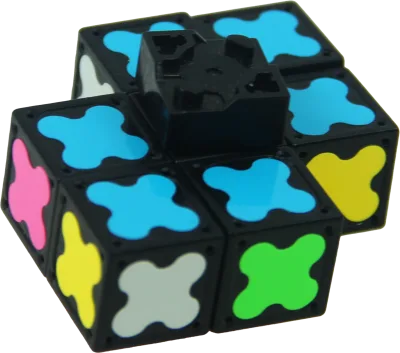
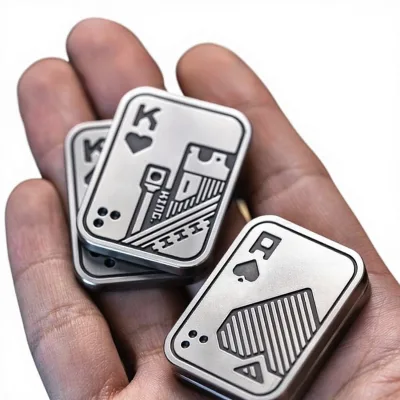
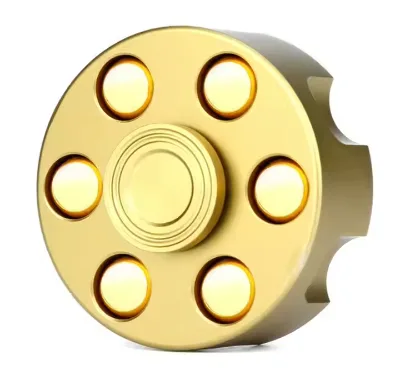
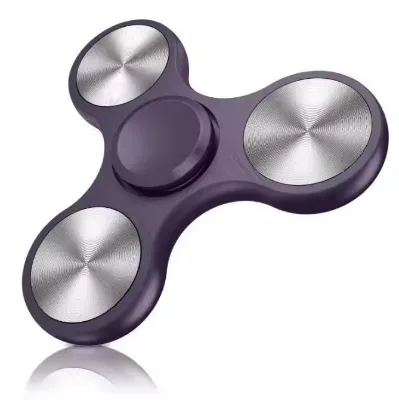
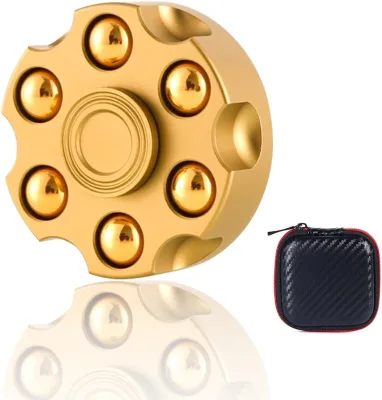
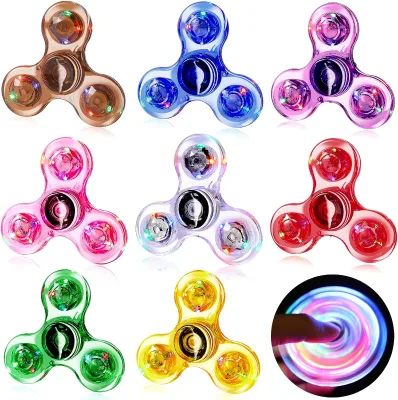
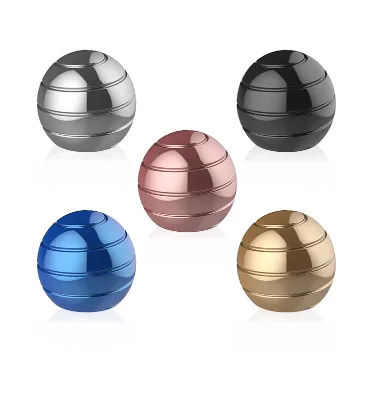
The global market for fidget spinners presents a diverse landscape of product configurations, driven by the need to serve various user demographics and functional requirements. When sourcing this category, buyers must first recognize that "Fidget Spinner" is a broad descriptor encompassing distinct mechanical designs, material compositions, and dimensional standards. The observed product data reveals a clear segmentation based on material and form factor. One distinct category utilizes plastic as the primary construction material, often featuring a square shape with dimensions of 70*70MM. These units are typically packaged in tin boxes, suggesting a premium positioning or a specific retail requirement for durable, reusable packaging. In contrast, another segment employs metal construction, offering a different tactile experience and potentially higher durability. These metal variants appear in quadrilateral and hexagonal shapes, with a single package size of 7X7X1 cm, indicating a more compact footprint suitable for bulk distribution.
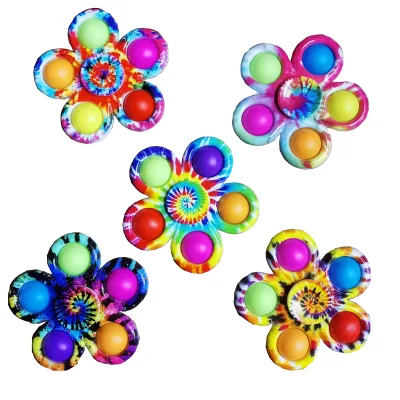
Furthermore, the market includes specialized mechanical designs such as the "Press to Spin Fidget Spinner" and "Gear Fidget Spinner 3," alongside "Octagon Stress Relief Toys." These specific model numbers indicate that suppliers offer distinct mechanical actions beyond simple spinning, such as gear-driven rotation or press-activated mechanisms. The physical standards for these items vary significantly; some adhere to a standard of 6cm (2.37in), while others are specified at 4.2cm. This variance in size directly impacts the user experience, particularly for the target age ranges observed, which span from 5 to 7 years, 8 to 13 years, and 14 years and up. A buyer must determine which size and mechanical complexity aligns with their specific target demographic. The weight of these items also varies, with observed single gross weights ranging from 0.030 kg to 0.100 kg. This difference in mass is critical for shipping cost calculations and for ensuring the product feels substantial enough to be effective as a stress-relieving tool without being cumbersome.
Compliance, Certification, and Safety Standards
Safety compliance is a non-negotiable aspect of sourcing fidget spinners, particularly given the product's usage by children and adolescents. The observed data highlights specific certifications that serve as indicators of regulatory adherence in key markets. Notably, products in this category are frequently associated with EN71, ASTM, and CE certifications. EN71 is the European standard for toy safety, covering mechanical and physical properties, flammability, and chemical migration. ASTM refers to the American Society for Testing and Materials standards, which are essential for selling in the United States. CE marking indicates conformity with health, safety, and environmental protection standards for products sold within the European Economic Area.
When evaluating potential suppliers, buyers should verify that the provided certificates are current and applicable to the specific product model being ordered. It is important to treat these certifications as observations of specific listings rather than universal guarantees for every product in the category. A supplier may offer EN71/ASTM/CE compliance for their plastic square models but might not have the same documentation for their metal hexagonal variants. Buyers must request valid test reports from accredited laboratories to confirm that the specific batch or model meets these standards. The absence of these certifications, or the presence of outdated documentation, poses a significant risk of customs seizure or product recalls in regulated markets. Additionally, the "Eco-Friendly" attribute observed in some listings suggests a growing trend toward sustainable materials, but buyers should verify what specific materials or manufacturing processes constitute this claim to ensure it aligns with their corporate sustainability goals.
Cost Drivers and Pricing Dynamics
The pricing structure for fidget spinners is influenced by a complex interplay of material costs, customization levels, and order volumes. The observed price range in the market spans from 0.10 USD to 10.87 USD, a wide disparity that reflects the diversity in product quality and packaging. The lower end of this spectrum likely corresponds to basic plastic models with minimal packaging, such as OPP bags, while the higher end may reflect metal construction, tin box packaging, or extensive customization. Material choice is a primary cost driver; metal components generally incur higher raw material costs and processing expenses compared to plastic injection molding.
Order volume plays a pivotal role in determining the final unit price. The Minimum Order Quantity (MOQ) requirements vary significantly across the supply base, ranging from as low as 50 pieces to as high as 3,600 sets. Some listings indicate an MOQ of 3,000 sets, while others accept orders starting at 100 or 50 pieces. This variance suggests that smaller suppliers or those offering highly customized services may have lower entry thresholds, whereas large-scale manufacturers might require substantial volume commitments to justify production runs. Customization is another major cost factor. The data confirms that "Customized Logo" and "OEM & ODM" services are widely accepted. However, implementing a custom logo or unique packaging design often incurs additional setup fees and may increase the per-unit cost. Buyers must balance the desire for branding with the budget constraints imposed by these variable costs. Furthermore, the "Selling Units" are listed as single items, meaning the pricing is typically per unit, but the total cost is heavily dependent on the negotiated MOQ and the specific packaging configuration selected.
Typical Applications and Target Demographics
Fidget spinners are primarily designed for stress relief and pressure release, serving as tools for sensory regulation and focus enhancement. The observed usage attributes explicitly state "Release Pressure," "Stress Relieving," and "Pressure Relief," confirming their function as therapeutic aids. These applications make them suitable for a wide range of users, from children with sensory processing needs to adults seeking stress management tools. The age range data indicates a broad target market, specifically covering children aged 5 to 7, 8 to 13, and those 14 years and up. This suggests that the product is versatile enough to be marketed as a toy for younger children while also being positioned as a desk accessory for teenagers and adults.
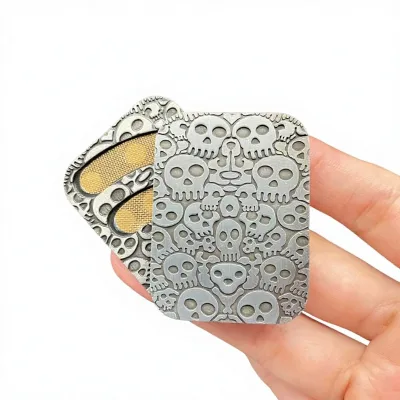
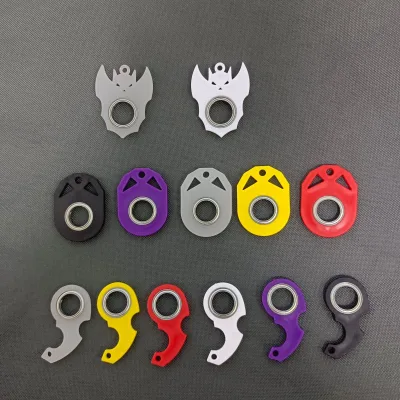
The "Unisex" gender attribute further expands the potential market, allowing for inclusive marketing strategies. The "Portable" feature is a critical selling point, as it enables users to carry the device easily in pockets, bags, or pencil cases. This portability is essential for the product's utility in various settings, including classrooms, offices, and public transportation. The "Eco-Friendly" attribute observed in some listings may appeal to environmentally conscious consumers, potentially opening up niche markets in schools or organizations with green initiatives. The specific shapes, such as squares, quadrilaterals, and octagons, offer different tactile experiences, which can be leveraged to target users with specific sensory preferences. For instance, the "Skull head push card" design suggests a unique aesthetic appeal that might attract a specific subculture or age group within the broader demographic.
Supplier Evaluation and Operational Capabilities
Selecting the right supplier requires a thorough evaluation of their operational capabilities, including production capacity, location, and flexibility. The observed data indicates that products originate from various locations in China, specifically Zhejiang and Shanxi provinces. These regions are known for their manufacturing clusters, but buyers should verify the specific factory capabilities rather than relying solely on the province name. The "Delivery Time" is listed as 7-15 days, which is a relatively short lead time, suggesting that suppliers may maintain stock of standard models or have efficient production lines. However, this lead time may extend for customized orders involving logos or unique packaging.
The ability to provide samples is a crucial indicator of supplier reliability. The data confirms that suppliers "Provide Sample," allowing buyers to physically inspect product quality before committing to a large order. This step is essential for verifying the tactile feel, the smoothness of the spinning mechanism, and the durability of the materials. Additionally, the "Accept Customized Logo" and "OEM & ODM" capabilities indicate that suppliers are willing to adapt their products to meet specific brand requirements. Buyers should assess the complexity of these customization options and the associated costs. The "Packing" options, ranging from "Tin Box" to "Opp Bag" and "Custom Pack," demonstrate flexibility in logistics and retail presentation. A supplier's ability to handle different packaging types can significantly impact the final product's presentation and shipping efficiency.
Quality Control and Long-Term Procurement Considerations
Ensuring consistent quality is paramount in the Fidget Spinner market, where mechanical failures or safety hazards can lead to brand damage. Quality control should focus on the integrity of the spinning mechanism, the durability of the materials, and the safety of the edges and surfaces. For metal products, buyers should check for sharp edges or burrs that could pose a risk to users. For plastic items, the focus should be on material strength and the absence of toxic substances, which ties back to the need for valid EN71 and ASTM certifications. The "Single gross weight" variations observed (0.030 kg to 0.100 kg) can serve as a quick check for consistency; significant deviations from the standard weight might indicate material defects or assembly errors.
Long-term procurement considerations involve building a sustainable supply chain that can adapt to changing market demands. Buyers should establish clear communication channels with suppliers regarding quality standards and delivery schedules. The "Customization" availability suggests that the market is dynamic, and buyers should plan for potential design iterations. Maintaining a relationship with suppliers who offer flexible MOQs can help manage inventory risks, especially for new product launches. Additionally, buyers should monitor the "Eco-Friendly" trends and consider sourcing products that align with evolving environmental regulations. Regular audits and third-party inspections may be necessary to ensure that the supplier continues to meet the required safety and quality standards over time. By focusing on these factors, buyers can secure a reliable supply of high-quality fidget spinners that meet the needs of their diverse customer base.
Comparative Analysis of Product Attributes
To facilitate informed decision-making, the following table summarizes the key attributes observed across different product listings. This comparison highlights the diversity in materials, packaging, and specifications that buyers must navigate.
| Attribute Category | Product Type A (Plastic) | Product Type B (Metal) | Product Type C (Specialized) |
|---|---|---|---|
| Material | Plastic | Metal | Mixed (Gear/Octagon) |
| Shape | Square | Quadrilateral, Hexagon | Octagon, Skull Head |
| Size | 70*70MM | 7X7X1 cm (Pack) | 6cm / 4.2cm (Standard) |
| Weight | 0.100 kg | 0.030 kg | 0.080 kg |
| Packing | Tin Box | Custom Pack | OPP Bag, Transparent Box |
| MOQ | 3000 Sets | 50 pcs | 100 pcs |
| Certification | EN71/ASTM/CE | EN71/ASTM/CE | Verified per model |
| Age Range | 8 to 13 Years | 5-7, 8-13, 14+ | 8-13, 5-7, 14+ |
| Features | Eco-Friendly, Portable | Portable | Portable, Customizable |
This table illustrates that while the core function remains consistent, the execution varies widely. Buyers must align their specific requirements with these attributes to ensure the selected product fits their market strategy. The significant difference in MOQs, for instance, suggests that small retailers might prefer the metal or specialized options with lower entry barriers, while large distributors might opt for the high-volume plastic options. Understanding these distinctions is essential for effective procurement planning.
FAQs
What certifications do fidget spinners typically have?
Products often carry EN71, ASTM, and CE certifications to ensure safety compliance. These standards verify mechanical safety and chemical limits for toys sold in Europe and the United States. Buyers must verify that specific models hold current test reports from accredited labs before ordering.
Which materials are used for Fidget Spinner construction?
Manufacturers primarily use plastic or metal for construction depending on the desired tactile experience. Plastic models often feature square shapes while metal variants may come in hexagonal or quadrilateral forms. The material choice affects weight, durability, and overall cost of the final product.
Can suppliers provide samples for quality inspection?
Yes, suppliers generally provide samples to allow buyers to inspect product quality before bulk orders. This step is essential for verifying the spinning mechanism smoothness and material durability. Buyers should request samples to confirm the product meets their specific functional requirements.
What is the typical lead time for delivery?
The standard delivery time ranges from 7 to 15 days for most orders. This lead time may extend for customized orders involving specific logos or unique packaging designs. Buyers should confirm exact timelines with suppliers when placing large volume requests.
How does the MOQ vary across different suppliers?
Minimum Order Quantities vary significantly, ranging from 50 pieces to 3,600 sets depending on the manufacturer. Lower MOQs are often available for customized services while large-scale production requires higher volume commitments. Buyers should select suppliers based on their specific order volume needs.
Which customization options are available for branding?
Suppliers accept customized logos and offer OEM and ODM services to meet specific brand requirements. Customization can include unique packaging like tin boxes or custom bags. Buyers should discuss design details and associated setup fees with the supplier prior to production.
What age ranges are suitable for these toys?
Products are designed for a broad demographic including children aged 5 to 7, 8 to 13, and those 14 years and up. The unisex design makes them suitable for various users seeking stress relief. Different shapes and sizes cater to specific sensory preferences within these age groups.