Source Fishing Hood for Fishing, Agriculture, and Outdoor Gear
Compare 30 verified suppliers offering Fishing Hood options with features like windbreak, waterproof, and quick-drying capabilities. Buyers can evaluate materials such as polyester and nylon, customization services, and delivery times for fishing, agriculture, and outdoor gear applications; compare the available evidence and request quotations based on your requirements.
Key considerations
Products List







Comprehensive Sourcing Guide
Fishing Hood Sourcing Guide
Procuring fishing hoods requires a nuanced understanding of the diverse product landscape, which extends beyond simple headwear to include specialized gear for various aquatic environments. The available inventory reveals a broad spectrum of items, ranging from functional polyester jackets and coats to specific fishing accessories like rigs, hooks, and fabric materials. Buyers must distinguish between apparel designed for weather protection and the technical components used in angling, as these categories serve fundamentally different operational needs. This distinction is critical for aligning procurement strategies with specific use cases, whether for personal protection against the elements or for enhancing fishing efficiency through specialized tackle.
The observed market signals indicate a high degree of customization and manufacturing flexibility, with suppliers offering OEM and ODM services alongside standard product lines. Attributes such as windbreak, waterproof, and quick-drying features are prevalent in the apparel segment, suggesting that buyers seeking protective gear should prioritize materials like polyester and nylon that offer durability and performance in wet conditions. Conversely, the presence of metal and PVC-based items points to a robust market for fishing hardware. Understanding these material distinctions allows procurement teams to evaluate product quality more accurately, ensuring that the selected items meet the rigorous demands of outdoor and agricultural applications where reliability is paramount.
Product Scope and Observed Listing Signals
The product scope for fishing-related items is extensive, encompassing both wearable apparel and technical fishing equipment. Apparel listings highlight features such as anti-UV protection, breathability, and anti-static properties, catering to adults who require comfort and safety during extended outdoor activities. These items are often available in unisex designs with customizable sizing, ranging from XS to 4XL, and can be tailored to specific customer requirements. The inclusion of patterned fabrics and various material compositions, including cotton and PVC, suggests a versatile market that addresses both aesthetic preferences and functional needs, allowing buyers to source products that align with their brand identity or operational specifications.
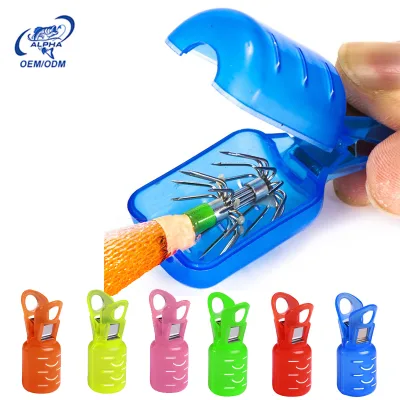
In addition to apparel, the scope includes specialized fishing gear such as saltwater fly rigs, sea bass hooks with bucktails, and diving fish rigs. These items are constructed from durable materials like metal and are designed for specific fishing techniques, with standards indicating various lengths and configurations. The presence of garment fabrics and heat-shrinkable components further expands the range of available products, indicating that suppliers offer a comprehensive suite of items for the fishing industry. Buyers should carefully review product models and specifications to ensure that the selected items match their intended use, whether for recreational fishing, commercial operations, or agricultural applications, to avoid mismatches in performance and durability.
Technical Specifications to Verify
When evaluating fishing hoods and related gear, verifying technical specifications is essential to ensure product suitability and performance. Key attributes to confirm include material composition, such as polyester, nylon, cotton, or PVC, as these materials dictate the item's durability, water resistance, and comfort level. Buyers should also assess features like windbreak, waterproof, and quick-drying capabilities, which are critical for apparel used in wet and windy conditions. Additionally, the presence of anti-UV and anti-static properties can enhance safety and comfort, making them important considerations for long-duration use. Understanding these specifications helps buyers select products that meet the specific environmental and operational demands of their fishing activities.
For fishing hardware, specifications such as model numbers, standard dimensions, and material types are crucial for compatibility and performance. Items like fishing rigs and hooks often come with specific standards, such as 50m or 100m lengths, and are designed for particular fishing techniques. Buyers should verify the IP rating and other technical details to ensure that the products meet the required safety and performance standards. Customization options, including size and packing requirements, should also be confirmed to ensure that the products align with the buyer's logistical and operational needs. By thoroughly reviewing these technical specifications, buyers can make informed decisions that minimize the risk of product failure and enhance overall satisfaction.
Compliance and Safety Documentation
Compliance and safety documentation are vital components of the procurement process, ensuring that products meet regulatory standards and industry best practices. Buyers should request certifications such as CE and ISO9001, which indicate that the manufacturer adheres to quality management systems and safety standards. Additionally, certifications like RoHS may be relevant for products containing electronic or metallic components, ensuring that they are free from hazardous substances. Verifying these certifications helps buyers mitigate risks associated with non-compliant products, which can lead to legal issues, product recalls, or safety hazards in the field.
Beyond certifications, buyers should also review safety data sheets and product testing reports to ensure that the items meet specific performance criteria. For apparel, this may include tests for water resistance, breathability, and UV protection, while for fishing hardware, it may involve tests for strength, durability, and corrosion resistance. Buyers should also consider the origin of the products, as items from regions like Taian or China may have different regulatory requirements and quality control standards. By prioritizing compliance and safety documentation, buyers can ensure that the products they source are reliable, safe, and suitable for their intended applications, thereby protecting their brand reputation and customer satisfaction.
Cost Drivers and Commercial Terms
Cost drivers for fishing hoods and related gear include material quality, customization options, and production volume. High-quality materials such as nylon and polyester, along with features like waterproofing and anti-UV protection, typically command higher prices due to their enhanced performance and durability. Customization services, including OEM and ODM offerings, can also impact costs, as they require additional design and production resources. Buyers should consider the trade-off between cost and quality, ensuring that the selected products meet their performance requirements without exceeding their budget constraints. Understanding these cost drivers allows buyers to negotiate more effectively and make informed decisions about product selection.
Commercial terms, such as MOQ, lead times, and payment conditions, are also critical factors in the procurement process. The observed MOQ range of 1-5000 units suggests flexibility for buyers with varying order sizes, while lead times of 60-90 days indicate the need for careful planning and inventory management. Buyers should also consider sample times, which typically range from 7-10 days, allowing for product evaluation before committing to larger orders. By understanding these commercial terms, buyers can optimize their procurement strategies, ensuring that they receive the right products at the right time and cost, thereby supporting their operational efficiency and market competitiveness.
Supplier Qualification and Quality Control
Supplier qualification is a crucial step in the procurement process, ensuring that partners have the capability and reliability to deliver high-quality products. Buyers should verify the supplier's business type, such as manufacturer and exporter, to confirm their direct involvement in production and distribution. Additionally, assessing the supplier's service offerings, including OEM and ODM capabilities, can provide insights into their flexibility and responsiveness to customer needs. Buyers should also review the supplier's track record, including their experience in the fishing gear industry and their ability to meet specific product requirements, to ensure that they are a suitable partner for long-term collaboration.
Quality control measures are equally important, as they ensure that products meet the specified standards and performance criteria. Buyers should inquire about the supplier's quality management systems, including their testing procedures and inspection protocols, to ensure that products are consistently high-quality. Additionally, buyers should consider the supplier's packaging and shipping practices, as these can impact product integrity and delivery times. By prioritizing supplier qualification and quality control, buyers can mitigate risks associated with product defects, delays, and non-compliance, thereby ensuring a smooth and efficient procurement process that supports their business objectives.
Long-Term Procurement Checks
Long-term procurement checks involve continuous monitoring and evaluation of supplier performance and product quality to ensure sustained success. Buyers should establish key performance indicators (KPIs) to track metrics such as delivery times, product defect rates, and customer satisfaction, allowing for data-driven decision-making and continuous improvement. Regular audits and reviews of supplier processes can help identify areas for enhancement and ensure that the supplier remains aligned with the buyer's quality and compliance standards. By maintaining a proactive approach to supplier management, buyers can foster strong partnerships and mitigate risks associated with supply chain disruptions.
Additionally, buyers should stay informed about industry trends and technological advancements to ensure that their procurement strategies remain competitive and relevant. This may involve exploring new materials, designs, or manufacturing techniques that can enhance product performance and reduce costs. Buyers should also consider the environmental and social impact of their procurement decisions, seeking out suppliers who adhere to sustainable practices and ethical labor standards. By integrating these long-term checks into their procurement processes, buyers can build resilient supply chains that support their business growth and contribute to positive societal and environmental outcomes.
FAQs
What features do fishing hoods offer for outdoor use?
Fishing hoods typically provide windbreak, waterproof, and quick-drying capabilities to ensure comfort during active use. They also include breathable and anti-UV properties to protect against harsh weather conditions while maintaining visibility and safety on the water.
Can I customize the size and material of fishing hoods?
Yes, customization is available for size and material to meet specific buyer requirements. Buyers can request custom sizes ranging from XS to 4XL or specific dimensions, and materials like polyester or nylon can be selected based on the intended application.
How long does it take to receive samples of fishing hoods?
Sample time is normally 7 to 10 days after the order is confirmed. This allows buyers to verify quality and specifications before committing to a larger production run for their fishing gear needs.
What is the standard delivery time for bulk Fishing Hood orders?
The standard delivery time is normally 60 to 90 days for bulk orders. This lead time accounts for manufacturing, quality control, and logistics to ensure timely arrival of the fishing gear at the destination.
Which certifications are available for Fishing Hood manufacturers?
Manufacturers often hold certifications such as CE, ISO9001, ISO, and RoHS to ensure product safety and quality. These standards verify that the fishing hoods meet international requirements for materials and production processes.
What packaging options are available for shipping fishing hoods?
Packaging options include 1 piece per polybag or 8 pieces per carton, with custom requirements also available. Some items may be packed in OPP bags or cartons depending on the specific product model and buyer preferences.
Where are Fishing Hood manufacturers located?
Manufacturers are located in regions such as Taian and China. These locations serve as key production hubs for exporting fishing gear and related outdoor apparel to international markets.