Source Fish Tank Solutions for Aquaculture, Home, and Farming
Explore 30 distinct Fish Tank options tailored for aquaculture, home aquariums, and farming applications. Compare features like HDPE and glass materials, large capacities, and eco-friendly designs to find the right storage or containment solution for your specific needs.
Key considerations
Products List


$20.00 - $50.00
MOQ: 100 Pieces


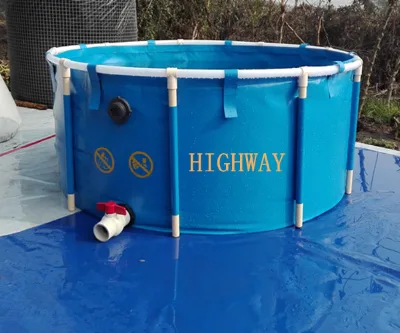


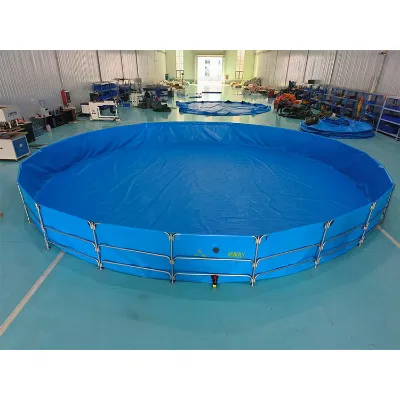


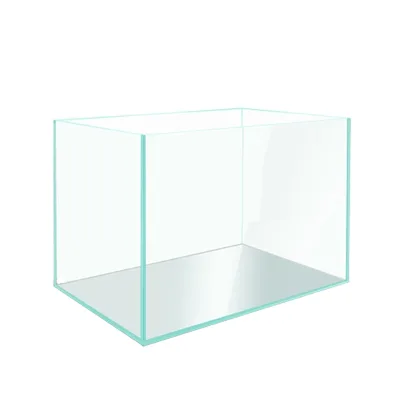


Comprehensive Sourcing Guide
Fish Tank Sourcing Guide
Procuring industrial and commercial fish tanks requires a disciplined approach to distinguishing between specialized aquaculture solutions and general-purpose water storage units. The market offers a diverse range of products, from large-scale PE and HDPE tanks designed for farming machinery applications to glass aquariums intended for specific decorative or research purposes. Buyers must first clarify whether the primary requirement is for liquid storage in a manufacturing or food and beverage context, or for a specialized habitat suitable for fish, as the material composition and structural integrity standards differ significantly between these use cases.
The sourcing landscape is characterized by a wide variance in product attributes, including capacity ranges from 12,000 liters to over 100,000 liters and material options spanning non-metal tanks, stainless steel, and glass. While some listings highlight eco-friendly features and simple installation advantages, others focus on specific dimensions like 3.0 by 1.3 by 1.5 meters or custom cylinder shapes. Understanding these distinctions is critical before engaging with suppliers, as the intended application dictates the necessary certifications, warranty terms, and the specific type of core components, such as pumps, that must be integrated into the system.
Product Scope and Observed Listing Signals
Buyers should expect to encounter a broad spectrum of product types under the Fish Tank keyword, ranging from large aquariums with specific model numbers like DC65Q-10000L to specialized floating pipe systems with diameters between 200mm and 400mm. The observed listings indicate that products are frequently marketed as new items from 2024, often featuring customization options for size and packaging, which can include foam bags, OEM packaging, or seaworthy packages tailored to buyer requirements. This variability suggests that a single supplier may offer multiple configurations, requiring the buyer to verify that the specific model selected matches the intended operational environment, whether it is a farm, a food processing plant, or a general storage facility.
A critical signal in the current market is the prevalence of non-metal tank materials, specifically PE and HDPE, which are often paired with certifications like ISO and CE to ensure durability and safety. However, the presence of glass and stainless steel options in the data indicates that material selection is not uniform across all listings. Buyers must carefully scrutinize the "Type" attribute, as some products are classified as tank containers or bathroom water tanks, which may not be suitable for aquatic life without specific modifications. The observation of a price range from $5.1 to $50,000 further underscores the need to align budget expectations with the scale and complexity of the required unit, ensuring that the selected product meets the necessary capacity and structural demands.
Technical Specifications to Verify
When evaluating technical specifications, the capacity and dimensions of the tank are paramount, with observed standards ranging from compact units of 660 by 480 by 530 millimeters to massive structures measuring 12 by 12 meters. Buyers must verify that the stated capacity, which can extend from 25,000 to 100,000 liters, aligns with the actual volume requirements of their operation, as discrepancies here can lead to significant operational inefficiencies. Additionally, the shape of the tank, whether round, cylinder, or custom, impacts the internal flow dynamics and space utilization, making it essential to confirm that the geometric design supports the specific needs of the fish or liquid storage application.
Material integrity and component quality are equally critical, with listings highlighting materials such as PE, HDPE, glass, and stainless steel, each offering distinct advantages regarding corrosion resistance and longevity. The service life of these units varies, with some products claiming a lifespan of 15 years while others suggest a range of 25 to 40 years, necessitating a review of the material grade and construction methods. Buyers should also inspect the core components, such as pumps, and verify the floating pipe specifications, which are available in various diameters, to ensure compatibility with the filtration and circulation systems required for maintaining a healthy aquatic environment.
Compliance and Safety Documentation
Compliance with international standards is a non-negotiable aspect of sourcing fish tanks, particularly when the equipment is intended for use in food and beverage factories or manufacturing plants. The observed data includes certifications such as ISO, ISO9001, and CE, which serve as indicators that the manufacturer adheres to specific quality management and safety protocols. However, buyers must not assume that every listed product possesses these certifications; instead, they should request valid documentation for the specific model being purchased to confirm that the tank meets the regulatory requirements of their local jurisdiction and industry sector.
Safety documentation should also address the structural integrity and environmental safety of the tank materials, ensuring they are non-toxic and suitable for storing liquids that may come into contact with aquatic life. The presence of eco-friendly features in some listings suggests a focus on sustainable manufacturing practices, but this must be substantiated through verified material safety data sheets and compliance reports. Buyers should verify that the product origin, often listed as China or specific regions like Shandong, aligns with their supply chain risk management policies and that the packaging standards, such as seaworthy or foam bag packaging, protect the unit during transit without compromising its structural safety.
Cost Drivers and Commercial Terms
The cost of fish tanks is influenced by a complex interplay of factors, including material type, capacity, customization level, and the inclusion of core components like pumps. The observed price range of $5.1 to $50,000 reflects the vast difference between small, standard units and large, custom-engineered systems, meaning that budget planning must account for the specific scale and complexity of the project. Buyers should be aware that customization, which is widely available, often incurs additional costs and may extend lead times, requiring a detailed cost-benefit analysis to determine if off-the-shelf solutions can meet the operational needs without unnecessary expenditure.
Commercial terms such as Minimum Order Quantity (MOQ) and warranty provisions are critical variables that affect the total cost of ownership. The observed MOQ range of 1 to 100 units indicates flexibility for small buyers, but larger orders may benefit from negotiated pricing tiers. Warranty periods, typically observed as one year, should be scrutinized against the expected service life of the product, which can range from 15 to 40 years depending on the material and application. Buyers must clarify whether the warranty covers manufacturing defects, material degradation, or installation issues, and understand the conditions under which the warranty remains valid to avoid unexpected maintenance costs.
Supplier Qualification and Quality Control
Supplier qualification should begin with a thorough review of their production capabilities and the specific attributes of their product lines, such as the ability to produce tanks with a service life of 15 years or more. The presence of specific model numbers and standardized dimensions in the listings suggests a level of manufacturing maturity, but buyers must verify that the supplier can consistently deliver products that meet the stated specifications, particularly regarding material quality and structural integrity. It is essential to confirm that the supplier has a track record of serving the relevant industries, such as farming, food and beverage, or manufacturing, to ensure they understand the unique challenges associated with Fish Tank applications.
Quality control processes must be robust, encompassing both pre-production checks and post-production inspections to ensure that the final product matches the agreed-upon standards. Buyers should inquire about the supplier's testing procedures for critical attributes like leak resistance, material strength, and the functionality of integrated components like pumps. The observation of various packaging methods, from foam bags to seaworthy packages, highlights the importance of verifying that the supplier has a reliable logistics strategy to prevent damage during transit. Establishing a clear quality assurance protocol with the supplier, including third-party inspection options if necessary, is vital to mitigating the risk of receiving substandard equipment.
Long-Term Procurement Checks
Long-term procurement success depends on the supplier's ability to provide reliable after-sales support and spare parts availability, especially given the extended service life of many fish tanks. Buyers should assess the supplier's commitment to product longevity by reviewing their warranty terms and their history of supporting customers over periods ranging from 15 to 40 years. A supplier that offers simple installation and clear maintenance guidelines is more likely to ensure the continued operational efficiency of the tank, reducing downtime and extending the useful life of the asset.
Regular performance monitoring and periodic re-evaluation of the supplier relationship are essential to maintain high standards over time. Buyers should establish a schedule for inspecting the tanks for signs of wear, material degradation, or component failure, and maintain open communication channels with the supplier to address any issues promptly. The ability of the supplier to adapt to changing requirements, such as customizing sizes or upgrading materials, is a key indicator of their long-term viability as a partner. By focusing on these long-term checks, buyers can ensure that their investment in fish tanks remains secure and effective throughout the product's lifecycle.
FAQs
What materials are used for these fish tanks?
The tanks are constructed from durable materials including PE, HDPE, and glass. Some models feature non-metal tank designs suitable for various storage needs. Stainless steel options are also available for specific industrial applications. These materials ensure longevity and resistance to corrosion, making them ideal for long-term use in farming or manufacturing environments.
Can I customize the size of the Fish Tank?
Yes, customization is available for the fish tanks. Buyers can request specific dimensions, such as the standard 660*480*530MM or larger custom sizes. The product supports tailored specifications to meet unique operational requirements. This flexibility allows for precise integration into existing facilities or specific project layouts without compromising structural integrity or functionality.
What certifications do the fish tanks have?
The fish tanks hold various certifications including ISO, CE, and ISO9001. These credentials verify compliance with international quality and safety standards. The presence of these certifications ensures that the products meet rigorous manufacturing criteria. Buyers can rely on these documented standards for quality assurance when sourcing tanks for industrial, agricultural, or commercial applications.
What is the warranty period for the fish tanks?
The fish tanks come with a 1-year warranty. This coverage provides assurance against manufacturing defects and ensures product reliability during the initial period of use. The warranty supports buyer confidence in the product's durability. It is advisable to review specific terms with suppliers to understand the full scope of coverage and maintenance requirements.
How are the fish tanks packaged for shipping?
The tanks are packaged using methods such as box packaging, OEM packaging, foam bags, or seaworthy packages. Packaging options can also be tailored to buyer requirements. This ensures safe transit and protection against damage during logistics. The choice of packaging depends on the specific product model and shipping destination, guaranteeing secure delivery to the final site.
What is the expected service life of the fish tanks?
The service life of the fish tanks ranges from 15 to 40 years depending on the model and material. HDPE and PE tanks typically offer long-term durability. Stainless steel options may provide extended lifespan in specific conditions. This longevity reduces replacement frequency and total cost of ownership, making them a sustainable choice for long-term water storage or aquaculture projects.