Source Fishing Leader Products for Stream, Sea, and Lake Fishing
Find 30 verified Fishing Leader options including nylon poly leaders and steel wire rigs. Compare transparent sublines, tippet sizes, and durable stainless steel anti-bite leaders for freshwater and saltwater applications. Source reliable accessories from China-based suppliers; compare the available evidence and request quotations based on your requirements.
Key considerations
Products List


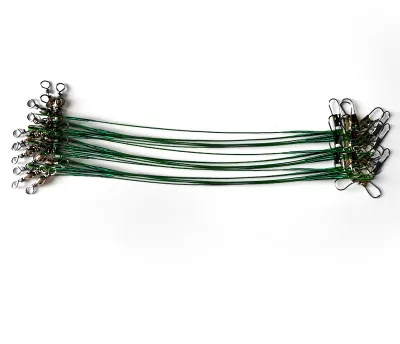
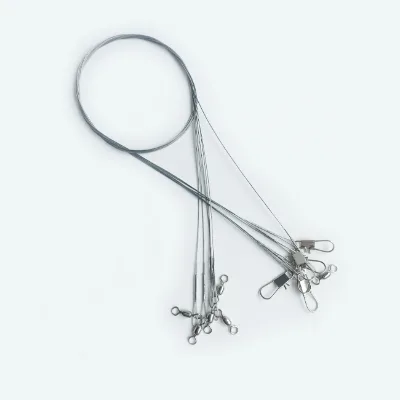
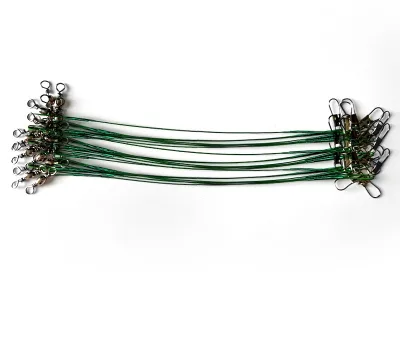


Custom Logo Tapered Shock Leader for Flying Fish OEM ODM Fishing Accessory
$1.90 - $3.00
MOQ: 1000 Rolls


Nylon Tapered Shock Leader for Flying Fish 15m High Strength Fishing Line
$1.90 - $3.00
MOQ: 1000 Rolls

Hi-Vis Red Tapered Shock Leader for Flying Fish Surf Casting Fishing Tackle
$1.90 - $3.00
MOQ: 1000 Rolls
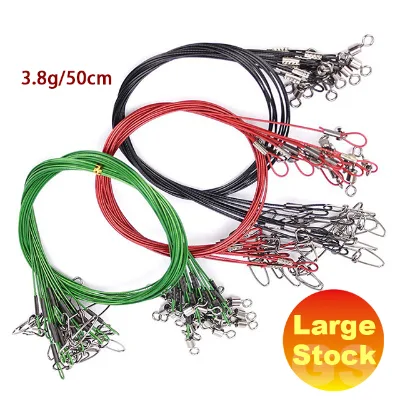
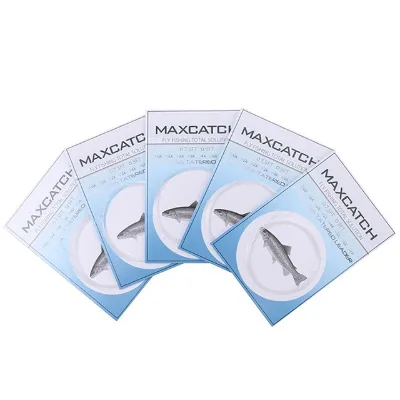
Comprehensive Sourcing Guide
Fishing Leader Sourcing Guide
Procuring fishing leaders requires a clear understanding of the diverse material compositions and structural designs available in the current market. Buyers must distinguish between traditional nylon-based leaders, which offer flexibility and shock absorption, and specialized steel wire leaders designed to prevent bite-through from toothy predators. The observed product landscape includes poly leaders in various sinking and intermediate densities, as well as stainless steel rigs engineered for both freshwater and saltwater environments. This variety necessitates a precise definition of requirements before engaging with suppliers, as the performance characteristics of each material type vary significantly under different fishing conditions.
Commercial listings indicate a broad range of customization options, including specific tippet sizes ranging from 0X to 7X and varying breaking strengths such as 10lbs or 25lbs. Suppliers frequently offer OEM packing solutions, allowing buyers to brand products in spools, poly bags, or blister boxes according to their retail needs. However, the presence of multiple product models, from salmon poly leaders to diving fish jigs, suggests that many suppliers operate as generalist fishing accessory manufacturers rather than specialized leader producers. This generalist approach can offer convenience but may require additional diligence to ensure that the specific technical attributes of the leader meet the rigorous demands of professional or high-volume recreational fishing applications.
Product Scope and Observed Listing Signals
The current market signals reveal a strong emphasis on versatility, with products marketed for both freshwater and sea fishing applications. Listings frequently highlight target species such as carp, trout, bass, and saltwater fish like marlin and bonefish, indicating that the sourcing pool includes leaders capable of handling diverse angling scenarios. The observed material spectrum spans from transparent nylon and copper-brass compositions to durable stainless steel, reflecting the need for leaders that balance invisibility in water with resistance to abrasion and teeth. Buyers should note that some listings bundle leaders with other accessories, such as jig heads or swivels, which may affect the unit economics and the clarity of the core product specification.
Packaging and presentation signals suggest a focus on retail-ready solutions, with options including individual blister boxes, bulk spools, and poly bags. The availability of sample units and optional colors indicates that suppliers are responsive to small-batch testing and branding requirements, which is crucial for private label development. However, the variation in packaging standards, from simple poly bags to more protective blister boxes, implies that buyers must explicitly define their packaging expectations to avoid inconsistencies in product protection during transit. Additionally, the mention of eco-friendly features in some listings suggests a growing market segment that values sustainable materials, although buyers should verify the specific claims and certifications associated with these environmental assertions.
Technical Specifications to Verify
Verifying the technical specifications of fishing leaders is critical to ensuring performance and durability in the field. Buyers must confirm the exact material composition, whether it is pure nylon, stainless steel, or a composite blend, as this directly impacts tensile strength and visibility. The tippet diameter, often denoted by the X system ranging from 0X to 7X, must be matched to the target species and fishing technique, with finer tippets preferred for wary fish in clear water. Additionally, the breaking strength, such as 10lbs or 25lbs, should be validated through independent testing or supplier-provided test data, as advertised strengths can sometimes vary due to manufacturing tolerances or knot strength reductions.
Length and density specifications are equally important, particularly for poly leaders which may be designed to sink at specific rates for intermediate or sinking applications. Buyers should verify the exact length, such as the observed 8ft standard, and ensure that the leader’s taper and knot strength are consistent throughout its length. For steel wire leaders, the construction method, including the type of swivels and snaps used, must be examined to prevent twisting and ensure smooth casting. The single package dimensions and gross weight, often listed around 10x5x10 cm and 1.000 kg respectively, should be used to calculate shipping costs accurately, as these metrics can vary significantly between different leader types and packaging configurations.
Compliance and Safety Documentation
While fishing leaders are generally considered low-risk accessories, compliance with environmental and safety regulations remains a key consideration for international trade. Buyers should request documentation regarding the materials used, particularly for nylon and steel components, to ensure they meet the chemical restrictions of target markets such as the EU or North America. Although specific certifications were not explicitly detailed in the observed listings, suppliers claiming eco-friendly attributes should provide verifiable evidence, such as material safety data sheets or third-party testing reports, to substantiate these claims. This due diligence helps mitigate the risk of regulatory non-compliance and potential product recalls in regulated markets.
Safety documentation also extends to the physical integrity of the product, ensuring that leaders do not pose a hazard during use or disposal. For steel wire leaders, buyers should verify that the ends are properly finished to prevent injury to anglers and that the swivels are securely attached to avoid accidental detachment. Additionally, packaging materials should comply with local waste management regulations, particularly if the supplier uses plastic blister boxes or poly bags. Buyers should inquire about the supplier’s quality control processes and whether they conduct routine inspections to ensure that the final products meet the stated specifications and safety standards, thereby protecting the brand’s reputation and customer safety.
Cost Drivers and Commercial Terms
The cost of fishing leaders is influenced by several key factors, including material type, production volume, and packaging complexity. Stainless steel leaders typically command a higher price point than nylon counterparts due to the cost of raw materials and the specialized manufacturing processes required to form and finish the wire. Customization options, such as OEM branding and specific packaging designs, also add to the overall cost, as they require additional setup time and materials. Buyers should negotiate clearly on the minimum order quantity (MOQ), which can range from 100 to 3000 pieces depending on the supplier and product type, to optimize inventory levels and cash flow.
Commercial terms should be carefully structured to align with the buyer’s supply chain needs, including payment terms, shipping responsibilities, and lead times. The observed listings indicate that samples are available, which can be a valuable tool for quality verification before committing to larger orders. Buyers should clarify whether the quoted prices include packaging and shipping costs, as these can vary significantly based on the destination and the weight of the goods. Additionally, it is important to establish clear protocols for handling defects or discrepancies, ensuring that the supplier is accountable for the quality of the products delivered and that any issues are resolved promptly to minimize operational disruptions.
Supplier Qualification and Quality Control
Qualifying suppliers for Fishing Leader production requires a thorough assessment of their manufacturing capabilities and quality control systems. Buyers should verify the supplier’s place of origin, with many listings indicating production in regions like Jiangsu, China, which is known for its fishing tackle industry. It is essential to confirm that the supplier has the necessary equipment and expertise to produce the specific type of leader required, whether it is a complex steel wire rig or a simple nylon tippet. Requesting references or case studies from other clients can provide insight into the supplier’s reliability and consistency in meeting quality standards.
Quality control processes should be explicitly defined in the purchase agreement, including inspection points during production and final random sampling before shipment. Buyers should inquire about the supplier’s testing procedures for tensile strength, knot integrity, and material durability, ensuring that these tests are conducted regularly and documented. Additionally, it is advisable to conduct periodic audits or third-party inspections to verify that the supplier’s quality management system is effectively implemented and maintained. This proactive approach helps ensure that the products received meet the specified technical requirements and reduces the risk of receiving substandard goods that could damage the buyer’s brand reputation.
Long-Term Procurement Checks
Establishing long-term procurement relationships for fishing leaders involves continuous monitoring of supplier performance and market trends. Buyers should regularly review supplier metrics, such as on-time delivery rates, defect rates, and responsiveness to issues, to ensure that the partnership remains beneficial. It is also important to stay informed about changes in material costs and regulatory requirements that may impact the supply chain, allowing for proactive adjustments to sourcing strategies. By maintaining open communication with suppliers and fostering a collaborative relationship, buyers can secure better pricing, priority production, and access to new product innovations over time.
Additionally, buyers should periodically reassess their product specifications to ensure they remain aligned with evolving customer preferences and fishing techniques. This may involve testing new materials or designs offered by the supplier to identify opportunities for product differentiation and competitive advantage. Long-term procurement checks should also include a review of the supplier’s sustainability practices, as environmental concerns become increasingly important to consumers and regulators. By integrating these checks into the procurement process, buyers can build a resilient and adaptable supply chain that supports their business growth and maintains high standards of quality and compliance.
FAQs
What materials are commonly used for Fishing Leader products?
Fishing Leader products listed here are commonly made from nylon or stainless steel, with some steel wire leaders using copper and brass components. Nylon leaders suit freshwater fly fishing and tippet applications, while stainless steel wire leaders are designed for anti-bite situations. The right choice depends on target species, water conditions, and whether abrasion or bite resistance is your priority.
Can I order Fishing Leader products with customized specifications?
Yes, customization is available for the Fishing Leader products shown. Buyers can typically request different line strengths, lengths, colors, and packing formats such as spool, poly bag, or blister box packaging. OEM packing is also accepted for suitable items. Confirm your exact specification requirements with the supplier before ordering, since minimum order quantities apply to customized production runs.
What specifications are available for poly leaders and fly leaders?
Listed poly leader models include salmon poly leader, intermediate poly leader, and sinking poly leader options. Fly leader products are available in a 10lbs 8ft standard, with a fly line rated at 25lbs and tippet sizes ranging from 0X to 7X. These options cover different sinking rates and strength requirements for trout, salmon, and other freshwater fly fishing applications.
Which fishing positions are these leader products suitable for?
The leader products are suitable for ocean boat fishing, ocean beach fishing, ocean rock fishing, lake, river, and stream fishing. They support both freshwater fishing and saltwater fishing techniques. Target species include carp, trout, bass, bonefish, marlin, and other saltwater fish, so buyers can match the leader type to their intended fishing environment and species.
What is the typical minimum order quantity for Fishing Leader products?
Minimum order quantities vary across the listed products, with observed MOQs ranging from 5 pieces up to 3000 pieces. Some steel wire leader items list an MOQ of 100 units, while others specify 1000 pieces. Always confirm the exact MOQ for your chosen specification directly with the supplier, as quantities may differ by model, material, and customization level.
How are Fishing Leader products packed for shipment?
Packing options observed among the listings include spool packing for poly leaders, poly bag packing for fly leaders, and blister box packing for certain accessory items. OEM packing is accepted on suitable products. A typical single package size is 10 by 5 by 10 centimeters with a gross weight of about 1 kilogram, so verify final packing details with your supplier.
Where are these Fishing Leader products manufactured and shipped from?
The products originate from China, with some items listing Jiangsu as the place of origin and shipping from China. Listings cover both stream and sea location applications. Buyers planning bulk orders should factor international shipping time and logistics costs into their sourcing plan, and should confirm current production location and shipping terms directly with the supplier.
Can I request samples before placing a bulk order?
Yes, samples are available on the listed products, and selling units are handled as single items. Requesting a sample lets you verify line strength, transparency, color, and packing quality before committing to a full production run. Note that sample quantity, cost, and shipping terms should be agreed with the supplier in advance, especially for customized specifications.