Source Fishing Inflatable Rib Kayak for Racing, Fishing, and Recreational Use
Explore 30 options for the Fishing Inflatable Rib Kayak, featuring models like CYK370 and TK-IB-230. Compare specifications such as tube diameter, weight, and chamber count to find the right vessel for ocean waters or racing.
Key considerations
Products List


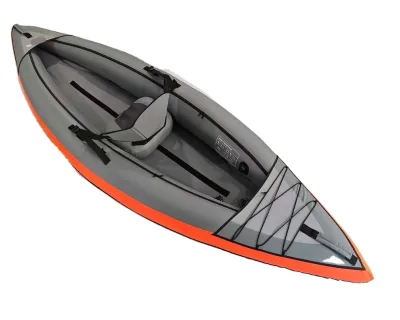
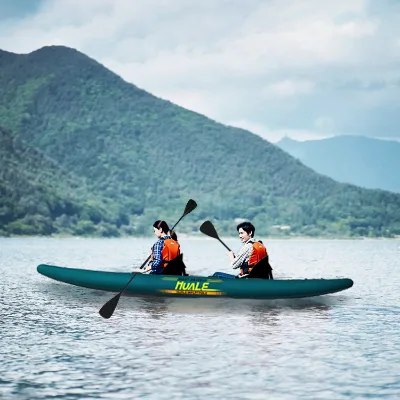
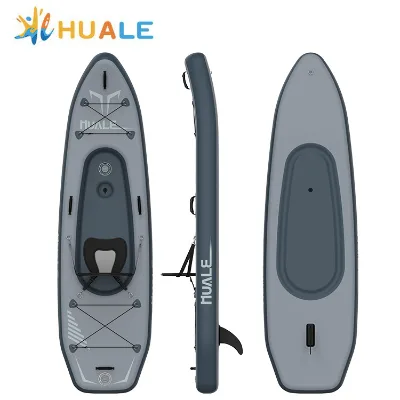
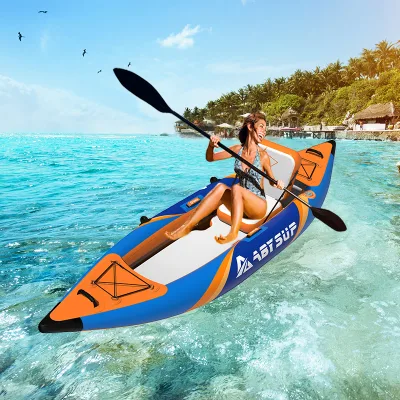
Inflatable Fishing Kayak Sailing Canoe 2persons Rowing Floating Kayak Canoe
$159.00 - $229.00
MOQ: 2 Pieces


Comprehensive Sourcing Guide
Fishing Inflatable Rib Kayak Sourcing Guide
Sourcing fishing inflatable rib kayaks requires a careful balance between portability and structural integrity, as these vessels serve as a hybrid between traditional hard-shell kayaks and rigid inflatable boats (RIBs). The core appeal for procurement teams lies in the vessel’s ability to offer the stability and speed of a rigid hull while maintaining the compact storage and transport advantages of inflatable technology. Buyers must recognize that "rib" in this context often refers to the rigid floor or structural ribs that provide shape, rather than a full rigid hull, which significantly impacts load-bearing capacity and durability. Understanding this distinction is critical when evaluating supplier claims, as the terminology can vary widely across different manufacturing regions and product lines.
The procurement landscape for these vessels is diverse, ranging from entry-level recreational models to high-performance units designed for serious fishing expeditions. Observed market signals indicate a wide range of configurations, including two-seater and four-seater options, with varying degrees of customization available for branding and specific fishing accessories. Buyers should approach this category with a clear definition of their operational needs, whether that involves calm inland waters or more challenging ocean conditions. The availability of OEM services and customized colors suggests that many manufacturers are equipped to handle branded orders, making this a viable category for private-label distribution or specialized fleet procurement.
Product Scope and Observed Listing Signals
The current market offers a broad spectrum of inflatable fishing kayaks, with observed listings indicating a price range from approximately $26 to $600 USD, reflecting significant variations in material quality, size, and included accessories. This wide price band suggests that buyers must look beyond the headline price to understand the true value proposition, as lower-cost items may lack critical features such as reinforced seams, high-denier PVC, or comprehensive accessory packages. The minimum order quantity (MOQ) typically ranges from 1 to 200 units, indicating that suppliers are flexible enough to accommodate both single-unit samples and larger commercial orders, which is advantageous for testing market demand before committing to bulk purchases.
Product attributes observed in the market highlight key differentiators such as hull surface profiles, which often mimic fish forms for hydrodynamic efficiency, and multi-colored designs that enhance visibility and aesthetic appeal. Many listings specify the inclusion of essential accessories like pumps, backpacks, and repair bags, which are crucial for the usability of inflatable vessels in remote fishing locations. Additionally, the presence of models with specific dimensions, such as lengths of 300cm, 370cm, and 400cm, allows buyers to select vessels based on their intended passenger capacity and cargo requirements. These observed signals provide a baseline for understanding the variety available, but they also underscore the need for rigorous verification of specifications before placing orders.
Technical Specifications to Verify
When evaluating technical specifications, buyers must prioritize the verification of tube material, chamber configuration, and overall weight, as these factors directly impact the vessel’s durability and ease of handling. Common materials observed include PVC and Hypalon, with PVC being more prevalent in mid-range models due to its cost-effectiveness, while Hypalon offers superior UV resistance and longevity for high-end applications. The chamber count, often listed as 2+1 or similar configurations, is a critical safety feature that ensures buoyancy even if one compartment is compromised. Buyers should request detailed material datasheets to confirm the denier count and thickness of the PVC or Hypalon used, as these metrics are strong indicators of puncture resistance and overall lifespan.
Dimensional accuracy and load capacity are equally important, with observed models featuring lengths ranging from 300cm to 400cm and widths from 110cm to 125cm. The tube diameter, typically between 30cm and 38cm, plays a significant role in the vessel’s stability and speed; larger diameters generally provide better stability but may increase drag. Weight is another key specification, with observed models ranging from 22kg to 38kg, which affects the ease of transport and setup. Buyers should verify the maximum power rating for outboard motors, if applicable, as some models are designed for paddle-only use while others can accommodate motors up to 5HP or 10HP. Confirming these specifications with the supplier is essential to ensure the vessel meets the specific operational requirements of the end-user.
Compliance and Safety Documentation
Compliance and safety documentation are paramount when sourcing inflatable vessels, particularly those intended for use in open waters or for commercial fishing activities. Buyers must ensure that suppliers can provide relevant safety certifications and test reports that verify the vessel’s ability to withstand expected pressures and environmental conditions. While specific standards may vary by region, buyers should inquire about adherence to international norms for inflatable boats, such as ISO 6185, which provides guidelines for the construction and performance of inflatable boats. Requesting copies of these certifications is a critical step in mitigating liability and ensuring that the product meets minimum safety thresholds.
In addition to formal certifications, buyers should verify the quality of the manufacturing processes, including the welding or gluing techniques used to assemble the chambers and floor. High-quality seams are essential for preventing leaks and ensuring the longevity of the vessel. Buyers should ask for detailed information on the quality control procedures implemented by the supplier, including any in-house testing for air retention and pressure resistance. Understanding the safety features built into the design, such as multiple independent chambers and robust valve systems, is also crucial for ensuring the safety of users in potentially hazardous fishing environments.
Cost Drivers and Commercial Terms
Cost drivers for fishing inflatable rib kayaks include the type of material used, the complexity of the design, and the level of customization required. High-denier PVC or Hypalon materials, multi-chamber designs, and reinforced floors contribute to higher production costs but offer greater durability and performance. Customization options, such as OEM branding, specific color schemes, and tailored accessory packages, can also impact the final price. Buyers should request detailed cost breakdowns to understand how these factors influence the unit price and to identify opportunities for cost optimization without compromising quality.
Commercial terms, including payment terms, shipping methods, and lead times, are also significant considerations in the procurement process. Given the observed MOQ range of 1 to 200 units, buyers can negotiate favorable terms based on order volume. It is important to clarify the packaging details, as observed listings mention standard cartons and 7-layer cartons, which affect shipping costs and product protection during transit. Buyers should also discuss warranty policies and after-sales support, including the availability of spare parts and repair services, to ensure long-term satisfaction and reduce the total cost of ownership.
Supplier Qualification and Quality Control
Supplier qualification is a critical step in ensuring the reliability and consistency of the sourced products. Buyers should conduct thorough due diligence on potential suppliers, verifying their manufacturing capabilities, production capacity, and quality management systems. Suppliers located in regions known for inflatable boat manufacturing, such as Shandong and Qingdao in China, may offer advantages in terms of supply chain efficiency and expertise. However, buyers should not rely solely on location and should instead focus on the supplier’s track record, customer reviews, and ability to meet specific technical requirements.
Quality control measures should be clearly defined and agreed upon before production begins. Buyers should request information on the supplier’s quality control processes, including incoming material inspections, in-process checks, and final product testing. Implementing third-party inspections before shipment can provide an additional layer of assurance, helping to identify and rectify any defects before the products reach the end-user. Establishing a clear communication channel with the supplier for addressing quality issues and implementing corrective actions is essential for maintaining high standards and building a long-term partnership.
Long-Term Procurement Checks
Long-term procurement checks involve continuous monitoring of product performance, supplier reliability, and market trends to ensure ongoing value and compliance. Buyers should establish a feedback loop with end-users to gather insights on the durability, usability, and safety of the inflatable kayaks in real-world conditions. This feedback can inform future purchasing decisions and help identify areas for improvement in product design or supplier selection. Regularly reviewing supplier performance metrics, such as on-time delivery rates and defect rates, is also crucial for maintaining a high-quality supply chain.
As the market for fishing inflatable rib kayaks evolves, buyers should stay informed about emerging technologies, materials, and design innovations that could enhance product performance and user experience. This includes monitoring advancements in PVC and Hypalon materials, as well as new manufacturing techniques that improve seam strength and air retention. By staying proactive and engaged with the market, buyers can ensure that their procurement strategy remains competitive and aligned with the changing needs of their customers. Continuous evaluation and adaptation are key to sustaining long-term success in this dynamic category.
FAQs
What are the available sizes for inflatable kayaks?
Available sizes include lengths of 300cm, 370cm, and 400cm with corresponding widths and tube diameters. Customized sizes are also available to meet specific buyer requirements for recreational or racing applications.
Can I customize the color and design of the kayak?
Yes, customized colors and OEM designs are available for these inflatable kayaks. Buyers can select from multi-colored options or request specific customizations to suit their branding or usage needs.
What is the minimum order quantity for these kayaks?
The minimum order quantity is one piece for most models. Some listings indicate an MOQ range of 1 to 200 units depending on the specific supplier and customization level required.
Which materials are used for the kayak tubes?
The tube material is typically PVC or Hypalon for durability. These materials ensure the kayak is suitable for ocean waters and various recreational activities like fishing and racing.
What accessories are included with the inflatable kayak?
Standard accessories include a pump, a backpack, and a repair bag. These items are packed in a carton or 7-layer carton for safe transport from the origin.
Where are these inflatable kayaks manufactured?
These products originate from China, specifically from regions like Shandong and Qingdao. The manufacturing location ensures compliance with standard production practices for recreational watercraft.
How many chambers do the kayak tubes have?
The kayak tubes feature a 2+1 chamber configuration for enhanced safety. This design helps maintain buoyancy even if one chamber is compromised during use.