Source Flame Retardant PVG Belt for Coal, Cement, and Quarry
Find 30 Flame Retardant PVG Belt options with customizable widths and thicknesses. Buyers can compare tensile strength, material composition, and certifications like ISO9001:2008 for industrial applications.
Key considerations
Products List


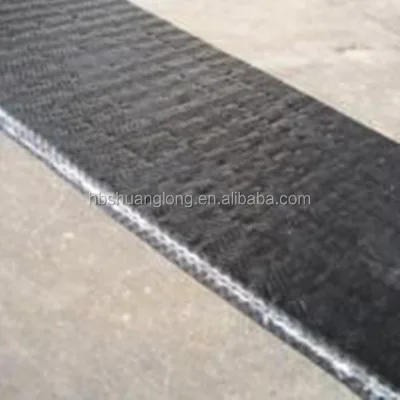
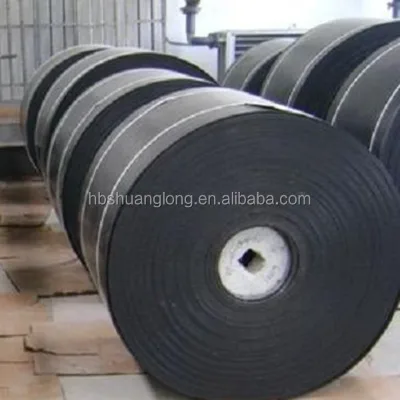
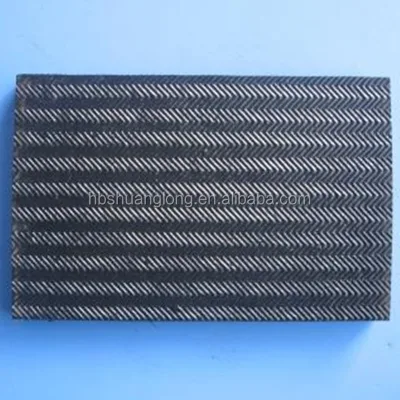
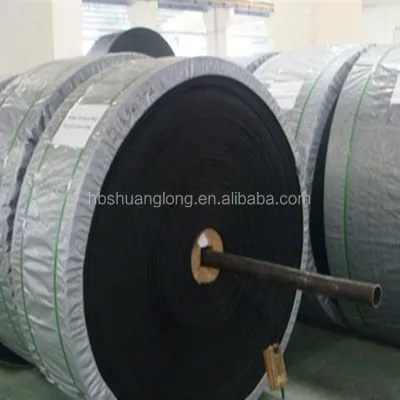


Comprehensive Sourcing Guide
Flame Retardant PVG Belt Sourcing Guide
Sourcing flame retardant PVG belts requires a disciplined approach to material verification and application matching, as these components serve as critical safety elements in high-risk industrial environments. The core distinction between PVC and PVG belts lies in their structural integrity and heat resistance, with PVG (Polyvinyl Glycol) belts utilizing a fabric core impregnated with PVG to offer superior spliceability and resistance to high temperatures compared to standard PVC alternatives. Buyers must recognize that while both materials provide fire retardancy, the PVG construction is often preferred for steep incline applications or environments where mechanical stress and thermal loads are significant. Understanding this material difference is the first step in ensuring that the selected belt will not only meet regulatory safety standards but also withstand the specific operational demands of the conveyor system.
The procurement process for these belts involves navigating a complex landscape of technical specifications, certification requirements, and commercial terms that vary significantly across suppliers. Observed market data indicates a wide range in product attributes, from belt widths spanning 400mm to 1600mm and thicknesses ranging from 8mm to 30mm, reflecting the diverse needs of industries such as coal mining, cement production, and quarrying. Buyers must avoid treating all listed "fire retardant" belts as interchangeable; instead, they must verify the specific base materials, tensile strength ratings, and cover compositions against their operational parameters. This guide provides a structured framework for evaluating suppliers, verifying technical claims, and establishing quality control measures to mitigate the risks associated with industrial conveyor belt failure.
Product Scope and Observed Listing Signals
The product scope for flame retardant PVG belts encompasses a variety of configurations designed for heavy-duty material handling, with observed listings highlighting specific model types such as 680s, 800s, 1000s, 1250s, 1400s, and 1600s. These designations typically refer to the tensile strength or load-bearing capacity of the belt, indicating that buyers must match the model number to the required strength specifications, which can range from 9-25 MPa or higher depending on the application. The observed price range of 3-150 USD suggests significant variation in quality, thickness, and width, meaning that price alone is not a reliable indicator of performance without a detailed review of the technical specifications. Buyers should interpret these signals as a starting point for inquiry rather than a definitive catalog, as the actual configuration must be tailored to the specific conveyor system’s width and length requirements.
Observed listing signals also reveal a focus on durability features such as wear resistance, tear resistance, and resistance to acids, alkalis, and oils, which are critical for longevity in abrasive or chemically aggressive environments. The materials cited in listings include rubber, PVC, and plastic, with some products specifying a base material of rubber and fabric or PVC/PVG composite structures. It is essential for buyers to distinguish between the top cover material, which may be rubber or PVC, and the core material, which for PVG belts is typically a fabric impregnated with PVG to provide cohesion and heat resistance. The presence of features like cold resistance and heat resistance further narrows the selection, requiring buyers to confirm the operating temperature range of their specific site to ensure the belt will not degrade or lose tensile strength under thermal stress.
Technical Specifications to Verify
Buyers must rigorously verify the tensile strength and structural integrity of the belt, as these parameters directly impact the safety and efficiency of the conveyor system. Observed data indicates tensile strength specifications ranging from 9-25 MPa, with some listings claiming "strong" tensile properties or cover tensile strength above 10 MPa. It is crucial to confirm whether these values refer to the entire belt assembly or just the cover material, as the core fabric ply strength is the primary determinant of the belt’s ability to handle load without stretching or breaking. Additionally, the belt width, which can range from 400mm to 1600mm, must be precisely matched to the conveyor frame dimensions, and any deviation can lead to material spillage or mechanical interference. Buyers should request detailed cross-sectional diagrams to understand the layer composition, including the top cover thickness, which may vary from 1-3mm, and the bottom cover thickness, to ensure adequate protection for the core.
The physical dimensions and structural design of the belt, including thickness and width, must be validated against the conveyor’s pulley diameters and tensioning requirements. Listings show thickness options from 8-30mm, which is a significant range that affects the belt’s flexibility and ability to wrap around smaller pulleys. Buyers must ensure that the selected thickness is compatible with the existing drive system to prevent premature wear or failure at the splice points. Furthermore, the type of fabric core, whether it is a standard woven fabric or a specialized PVG-impregnated structure, must be confirmed, as this determines the belt’s spliceability and resistance to delamination. The observed model types, such as 680s through 2500s, should be cross-referenced with the manufacturer’s technical data sheets to understand the exact ply construction and strength rating, ensuring that the belt can handle the maximum load and incline angles of the application.
Compliance and Safety Documentation
Safety compliance is non-negotiable for flame retardant belts, particularly in underground mining or enclosed industrial spaces where fire hazards are a critical concern. Buyers must verify that the belts meet recognized international standards for flame retardancy and anti-static properties, such as DIN22102, BS490, AS1332, RMA, and JIS6322, which are commonly cited in supplier listings. These standards ensure that the belt will self-extinguish and resist flame propagation, reducing the risk of fire spread in the event of a friction-induced ignition. It is important to note that different regions may have specific regulatory requirements, such as MSHA in the United States or specific Chinese national standards like GB/T9770, so buyers must confirm that the certification aligns with the local legal framework of their operation site.
In addition to flame retardancy, buyers should request documentation for other relevant safety and quality certifications, including ISO9001:2008 for quality management systems and third-party certifications from Bureau Veritas (BV) or SGS. These certifications indicate that the manufacturer has established processes for consistent quality control and testing, which is vital for ensuring that every batch of belts meets the specified safety performance. Buyers should also inquire about the specific test reports that demonstrate compliance with these standards, including results for flame spread, static electricity dissipation, and tensile strength. The presence of a "1 Year Guarantee" for wear parts, as observed in some listings, may provide additional assurance, but buyers should clarify the terms and conditions of this guarantee, as it often excludes normal wear and tear or damage due to improper installation.
Cost Drivers and Commercial Terms
The cost of flame retardant PVG belts is influenced by several key factors, including the width, thickness, tensile strength, and the complexity of the core construction. Observed listings show a wide price range, reflecting the variability in these specifications, with wider and thicker belts commanding higher prices due to the increased material usage and manufacturing complexity. Buyers should also consider the cost implications of customization, as many suppliers offer tailored solutions for specific width and strength requirements, which may involve additional setup costs or longer lead times. The choice between PVC and PVG materials also affects pricing, with PVG belts generally being more expensive due to their superior heat resistance and spliceability, making them suitable for more demanding applications.
Commercial terms, including minimum order quantities (MOQ) and payment conditions, vary significantly among suppliers, with observed MOQs ranging from 1 to 200 units. Buyers must negotiate these terms carefully to align with their project timelines and inventory management strategies, as high MOQs may tie up capital and storage space, while low MOQs may result in higher per-unit costs. The packaging method, often described as PVC waterproof cloth or wooden boxes, is another factor to consider, as proper packaging is essential to prevent damage during transit and storage, particularly in humid or outdoor environments. Buyers should also clarify the delivery terms, including lead times and shipping responsibilities, to avoid unexpected delays or costs that could impact the overall project budget.
Supplier Qualification and Quality Control
Supplier qualification is a critical step in the procurement process, as the quality of the belt directly impacts the safety and reliability of the conveyor system. Buyers should prioritize suppliers who have demonstrated experience in manufacturing flame retardant belts and who hold relevant certifications, such as ISO9001:2008 and third-party approvals from BV or SGS. These certifications indicate a commitment to quality management and consistent production standards, which reduces the risk of receiving substandard products. Additionally, buyers should assess the supplier’s technical support capabilities, including their ability to provide detailed product specifications, installation guidelines, and troubleshooting assistance, as this support can be invaluable in ensuring the correct belt is selected and installed.
Quality control measures should be established to verify that the delivered belts meet the agreed-upon specifications, including tensile strength, width, thickness, and flame retardancy performance. Buyers may consider implementing incoming inspection protocols, such as sampling and testing, to verify the quality of the received goods before installation. It is also advisable to request sample belts for testing in controlled conditions to evaluate their performance under actual operating conditions, including resistance to wear, tear, and environmental factors. Establishing a clear communication channel with the supplier for addressing any quality issues or discrepancies is essential, as is defining the process for handling returns or replacements in the event of non-conformance.
Long-Term Procurement Checks
Long-term procurement success depends on establishing a robust relationship with suppliers who can provide consistent quality and support over the lifecycle of the conveyor system. Buyers should conduct periodic reviews of supplier performance, including delivery times, product quality, and responsiveness to issues, to ensure that the partnership remains beneficial. It is also important to stay updated on changes in industry standards and regulations, as these may impact the requirements for flame retardant belts and necessitate adjustments in procurement strategies. Engaging with suppliers for regular technical consultations can help identify opportunities for improving belt performance, such as upgrading to more durable materials or optimizing belt configurations for specific applications.
Finally, buyers should maintain a comprehensive record of all procurement activities, including product specifications, certifications, test results, and supplier communications, to facilitate future purchasing decisions and audits. This documentation serves as a valuable resource for troubleshooting issues, verifying compliance, and negotiating with suppliers. By maintaining a proactive approach to supplier management and quality control, buyers can ensure that their conveyor systems operate safely and efficiently, minimizing downtime and maximizing productivity. The focus should remain on building a supply chain that is resilient, compliant, and aligned with the long-term operational goals of the organization.
FAQs
What materials are used for flame retardant pvg belts?
These belts typically use rubber and fabric as base materials, with some variants featuring PVC or Pvg composition. The construction ensures durability while meeting fire safety requirements for industrial applications like coal mines and cement plants.
Which certifications do these conveyor belts hold?
Products commonly hold ISO9001:2008, Bureau Veritas, SGS, and BV certifications. These standards verify quality management and safety compliance, ensuring the belts meet international requirements for fire resistance and mechanical strength in heavy-duty environments.
How thick are the available flame retardant pvg belts?
The belt thickness ranges from 8mm to 30mm depending on the specific model and application needs. Top cover thickness can vary between 1mm and 3mm, allowing customization for different wear and tear conditions in mining or quarry operations.
Can I find these belts with specific width specifications?
Yes, belt widths are available from 400mm up to 1600mm to fit various conveyor systems. This range accommodates different industrial requirements, ensuring proper load distribution and efficient material transport across diverse operational setups.
What features make these belts suitable for harsh environments?
They offer wear-resistant, tear-resistant, and oil-resistant properties along with acid and alkali resistance. Additional features include cold and heat resistance, making them ideal for demanding conditions in coal mines, cement plants, and quarries.
Where are these conveyor belts manufactured?
Manufacturing originates from Hebei Baoding in China, a known industrial hub for conveyor belt production. This location supports efficient logistics and ensures access to established supply chains for global distribution of these specialized industrial components.
What is the tensile strength of these belts?
The tensile strength specifications range from 9MPa to 25MPa, with some models exceeding 10MPa. This strength ensures the belts can handle heavy loads and high tension without failure during continuous operation in industrial settings.