Source Flame Retardant PVC Compound Pellets for Pipes, Cables, and Seals
Find 30 verified Flame Retardant PVC Compound Pellets from Chinese manufacturers. Compare industrial-grade options with certifications like SGS and ISO9001 for pipe fittings, cable sheathing, and fire seals. Request samples and quotes for customized oxygen index and packaging needs; compare the available evidence and request quotations based on your requirements.
Key considerations
Products List

Factory Produce PVC Particles Granules Plastic Raw Material PVC Compound Pellets
$1000.00 - $1500.00
MOQ: 1 Tons


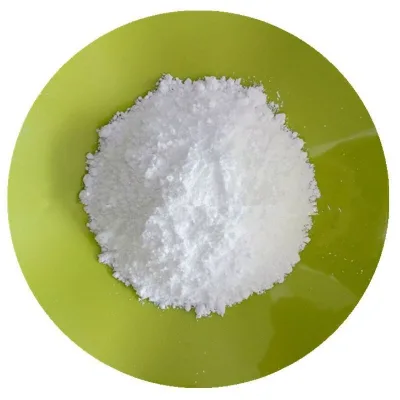

$6.50 - $21.30
MOQ: 600 Square Meters


Comprehensive Sourcing Guide
Flame Retardant PVC Compound Pellets Sourcing Guide
Procuring Flame Retardant PVC Compound Pellets requires distinguishing between general-purpose formulations and specialized compounds designed for specific fire safety ratings. The market offers a diverse range of products, from basic industrial grades to high-performance materials featuring photodegradable or hydrolytic degradable properties. Buyers must carefully evaluate whether the material is intended for cable sheathing, pipe fittings, or intumescent fire seals, as the chemical composition and processing requirements vary significantly across these applications.
Verification of the physical form is equally critical, as suppliers may list the product as powder, granules, or compounds depending on the intended processing method. While some listings indicate a colorless appearance, others specify that color is customizable to meet specific design requirements. Understanding these physical distinctions ensures that the selected material aligns with the extrusion or molding processes planned for the final manufacturing stage, preventing compatibility issues during production.
Product Scope and Observed Listing Signals
The observed product listings reveal a wide spectrum of pricing and minimum order quantities, ranging from $0.15 to $4,500 with MOQs between 1 and 1,000 units. This variance often reflects differences in purity levels, which can reach 99.9%, and the inclusion of specialized additives for fire resistance. Buyers should note that while some products are marketed as general plastics, others are classified as specialty or engineering plastics, necessitating a clear definition of the required performance envelope before initiating a purchase.
Packaging standards also vary, with common configurations including 25kg bags, 500kg bags, or 1,000kg bags, often utilizing inner PE film and outer kraft paper for protection. The origin of these materials is predominantly China, with specific manufacturing hubs identified in Zhejiang and Jiangsu provinces. When evaluating listings, procurement teams must cross-reference the stated application, such as water transport or cable wires, against the specific product model to ensure the granules or particles meet the mechanical and thermal demands of the intended end-use.
Technical Specifications to Verify
Technical due diligence must focus on the thermal and mechanical properties that define the material's performance under stress. Key parameters to verify include the oxygen index, which can be customized to values such as 26, 27, 29, or higher, and the working temperature, which is often rated around 90 degrees Celsius. Additionally, the brittle temperature range, typically observed between -40 to -20 degrees, is a critical factor for applications requiring durability in cold environments.
The processing method is another vital specification, with extrusion being the primary technique for forming these thermoplastic plastics. Buyers should confirm that the material's plastic forming method aligns with their existing production lines and that the product standard, such as 25kg/bag or specific model numbers like RY-E7031104VC, matches the required output. Verifying the whiteness index, which may be specified as 75min at 160°C for 10 minutes, ensures the material maintains its aesthetic and structural integrity during high-temperature processing.
Compliance and Safety Documentation
Ensuring regulatory compliance is paramount when sourcing flame retardant compounds, particularly for applications involving cables, wires, and water transport systems. The supply chain frequently cites certifications such as SGS, BV, and ISO9001, alongside specific chemical compliance standards like Reach and RoHS. Buyers must request current test reports to validate that the product meets these safety thresholds, as the presence of these certifications indicates a commitment to quality and environmental safety standards.
Beyond general certifications, specific safety documentation regarding the material's fire performance is essential for industries with strict fire codes. While some background data mentions UL 94, the primary focus should be on verifying the oxygen index and the material's behavior under heat, such as its classification as a thermoplastic plastic. Procurement teams should ensure that the supplier provides clear documentation on the hydrolytic and photodegradable features if these properties are required for the product's lifecycle management and end-of-life disposal.
Cost Drivers and Commercial Terms
The final cost of Flame Retardant PVC Compound Pellets is driven by the complexity of the formulation, including the purity level and the specific fire-retardant additives used. High-purity compounds with customized oxygen indices or specialized features like hydrolytic degradability command a premium over standard industrial grades. Buyers should analyze the price range relative to the specific application, recognizing that materials for cable jackets or pipe fittings may require more rigorous testing and thus carry a higher unit cost.
Commercial terms, including minimum order quantities and packaging configurations, significantly impact the total cost of ownership. While some suppliers accept samples and offer flexible MOQs as low as one unit, larger industrial orders often require bulk packaging such as 500kg or 1,000kg bags to optimize logistics. It is crucial to negotiate terms that account for the origin location, typically China, and to clarify whether the quoted price includes all necessary certifications and testing documentation required for the specific market entry.
Supplier Qualification and Quality Control
Supplier qualification should prioritize manufacturers that explicitly state they are factories rather than trading companies, as this often ensures better control over the production process and material consistency. The presence of a factory status, combined with certifications like ISO9001, suggests a robust quality management system capable of maintaining the specified product standards. Buyers should verify the supplier's ability to provide samples and their track record in delivering materials that meet the exact customization requirements for color and performance.
Quality control protocols must be established to ensure that the delivered granules or compounds match the agreed-upon specifications for appearance, whiteness, and thermal properties. Given the variation in product models and standards, such as the distinction between PVC pipe fittings and general plastic compounds, regular audits of the production line are advisable. Procurement teams should also confirm the supplier's ability to maintain the specified purity levels and ensure that the packaging, whether 25kg bags or larger, protects the material from contamination during transit.
Long-Term Procurement Checks
Establishing a long-term procurement strategy requires regular re-verification of the supplier's ability to maintain consistent quality and compliance over time. As regulations evolve, particularly regarding chemical safety and fire resistance, suppliers must demonstrate their capacity to adapt their formulations without compromising performance. Buyers should schedule periodic reviews of the supplier's certification status and request updated test data to ensure the flame retardant properties remain effective and compliant with current industry standards.
Supply chain resilience is another critical factor, as reliance on a single source or region can introduce risks related to lead times and logistics. With origins primarily in Zhejiang and Jiangsu, China, buyers should assess the supplier's logistical capabilities and their ability to handle fluctuations in demand. Developing a relationship that includes clear communication channels for customization requests and quality issues will help mitigate risks and ensure a steady supply of high-performance PVC compounds for ongoing production needs.
FAQs
What certifications are available for Flame Retardant PVC Compound Pellets?
Available certifications include SGS, BV, and ISO9001 for quality assurance. Additional compliance with ISO, Reach, and RoHS standards is also supported. These credentials verify material safety and manufacturing consistency for industrial applications requiring strict regulatory adherence.
Can the oxygen index be customized for Flame Retardant PVC Compound Pellets?
Yes, the oxygen index can be customized to meet specific fire safety requirements. Standard options range from 26 to 40, allowing precise control over flame retardancy levels. This flexibility ensures the compound performs optimally in various cable and wire jacketing applications.
What packaging options exist for Flame Retardant PVC Compound Pellets?
Standard packaging is 25kg per bag, often with inner PE film and outer kraft paper. Bulk options include 500kg and 1000kg bags. This versatile packaging protects the powder or granule material during transit and storage while maintaining product integrity for industrial use.
Where are Flame Retardant PVC Compound Pellets manufactured?
These compounds are manufactured in China, with specific production facilities located in Zhejiang and Jiangsu provinces. This regional sourcing provides access to established supply chains and industrial infrastructure, ensuring reliable delivery of high-purity PVC materials for global B2B procurement needs.
What is the minimum order quantity for Flame Retardant PVC Compound Pellets?
The minimum order quantity typically ranges from 1 to 1000 units, depending on the supplier. This flexible MOQ accommodates both small trial batches and large-scale industrial production runs. Buyers can negotiate specific quantities to align with their manufacturing schedules and inventory requirements.
What applications suit Flame Retardant PVC Compound Pellets?
These pellets are suitable for cable and wire outer sheaths, pipe fittings, and water transport systems. They also serve as intumescent fire seals and specialty plastics. The material's thermoplastic properties and extrusion compatibility make it ideal for diverse industrial manufacturing processes.