Find Flange Connection Woltman Water Meter for Civil, Industrial, and Bulk Use
Source 30 Flange Connection Woltman Water Meter options featuring digital or analogue counters and working pressures up to 25 bar. Buyers can compare models ranging from DN50 to DN600 with ISO4064 certification for civil, industrial, and bulk applications.
Key considerations
Products List


High-Precision Compact DN80 Woltman Water Meter for Accurate Flow Measurement
$50.00 - $60.00
MOQ: 100 Pieces


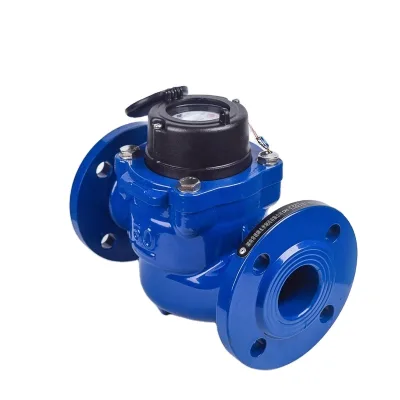


Comprehensive Sourcing Guide
Strategic Sourcing Guide for Flange Connection Woltman Water Meters
Procuring a Flange Connection Woltman Water Meter requires a disciplined approach that balances technical precision with supply chain reliability. These meters, defined by their speed-of-flow principle and robust flange interfaces, are engineered for high-volume applications where durability and accuracy are paramount. The market offers a diverse array of configurations, ranging from traditional mechanical structures to intelligent IC card systems, each serving specific civil and industrial needs. Buyers must navigate a landscape where attributes such as medium pressure, working temperature, and counter instruction types vary significantly between models. This guide outlines the critical factors for sourcing these instruments, ensuring that procurement decisions are grounded in verified product facts rather than speculative claims.
Technical Architecture and Operational Principles
The core of the Woltman water meter lies in its speed-of-flow principle, which measures water velocity to calculate volume. Unlike volumetric meters that displace a fixed amount of water, Woltman meters utilize a rotor that spins in proportion to the flow rate. This design is particularly effective for large diameter pipes, typically ranging from DN50 to DN600, making them ideal for municipal distribution networks and industrial facilities. The structural integrity of these meters is often described as "traditional" in mechanical variants, while newer iterations may feature "intelligent IC card" structures for advanced data management.
The connection method is a defining characteristic for this category. Flange connections are standard, allowing for secure integration into piping systems with bolted interfaces. Buyers should verify that the flange standard is selectable, as different regions and industries adhere to varying norms. The working pressure ratings observed in the market include Pn16/25 and specific values like 1.6MPa or 1.0MPa, depending on the model. For instance, the SH2140 model and the WEIZIDOM-Plastic Flange Water Meter demonstrate the range of pressure tolerances available. It is crucial to match the meter's working pressure to the system's maximum operating pressure to prevent mechanical failure.
Temperature tolerance is another critical technical parameter. Most units are designed for cold water environments, with operating ranges typically spanning from 0.1 to 40 degrees Celsius. However, specific models may support higher temperatures, such as those rated for 50 degrees Celsius. The work environment classification is equally important; while some meters are designed for dry environments with dry dials, others utilize liquid-sealed mechanisms to protect the internal register from moisture and corrosion. The choice between a dry dial and a liquid-sealed water meter often depends on the humidity and potential for condensation in the installation location.
Compliance Standards and Certification Verification
In the water meter industry, compliance is not merely a formality but a prerequisite for legal and operational acceptance. The supply context highlights several key certifications that buyers should request and verify. The ISO4064 standard is frequently cited, representing the international benchmark for water meter accuracy and performance. Additionally, some suppliers list ISO19001 for quality management systems, alongside IP68 ratings for ingress protection, and CE or OIML certifications for market access in specific regions.
When evaluating a supplier, it is essential to distinguish between the product standard and the certification. The product standard often references specific model series such as LXLC-50E~300E or general diameter ranges like DN15-DN600. While background knowledge suggests standards like ISO7005 or DIN 2532/3, buyers should rely on the explicit certification documents provided by the manufacturer rather than assuming compliance based on general industry knowledge. The presence of an ISO4064 certificate is a strong indicator of metrological reliability, but the specific scope of the certification must be confirmed.
Buyers must also scrutinize the range ratio, a metric that defines the meter's ability to measure accurately across different flow rates. A range ratio of R50 is observed in the product data, indicating the meter's capability to handle a 50:1 difference between minimum and maximum flow rates. This is vital for systems with fluctuating demand. Furthermore, pulse output capabilities, such as 10L, 100L, or 1000L pulses, are critical for integration into automated meter reading (AMR) or remote meter reading (AMR) systems. These outputs must be compatible with the buyer's existing data acquisition infrastructure.
Cost Drivers and Economic Factors
The pricing of flange connection Woltman water meters is influenced by a complex interplay of factors, including material composition, technological sophistication, and certification levels. The observed price range in the market spans from $4 to $664, reflecting the vast difference between basic mechanical units and advanced intelligent meters. A unit priced at the lower end of this spectrum is likely a traditional dry dial meter with a simple digital or analogue counter. In contrast, models featuring IC card technology, liquid-sealed registers, and comprehensive certifications like IP68 and OIML will command prices at the higher end.
The nominal diameter is a primary cost driver. Larger meters, such as those in the DN500 to DN600 range, require more material and more precise engineering to maintain accuracy, resulting in higher unit costs. The connection method also plays a role; while flange connections are standard, the specific flange standard chosen (e.g., DIN, ANSI, JIS) can affect the manufacturing complexity and cost. Additionally, the packing method influences the final landed cost. Options range from simple carton cases to more robust packaging involving carbon boxes, plywood cases, and pallets. For international shipping, the "Export Carton + Pallet" or "Wooden and Carton Packaging" options are common but add to the overall expense.
Minimum Order Quantity (MOQ) is another economic consideration. The market data indicates an MOQ range from 1 to 1000 units. Buyers seeking small quantities for pilot projects or replacement needs may find suppliers with low MOQs, though the unit price may be higher. Conversely, large-scale procurement projects can leverage economies of scale by ordering in bulk, potentially reducing the per-unit cost. However, buyers must balance the savings against inventory holding costs and the risk of obsolescence. Customization is available for many models, which can further impact the cost structure, as bespoke requirements often incur additional setup and engineering fees.
Typical Applications and Installation Requirements
Flange connection Woltman water meters are predominantly deployed in civil and industrial applications where high flow rates and large pipe diameters are common. In civil settings, these meters are used for municipal water distribution, serving large residential complexes, commercial districts, and industrial parks. The ability to handle big diameters makes them suitable for main distribution lines where accuracy and durability are essential. The horizontal installation requirement is a standard constraint for these meters, meaning they must be installed with the flow direction aligned horizontally to ensure the rotor functions correctly.
Industrial applications often demand higher performance and specific environmental protections. For example, in manufacturing plants or processing facilities, the meter may be exposed to varying temperatures and pressures. The choice between a dry water meter and a liquid-sealed water meter depends on the specific work environment. Liquid-sealed meters are preferred in humid or potentially wet conditions to prevent fogging of the dial and corrosion of the internal mechanism. The "High Performance" feature noted in several models suggests suitability for applications requiring precise billing and minimal maintenance.
The installation process also involves considerations for the counter instructions. Digital counters are prevalent, offering clear readability and ease of data integration. Some models offer both digital and analogue instructions, providing redundancy and flexibility. The pulse output capability allows for remote monitoring, which is increasingly important in smart city initiatives and industrial automation. Buyers should ensure that the selected meter's pulse output frequency and type match the requirements of their data logging systems. Additionally, the working pressure rating must align with the system's hydraulic profile to prevent leaks or mechanical stress on the flange connections.
Supplier Evaluation and Quality Assurance
Selecting a reliable supplier is critical for ensuring the longevity and accuracy of the water meter. The supply chain for these products is largely centered in China, with specific origins noted in Shanxi and general Chinese manufacturing hubs. Buyers should verify the supplier's ability to provide consistent quality, particularly given the wide range of models and specifications available. The presence of certifications like ISO4064, ISO19001, and CE is a positive indicator, but buyers must request valid, up-to-date documentation rather than relying on marketing claims.
Quality control should be a central part of the procurement process. Buyers should inquire about the testing procedures used to verify the meter's accuracy, range ratio, and pressure tolerance. While specific test results are not provided in the general product data, reputable suppliers will have established protocols for batch testing. The "High Performance" attribute suggests that these meters undergo rigorous quality checks, but the buyer should confirm the specific standards applied during manufacturing. Additionally, the packing method serves as a proxy for the supplier's attention to detail; robust packaging like "Carbon Box Then on Plywood Case" indicates a commitment to protecting the product during transit.
Supplier evaluation should also include an assessment of their customization capabilities. The availability of customization allows buyers to tailor the meter to specific project requirements, such as unique flange standards or specific pulse output configurations. However, customization can introduce lead time variations and complexity in the supply chain. Buyers should establish clear communication channels to ensure that custom specifications are accurately translated into the final product. Furthermore, the supplier's ability to provide technical support and after-sales service is essential for resolving any issues that may arise during installation or operation.
Long-Term Procurement and Lifecycle Management
Long-term procurement of flange connection Woltman water meters requires a strategic view that extends beyond the initial purchase. The lifecycle of these meters is influenced by factors such as maintenance requirements, calibration intervals, and the availability of spare parts. Traditional structures may require more frequent maintenance compared to intelligent IC card systems, which often feature self-diagnostic capabilities. Buyers should consider the total cost of ownership, including the cost of periodic calibration and potential replacement of worn components.
The evolution of water meter technology suggests a shift towards more intelligent solutions. While traditional Woltman meters remain relevant, the integration of digital and analogue counters, along with pulse outputs, points towards a future where data-driven management is standard. Buyers should evaluate whether the selected meter is compatible with future upgrades or integration into smart water networks. The "Range Ratio" of R50 and the various working pressure ratings indicate that these meters are designed for robust performance, but the specific model chosen should align with the long-term operational strategy of the organization.
Finally, buyers must remain vigilant regarding changes in standards and regulations. While current data highlights ISO4064 and other certifications, regulatory landscapes can shift. Ensuring that the procured meters meet the latest local and international standards is essential for compliance and avoiding legal or operational penalties. By maintaining a proactive approach to supplier relationships and staying informed about industry developments, buyers can secure a reliable supply of high-quality flange connection Woltman water meters that meet their immediate and future needs.
| Feature Category | Traditional Mechanical Models | Intelligent IC Card Models |
|---|---|---|
| Structure | Traditional | Intelligent IC Card |
| Counter Instructions | Digital or Analogue | Digital |
| Work Environment | Dry Water Meter | Liquid Sealed Water Meter |
| Principle | Speed of Water Meter | Volumetric Meter (in some variants) |
| Typical Application | Civil, Industrial | Civil, Industrial |
| Packing | Carton Case, Wooden Case | Export Carton + Pallet |
| Certification | ISO4064 | ISO4064, CE, OIML, IP68 |
| Price Range (USD) | Lower end of spectrum | Higher end of spectrum |
| MOQ | 1 - 1000 | 1 - 1000 |
| Origin | China | Shanxi, China |
FAQs
What is the working pressure rating for these meters?
The working pressure ratings observed include Pn16/25, 1.6MPa, and 1.0MPa depending on the specific model. Buyers must verify the exact rating matches their system requirements to prevent mechanical failure.
Which certifications are available for these water meters?
Common certifications include ISO4064, ISO19001, IP68, CE, and OIML. These documents verify metrological reliability and quality management, though buyers should request valid documentation for each batch.
Can the flange connection standard be customized?
Yes, the flange standard can be chosen to match regional or industry norms. This flexibility allows integration into various piping systems while maintaining the robust flange interface required for high-volume applications.
What is the typical range ratio for these meters?
A range ratio of R50 is observed in the product data. This indicates the meter can accurately measure flow rates across a 50:1 difference between minimum and maximum demand.
How are these meters typically packaged for export?
Packaging options include carton cases, carbon boxes, plywood cases, and pallets. Robust methods like carbon boxes on plywood cases are used to protect the product during international transit.
What is the minimum order quantity for these products?
The observed minimum order quantity ranges from 1 to 1000 units. Buyers can find suppliers for small pilot projects or large bulk orders depending on their specific procurement needs.
Which temperature ranges do these meters support?
Most units operate between 0.1 and 40 degrees Celsius for cold water. Some specific models are rated for higher temperatures up to 50 degrees Celsius, requiring careful selection based on the environment.