Source Flatback Rhinestone Shoe Patch for Bags, Garments, and Wedding
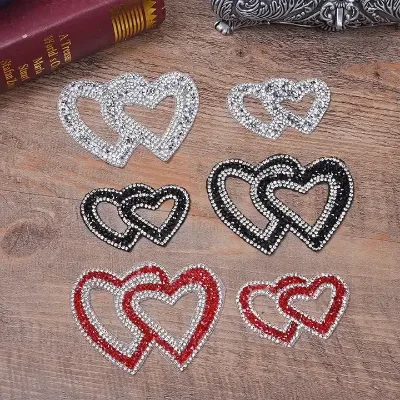
Compare 30 listings of Flatback Rhinestone Shoe Patch options featuring sew-on, ironable, and self-adhesive styles. Buyers can evaluate round and flower shapes in various colors like silver, gold, and black for use on bags, garments, and shoes.
Key considerations
Products List


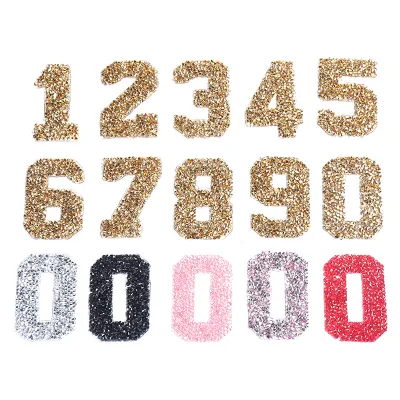
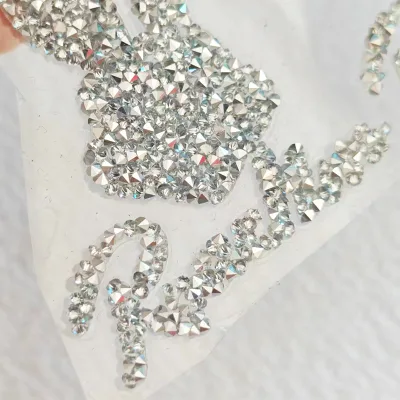


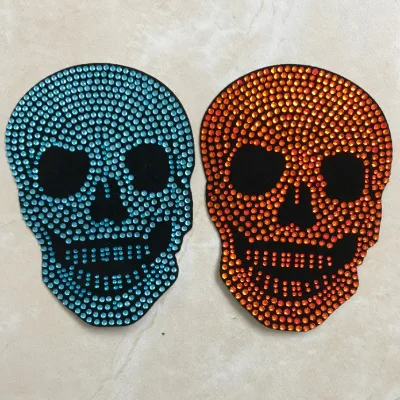


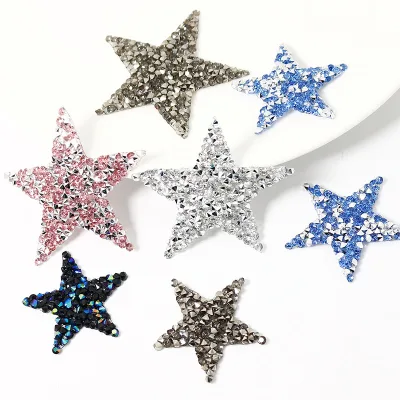


Comprehensive Sourcing Guide
Strategic Sourcing Guide for Flatback Rhinestone Shoe Patches
Procuring flatback rhinestone shoe patches requires a nuanced understanding of the intersection between decorative aesthetics and functional durability. In the B2B marketplace, these components are not merely ornamental; they serve as critical design elements that must withstand the mechanical stress of footwear while maintaining visual integrity. The following guide synthesizes available product data and industry standards to provide a structured approach for buyers seeking high-quality rhinestone applications for shoes, bags, and garments. This analysis focuses on technical specifications, material verification, and supplier evaluation criteria to ensure a robust procurement strategy.
Technical Specifications and Material Composition
The foundation of a successful sourcing decision lies in the precise definition of technical specifications. When searching for flatback rhinestone shoe patches, buyers must distinguish between loose stones and pre-assembled patches, as the application method dictates the supply chain requirements. The market data indicates a significant variance in product attributes, specifically regarding the "Style" and "Shape" of the items. While some listings specify a "Flatback" style with a "Round" shape, others describe "Flower" shapes or "Spherical" themes. For shoe applications, the "Flatback" configuration is generally preferred as it allows for a flush fit against the shoe upper, reducing snagging risks.
Material composition is equally critical. The observed product data highlights two primary material categories: "Glass" and "Crystal." Glass rhinestones are traditionally valued for their clarity and weight, often associated with a "Grade Aaaaaa" quality rating in specific listings. Conversely, crystal options may offer different refractive properties. Buyers must verify the specific material composition against their design requirements, as "Glass" and "Crystal" can have distinct thermal expansion coefficients and hardness levels. The "Shiny Degree" is another key specification, with some products claiming an "Extremely Shiny" finish. This attribute directly impacts the visual appeal of the final footwear product and should be validated through physical samples before bulk ordering.
Furthermore, the "Type" of rhinestone is a decisive factor. The data distinguishes between "Loose Rhinestones" and "Non Hot Fix Rhinestone" variants. Loose stones require manual application, often involving glue, whereas hot-fix variants feature an adhesive backing activated by heat. For shoe manufacturing, the "Easy to Apply" attributes such as "Heat Press and Glue" or "Sew-on" capabilities are paramount. The "Sew-on" technique is particularly relevant for leather or heavy fabric shoes where thermal application might damage the substrate. Buyers should cross-reference the "Technics" listed (e.g., Sew-on, Self-adhesive, Ironable) with their existing production line capabilities to ensure compatibility.
Compliance, Certification, and Safety Standards
In the realm of footwear accessories, compliance and safety standards are non-negotiable, yet specific certification data is often absent from general product listings. The provided context mentions a "prod_standard" described simply as "as picture" or specific dimensions like "55cm" and "23mm," but it does not explicitly list third-party certifications such as REACH, CPSIA, or ISO standards. This absence necessitates a proactive verification process by the buyer.
When sourcing flatback rhinestone shoe patches, buyers must assume that the supplier has not pre-validated the product against international safety regulations unless explicitly stated. The primary concern is the chemical composition of the rhinestones and the adhesive used. For shoes intended for children or markets with strict chemical regulations, verifying the absence of lead, cadmium, and other heavy metals is essential. The "Quality" rating of "Grade Aaaaaa" found in some listings is a commercial descriptor rather than a standardized certification. Therefore, procurement teams should request independent laboratory test reports to confirm that the materials meet the safety requirements of the target market.
Additionally, the "prod_standard" of "glass rhinestone" implies a material class but does not guarantee compliance with flammability or toxicity standards. Buyers should verify if the "Self-adhesive" or "Ironable" properties involve adhesives that release volatile organic compounds (VOCs) during application or use. The lack of specific standard numbers in the source data means that the buyer must define the acceptable compliance framework and require the supplier to provide evidence of adherence. This includes checking for RoHS compliance in the European market or CPSIA compliance for the United States, ensuring that the "Rhinestone Type" does not pose a choking hazard or chemical risk.
Cost Drivers and Pricing Dynamics
Understanding the cost drivers for flatback rhinestone shoe patches is essential for budgeting and margin analysis. The observed price range in the market spans from $0.02 to $30 USD, a wide variance that reflects differences in material quality, size, and customization complexity. The "MOQ" (Minimum Order Quantity) is a significant cost driver, with observed ranges from 1 piece to 1440 pieces per lot. For instance, some listings specify an MOQ of "1 Bag" or "2 PCS," while others require "1440PCS Each Lot."
The pricing structure is heavily influenced by the "prod_packing" method. Items packed in "Carton/Polybag" or "Packing Bag" may have different unit costs based on the volume of packaging materials and labor involved. The "Single Gross Weight" of 0.09kg per unit suggests that shipping costs will be a factor, particularly for air freight. Buyers should calculate the total landed cost, including the unit price, packaging, and logistics, rather than focusing solely on the per-unit sticker price.
Customization is another major cost variable. The data confirms that "Customization" is "Available" and "Customized Design" is "Welcomed." However, custom designs typically incur higher setup costs and potentially higher MOQs. The "Delivery Time" also impacts cost; while some suppliers offer "1-4 Working Days" lead times, others require "7-9 Working Days." Expedited shipping options like "DHL\UPS\FedEx\EMS" will add significant premiums to the final cost. Buyers must balance the urgency of the order against the budget constraints, noting that "Support" for "7 Days Sample Order Lead Time" is available, which can help mitigate risk before committing to large volumes.
Typical Applications and Design Integration
The versatility of flatback rhinestone shoe patches is evident in the diverse "Application" lists found in the product data. These include "Bags, Garment, Shoes, Souvenir, Wedding, Engagement," as well as specific uses like "Nail Art" and "Phone Case." For the specific keyword of "shoe patch," the application is primarily decorative, enhancing the aesthetic appeal of footwear for events such as weddings or engagements. The "Theme" of "Spherical" or "Flower" shapes suggests that these patches are often used for floral motifs or textured designs on shoe uppers.
The "Use" cases extend beyond simple decoration to include "DIY Wedding Dress Garment Accessories." This indicates that the patches are suitable for both mass-produced footwear and custom, high-end bespoke shoes. The "Easy to Apply" attributes, such as "Heat Press and Glue," allow for integration into various manufacturing processes. However, the "Sew-on" technique is particularly relevant for shoes where heat might damage the material, such as certain types of leather or synthetic fabrics. Buyers should consider the substrate of the shoe when selecting the patch type. For example, "Non Hot Fix Rhinestone" variants may be better suited for shoes that require sewing, while "Hot Fix Rhinestone" options are ideal for mass production lines equipped with heat press machinery.
Supplier Evaluation and Verification
Evaluating suppliers for flatback rhinestone shoe patches requires a rigorous approach to verifying their capabilities and reliability. The product data lists "prod_origin" in locations such as "Ningbo," "China," and "Guangdong, China." While these are known manufacturing hubs, the specific factory capabilities must be assessed. Buyers should verify the supplier's ability to meet the "MOQ" requirements, which vary significantly from 1 piece to 1440 pieces. A supplier offering a low MOQ of 1 piece may be suitable for sampling but might not have the capacity for large-scale production.
Communication and service are also critical indicators of supplier quality. The presence of a contact number (+86 19515158602) suggests direct communication channels, but buyers should ensure that the supplier can provide detailed technical support regarding the "prod_standard" and "Quality" ratings. The "Payment" terms, including "Paypal, T/T, Western Union and So on," indicate flexibility, but buyers should establish clear terms to protect their financial interests. Additionally, the "Shipment" options listed, such as "DHL\UPS\FedEx\EMS\TNT\Epacket\by Air\by Sea," demonstrate logistical flexibility, but buyers should confirm the supplier's ability to handle the specific shipping method required for their region.
Quality Control and Long-Term Procurement
Quality control is the final pillar of a successful sourcing strategy. The "Quality" attribute of "Grade Aaaaaa" is a strong indicator of high standards, but it must be validated through a systematic quality control process. Buyers should implement a sampling protocol that checks for consistency in "Shiny Degree," "Color" accuracy (including "White, Silver, Red, Pink, Multi, Green, Gray, Gold, Brown, Blue, Black"), and "Shape" precision. The "prod_standard" of "10gross/pack(1440PCS)" suggests a specific packaging standard that should be adhered to during production.
For long-term procurement, buyers should consider the "Lead Time" and "Delivery Time" consistency. While some suppliers offer "1-4 Working Days," others may take "7-9 Working Days." Reliability in meeting these timelines is crucial for maintaining inventory levels and meeting customer demand. The "7 Days Sample Order Lead Time" support is a valuable feature for initial quality verification. Furthermore, the "Customized Design" capability should be evaluated for its scalability. A supplier that can handle custom designs for small batches must also be capable of maintaining quality and consistency for large orders.
In conclusion, sourcing flatback rhinestone shoe patches involves a careful balance of technical specifications, compliance verification, cost management, and supplier evaluation. By focusing on the specific attributes of "Glass" or "Crystal" materials, "Flatback" styles, and "Sew-on" or "Hot Fix" application methods, buyers can ensure that their procurement strategy aligns with their product requirements. The wide range of observed prices and MOQs necessitates a tailored approach, where buyers leverage the available data to negotiate favorable terms and ensure high-quality outcomes.
FAQs
How are flatback rhinestone shoe patches applied to footwear?
They are applied using heat press, glue, or sewing depending on the shoe material. The product data confirms options for heat press, self-adhesive, and sew-on techniques to ensure secure attachment without damaging delicate substrates.
What materials are used for these rhinestone patches?
The patches are primarily made from glass or crystal materials. These materials provide an extremely shiny finish and are available in various colors including white, silver, red, and multi-color options for diverse design needs.
Which shape options are available for shoe decoration?
Round and flower shapes are the primary options available for these patches. The flatback style ensures a flush fit against the shoe upper, reducing snagging risks while maintaining the desired aesthetic theme.
Can I order a small quantity for testing purposes?
Yes, you can order as few as one bag or two pieces depending on the supplier. Some listings support a seven-day sample order lead time, allowing you to verify quality before committing to larger bulk orders.
What is the typical delivery time for these patches?
Delivery times range from one to nine working days based on the specific supplier and shipping method. Expedited options like DHL or FedEx are available, though standard lead times may vary between one and four days or seven and nine days.
How much does a single unit of these patches cost?
The observed price range for these patches spans from 0.02 to 30 USD per unit. The final cost depends on the material quality, size specifications, and whether you require custom designs or specific packaging configurations.
Where are these rhinestone patches manufactured?
These products originate from manufacturing hubs in Ningbo and Guangdong, China. Buyers should verify the specific factory location to ensure it aligns with their logistics requirements and supply chain preferences.