Source Flatback Glass Sew On Rhinestones for Dresses, Bags, and Shoes
Find 30 listings for Flatback Glass Sew On Rhinestones suitable for garment, jewelry, and nail art applications. Compare K9 glass options with gold foil or plated backs, available in round, square, and drop shapes. Review specifications for sizes like 6x12mm and 7x15mm to select the right strass for your project.
Key considerations
Products List


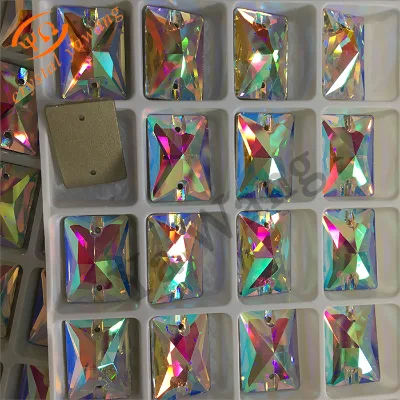
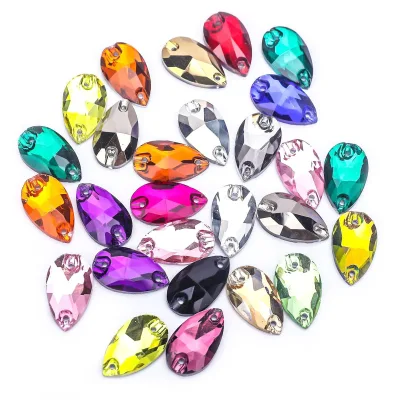
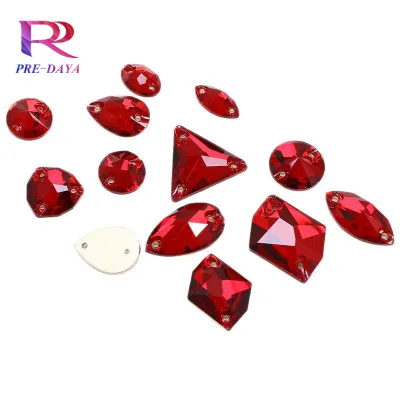
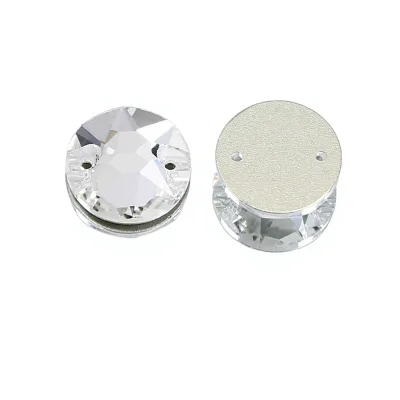


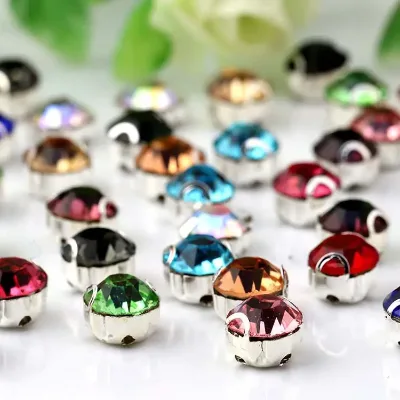
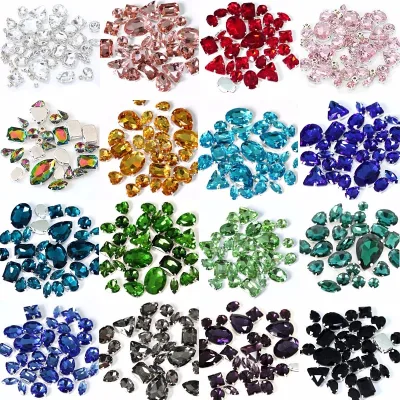
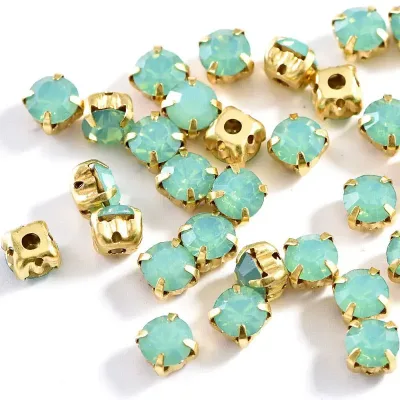
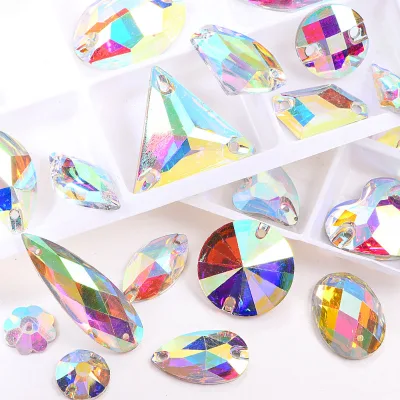



Comprehensive Sourcing Guide
Flatback Glass Sew On Rhinestones Sourcing Guide
Buyers must first distinguish between the specific product attributes observed in the market, such as the availability of K9 glass and crystal materials, to ensure the selected inventory matches the intended design aesthetic. The observed listings indicate a strong presence of flatback styles with gold-plated or foil-backed finishes, which are critical for achieving the desired sparkle and adhesion on various textiles. Understanding these material distinctions helps procurement teams avoid confusion between standard glass and lower-quality alternatives that may lack the necessary refractive properties for high-end fashion applications.
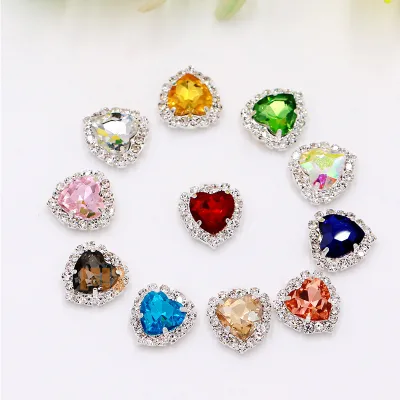
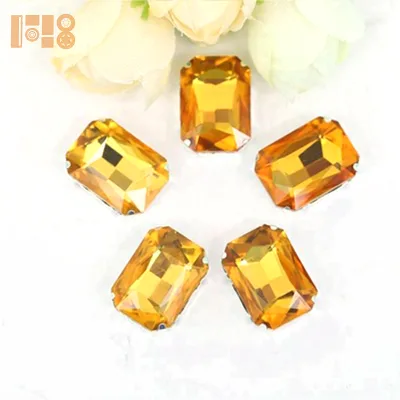
Procurement decisions should also account for the diverse shape and size variations available, ranging from round and square to drop-shaped options, with specific dimensions like 612mm or 1625mm frequently cited in product catalogs. Since the market offers over 40 shapes and 60 colors, buyers need to verify that the supplier can consistently deliver the exact specifications required for their specific garment or accessory projects. This verification step is essential before placing orders, as the visual impact of the rhinestones depends heavily on the precision of the cut and the consistency of the color palette across different batches.
Product Scope and Observed Listing Signals
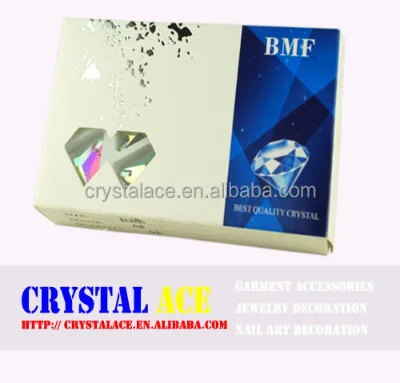
The observed product range includes loose rhinestones designed for sewing onto dresses, bags, shoes, and jewelry, with a notable emphasis on applications for wedding attire and nail art. Listings frequently highlight features such as two-hole sewing capabilities and sparkling glass quality, which signal a focus on durability and aesthetic appeal for both industrial garment manufacturing and small-scale craft projects. Buyers should recognize that while some products are packaged in white boxes, others utilize trays within cartons, indicating that packaging standards vary significantly between different suppliers and product lines.
It is crucial to note that the market presents a wide spectrum of minimum order quantities, with some suppliers requiring as few as one box per color and size, while others may set thresholds up to 5000 units. This variability in commercial terms means that buyers must carefully align their order volume with supplier capabilities to avoid unnecessary inventory costs or stockouts. The presence of customization options further expands the scope, allowing for tailored solutions that can meet specific branding or design requirements, provided the buyer clearly communicates these needs during the initial inquiry phase.
Technical Specifications to Verify
Buyers must rigorously verify the material composition, specifically confirming whether the product is made from K9 glass or standard crystal, as this directly impacts the clarity and light refraction of the final piece. The observed data indicates that high-quality options often feature a gold-plated back or gold foil, which are essential for preventing tarnishing and ensuring a secure bond when sewn onto fabric. Additionally, the technical specification of the shape, whether round, square, or drop, must be cross-referenced with the physical samples to ensure the dimensions match the design blueprints exactly.
The sewing mechanism is another critical technical parameter, with some products featuring two holes for enhanced stability while others rely on the flatback design for adhesive or direct stitching. Buyers should confirm the specific model numbers, such as TSO01 or KK307, to ensure they are ordering from a consistent production line that maintains the advertised quality grade of AAA glass. Verifying the exact dimensions, such as 712mm or 1322mm, is equally important, as even minor deviations can affect the overall pattern alignment and visual consistency of the finished garment or accessory.
Compliance and Safety Documentation
While the observed listings mention high-quality standards and SGS certification, buyers must independently verify the current status of these compliance documents to ensure they meet the safety regulations of their target markets. The presence of an SGS standard in the product data suggests a commitment to quality control, but it does not automatically guarantee that every batch of rhinestones has been tested for heavy metals or lead content. Procurement teams should request up-to-date test reports that specifically address the materials used, such as the glass and metal plating, to confirm compliance with international safety standards for children's products and textiles.
Documentation regarding the origin of the materials, particularly from Guangzhou or Guangdong in China, should be reviewed to assess the supply chain's transparency and adherence to environmental regulations. Buyers should also check if the supplier provides certificates of origin and material safety data sheets, which are essential for customs clearance and internal quality assurance processes. Without these verified documents, there is a risk of non-compliance that could lead to product recalls or legal issues, especially when the rhinestones are intended for use in sensitive applications like children's clothing or wedding attire.
Cost Drivers and Commercial Terms
The price range observed in the market, spanning from $0.01 to $65.95, reflects significant variations in material quality, size, and order volume, requiring buyers to carefully evaluate the cost per unit against their budget constraints. Factors such as the use of K9 glass versus standard crystal, the complexity of the shape, and the specific finishing techniques like gold plating or foil backing all contribute to the final pricing structure. Buyers should analyze these cost drivers to determine the most economical option that still meets their quality requirements, avoiding the temptation to select the lowest price without considering the potential impact on product durability and appearance.
Commercial terms, including minimum order quantities and packaging specifications, play a pivotal role in the overall cost of procurement, with some suppliers requiring orders as low as one box per color while others demand bulk purchases. The packaging method, whether in standard boxes, trays, or cartons, also influences shipping costs and the efficiency of inventory management upon arrival. Buyers must negotiate these terms to align with their logistical capabilities, ensuring that the total landed cost, including shipping and handling, remains within the projected budget for the project.
Supplier Qualification and Quality Control
Supplier qualification should focus on verifying the consistency of their production processes, particularly regarding the quality of the glass and the precision of the cutting and plating operations. The observed listings mention high-quality standards and specific product names like "Crystal Rhinestone Strass," which indicate a focus on premium materials, but buyers must confirm that these claims are backed by a robust quality control system. Requesting samples from different production batches is an effective method to assess the consistency of color, size, and sparkle, ensuring that the supplier can maintain the required standards over time.
Quality control measures should also include a review of the supplier's packaging and handling procedures to prevent damage during transit, as loose rhinestones are susceptible to breakage or loss if not properly secured. Buyers should inquire about the supplier's defect rate and their protocols for handling returns or replacements, as these factors can significantly impact the reliability of the supply chain. Establishing a clear communication channel for quality feedback is essential, allowing for immediate resolution of any issues that arise during the inspection of received goods.
Long-Term Procurement Checks
Establishing a long-term procurement strategy requires regular audits of the supplier's ability to maintain consistent quality and meet delivery schedules, especially as order volumes increase. Buyers should implement a system for periodic sample testing to ensure that the material properties, such as the K9 glass clarity and the durability of the gold plating, remain stable over time. This proactive approach helps identify any potential degradation in product quality before it affects the final output, allowing for timely corrective actions to be taken.
Additionally, buyers should monitor market trends and technological advancements in rhinestone manufacturing to ensure their sourcing strategy remains competitive and aligned with evolving design requirements. Keeping abreast of new shapes, colors, and finishing techniques can provide a strategic advantage, enabling the procurement team to offer innovative products to their clients. Regular reviews of supplier performance and market conditions will help in making informed decisions about contract renewals, price negotiations, and the exploration of alternative sourcing options if necessary.
FAQs
What materials are used for Flatback Glass Sew On Rhinestones?
These rhinestones are crafted from high-quality K9 glass or crystal materials. The flat back design features a gold foil or gold-plated base for secure attachment. This combination ensures durability and a sparkling finish suitable for various decorative applications.
Which sizes are available for these sew-on rhinestones?
Common specifications include 6x12mm, 7x15mm, 9x18mm, and larger dimensions like 16x25mm. Manufacturers offer over 40 shapes and more than 60 colors. Buyers can select specific models such as TSO01 or KK307 to match their precise design requirements.
Can I customize the packaging for bulk orders?
Yes, customization is available for bulk purchases. Standard packaging typically involves packing items in white boxes, trays, or cartons. Buyers can request specific inner box configurations to ensure safe transport and organized storage for their sewing or crafting projects.
What is the typical MOQ for these rhinestones?
The minimum order quantity usually starts at one box per color and size, or six boxes for mixed orders. Some suppliers require a minimum of 5000 pieces. Buyers should verify specific MOQ terms with manufacturers to ensure alignment with their project scale.
Where are these glass rhinestones manufactured?
These products are primarily manufactured in Guangdong, China, including Guangzhou. The region is known for producing high-quality crystal and glass accessories. Buyers can source directly from these locations to access a wide variety of styles and competitive pricing options.
What certifications do these rhinestones meet?
Products often meet SGS standards for quality and safety. They are described as high-quality sparkling glass rhinestones. Buyers seeking specific compliance should request certification documents from suppliers to ensure the materials meet international safety regulations for fashion and accessory applications.