Source Fleece Beret for casual wear, outdoor activities, and winter warmth
Explore 30 listings of Fleece Beret options suitable for daily use and seasonal protection. Buyers can compare materials, sizes, and customization features to find the right supplier for bulk orders.
Key considerations
Products List
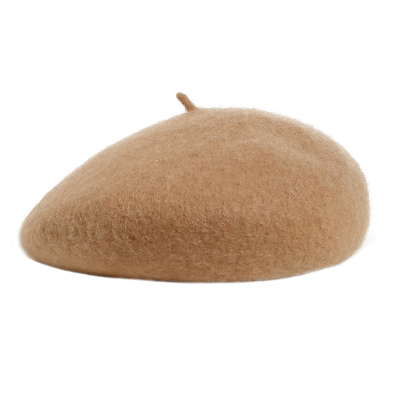

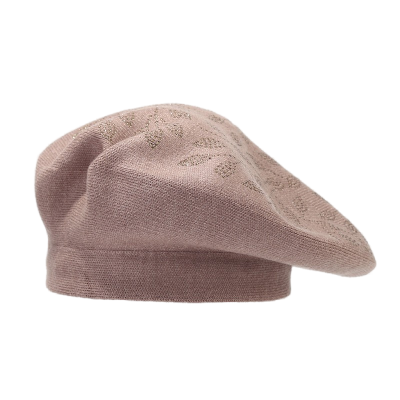
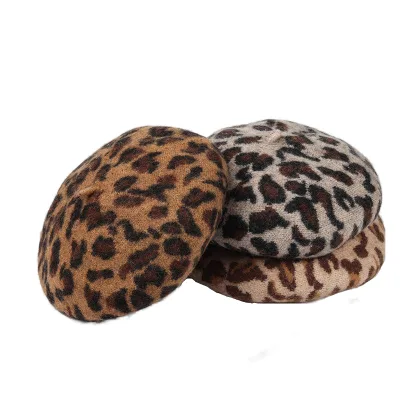
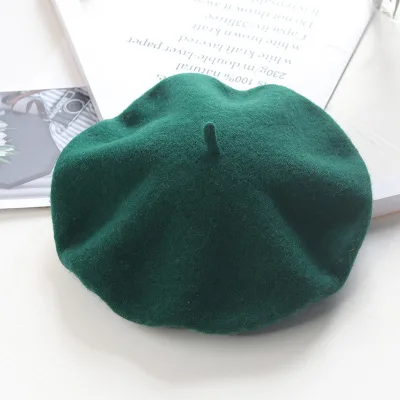
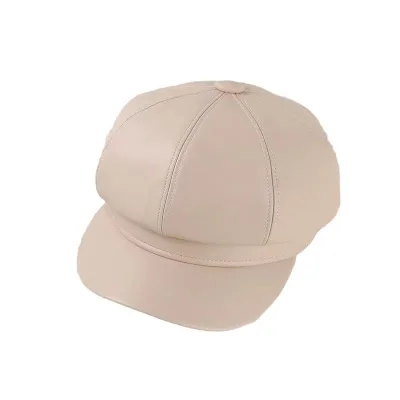


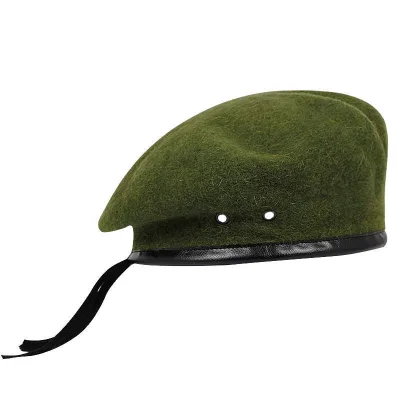
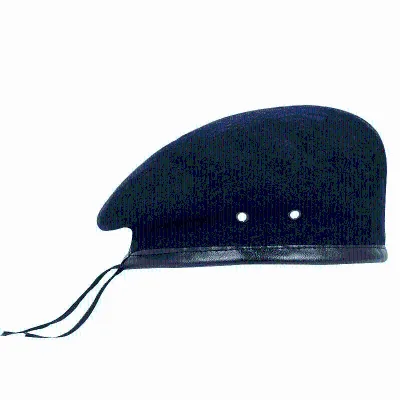
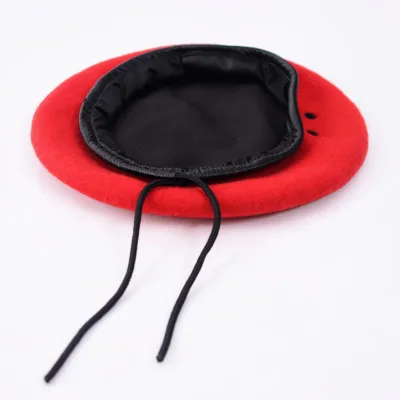


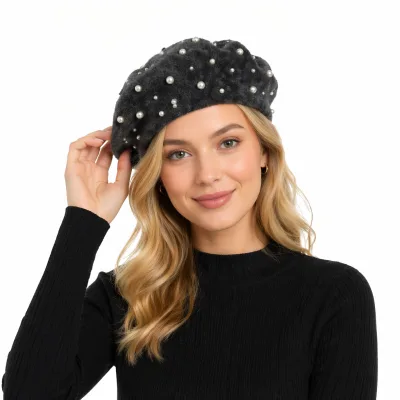


Wool Beret Hat Custom Solid Color Classic Beret for Fashion & Outdoor Use
$3.30 - $4.30
MOQ: 100 Pieces


Wholesale Fashion Wool Children's Knit Beret Warm Mori Trendy Women Girls Beret
$1.50 - $4.00
MOQ: 100 Pieces

Autumn Winter Wool Warm Berets Fashion Custom Woman Plain Color Felt Beret
$1.00 - $4.00
MOQ: 100 Pieces
Comprehensive Sourcing Guide
Fleece Beret Sourcing Guide
Sourcing fleece berets requires a nuanced understanding of material performance, seasonal versatility, and manufacturing precision. While the core keyword suggests a specific fabric type, the broader market for berets encompasses a wide range of materials including wool, viscose, and synthetic blends, each offering distinct advantages in warmth, drape, and cost. Buyers must navigate this diversity by clearly defining their target audience’s needs, whether that involves high-end winter warmth, casual spring-autumn style, or all-season adaptability. The procurement process is further complicated by the fact that many listings use generic terms, making it essential to verify the actual composition and construction methods before committing to volume orders.
This guide provides a structured approach to evaluating Fleece Beret suppliers, focusing on technical verification, compliance, and commercial terms. By aligning product specifications with realistic market expectations, buyers can mitigate risks associated with material mismatches and quality inconsistencies. The following sections detail the critical steps for validating supplier claims, ensuring regulatory compliance, and establishing sustainable long-term partnerships. The goal is to transform raw listing data into actionable procurement intelligence, enabling informed decision-making at every stage of the sourcing lifecycle.
Product Scope and Observed Listing Signals
The current market landscape for berets reveals a significant divergence between the core keyword of "fleece" and the actual materials observed in top listings. Many suppliers offer products labeled as woolen, viscose fiber, or generic fabric types, indicating that "fleece" may be used loosely to describe soft, warm headwear rather than a strict polyester fleece composition. For instance, observed listings highlight 100% wool berets designed for winter warmth and viscose fiber options for autumn and spring use. Buyers should interpret "fleece" as a texture or warmth descriptor rather than a guaranteed material specification, requiring direct confirmation of fiber content to avoid receiving unexpected wool or synthetic blends.
Seasonal applicability and style variations further complicate the product scope, with listings ranging from four-season all-purpose berets to specialized winter or spring-autumn models. Some products feature adjustable sizing or specific head circumferences like 56-58cm, while others are marketed with unique design elements such as big brims, leopard prints, or solid colors. The presence of multiple color choices, including peacock blue, watermelon red, and various shades of gray and brown, suggests a high degree of customization potential. Buyers must assess whether their target market prefers classic, versatile designs or trendy, statement-making pieces, as this will dictate the necessary inventory breadth and supplier flexibility.
Technical Specifications to Verify
Verifying technical specifications is paramount to ensuring the product meets functional and aesthetic requirements. Key attributes to confirm include the exact material composition, as distinctions between wool, viscose, and fleece significantly impact cost, care instructions, and performance. Buyers should request detailed fabric swatches to assess weight, texture, and breathability, particularly for products claiming advantages like sun protection or windproofing. Additionally, the model number and size specifications, such as 56-58cm or adjustable fits, must be cross-referenced with target demographic data to ensure proper fit and customer satisfaction.
Manufacturing techniques and packaging details also play a crucial role in product quality and logistics. Techniques such as heat-transfer printing or hand embroidery can affect durability and visual appeal, while single package dimensions and gross weights influence shipping costs and storage efficiency. For example, some listings indicate a single gross weight of 0.500 kg or 1.000 kg, which directly impacts freight calculations. Buyers should verify these metrics with the supplier to ensure accurate landed cost estimates and to confirm that the packaging is robust enough to protect the beret’s shape during transit, especially for structured styles like berets.
Compliance and Safety Documentation
Compliance and safety documentation are non-negotiable elements of responsible sourcing, particularly for products worn close to the skin. Buyers must ensure that suppliers provide relevant certifications, such as OEKO-TEX, which verifies that the textiles are free from harmful substances. While some listings may mention needle detection or waterproof fabric features, these claims require independent verification through third-party testing reports. It is essential to request these documents before placing orders to mitigate risks related to product safety and regulatory adherence in target markets.
Beyond material safety, buyers should inquire about the supplier’s quality control processes and adherence to international standards. This includes verifying that the production facilities follow ethical labor practices and environmental regulations. Although specific certification statuses may not be explicitly listed in all product descriptions, proactive communication with suppliers is necessary to confirm their compliance posture. Establishing a clear expectation for documentation early in the sourcing process helps build trust and ensures that the final products meet both legal requirements and brand values.
Cost Drivers and Commercial Terms
Understanding the cost drivers behind Fleece Beret pricing is essential for effective budgeting and negotiation. Factors such as material type, manufacturing complexity, and customization options significantly influence the final price. For instance, 100% wool berets may command higher prices due to material costs, while viscose or synthetic options might offer more competitive pricing. Additionally, features like custom logos, specific color choices, and intricate designs can add to the production cost. Buyers should analyze these variables to identify areas where cost savings are possible without compromising quality.
Commercial terms, including minimum order quantities (MOQ) and payment conditions, also impact the overall procurement strategy. Observed MOQs range from 10 pieces to 500 pieces, offering flexibility for both small-scale and large-volume buyers. Understanding these thresholds allows buyers to optimize order sizes for better pricing tiers and inventory management. Furthermore, negotiating favorable payment terms and lead times can enhance cash flow and supply chain reliability. Buyers should engage in transparent discussions with suppliers to align commercial terms with their business needs and risk tolerance.
Supplier Qualification and Quality Control
Supplier qualification is a critical step in ensuring consistent product quality and reliable service. Buyers should conduct thorough due diligence on potential suppliers, assessing their production capabilities, quality control systems, and past performance. This includes verifying the supplier’s ability to meet specific technical requirements, such as material composition and sizing accuracy. Requesting samples and conducting pre-production inspections can help identify potential issues before they escalate into larger problems.
Quality control measures should be integrated into the procurement process from the outset. Establishing clear quality standards and inspection criteria ensures that products meet expected benchmarks. Buyers should work closely with suppliers to implement robust quality assurance protocols, including random sampling and final product inspections. Regular communication and feedback loops can help maintain high standards and address any deviations promptly. By prioritizing supplier qualification and quality control, buyers can build a resilient supply chain that delivers consistent value.
Long-Term Procurement Checks
Long-term procurement success depends on continuous monitoring and evaluation of supplier performance. Buyers should establish key performance indicators (KPIs) to track metrics such as on-time delivery, product quality, and responsiveness to issues. Regular reviews of these metrics help identify trends and areas for improvement, enabling proactive management of the supply chain. Additionally, maintaining open lines of communication with suppliers fosters collaboration and problem-solving, strengthening the partnership over time.
As market conditions and consumer preferences evolve, buyers must remain agile and adaptable. This involves staying informed about industry trends, material innovations, and regulatory changes that may impact sourcing strategies. Periodic reassessment of supplier relationships and product offerings ensures that the procurement process remains aligned with business goals. By implementing long-term checks and maintaining a strategic approach, buyers can sustain competitive advantage and drive continuous improvement in their Fleece Beret sourcing operations.
FAQs
What materials are used for these berets?
The berets are made from 100% wool or viscose fiber depending on the specific model. Some products feature wool for warmth while others use viscose fiber for a different texture. Buyers should check the material specification for each item to ensure it meets their needs.
Which sizes are available for the woolen berets?
Available sizes include 56-58cm and adjustable options to fit various head circumferences. Specific models like the woolen warm beret have a fixed size of 56-58cm. Other styles offer adjustable sizing to accommodate different users effectively.
Can I customize the logo on these berets?
Yes, custom logos are available for many of the beret models listed. This customization option allows buyers to brand the products according to their specific requirements. Buyers should verify the customization details with the supplier before placing an order.
What is the minimum order quantity for these items?
The minimum order quantity varies by product but can be as low as 10 pieces for some models. Other items may require up to 500 pieces depending on the supplier. Buyers need to check the specific MOQ for the product they intend to purchase.
Where are these berets manufactured?
These berets are manufactured in Zhejiang, China. This location is the place of origin for the products listed on the page. Buyers sourcing from this region should consider the logistics and shipping implications associated with this specific manufacturing hub.
Which seasons are these berets suitable for?
The berets are designed for various seasons including winter, spring, autumn, and some are suitable for all seasons. Specific models are labeled for winter or spring and autumn use. Buyers should select the product based on the intended season of use.