Source Flea and Tick Collar for Dogs, Training, and Home
Compare 30 Flea and Tick Collar options from suppliers in China and Yiwu. Buyers can review materials like rubber, leather, and TPR, along with adjustable sizes and custom logo capabilities for wholesale sourcing.
Key considerations
Products List
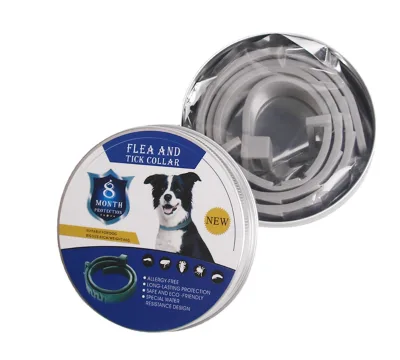


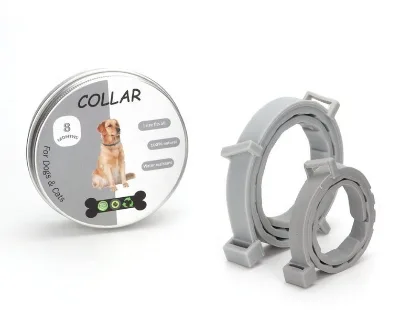
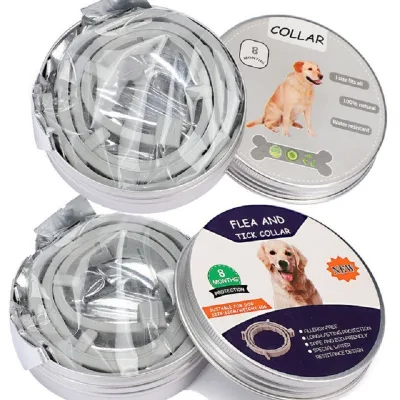


Dog Flea and Tick Collar, Waterproof Adjustable Collar for Dogs and Puppies
$1.50 - $2.00
MOQ: 2000 Pieces


Tick Collar, Flea Dog Collar, Adjustable Collar for Medium & Big Breeds
$1.00 - $2.00
MOQ: 2000 Pieces


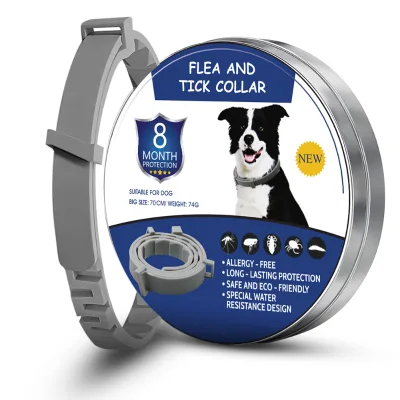
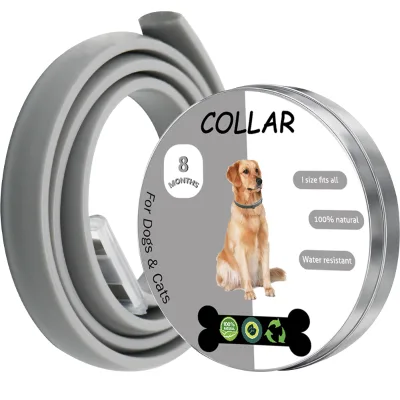
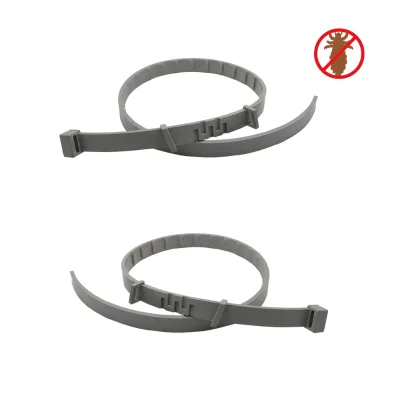
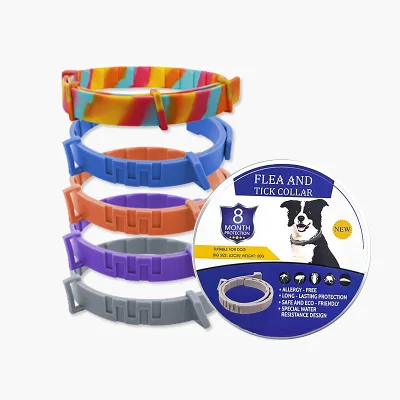
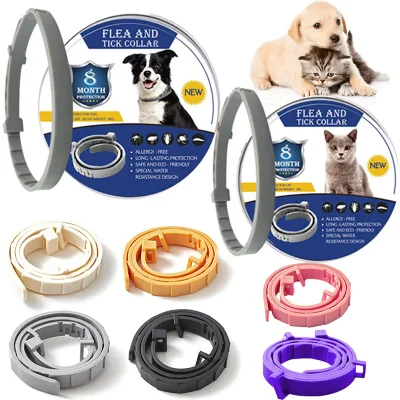

Pet Repellent Collar Anti-Mosquito and Flea Leash Flea and Tick Repellent Collar
$0.90 - $1.50
MOQ: 50 Pieces

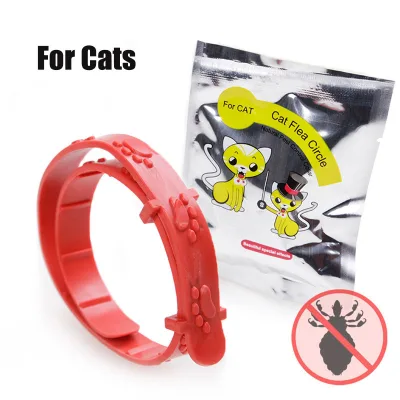


Adjustable Waterproof and Insect-Repellent Fast Delivery Durable Flea Collar
$0.99 - $1.68
MOQ: 100 Pieces


Waterproof and Adjustable Design New Arrival Insect-Repellent Flea Collar
$0.99 - $1.68
MOQ: 100 Pieces


Comprehensive Sourcing Guide
Strategic Sourcing Guide for Flea and Tick Collars
Navigating the global market for flea and tick collars requires a disciplined approach that balances product efficacy, material safety, and supply chain reliability. For procurement professionals, the distinction between a generic pet accessory and a functional health product is critical. The following guide synthesizes available market data to provide a framework for evaluating suppliers, understanding technical specifications, and managing procurement risks without relying on unverified claims.
Technical Specifications and Material Composition
The foundation of a successful procurement strategy lies in a precise understanding of the product's physical and chemical attributes. Flea and tick collars are not monolithic; they vary significantly in material composition, which directly impacts durability, comfort, and the mechanism of action. Market observations indicate a diverse range of materials, including rubber, leather, and TPR (Thermoplastic Rubber). Each material presents distinct advantages and trade-offs. Rubber offers flexibility and water resistance, making it suitable for active dogs, while leather provides a premium aesthetic but may require more maintenance. TPR is often cited for its balance of softness and durability.
When evaluating specifications, buyers must scrutinize dimensions and adjustability. A standard collar for medium to large dogs often features a width of approximately 2.5 cm and a length around 39 cm, though sizes frequently range from M to L. Crucially, the closure mechanism is a primary safety feature. Snap closures and buckle systems are common, but the reliability of the fastening method must be verified to prevent accidental loss or injury. Furthermore, the functional lifespan of the product is a key specification. Some market data suggests a protection duration of up to eight months, a figure that should be validated against the specific chemical formulation or physical design of the collar.
| Specification Category | Observed Variations | Procurement Consideration |
|---|---|---|
| Material | Rubber, Leather, TPR | Assess suitability for the target pet's activity level and skin sensitivity. |
| Dimensions | Width: 2.5 cm; Length: 39 cm | Verify fit for the specific breed range (M, L, Adjustable). |
| Closure Type | Snap, Buckle | Ensure security and ease of use for the end consumer. |
| Protection Duration | Up to 8 months | Confirm claims through supplier documentation or third-party testing. |
| Color Options | Solid colors (Yellow, Black, Blue, Green) | Align with brand aesthetics or specific product lines. |
Compliance, Certification, and Safety Verification
In the pet care sector, regulatory compliance is non-negotiable. Unlike general merchandise, flea and tick collars often fall under the jurisdiction of agricultural or environmental protection agencies, depending on the region of sale. Buyers must verify that the product meets the specific standards of the destination market. While specific certification names may vary by country, the underlying requirement is always the demonstration of safety for the animal and the environment.
Procurement teams should request documentation proving that the product has undergone relevant safety assessments. This includes verifying that the materials used do not contain prohibited substances and that the active ingredients (if any) are within legal limits. It is essential to note that "OEM" or "ODM" capabilities do not automatically imply compliance; a supplier may be capable of manufacturing to a design, but the design itself must be legally sound. Buyers should explicitly ask for test reports or certificates of analysis that align with the standards of the target export market, such as those from the European Union or the United States Environmental Protection Agency. Relying on a supplier's verbal assurance without written proof is a significant risk.
Cost Drivers and Pricing Dynamics
Understanding the cost structure of flea and tick collars is vital for maintaining healthy margins. The observed price range in the market spans from $0.19 to $4.00 USD, a wide variance that reflects differences in material quality, branding, and volume. Several factors drive these costs. The primary driver is the material; leather and specialized TPR compounds generally command higher prices than standard rubber. Secondary drivers include packaging complexity and customization.
Customization, such as printing a specific logo or using custom-sized boxes, adds to the unit cost. Suppliers offering "Free plastic packaging" versus "Cloth package with logo" illustrate the spectrum of value-added services. Additionally, the Order Minimum Quantity (MOQ) significantly impacts the effective unit price. Market data indicates MOQs ranging from 2 to 10,000 units. A lower MOQ allows for smaller initial investments but typically results in a higher per-unit cost. Conversely, larger orders often unlock lower price points but require significant capital outlay and storage capacity. Buyers must calculate the total landed cost, including shipping, duties, and potential warehousing fees, rather than focusing solely on the ex-works price.
Supplier Evaluation and Supply Chain Capabilities
Selecting the right supplier requires a holistic view of their operational capabilities. A robust supplier should demonstrate flexibility in production and logistics. Key indicators of a reliable partner include a verified supply ability, such as the capacity to produce 50,000 sets per month, which suggests the ability to handle bulk orders without significant delays. The location of the manufacturing facility is also a strategic consideration. Many suppliers in this sector are based in regions like Guangdong or Yiwu in China, which are established hubs for pet product manufacturing.
Logistics flexibility is another critical evaluation metric. Suppliers that offer multiple shipping methods, including Express (UPS, DHL, FedEx), DDP (Delivered Duty Paid) by air, sea, or train, provide buyers with greater control over their supply chain. DDP terms are particularly valuable as they transfer the responsibility of customs clearance and duties to the supplier, simplifying the import process. Furthermore, the availability of OEM and ODM services indicates a supplier's willingness to collaborate on product development, which is essential for brands looking to differentiate their offerings. Buyers should verify the supplier's ability to handle custom packaging, such as OPP bags or branded boxes, as this directly affects the final product presentation.
Quality Control and Inspection Protocols
Maintaining product quality is paramount, especially for items that come into direct contact with animals. A rigorous quality control (QC) protocol should be established before production begins and during the manufacturing process. This includes verifying the consistency of the material, the strength of the closure mechanisms, and the accuracy of the dimensions. For example, the width of 2.5 cm and length of 39 cm must be consistent across the entire batch to ensure a proper fit for the intended pet size.
Inspection should also cover the visual aspects of the product, such as color consistency and logo placement. Since the market offers various color options like yellow, black, blue, and green, color fading or bleeding can be a common defect. Additionally, the "Condition" of the product must be verified as "New" to ensure no defects exist prior to packaging. Buyers should consider implementing a third-party inspection service for large orders to verify that the goods meet the agreed-upon specifications before they leave the factory. This step is crucial for mitigating the risk of receiving substandard goods that could lead to returns or reputational damage.
Typical Applications and Market Segmentation
Flea and tick collars serve a specific functional purpose: protecting pets from parasites. The primary application is for dogs, as indicated by product descriptions specifying "Applicable Pet: Dogs" and "Suitable for: Dog." However, the market is segmented by usage scenarios. Some collars are designed for home use, while others are intended for training or outdoor activities. The feature set often reflects this segmentation; for instance, a collar with a "Snap" closure might be preferred for home use due to ease of removal, whereas a "Buckle" might be favored for training or active use due to its security.
The "Feature: Stocked" attribute suggests that some suppliers maintain inventory for immediate shipment, which is beneficial for buyers needing quick turnaround times. However, for brands seeking customization, the "Sample lead time" of 1-3 working days or 2-3 working days is a critical metric. Fast sample turnaround allows buyers to test the product quickly and make informed decisions before committing to large-scale production. Understanding these applications helps buyers align their procurement strategy with the specific needs of their target customer base, whether they are mass-market retailers or niche pet care brands.
Long-Term Procurement Considerations
Sourcing flea and tick collars is not a one-time transaction but a long-term relationship management exercise. Buyers should consider the scalability of their supplier partnership. A supplier with a supply ability of 50,000 sets per month is better positioned to support growth than one with limited capacity. Additionally, the flexibility of the supplier to adapt to changing market trends, such as new color trends or material innovations, is essential for maintaining competitiveness.
Sustainability and ethical manufacturing are increasingly important factors in long-term procurement. While specific data on these aspects may not be explicitly detailed in all product listings, buyers should proactively inquire about the environmental impact of the materials used and the labor practices of the manufacturing facility. The ability to customize packaging, such as using eco-friendly materials or reducing plastic waste, can also be a differentiator in the market. Finally, maintaining a clear communication channel for after-sales support and handling potential quality issues is vital for ensuring a smooth supply chain. By focusing on these long-term factors, buyers can build a resilient supply chain that supports their brand's growth and reputation in the competitive pet care market.
FAQs
What materials are used for flea and tick collars?
Flea and tick collars are commonly made from rubber, leather, or TPR. Rubber offers flexibility and water resistance, while leather provides a premium look, and TPR balances softness with durability for active pets.
How long does the protection last on these collars?
Some products provide protection for up to eight months. This duration depends on the specific formulation or design, so buyers should verify the functional lifespan with the supplier before placing an order.
Can I get custom logos on the collars?
Yes, custom logos are available on these collars. Suppliers offer options like cloth packages with printed logos or custom-sized boxes, allowing brands to personalize the product for their specific market needs.
What is the minimum order quantity for these items?
The minimum order quantity typically starts at 100 pieces per color and size. However, market data shows MOQs can range from 2 to 10,000 units depending on the supplier and customization requirements.
Where are these collars manufactured and shipped from?
These collars are manufactured in China, specifically in regions like Guangdong and Yiwu. They are shipped from ports such as Shenzhen via express services, air, sea, or train with DDP options available.
Which closure types are available for dog collars?
Common closure types include snap closures and buckle systems. Snap closures offer ease of use for home environments, while buckles provide enhanced security for training or active outdoor scenarios.
What is the sample lead time for these products?
Sample lead times generally range from 1 to 3 working days. This fast turnaround allows buyers to test product quality and specifications before committing to larger production runs.