Source Fleece Sherpa Jacket for Winter, Travel, and Work
Find 30 Fleece Sherpa Jacket options tailored for men, women, and unisex wearers. Compare features like windproof, waterproof, and breathable fabrics, along with customization for logos and colors to meet your specific sourcing needs.
Key considerations
Products List


Winter High Pile Sherpa Fleece Jacket Coat Casual Unisex Sherpa Fleece Jacket
$14.00 - $24.00
MOQ: 300 pieces

Thick Warm Stripe Zip up Pullover Fleece Men's Jacket with Sherpa Jacket
$18.80 - $24.50
MOQ: 50 pieces

Hooded Plaid Cozy Sherpa Outer Polyester Inner Fleece Design Woman Jacket
$12.00 - $18.00
MOQ: 100 pcs


Womens Long Sleeve Cropped Sherpa Fleece Plaid Jacket Casual Chunky Teddy Fleece Outerwear
$9.00 - $10.00
MOQ: 1000 Pieces


Men Outdoor Sherpa Fleece Jacket Fashion Winter Coat Urban Outdoor Jacket
$11.00 - $20.00
MOQ: 800 pcs


Casual Long Sleeve Cropped Sherpa Zipper Fleece Jacket with Pockets for Men
$10.88 - $16.88
MOQ: 100 Piece


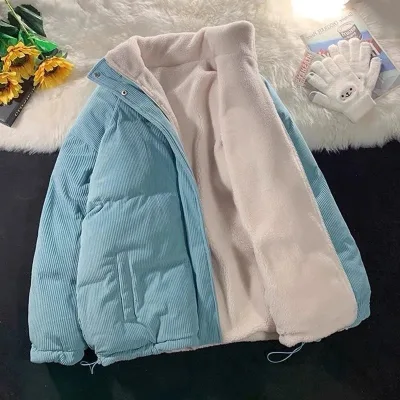


Comprehensive Sourcing Guide
Fleece Sherpa Jacket Sourcing Guide
Sourcing fleece sherpa jackets requires a nuanced understanding of material composition, seasonal functionality, and customization capabilities. These garments are primarily designed for winter wear, offering warmth through synthetic fleece fabrics while maintaining a casual, leisure-oriented aesthetic. Buyers must navigate a market where product attributes vary significantly between listings, ranging from men’s and women’s specific cuts to unisex designs. The core appeal lies in the balance between windproof and breathable properties, ensuring that the outerwear remains functional in cold conditions without compromising comfort. Understanding these foundational characteristics is the first step in building a reliable supply chain for this category.
The procurement landscape for sherpa fleece jackets is characterized by high levels of customization and flexible production models. Suppliers often support tailored solutions, including customized logo printing, specific colorways, and unique packaging requirements. This flexibility allows brands to align the product closely with their identity, whether targeting adult men, women, or a broader unisex demographic. However, this variability also introduces complexity in quality control and specification verification. Buyers must establish clear communication channels to ensure that the final product matches the agreed-upon technical details, from collar styles to closure types, before committing to large-scale orders.
Product Scope and Observed Listing Signals
The observed market signals indicate a diverse range of product configurations available for fleece sherpa jackets. Listings frequently highlight features such as windproof, waterproof, and breathable capabilities, suggesting that these jackets are engineered for outdoor or transitional weather conditions. The material composition is predominantly polyester or fleece fabric, often combined with canvas elements for durability. Color options extend beyond standard neutrals like caramel, black, white, and blue to include custom colors and specific shades like green. This variety allows buyers to select products that fit specific brand guidelines or seasonal trends, provided they verify the exact material blend and performance claims for each SKU.
Seasonal and demographic targeting is another critical signal in the current market. The majority of observed products are categorized for winter use, with specific designs tailored for adult men, women, and unisex audiences. Style attributes such as stand collars, turn-down collars, and blouson cuts are common, offering different aesthetic and functional profiles. Additionally, details like single-breasted closures, pocket decorations, and specific model numbers (e.g., LLS117, LLS24072401) provide a framework for identifying distinct product lines. Buyers should treat these attributes as observations of available inventory rather than universal standards, ensuring that each selected item meets the precise requirements of their target customer base.
Technical Specifications to Verify
Verifying technical specifications is essential to ensure that the fleece sherpa jackets meet functional and quality expectations. Key attributes to confirm include the fabric type, which may be listed as fleece fabric, canvas, or a blend, and the specific weight or standard, such as 1.3kg or 1.4kg per unit. These metrics influence the warmth and durability of the garment, making them critical for winter apparel. Buyers should also verify the closure type, collar style, and pattern details, such as whether the item is marketed as a leisure jacket or a specific sherpa fleece coat. Clear documentation of these specifications prevents discrepancies between the sample and the bulk production.
Packaging and logistical specifications are equally important for efficient supply chain management. Observed data indicates that products may come in custom packaging, with specific package sizes such as 40cm50cm60cm and gross weights around 10kg. These details impact shipping costs, storage requirements, and retail presentation. Additionally, lead times for sample orders, often cited as seven days, provide insight into the supplier’s responsiveness and production capacity. Buyers must confirm these logistical parameters early in the sourcing process to align with their inventory planning and market launch timelines, ensuring that the physical product aligns with the commercial expectations.
Compliance and Safety Documentation
Compliance and safety documentation form the backbone of responsible sourcing for fleece sherpa jackets. While specific certification statuses may vary, buyers should prioritize suppliers who adhere to recognized textile standards, such as OEKO-TEX, to ensure that the materials are free from harmful substances. This is particularly important for garments worn close to the skin, as it protects both the consumer and the brand’s reputation. Buyers must request relevant test reports and compliance certificates from suppliers, verifying that the polyester or fleece fabrics meet international safety regulations for chemical content and flammability.
Labeling and branding compliance are also critical aspects of the documentation process. Suppliers often offer customized labeling options, including heat transfer, printing, and embroidery techniques for logos. Buyers must ensure that these methods comply with local labeling laws, which may dictate the placement, content, and durability of care labels and brand tags. Additionally, the use of custom labels and packaging must be clearly specified in the contract to avoid confusion during production. Proper documentation not only ensures legal compliance but also enhances the product’s marketability by providing clear care instructions and brand identity to the end consumer.
Cost Drivers and Commercial Terms
Cost drivers for fleece sherpa jackets are influenced by material quality, customization complexity, and order volume. The use of specialized fabrics like canvas or high-grade fleece, along with features such as waterproofing and windproofing, can increase production costs. Customization options, including tailored colors, logos, and packaging, add further layers of expense. Buyers must balance these factors against their budget constraints, understanding that higher levels of personalization typically result in higher unit prices. Additionally, the observed minimum order quantities (MOQs) ranging from 2 to 1000 pieces significantly impact pricing tiers, with larger orders often benefiting from economies of scale.
Commercial terms, including payment structures and lead times, play a crucial role in the overall cost of procurement. Suppliers may offer support for sample orders with specific lead times, such as seven days, which can affect cash flow and inventory planning. Buyers should negotiate clear terms regarding production schedules, shipping responsibilities, and return policies for defective goods. It is also important to clarify any additional costs associated with custom packaging or specialized labeling. By understanding these commercial dynamics, buyers can make informed decisions that optimize both cost efficiency and supply chain reliability.
Supplier Qualification and Quality Control
Supplier qualification is a critical step in ensuring the reliability and consistency of Fleece Sherpa Jacket production. Buyers should assess suppliers based on their production capacity, quality control processes, and ability to meet customization requests. Given the observed origin in Fujian, China, buyers may need to consider logistical factors such as shipping routes and import regulations. It is advisable to conduct factory audits or request references to verify the supplier’s track record in producing similar garments. This due diligence helps mitigate risks associated with production delays, quality inconsistencies, or communication barriers.
Quality control measures must be rigorously applied throughout the production process. Buyers should establish clear acceptance criteria for materials, stitching, and finishing, ensuring that the final product matches the approved sample. Regular inspections, including pre-production, during-production, and pre-shipment checks, are essential to identify and rectify defects early. Additionally, buyers should verify that the supplier adheres to the specified standards for weight, packaging, and labeling. By implementing a robust quality control framework, buyers can maintain product integrity and customer satisfaction, reducing the likelihood of returns or complaints in the market.
Long-Term Procurement Checks
Long-term procurement checks involve continuous monitoring of supplier performance and market trends to ensure sustained success. Buyers should regularly review supplier metrics, such as on-time delivery rates, defect rates, and responsiveness to issues. This data-driven approach allows for proactive management of the supply chain, enabling buyers to address potential problems before they escalate. Additionally, staying informed about changes in material costs, regulatory requirements, and consumer preferences helps buyers adapt their sourcing strategies to remain competitive. Regular communication with suppliers fosters a collaborative relationship, encouraging innovation and continuous improvement in product quality.
Sustainability and ethical sourcing practices are increasingly important in the long-term viability of Fleece Sherpa Jacket procurement. Buyers should evaluate suppliers’ commitment to environmental responsibility, such as the use of recycled materials or energy-efficient production methods. This not only aligns with growing consumer demand for sustainable products but also mitigates regulatory risks associated with environmental compliance. By integrating these considerations into their procurement strategy, buyers can build a resilient and responsible supply chain that supports both business growth and positive social impact.
FAQs
What customization options are available for the Fleece Sherpa Jacket?
Customization is available for logos, colors, and packaging. Buyers can request customized logo printing, heat transfer, embroidery, and custom packaging to meet specific branding needs without requiring a minimum order quantity for samples.
Which materials are used to make the Fleece Sherpa Jacket?
The jackets are constructed from polyester and fleece fabric. Some variations also feature canvas fabric types, ensuring durability while maintaining the soft texture associated with sherpa fleece designs for winter wear.
Can I order a sample of the Fleece Sherpa Jacket quickly?
Yes, a sample order lead time of 7 days is supported. This allows buyers to verify quality and specifications before committing to larger bulk orders, facilitating faster decision-making in the sourcing process.
What is the minimum order quantity for the Fleece Sherpa Jacket?
The minimum order quantity ranges from 2 to 1000 pieces depending on the specific supplier and product model. Some listings indicate an MOQ of 300 pieces, while others may require up to 1000 pieces for bulk production.
Where are the fleece sherpa jackets manufactured?
The products originate from Fujian, China. This location is a known manufacturing hub for textile goods, ensuring access to established supply chains and production capabilities for winter apparel items like these jackets.
What features do the fleece sherpa jackets offer for winter use?
These jackets provide windproof, waterproof, and breathable protection suitable for winter conditions. Additional features include stand collars, turn-down collars, and pockets, making them practical for casual wear in cold weather.