Source Flexible Plastic Refrigerator Magnet Hooks for Home, Office, and Retail
Source Flexible Plastic Refrigerator Magnet Hooks from 30 verified listings. Compare specifications including coating types, grades, and customization options to find the right industrial and household solutions for your supply chain needs.
Key considerations
Products List
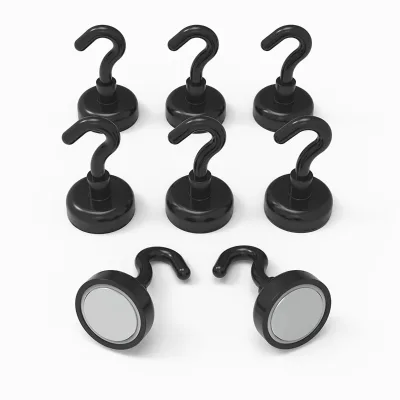


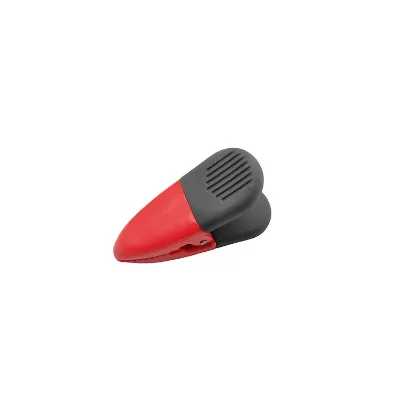


Comprehensive Sourcing Guide
Flexible Plastic Refrigerator Magnet Hooks Sourcing Guide
Sourcing Flexible Plastic Refrigerator Magnet Hooks requires a nuanced understanding of the intersection between magnetic performance and material durability. These products are distinct from rigid metal hooks, relying on a composite structure where a flexible polymer substrate houses magnetic particles to provide adhesion to vertical surfaces like refrigerators. Buyers must recognize that while the core function is hanging lightweight items, the specific material composition—often involving plastic or rubberized coatings over neodymium or ferrite magnets—dictates both the holding force and the tactile experience. The market offers a wide variety of designs, ranging from simple single hooks to complex customized shapes, but the fundamental engineering challenge remains balancing flexibility with sufficient magnetic pull force to prevent accidental detachment.
Procurement decisions for these items are heavily influenced by the intended application environment, which ranges from household kitchen organization to industrial labeling or promotional giveaways. The observed product landscape includes items marketed as "heavy duty" or "strong magnetic hooks," yet the use of plastic as a primary material suggests a focus on aesthetic integration and surface protection rather than extreme load-bearing capacity. Buyers should approach these listings with the understanding that "flexible" implies a bendable form factor, which is advantageous for wrapping around curved edges or fitting into tight spaces, but may compromise on the uniform distribution of magnetic flux compared to solid metal alternatives. Therefore, the sourcing strategy must prioritize verifying the actual holding strength against the advertised claims, especially when the product is marketed for industrial or semi-industrial use.
Product Scope and Observed Listing Signals
The current market signals indicate a diverse range of product types, including standard magnet hooks, heavy-duty variants, and specialized designs for wall hanging or household use. Listings frequently highlight attributes such as "strong magnet hook" and "magnetic hooks for hanging wall," suggesting that buyers are looking for reliable adhesion despite the flexible nature of the plastic component. The presence of terms like "permanent neodymium magnet" in the grade specifications points to a high-performance segment of the market, where the magnetic core is significantly stronger than standard ferrite options. However, the material is also listed as "plastic" and "metal," indicating that some products may feature a plastic body with metal plating or a metal hook component attached to a flexible magnetic base. This variability requires careful scrutiny of the product description to determine the exact construction and material breakdown.
Observed listing signals also reveal a strong emphasis on customization and aesthetic versatility. Buyers can expect to find options for customized designs, colors, and sizes, with specific mentions of black, silver, and other customizable color options. The availability of "customized designs" and "single hook" shapes suggests that these products are often used for branding, promotional purposes, or specific organizational needs where standard shapes do not suffice. The model numbers and series, such as "PH Series" or "Kn8," along with size specifications ranging from 10mm to 75mm, indicate a standardized manufacturing framework that allows for easy scaling and variation. Procurement teams should leverage these signals to identify suppliers who can offer both off-the-shelf solutions and tailored modifications, ensuring that the final product aligns with both functional requirements and brand identity.
Technical Specifications to Verify
When evaluating technical specifications, the grade of the magnet is a critical factor that directly impacts performance. The observed data includes grades such as N38, N38-N52, and general "Permanent Neodymium Magnet" classifications. Buyers must verify the exact grade for each order, as higher grades like N52 offer significantly stronger magnetic pull but may come with increased brittleness and cost. Additionally, the working temperature is a vital specification, with some listings noting a limit of 80 degrees Celsius. This is particularly relevant for products that may be exposed to heat sources or used in environments where temperature fluctuations are common, as exceeding the maximum operating temperature can lead to irreversible demagnetization. Procurement teams should request specific temperature ratings and ensure they align with the intended use case.
Surface treatment and coating are equally important for durability and safety. The observed processing services include cutting and punching, while coatings range from nickel, zinc, and chrome to epoxy, phosphating, and gold or silver plating. Nickel plating is frequently mentioned, which provides good corrosion resistance and a smooth finish, but buyers should confirm the thickness and uniformity of the plating to prevent peeling or rusting over time. The tolerance of ±1% suggests a high level of manufacturing precision, which is beneficial for ensuring consistent magnetic field distribution. Furthermore, the shape and size specifications, including common and customized dimensions, should be cross-referenced with the magnetic strength requirements to ensure that the physical footprint of the hook does not compromise its holding power.
Compliance and Safety Documentation
Compliance and safety documentation are essential for ensuring that the sourced products meet international standards and regulatory requirements. The observed certifications include ISO-9001 and QS-9000, which indicate that the manufacturer has established quality management systems. However, buyers should verify the current validity of these certifications and ensure they cover the specific production lines and materials used for the ordered products. Additionally, for products intended for household use, compliance with safety standards regarding small parts and chemical composition is crucial. Buyers should request test reports for materials, particularly if the plastic components contain phthalates or other restricted substances, to ensure they meet regulations such as REACH or CPSIA, depending on the target market.
In addition to material safety, buyers should inquire about the environmental impact and disposal guidelines for the products. Neodymium magnets contain rare earth elements, and their production and disposal can have environmental implications. Suppliers should be able to provide information on the recyclability of the materials and any specific handling instructions for end-of-life disposal. Furthermore, if the products are marketed as "heavy duty" or "industrial," buyers should verify that the products meet any relevant industrial safety standards for load-bearing components. This includes ensuring that the hooks do not pose a risk of falling and causing injury or damage, particularly when used in high-traffic areas or by children.
Cost Drivers and Commercial Terms
The cost of Flexible Plastic Refrigerator Magnet Hooks is influenced by several key factors, including the grade of the neodymium magnet, the complexity of the customization, and the volume of the order. Higher magnet grades, such as N52, will increase the base cost due to the higher price of raw materials. Customization, including specific shapes, colors, and packaging, also adds to the cost, as it requires additional tooling and production time. Buyers should be aware that while the observed price range is broad, from $0.03 to $10, the final cost will depend heavily on the specific configuration and order quantity. It is advisable to request detailed quotes that break down the costs by material, processing, and customization to understand the true cost drivers.
Commercial terms, such as minimum order quantity (MOQ) and lead time, are also significant considerations. The observed MOQ ranges from 1 to 10,000 units, offering flexibility for both small-scale testing and large-scale production. Lead times vary, with some listings indicating 8-14 days and others 15-25 days, depending on the complexity of the order and the supplier's current capacity. Buyers should negotiate clear delivery schedules and penalties for delays, especially for time-sensitive projects. Additionally, the availability of sample orders is a positive signal, allowing buyers to test the product quality before committing to a large purchase. It is recommended to order samples from multiple suppliers to compare quality, packaging, and overall value.
Supplier Qualification and Quality Control
Supplier qualification is a critical step in the sourcing process, ensuring that the chosen partner can consistently deliver high-quality products. Buyers should verify the supplier's manufacturing capabilities, including their equipment for cutting, punching, and coating. The observed processing services suggest that the suppliers have the necessary infrastructure for precision manufacturing. Additionally, buyers should assess the supplier's quality control processes, including in-process inspections and final product testing. Requesting a copy of the quality control manual and understanding the defect rate tolerance can provide insight into the supplier's commitment to quality. Suppliers with a history of producing customized designs should also be evaluated for their ability to maintain consistency across different product variations.
Quality control should also extend to the packaging and shipping process. The observed packaging options, including standard export packages, white box packaging, combination bag packaging, and bulk, indicate that suppliers offer various levels of protection. Buyers should ensure that the packaging is suitable for the product's fragility and the shipping conditions, particularly if the magnets are prone to chipping or the plastic components are susceptible to damage. It is advisable to specify packaging requirements in the purchase order and conduct pre-shipment inspections to verify that the products meet the agreed-upon standards. Building a strong relationship with the supplier through regular communication and feedback can also help in maintaining high quality standards over time.
Long-Term Procurement Checks
Long-term procurement checks involve monitoring the supplier's performance and the product's market reception to ensure ongoing satisfaction. Buyers should establish key performance indicators (KPIs) such as on-time delivery rate, defect rate, and responsiveness to issues. Regular audits of the supplier's quality management system can help identify potential problems before they escalate. Additionally, staying informed about changes in magnet technology and material regulations is essential for maintaining compliance and competitiveness. Buyers should engage in continuous dialogue with the supplier to explore opportunities for cost reduction, material innovation, and design improvements.
Market feedback is another critical aspect of long-term procurement. Collecting data on how the end-users interact with the products can provide valuable insights into their performance and durability. If issues arise, such as magnets losing strength or plastic components degrading, buyers should work with the supplier to investigate the root cause and implement corrective actions. Furthermore, diversifying the supplier base can mitigate risks associated with supply chain disruptions. By maintaining relationships with multiple qualified suppliers, buyers can ensure continuity of supply and leverage competition to secure better terms. Regular review of the procurement strategy against market trends and internal needs will help in making informed decisions and achieving long-term value.
FAQs
What materials are used for these magnetic hooks?
These hooks are constructed from permanent neodymium magnet material combined with plastic or metal components. The specific grade ranges from N38 to N52, ensuring strong holding power for various household and industrial applications while maintaining durability.
Can I request custom designs for these magnetic hooks?
Yes, customization is available for these products including specific sizes and designs. Buyers can request tailored dimensions from the common range of 10mm to 75mm or choose from various coating options like nickel, zinc, or epoxy to meet unique project requirements.
What is the typical delivery time for these items?
The standard delivery time ranges from 8 to 14 days for most orders. Some specific configurations or larger quantities may require 15 to 25 days, depending on the manufacturer's current production schedule and the specific customization requested by the buyer.
Which certifications do these manufacturers hold?
Manufacturers of these hooks typically hold ISO-9001 and QS-9000 certifications to ensure quality management standards. These credentials verify that the production processes meet international requirements for consistency and reliability in manufacturing industrial and household magnetic products.
How are these products packaged for export?
Products are shipped in standard export packages, which may include white box packaging, combination bags, or bulk containers. This ensures safe transport and protection of the magnetic hooks during international shipping while allowing for efficient handling by logistics providers.
What is the minimum order quantity for these hooks?
The minimum order quantity varies significantly, ranging from 1 unit for sample orders up to 10,000 units for bulk purchases. Buyers can start with single item orders to test quality before committing to larger volume orders for their specific needs.
Are sample orders accepted for these magnetic hooks?
Yes, sample orders are accepted to allow buyers to verify product quality before placing larger orders. This option enables purchasers to evaluate the strength, coating, and dimensions of the neodymium magnet hooks without the immediate commitment of a full production run.