Source Floor-Length Taffeta Ball Gown for Weddings
Explore 30 options for a Floor-Length Taffeta Ball Gown, featuring A-line silhouettes, V-necklines, and custom sizing. Compare details like lace-up backs, beaded embellishments, and train lengths to find the ideal bridal wear for your event; compare the available evidence and request quotations based on your requirements.
Key considerations
Products List
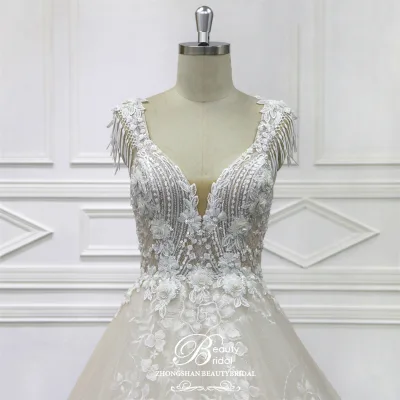
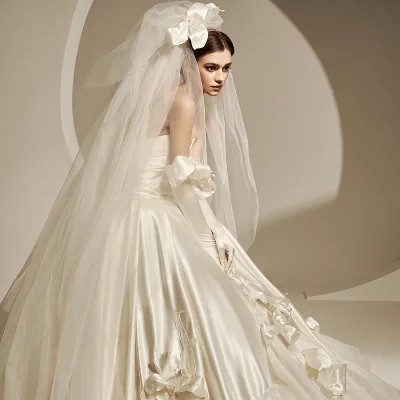
2023 Season Designs a Line Lace Off Shoulder Without Sleeve Wedding Dress Ball Gown
$1371.51 - $1514.29
MOQ: 1 pieces
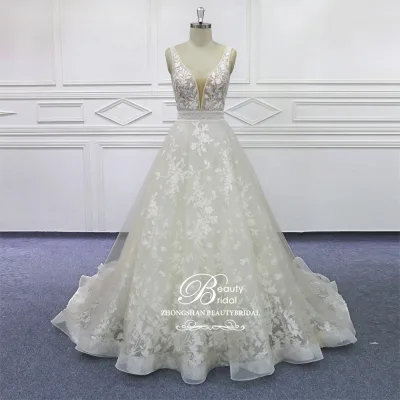
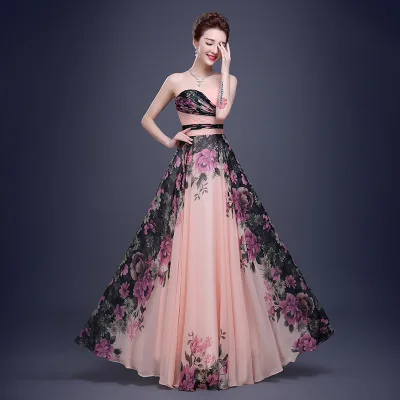
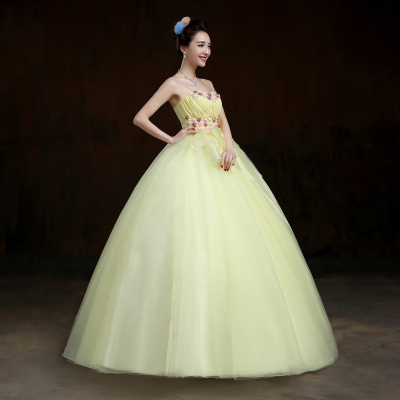

Strapless Wedding Dress Beaded Luxury Lace Tulle Bridal Ball Gown H1318
$89.00 - $179.00
MOQ: 1 Pieces

Ruffles Tulle Girl Pageant Ball Gown Platform Organza Flower Girl Dresses FL2151
$149.00 - $229.00
MOQ: 1 Pieces

Lace Bridal Ball Gown Tulle Beaded Puffy Princess Wedding Dress H14658
$110.00 - $269.00
MOQ: 1 Pieces

Puffy Bridal Dresses Flowers Vestidos Lace Tulle Wedding Ball Gown W15237
$99.00 - $269.00
MOQ: 1 Pieces


Spaghetti Straps Wedding Dress Lace Appliqued Organza Bridal Ball Gown H21618
$99.00 - $229.00
MOQ: 1 Pieces

Princess Style Ball Gown with Layered Tulle and Satin Ribbon Accents Dress
$7.00 - $15.00
MOQ: 1 Pieces
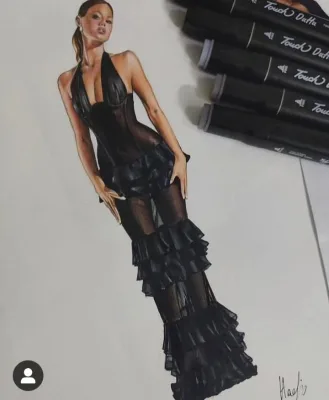
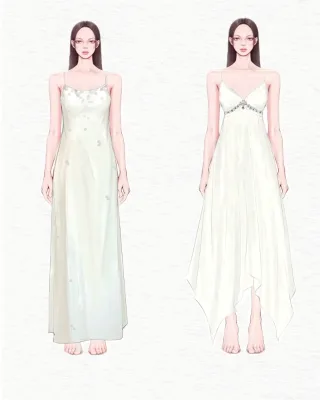

Customized Design Soft Tulle Lace Applique up Back Ball Gown Wedding Dress
$217.00 - $350.00
MOQ: 1 Pieces

Unique off Shoulder Short Sleeves Ball Gown Princess Organza Wedding Dress
$217.00 - $378.00
MOQ: 1 Pieces


Gorgeous Princess Customized Plus Size Women's Ball Gown Wedding Dresses with Sleeves
$467.00 - $578.00
MOQ: 1 Pieces

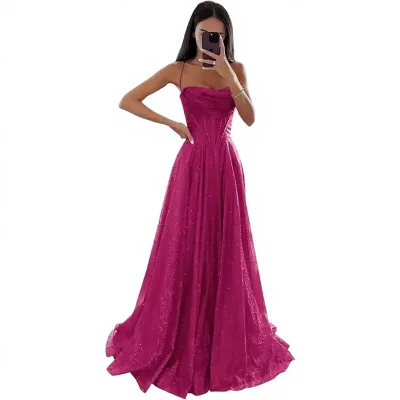
Customized Princess off-Shoulder V Neck Puffy Ball Gown Wedding Dresses with Tail
$326.00 - $478.00
MOQ: 1 Pieces
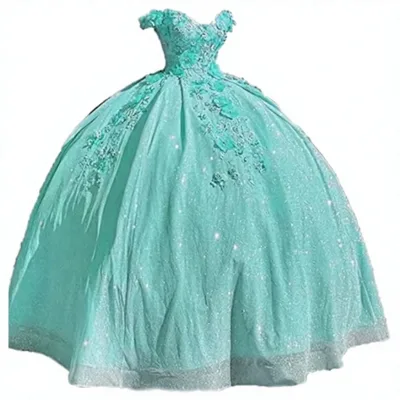


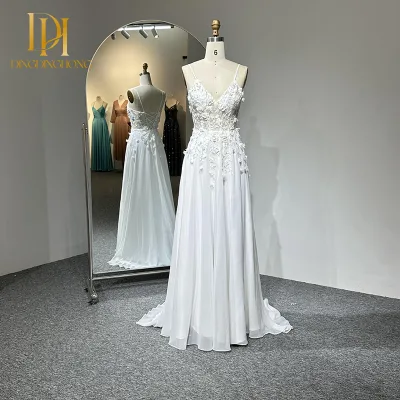
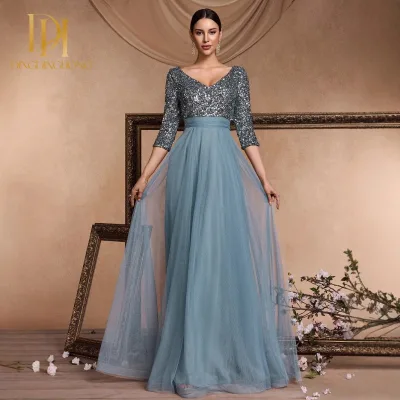
Comprehensive Sourcing Guide
Floor-Length Taffeta Ball Gown Sourcing Guide
Sourcing floor-length taffeta ball gowns requires a nuanced understanding of fabric behavior, structural integrity, and aesthetic execution. Taffeta is a crisp, smooth plain-woven fabric known for its distinctive rustle and ability to hold shape, making it ideal for structured silhouettes like ball gowns. However, its stiffness can limit drape, necessitating careful pattern drafting and internal support. Buyers must evaluate how the fabric interacts with embellishments such as beading, lace, and sequins, which are common in bridal and formal wear. The interplay between the rigid taffeta base and delicate decorative elements determines the final garment’s weight, movement, and visual impact.
Procurement decisions should also account for the specific design elements observed in current market listings, such as V-necks, illusion backs, and various train lengths. These features influence fabric consumption and construction complexity. For instance, a cathedral train requires significantly more yardage and precise hemming than a chapel train. Additionally, the presence of built-in bras, empire waists, or natural waists affects the internal structure and fitting requirements. Understanding these design variables allows buyers to accurately estimate costs, lead times, and quality control checkpoints, ensuring that the final product aligns with brand expectations and customer preferences.
Product Scope and Observed Listing Signals
Market analysis reveals a diverse range of floor-length taffeta ball gowns, with observed price points ranging from approximately $4.08 to $1,514.29 USD. This wide variance reflects differences in material quality, embellishment density, and brand positioning. Lower-priced items may feature simpler designs or synthetic blends, while higher-end options often include intricate hand-beading, custom sizing, and premium fabric treatments. The minimum order quantity (MOQ) typically ranges from 1 to 100 pieces, offering flexibility for both sample testing and bulk production. Buyers should note that custom sizing is frequently available, which is crucial for bridal wear where fit is paramount.
Observed product attributes highlight key design trends, including A-line silhouettes, short sleeves, and various neckline styles such as V-neck and off-shoulder. Decorative elements like lace, pearls, crystals, and ruffles are prevalent, adding texture and visual interest. The fabric type is consistently identified as taffeta, often combined with lace or tulle for layered effects. Colors observed include ivory, white, and champagne, catering to traditional and modern bridal aesthetics. Additionally, features like anti-static and breathable properties are noted, enhancing wearer comfort. These signals help buyers identify suppliers who specialize in specific styles and quality levels, streamlining the sourcing process.
Technical Specifications to Verify
Verifying technical specifications is critical to ensuring the gown meets design and quality expectations. Buyers should confirm the exact fabric composition, as some listings specify 100% polyester taffeta, while others may blend materials for improved drape or cost efficiency. The weight of the fabric, often indicated by single gross weight (e.g., 8.0 kg per package), provides insight into the garment’s heft and structure. Additionally, train length specifications, such as 100 cm or floor-length, must be clearly defined to avoid discrepancies in production. Accurate measurements for sleeve length, neckline depth, and waistline placement are essential for consistent sizing, especially when custom sizes are offered.
Construction details also require close scrutiny. Features like lace-up backs, zipper closures, and built-in bras impact both the aesthetic and functional aspects of the gown. Buyers should verify the type of embroidery or beading techniques used, as these affect durability and appearance. For example, embroidered details may offer a more integrated look, while beaded elements provide sparkle but require secure attachment to prevent shedding. Packaging dimensions, such as 33x50x60 cm per piece, influence logistics and storage costs. Confirming these specifications with suppliers before production ensures that the final product aligns with the buyer’s technical requirements and quality standards.
Compliance and Safety Documentation
Compliance and safety documentation are essential for importing floor-length taffeta ball gowns, particularly when selling to international markets. Buyers should request certificates of conformity, which verify that the garments meet regional safety and quality standards. For textiles, this often includes testing for flammability, chemical content, and fiber composition. Suppliers should provide material safety data sheets (MSDS) for any dyes or finishes used, ensuring they are free from harmful substances. Additionally, labeling requirements must be adhered to, including care instructions, fiber content, and country of origin, which are typically marked on the garment or packaging.
Environmental and ethical compliance is increasingly important in the fashion industry. Buyers should inquire about eco-friendly certifications, such as OEKO-TEX or GOTS, if sustainability is a brand priority. These certifications verify that the materials and production processes meet specific environmental and social criteria. Furthermore, anti-static and washable features, as noted in some listings, should be validated through independent testing to ensure they perform as claimed. By prioritizing compliance and safety documentation, buyers mitigate risks associated with regulatory non-compliance, product recalls, and reputational damage, ensuring a smoother supply chain and greater customer trust.
Cost Drivers and Commercial Terms
Several factors drive the cost of floor-length taffeta ball gowns, including material quality, embellishment complexity, and order volume. Premium taffeta with high thread counts and superior finish commands higher prices, while intricate hand-beading and embroidery increase labor costs. Custom sizing and unique design elements, such as illusion backs or cathedral trains, also add to the expense due to increased pattern drafting and construction time. Buyers should negotiate clear commercial terms, including payment schedules, shipping responsibilities, and return policies, to manage financial risk. Understanding these cost drivers helps in budgeting accurately and selecting suppliers who offer the best value for specific design requirements.
Lead times and supply ability are critical commercial considerations. Some suppliers offer sample orders within seven days, while bulk production may take longer, depending on complexity and volume. Supply ability, such as 2000 pieces per month, indicates the supplier’s capacity to handle large orders. Buyers should align their procurement timelines with these lead times to avoid delays. Additionally, packaging details, such as polybagging or carton boxing, affect shipping costs and product protection. By negotiating favorable terms and understanding cost drivers, buyers can optimize their procurement strategy, ensuring timely delivery and cost-effective sourcing of high-quality floor-length taffeta ball gowns.
Supplier Qualification and Quality Control
Qualifying suppliers for floor-length taffeta ball gowns involves assessing their production capabilities, quality control processes, and reputation. Buyers should request samples to evaluate fabric quality, stitching precision, and embellishment durability. Suppliers with OEM services offer customization options, allowing buyers to tailor designs to their brand’s specifications. It is essential to verify the supplier’s experience in producing similar garments, as expertise in handling taffeta and intricate details significantly impacts final quality. Additionally, checking for certifications and compliance with industry standards provides assurance of ethical and safe production practices.
Quality control should be integrated throughout the production process, from material inspection to final packaging. Buyers should establish clear quality benchmarks and conduct pre-shipment inspections to identify defects early. Common issues to watch for include uneven hemming, loose threads, and misaligned embellishments. Suppliers with robust QC processes will provide detailed inspection reports and allow for third-party audits. By prioritizing supplier qualification and rigorous quality control, buyers minimize the risk of receiving substandard products, ensuring that each gown meets the highest standards of craftsmanship and aesthetic appeal.
Long-Term Procurement Checks
Long-term procurement success depends on continuous supplier performance monitoring and relationship management. Buyers should regularly review supplier metrics, including on-time delivery rates, defect rates, and responsiveness to issues. Establishing key performance indicators (KPIs) helps track these metrics objectively and identify areas for improvement. Regular communication and feedback loops foster collaboration, enabling suppliers to address concerns proactively. Additionally, staying informed about market trends and fabric innovations allows buyers to adapt their sourcing strategies, ensuring they remain competitive and meet evolving customer demands.
Sustainability and ethical sourcing are becoming increasingly critical in long-term procurement. Buyers should encourage suppliers to adopt eco-friendly practices and transparent supply chains. This may involve sourcing recycled materials or supporting fair labor practices. By integrating sustainability into their procurement strategy, buyers enhance brand reputation and appeal to environmentally conscious consumers. Furthermore, diversifying the supplier base reduces dependency on single sources, mitigating risks associated with supply chain disruptions. Through diligent monitoring and strategic relationship building, buyers can secure a reliable, high-quality supply of floor-length taffeta ball gowns for sustained business growth.
FAQs
What fabric types are used for Floor-Length Taffeta Ball Gown dresses?
The dresses utilize taffeta with beading or lace and tulle combinations. These materials provide the structured silhouette required for a ball gown style. The fabric is 100% polyester, ensuring durability and a smooth finish. This composition supports the heavy embellishments often found on such formal wear.
Can I get a custom size for a Floor-Length Taffeta Ball Gown?
Yes, custom sizing is available for these wedding dresses. The product specifications explicitly list custom size as an option to ensure a perfect fit. Buyers can provide their measurements to tailor the garment accurately. This service accommodates individual body shapes for a professional appearance on the wedding day.
What is the typical lead time for sample orders of this dress?
Sample order lead time is not supported for this product line. Buyers should expect to proceed directly with bulk orders or consult the supplier for alternative sampling arrangements. The standard supply ability is 2000 pieces per month, indicating a focus on larger production runs rather than individual samples.
Which back design features are available for floor length taffeta ball gowns?
Back designs include illusion, backless, and lace-up details. Some models feature a zipper closure for ease of wear. These elements add elegance and security to the gown. The backless style is particularly popular for creating a dramatic and sophisticated look suitable for formal wedding ceremonies.
What decorations are applied to the Floor-Length Taffeta Ball Gown?
Decorations include lace, sequins, pearls, beading, flowers, ruffles, crystals, and tassels. These embellishments enhance the visual appeal of the dress. The techniques used are embroidered or beaded, adding texture and sparkle. Such details contribute to the vintage and modern style elements observed in the collection.
How is the Floor-Length Taffeta Ball Gown packaged for shipping?
Each piece is packed in a polybag, with multiple pieces per carton box. The single package size is 33x50x60 cm, and the gross weight is 8.0 kg. This packaging ensures protection during transit. The method is designed to maintain the integrity of the delicate fabrics and decorations.