Source Floor Length Flared Long Dress for Daily Wear, Events, and Outdoor Use
Explore 30 options for a Floor Length Flared Long Dress suitable for daily wear, events, and outdoor activities. Buyers can compare specifications like sleeve length, fabric, and customization availability to find the right supplier for their needs.
Key considerations
Products List


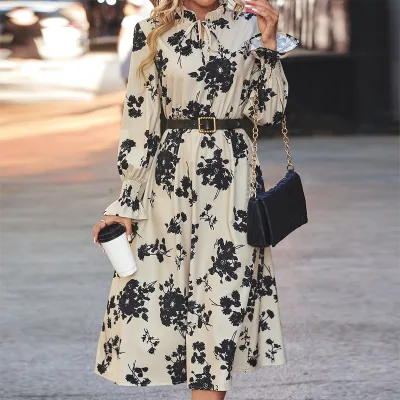
Comprehensive Sourcing Guide
Strategic Sourcing Guide for Floor Length Flared Long Dresses
Procuring floor-length flared long dresses for B2B distribution or corporate events requires a rigorous approach that balances aesthetic requirements with supply chain reliability. The market for these garments is characterized by a wide variance in material composition, customization capabilities, and logistical parameters. Buyers must navigate a landscape where product attributes such as silhouette, fabric weight, and packaging standards vary significantly between suppliers. This guide provides a structured framework for evaluating potential partners and defining product specifications to ensure a successful procurement cycle.
Defining Technical Specifications and Silhouette Requirements
The foundation of a successful order lies in the precise definition of technical specifications. For the core keyword of floor-length flared long dresses, the "Length" attribute is a critical differentiator. Market data indicates that suppliers often categorize these garments specifically as "Floor Length" or "Long Dress," distinguishing them from midi or knee-length variants. The "Silhouette" is equally vital; while "A-Line" is a common classification for flared dresses, other styles such as "Pleated" or "Loose" fits may also meet the flared aesthetic depending on the fabric drape.
Buyers must verify the "Sleeve Length" and "Sleeve Style" early in the process. Observations from current listings show a prevalence of "Long Sleeve" options, often paired with "Halter" necklines or "Halter Neck" styles. This combination creates a specific silhouette that requires careful pattern drafting to ensure the flare is maintained from the bodice to the hem. The "Neckline" and "Waistline" (often "Natural" for these styles) also dictate the fit. Furthermore, the "Style" attribute frequently ranges from "Modern" to "Loose," influencing the overall volume of the garment.
When defining the "Model No." or product code, buyers should note that suppliers often use specific alphanumeric identifiers (e.g., LM688046, LM688064) to track variations. These codes often correlate with specific fabric weights or pattern details. For instance, one variation might be associated with a "Wood Grain" pattern, while another might be a solid "Multicolor" option. The "Material" is predominantly "Polyester" in current market observations, which offers durability and ease of care, though "Chiffon" is also available for lighter, more flowing variations.
Compliance, Certification, and Environmental Standards
In the realm of textile procurement, compliance is not merely a formality but a risk mitigation strategy. While specific certification statuses like OEKO-TEX are mentioned in background contexts, buyers should not assume a supplier holds these certifications without direct verification. Instead, the procurement strategy must focus on verifying the "Environmental Standard" and functional properties claimed by the manufacturer.
Current market data suggests that suppliers often list functional attributes such as "Waterproof," "Anti-Static," and "Thermal Insulation" alongside "Soundproof" capabilities. While "Soundproof" is an unusual attribute for a dress, it highlights the need for buyers to scrutinize the "Feature" list for relevance to the intended use case. The "Environmental Standard" is often cited with specific dimensions (e.g., 40303 or 40305), which likely refers to packaging or testing parameters rather than a textile standard. Buyers must clarify whether these numbers refer to packaging dimensions or specific material thickness tests.
For international buyers, the "Place of Origin" is a key compliance indicator. Data points to origins in "China," specifically regions like "Zhejiang" and "Guangdong." These regions have established textile infrastructures, but buyers should verify if the specific factory adheres to international labor standards and environmental regulations relevant to their destination market. The "Supply Type" is frequently listed as "OEM Service," indicating that the supplier is equipped to handle custom compliance requirements, but this must be explicitly confirmed in the contract.
Cost Drivers and Pricing Structures
Understanding the cost structure of floor-length flared long dresses is essential for budgeting and margin analysis. The observed price range in the market spans from $0.50 to $80.00 USD. This wide disparity is driven by several factors, including the complexity of the "Pattern," the quality of the "Material," and the level of "Customization" required. A basic "Polyester" dress with a standard "A-Line" silhouette will likely fall on the lower end of this spectrum, while a "Chiffon" dress with "Wood Grain" patterns, "Halter Neck" detailing, and custom sizing will command a premium.
The "Single Gross Weight" is another significant cost driver. Listings show weights ranging from 0.500kg to 0.800kg per piece. This variance directly impacts shipping costs, particularly for air freight or consolidated sea shipments. Buyers must calculate the landed cost based on the actual weight of the finished garment, not just the raw material weight. Additionally, the "Packaging Detail" plays a role in cost. Options range from simple "Clear Plastic Bag" packaging to more robust "Cardboard Box" or "Pallet" solutions. The choice of packaging affects both the unit cost and the protection of the garment during transit.
The "MOQ" (Minimum Order Quantity) is another variable that influences the unit price. While some suppliers may offer low MOQs, others might require orders up to 1000 pieces. The "Supply Ability" is often cited as 50,000 pieces per month, suggesting that large-scale orders are feasible, but buyers should confirm if this capacity is available for custom orders or if it applies only to stock items. The "Selling Units" are typically listed as "Pieces" or "Single Item," which clarifies the base unit for pricing negotiations.
Typical Applications and Occasion Suitability
The versatility of floor-length flared long dresses makes them suitable for a broad range of applications. The "Occasion" attribute is frequently listed as "Daily," indicating that these garments are designed for everyday wear rather than just formal events. However, the "Style" and "Fabric" can also make them appropriate for "Commercial" or "Outdoor" settings, depending on the specific features like "Anti-Static" or "Waterproof" treatments.
For "Spring/Summer" seasons, the "Loose" style and breathable fabrics like "Chiffon" are particularly relevant. The "Season" attribute is a critical filter for buyers targeting seasonal inventory. A dress designed for "Spring/Summer" may not be suitable for winter markets unless it includes "Thermal Insulation" features. The "Usage" category often includes "Household," "Outdoor," and "Commercial," suggesting that these dresses might be used in hospitality, retail, or event staffing contexts where durability and comfort are paramount.
The "Dress Type" is often categorized as "Casual Dresses," which aligns with the "Daily" occasion. However, the "Floor Length" and "Flared" silhouette can also elevate the garment for semi-formal events. Buyers should align the product selection with the specific needs of their target demographic. For example, a "Modern" style with a "Natural" waistline might appeal to a younger, fashion-forward audience, while a "Loose" fit with "Long Sleeve" might be preferred for professional or modest wear requirements.
Supplier Evaluation and Customization Capabilities
Evaluating suppliers requires a deep dive into their customization capabilities and operational flexibility. The "Customization" attribute is marked as "Available" or "Customized" in many listings, indicating a willingness to adapt products to buyer specifications. The "7 Days Sample Customization" support is a significant advantage, allowing buyers to validate quality and fit before committing to a large order. This rapid turnaround for samples is crucial for maintaining project timelines.
The "Supply Type" is predominantly "OEM Service," which means suppliers are set up to manufacture products under the buyer's brand or specifications. Buyers should verify the extent of this service. Does it include custom labeling, custom packaging, or just custom sizing? The "Size" attribute often includes a range from "S-3XL" with the ability to "Be Made in Any Size You Like," which is a strong indicator of a flexible manufacturing process.
When evaluating a supplier, the "Packaging Detail" is also a key metric. Options like "Pallet, Carton Box, According to Your Request" suggest a high level of logistical flexibility. Buyers should assess whether the supplier can meet specific packaging requirements for their retail partners or distribution channels. The "Location" of the supplier, whether in "Zhejiang" or "Guangdong," can also influence lead times and communication efficiency.
Quality Control and Long-Term Procurement Considerations
Ensuring consistent quality is paramount in B2B procurement. The "Feature" list, including "Breathable" and "Anti-Static," should be verified through physical testing or third-party inspection reports. Buyers should not rely solely on the supplier's claims but should request evidence of these properties, especially if the dress is intended for specific environments like "Outdoor" or "Commercial" use.
Long-term procurement considerations involve building a relationship with a supplier who can scale with demand. The "Supply Ability" of 50,000 pieces per month suggests that the supplier has the capacity for large orders, but buyers should confirm if this capacity is consistent throughout the year or subject to seasonal fluctuations. The "Lead Time" is not explicitly stated in the provided data, but the "7 Days Sample Customization" implies a relatively agile production process.
Buyers should also consider the "Standard" attributes provided, such as the dimensions "40303" or "40305." These likely refer to packaging or material standards. Understanding these standards helps in planning logistics and storage. Finally, the "Model No." consistency is important for long-term inventory management. Ensuring that the supplier maintains the same model numbers for repeat orders prevents confusion and ensures product continuity.
Comparative Analysis of Product Attributes
To facilitate decision-making, the following table summarizes key attributes observed in the market for floor-length flared long dresses. This comparison helps buyers identify which suppliers align best with their specific requirements.
| Attribute | Common Observation | Procurement Consideration |
|---|---|---|
| Length | Floor Length, Long Dress | Verify hem measurement against size chart. |
| Silhouette | A-Line, Pleated, Loose | Ensure flare matches brand aesthetic. |
| Material | Polyester, Chiffon | Check fabric weight and drape quality. |
| Sleeve Style | Long Sleeve, Halter | Confirm comfort and range of motion. |
| Customization | Available, 7 Days Sample | Test sample quality before bulk order. |
| Packaging | Plastic Bag, Carton Box, Pallet | Align with retail or shipping requirements. |
| Origin | China (Zhejiang, Guangdong) | Verify logistics and import compliance. |
| Season | Spring/Summer | Plan inventory for seasonal demand. |
By adhering to these guidelines and leveraging the specific data points available, buyers can navigate the complex landscape of floor-length flared long dress procurement with confidence. The focus on verified attributes, clear communication of requirements, and rigorous supplier evaluation will lead to successful outcomes in the B2B market.
FAQs
Can I get custom sizes for floor length flared long dresses?
Yes, suppliers offer sizes from S to 3XL and can make any size you like. This customization is available for the Floor Length Flared Long Dress model, allowing you to specify exact measurements beyond standard ranges.
What material is used for the Floor Length Flared Long Dress?
The primary material observed is polyester, though chiffon is also available for lighter variations. These fabrics are selected to support the flared silhouette while ensuring durability and ease of care for daily or commercial use.
How long does sample customization take for floor length flared long dresses?
Sample customization is supported within 7 days for eligible orders. This rapid turnaround allows buyers to validate the Floor Length Flared Long Dress fit and quality before committing to larger production runs under OEM service terms.
Which packaging options are available for floor length flared long dresses?
Packaging ranges from clear plastic bags per piece to cardboard boxes or pallets. Suppliers can often accommodate specific requests, ensuring the Floor Length Flared Long Dress arrives protected according to your logistical or retail requirements.
What is the supply capacity for floor length flared long dresses?
Suppliers typically offer a supply ability of 50,000 pieces per month or more. This capacity supports large-scale procurement needs for the Floor Length Flared Long Dress, provided the order aligns with the manufacturer's current production schedule.
Can floor length flared long dresses be sourced from China?
Yes, products originate from regions like Zhejiang and Guangdong in China. These locations host manufacturers capable of producing the Floor Length Flared Long Dress with features like anti-static properties and breathable fabrics for various seasons.