Source Floral Printed Cotton Men Necktie for Business and Formal Events
Source 30 Floral Printed Cotton Men Necktie options from verified manufacturers. Compare specifications like width, length, and customization support for business meetings, formal events, and professional settings.
Key considerations
Products List


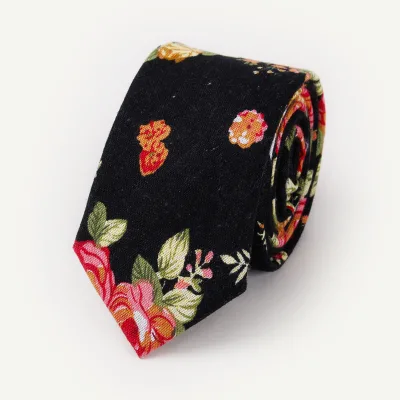
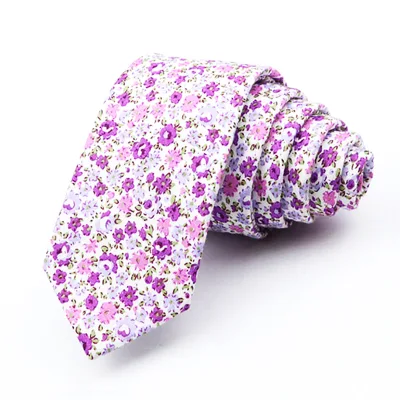


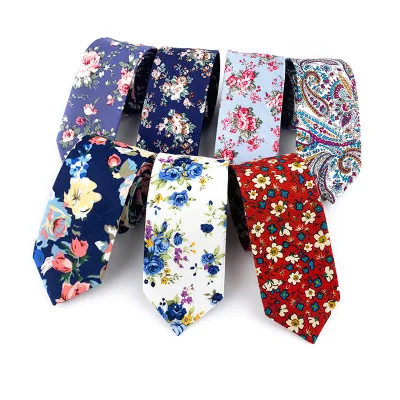
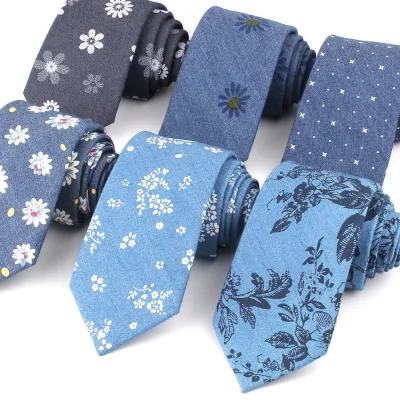
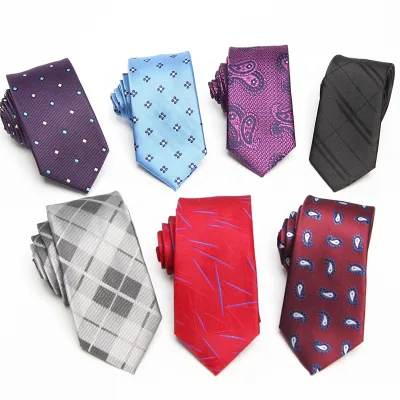


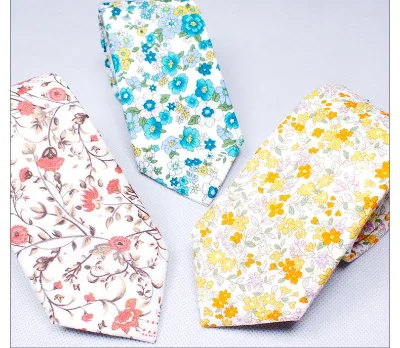


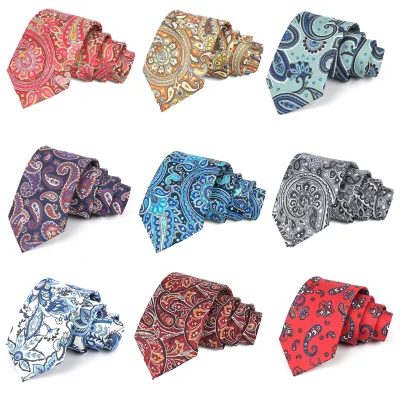
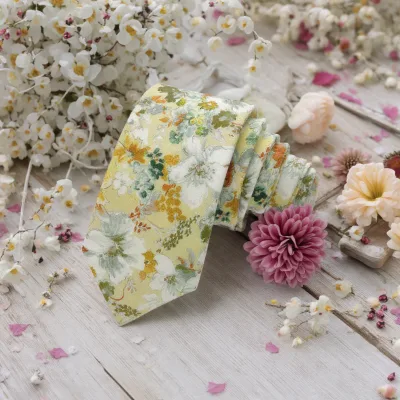
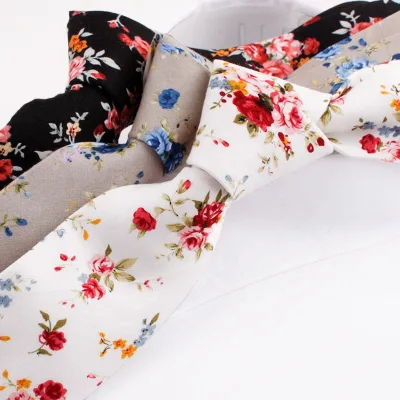
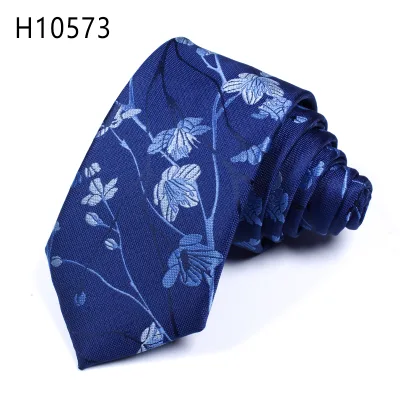

Comprehensive Sourcing Guide
Floral Printed Cotton Men Necktie Sourcing Guide
Sourcing floral printed cotton neckties requires a nuanced understanding of material behavior, print durability, and aesthetic alignment with formal or semi-formal wear. Unlike synthetic alternatives, cotton offers a distinct texture and breathability that appeals to buyers seeking natural fiber products, but it also introduces specific challenges regarding shrinkage, colorfastness, and wrinkle resistance. The floral pattern adds a layer of complexity, as the design must remain sharp and vibrant after washing and wear, particularly when using digital or screen printing techniques on a porous fabric base. Buyers must balance the aesthetic appeal of the floral motif with the functional requirements of a necktie, ensuring that the print does not bleed and the fabric maintains its structural integrity over time.
The procurement landscape for these items is characterized by a wide variety of customization options and a broad range of supplier capabilities, primarily concentrated in manufacturing hubs like Zhejiang, China. Suppliers often offer support for custom logos, labels, and specific packaging requirements, making these ties suitable for corporate gifting, promotional campaigns, or private label fashion lines. However, the diversity in product specifications means that buyers cannot assume uniformity across listings. It is essential to verify the exact material composition, print method, and finishing processes for each potential supplier to ensure that the final product meets the intended quality standards and aesthetic expectations.
Product Scope and Observed Listing Signals
The observed market signals indicate a strong emphasis on customization and variety in floral printed cotton neckties. Listings frequently highlight the availability of custom logos and labels, suggesting that many suppliers cater to B2B clients looking for branded merchandise. The product scope extends beyond simple floral prints to include various styles such as plain dyed, jacquard, and printed options, allowing buyers to select the most appropriate aesthetic for their target audience. The presence of multiple color options, including black, navy blue, and various shades of blue and green, indicates that suppliers are equipped to handle diverse design requests, although the core focus remains on the floral motif as a key differentiator.
Material composition is a critical signal, with polyester and cotton printed fabrics being the most commonly observed materials. While the core keyword specifies cotton, the market data shows that polyester is also prevalent, often used for its durability and ease of maintenance. Buyers should be aware that "cotton printed" may refer to a blend or a specific finishing process rather than 100% cotton, which can affect the feel and care instructions of the final product. The observed width ranges, typically between 5cm and 10cm, suggest that suppliers offer both standard and skinny styles, catering to different fashion trends. Additionally, the length specifications, ranging from 142cm to 157cm, provide flexibility for different body types and knot styles, ensuring a proper fit for most wearers.
Technical Specifications to Verify
Verifying the technical specifications of floral printed cotton neckties is crucial to ensure product consistency and quality. The length and width of the tie are primary dimensions that must be confirmed, as they directly impact the fit and appearance. Buyers should request detailed size charts and sample measurements to ensure that the ties meet their specific requirements, particularly if they are targeting a niche market with specific sizing preferences. The width, which can vary from skinny to standard, should be chosen based on current fashion trends and the intended use case, whether it be for formal business settings or casual wear.
The print quality and fabric composition are equally important technical aspects to verify. Buyers should inquire about the printing method used, such as digital printing, screen printing, or jacquard weaving, as each method has different implications for color vibrancy, detail resolution, and durability. For cotton fabrics, it is essential to confirm the weight and weave of the material, as these factors influence the drape and stiffness of the tie. Additionally, buyers should verify the shrinkage rate of the cotton fabric and the colorfastness of the floral print to ensure that the product maintains its appearance after repeated wear and cleaning. Requesting pre-production samples is a recommended step to assess these technical attributes firsthand.
Compliance and Safety Documentation
Compliance and safety documentation are vital for ensuring that floral printed cotton neckties meet international standards and regulatory requirements. Buyers should request relevant certifications from suppliers, such as ISO9001:2001, BSCI, and Smeta, which indicate adherence to quality management and social responsibility standards. These certifications provide assurance that the supplier operates under controlled conditions and adheres to ethical labor practices, which is increasingly important for global brands and retailers. Additionally, buyers should verify that the materials used, particularly the dyes and finishes, comply with relevant safety regulations, such as REACH in Europe or CPSIA in the United States, to ensure that the products are safe for consumer use.
The packaging and labeling of the neckties also play a role in compliance, as they must accurately reflect the product's content and care instructions. Buyers should ensure that the packaging includes clear information about the material composition, country of origin, and care instructions, such as dry cleaning recommendations. This not only helps in meeting regulatory requirements but also enhances the customer experience by providing clear guidance on how to maintain the product. Furthermore, buyers should verify that the supplier follows proper labeling practices, including the inclusion of custom labels if requested, to ensure brand consistency and compliance with local labeling laws.
Cost Drivers and Commercial Terms
The cost of floral printed cotton neckties is influenced by several factors, including material costs, print complexity, and order volume. Cotton fabric is generally more expensive than synthetic alternatives, and the floral print adds to the cost due to the intricate design and printing process required. Buyers should expect higher prices for custom designs, especially those involving digital printing or jacquard weaving, which require specialized equipment and skilled labor. Additionally, the MOQ (Minimum Order Quantity) can significantly impact the unit price, with lower MOQs typically resulting in higher per-unit costs. Understanding these cost drivers is essential for budgeting and negotiating favorable terms with suppliers.
Commercial terms, such as payment methods, lead times, and shipping arrangements, also play a crucial role in the overall cost and procurement process. Buyers should negotiate clear terms regarding payment schedules, such as deposits and balance payments, to manage cash flow and mitigate risk. Lead times can vary depending on the complexity of the order and the supplier's production capacity, so it is important to establish realistic timelines and communicate any urgent requirements early in the process. Shipping costs and logistics should also be considered, as they can add to the total cost of the order. Buyers should explore options for consolidated shipping or freight forwarding to optimize costs and ensure timely delivery.
Supplier Qualification and Quality Control
Supplier qualification is a critical step in the sourcing process, ensuring that the chosen partner can deliver high-quality floral printed cotton neckties consistently. Buyers should conduct thorough due diligence on potential suppliers, including verifying their business licenses, production capabilities, and past performance. Requesting references and conducting factory audits can provide valuable insights into the supplier's operational efficiency and quality control practices. Additionally, buyers should assess the supplier's ability to handle customization requests, such as custom logos and packaging, to ensure that they can meet specific brand requirements.
Quality control measures should be implemented throughout the production process to minimize defects and ensure product consistency. Buyers should establish clear quality standards and inspection criteria, including checks for print alignment, color consistency, and fabric integrity. Conducting pre-production samples and in-line inspections can help identify and address issues early in the manufacturing process. Final random inspections before shipment are also recommended to ensure that the products meet the agreed-upon quality standards. Establishing a robust quality control process not only reduces the risk of receiving defective goods but also enhances the supplier's accountability and commitment to quality.
Long-Term Procurement Checks
Long-term procurement checks are essential for maintaining a sustainable and reliable supply chain for floral printed cotton neckties. Buyers should regularly review supplier performance metrics, such as on-time delivery rates, defect rates, and responsiveness to issues, to identify areas for improvement. Building strong relationships with suppliers through regular communication and feedback can foster collaboration and continuous improvement. Additionally, buyers should stay informed about market trends and changes in consumer preferences to ensure that the products remain relevant and competitive.
Sustainability and ethical sourcing are increasingly important considerations for long-term procurement. Buyers should evaluate suppliers' efforts to reduce environmental impact, such as using eco-friendly dyes and sustainable packaging materials. Verifying that suppliers adhere to ethical labor practices and provide fair working conditions is also crucial for maintaining brand reputation and meeting consumer expectations. By prioritizing sustainability and ethical sourcing, buyers can contribute to a more responsible and resilient supply chain, ensuring long-term success and positive impact.
FAQs
What materials are used for floral printed cotton neckties?
The product is primarily made from cotton printed fabric, though some listings also feature polyester. Buyers can find options with digital printing, screen printing, or jacquard processes to achieve the floral pattern.
Can I customize the logo and labels on these neckties?
Yes, customization is available for both custom logos and customized labels. Suppliers support personalized branding to meet specific business requirements for formal events or professional settings.
What are the standard dimensions for these floral neckties?
Standard lengths range from 142cm to 157cm, with widths typically between 8cm and 10cm. Specific models may offer regular, extra-long, or skinny widths depending on the style requested.
Which certifications do the manufacturers hold for these products?
Manufacturers often hold ISO9001:2001, BSCI, and Smeta certifications to ensure quality and ethical standards. Some products also meet SGS standards for material safety and production consistency.
How are these neckties packaged for bulk orders?
Packaging options include inner boxes with master cartons, polybags, or gift sets. Each unit typically weighs around 0.06 kg, and bulk shipments are organized in carton boxes for protection.
What is the minimum order quantity for floral printed ties?
The minimum order quantity can be as low as 10 pieces for some suppliers, while others may require up to 900 units. Buyers should verify specific MOQs based on the chosen model and customization needs.
Where are these neckties manufactured and shipped from?
These products originate from China, specifically from the Zhejiang region. Suppliers are located in this area and ship globally, offering various lead times depending on order volume and customization.